Why Unit 15 Is a Primitive Weapons Unit
If you're eyeing a hunting adventure in New Mexico, particularly the renowned Unit 15, you've likely encountered a unique regulation that makes many hunters pause: it's a primitive weapons unit. This can be a head-scratcher, especially for those accustomed to "any legal weapon" hunts. This guide is here to unravel the mystery, explaining why Unit 15 has these specific restrictions and what it truly means for your hunting strategy and gear choices.
The Wilderness Designation That Shapes Unit 15's Rules
The primary reason New Mexico's Unit 15 operates under primitive weapon restrictions isn't an arbitrary state rule; it's deeply rooted in its federal wilderness designation. A significant portion of Unit 15 falls within the sprawling Gila Wilderness and the Aldo Leopold Wilderness. These aren't just pretty names on a map; they represent federally protected areas managed under strict guidelines that prioritize a primitive, unmechanized experience.
Imagine the vast, rugged canyons, the towering Ponderosa pines, and the remote mesas of the Gila – this is country preserved precisely to evoke a sense of untouched wildness. The legal framework behind these designations aims to keep it that way, limiting human impact and ensuring that those who venture in do so under conditions that foster self-reliance and a deep connection to the land. This often means foregoing modern conveniences, and that includes certain types of hunting equipment. For those interested in the broader topic, a comprehensive look at Primitive Weapons Hunting in New Mexico's Unit 15 offers even more context.
Understanding Federal Wilderness Regulations
The Wilderness Act of 1964 is the cornerstone of this preservation effort. This landmark legislation defines wilderness as "an area where the earth and its community of life are untrammeled by man, where man himself is a visitor who does not remain." In practice, this means strict prohibitions on motorized vehicles, bicycles, chainsaws, and even wheeled carts within designated wilderness boundaries. While hunting itself is generally permitted in wilderness areas, the means of hunting are often restricted to align with the "primitive" ethos.
New Mexico's Game and Fish Department, in conjunction with federal land management agencies like the Forest Service, implements hunting regulations that respect these wilderness mandates. This means that while you can legally pursue game, you're doing so without the aid of modern firearms that are considered out of step with the primitive nature of these vast, wild landscapes. It’s a deliberate choice to maintain the integrity of these areas, offering a hunting experience unlike most others.
Preserving the "Wild" Experience and Its Impact
The philosophy behind primitive weapon rules in wilderness areas is to ensure that the challenge of the hunt truly reflects the wildness of the landscape. It emphasizes skill, patience, and woodsmanship over technological advantage. When you're in the Gila, the goal is to immerse yourself in an environment where the roar of an ATV or the crack of a high-powered rifle isn't part of the soundtrack.
This commitment to a primitive experience impacts not just weapon choice but also scouting and game retrieval. There's no driving a truck deep into the backcountry to set up camp or haul out a downed animal. Everything is done on foot or with pack stock. It makes for a grueling, yet incredibly rewarding, hunt that truly tests a hunter's mettle. For many, this challenge is precisely the draw of Unit 15, promising a hunting experience that feels genuinely wild and untamed, far from the pressures of more accessible areas.
What "Primitive Weapons" Truly Mean in New Mexico
When New Mexico's Game and Fish Department designates a unit as "primitive weapons only," they're not just throwing around a vague term. There are very specific legal definitions and requirements that dictate what you can and cannot use. This is where many hunters, especially those new to such designations, can get tripped up. Understanding the nuances is critical, not just for legality, but for preparing effectively for your hunt.
It's a common misconception that "primitive" simply means older. In New Mexico, it's about the type of weapon and its specific attributes, designed to offer a more traditional, challenging hunting experience. The goal is to level the playing field, making the hunter rely more on their tracking, stalking, and shooting skills than on advanced optics or rapid-fire capabilities.
Muzzleloaders and Archery Gear: The Legal Standard
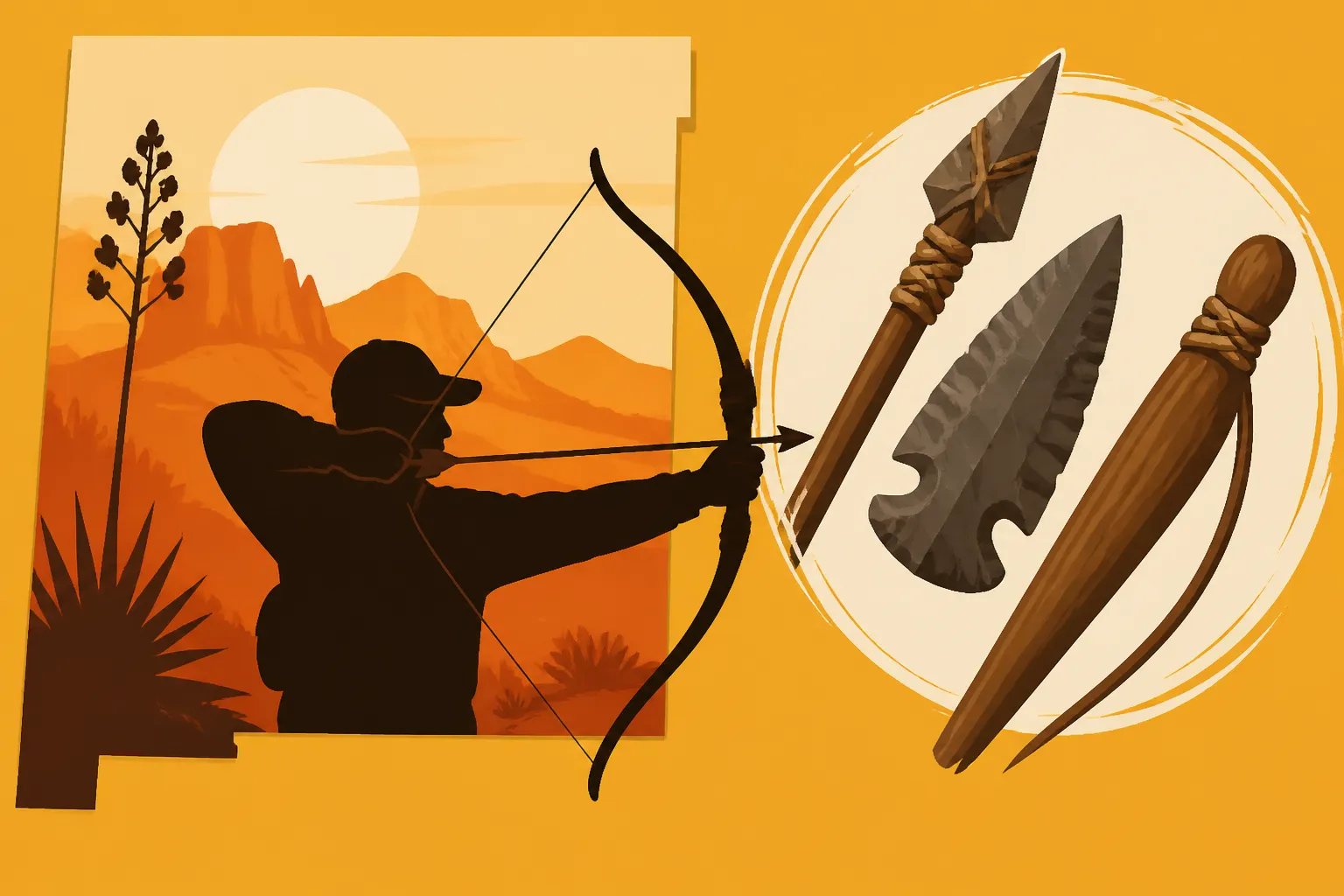
For big game hunting in New Mexico's primitive weapon units, your options are generally limited to specific types of muzzleloaders and archery equipment. These aren't just any old bow or black powder rifle; the regulations are quite precise.
-
Muzzleloaders: Only muzzleloading firearms that are fired by a flintlock, percussion cap, or musket cap ignition are considered legal. This typically means single-shot, front-loading rifles. Critically, scopes are generally not permitted on muzzleloaders during primitive weapon seasons, meaning you'll be relying on open, iron, or peep sights. This significantly reduces effective range and demands a higher degree of shooting proficiency. Shotgun primers (209 primers) might be allowed depending on specific regulations for a given season, but it's always best to check the most current New Mexico Hunting Rules & Information booklet to be sure. When it comes to species like elk, you'll also need to be aware of Muzzleloader Caliber Minimums for Elk to ensure your chosen firearm is legal. Additionally, many hunters ask, Can You Use a Scope on a Muzzleloader?, and for primitive seasons, the answer is often no.
-
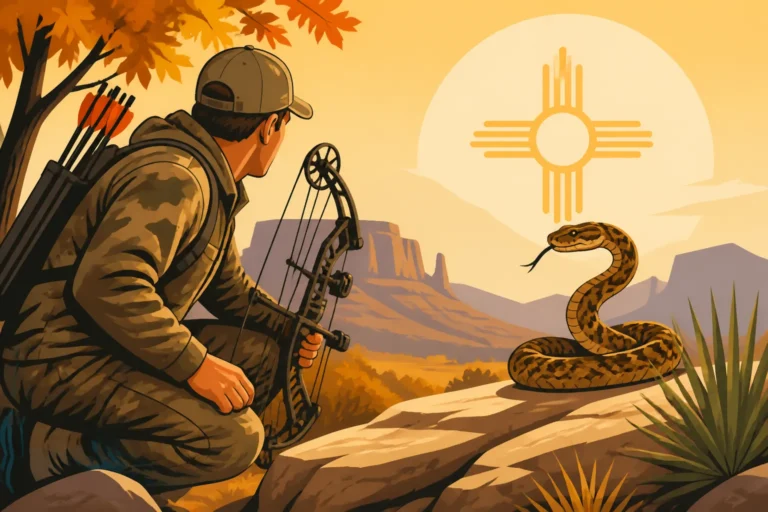
Archery Equipment: Traditional bows, recurves, and compound bows are all generally allowed. However, there are strict rules regarding draw weight and broadhead types. For big game, there's usually a Minimum Bow Draw Weight for Big Game to ensure sufficient kinetic energy for a humane kill. Broadheads must be fixed-blade or mechanical designs that meet specific cutting diameter requirements. Expandable broadheads are usually legal, but again, always consult the current regulations for any specific limitations. Understanding Broadhead Requirements for Bowhunting is non-negotiable before you head into the field. Crossbows, while sometimes legal in other seasons for specific demographics or under certain conditions, are generally not considered primitive weapons for these designated hunts, so always verify their legality for Unit 15.
The Exclusion of Modern Firearms
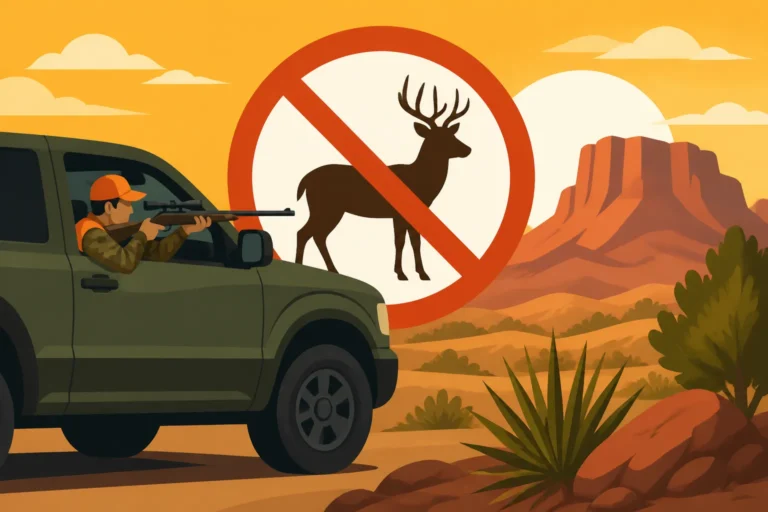
What's not allowed in Unit 15's primitive weapon seasons is just as important as what is. This unit is specifically closed to "any legal weapon" hunts, which means no modern centerfire rifles, shotguns (unless specifically for small game, outside of big game season), or handguns typically used for big game.
This exclusion is where the primitive designation truly makes its mark. Hunters cannot rely on the extended range, rapid reloading, or pinpoint accuracy often associated with modern firearms equipped with high-powered optics. This shift in weaponry fundamentally changes the dynamics of the hunt, forcing hunters to get significantly closer to their quarry, improve their stalking skills, and often spend more time observing and patterning animals. For hunters used to longer shots, this might require a complete shift in strategy and practice routines. Before applying, it's wise to review the various hunt codes and unit specifics, which you can easily find by Reading a New Mexico Hunt Code Before You Apply on the New Mexico Game and Fish website or through robust scouting platforms.
Hunting the Gila Wilderness with Primitive Methods
Stepping into Unit 15 with a primitive weapon isn't just a gear swap; it's a commitment to a different style of hunting entirely. This unit, deeply embedded in the Gila National Forest and its wilderness areas, demands a higher level of preparation, physical stamina, and mental fortitude. It's a place where the landscape itself becomes a major player in the hunt, dictating tactics and demanding respect.
The terrain in Unit 15 is notoriously rugged – steep canyons, thick timber, and elevation changes that can quickly wear you down. This isn't a drive-and-shoot area; it's a walk-in, pack-out experience. The primitive weapon restriction amplifies these challenges, pushing hunters to refine their traditional hunting skills and embrace the wilderness in its rawest form. Using mapping tools, perhaps from platforms like GoHunt, you can e-scout extensively to understand the topography, water sources, and potential bedding areas before you ever set foot on the ground, which is a crucial first step for any hunter going after big game in the Gila.
The Advantage and Disadvantage of Primitive
Hunting with primitive weapons presents a unique duality of advantages and disadvantages, shaping the entire experience.
Advantages:
- Reduced Hunter Pressure (Sometimes): While Unit 15 is popular, the primitive weapon restriction naturally weeds out many hunters, often leading to a more solitary experience compared to "any legal weapon" hunts in other units. This can mean less competition for prime hunting grounds.
- Enhanced Skill Development: It forces you to become a better hunter. Stalking, tracking, wind reading, and understanding animal behavior become paramount when you need to get within bow or muzzleloader range. There's a profound satisfaction that comes from closing the distance on a wary animal using only your wits and woodsmanship.
- True Wilderness Immersion: The primitive nature aligns perfectly with the wilderness environment. It's an opportunity to truly disconnect and experience hunting as it was for generations, fostering a deeper respect for the land and the animals.
Disadvantages:
- Limited Range: Your effective range with a muzzleloader or archery equipment is significantly shorter than with a modern rifle. This means more difficult stalks, fewer shot opportunities, and a higher chance of a missed opportunity due to an animal slipping away before you can get close enough. Knowing How Close a Bowhunter Needs to Get on Elk becomes absolutely critical in this terrain.
- Increased Physical Demands: Getting close to game in rugged terrain requires immense physical conditioning. You'll be covering more ground, often at higher elevations, packing heavy gear, and potentially hauling out game for miles. Altitude Preparation for a Gila Elk Hunt is not just a suggestion, it's a requirement for success and safety.
- Fewer Second Chances: With a single-shot muzzleloader or an archery setup, a missed shot often means the hunt is over for that particular animal. There's no quick follow-up, demanding extreme shot discipline and confidence.
Planning and Preparation for a Unit 15 Hunt
Success in Unit 15, especially with primitive weapons, hinges on meticulous planning and preparation. This isn't a hunt you can walk into casually; it requires dedication long before opening day.
- Extensive E-Scouting and Research: Start months in advance. Use satellite imagery, topographical maps, and public land overlays to identify potential bedding areas, water sources, travel corridors, and access points. Platforms like GoHunt can provide detailed unit information, harvest statistics, and draw odds, helping you make informed decisions about where and when to focus your efforts. Understanding the terrain and how elk or deer will use it is key, especially considering Hunting New Mexico From 4,000 Feet to 10,000 feet of elevation found in the Gila.
- Physical Conditioning: The Gila Wilderness is steep, rocky, and unforgiving. You'll be hiking at elevation, often with a heavy pack. Incorporate cardio, strength training, and incline hiking into your routine. The better shape you're in, the more effectively you can hunt and the safer you'll be.
- Weapon Proficiency: Practice, practice, practice. Become intimately familiar with your muzzleloader or bow. Understand its capabilities and limitations. Practice shooting from various positions you'd encounter in the field – uphill, downhill, kneeling, standing. Ensure your muzzleloader is sighted in perfectly, or your bow is tuned, and you can consistently hit your target at your maximum ethical range.
- Gear Selection: Every ounce matters when you're packing into the Gila. Invest in lightweight, durable gear: a comfortable pack, quality boots, layering clothing for extreme temperature swings, and reliable navigation tools. Don't forget water filtration and emergency supplies. For any hunter, utilizing robust E-Scouting a New Mexico Unit Before the Season tools will be a game changer, helping identify critical terrain features and access points.
- Understanding Regulations: Always carry the current New Mexico Hunting Rules and Information booklet. Be intimately familiar with legal shooting hours, blaze orange requirements, and tagging procedures. Ignorance of the law is not an excuse.
By approaching a Unit 15 hunt with this level of commitment, you'll not only increase your chances of success but also gain a profound appreciation for the primitive hunting experience.
Species and Opportunities in Unit 15
While the primitive weapon restriction defines how you hunt Unit 15, the incredible wildlife within its boundaries defines what you can hunt. This unit is widely regarded as one of New Mexico's premier big game destinations, particularly for elk, offering challenging yet rewarding opportunities for the dedicated primitive weapons hunter. The vastness of New Mexico's Gila National Forest for Elk Hunters alone is a testament to the potential found here.
The unique combination of rugged wilderness and abundant game makes Unit 15 a bucket-list destination for many. Hunters here are not just seeking an animal; they are seeking an experience, one where the landscape and the challenge are as much a trophy as the harvest itself. Before you even apply, a deep dive into regulations and unit data, which you can often find compiled on sites like GoHunt, will clarify the nuances of primitive weapon seasons and help you pinpoint the best hunt codes for your target species.
New Mexico's Finest Elk Country
Unit 15 is, without a doubt, a mecca for elk hunting in New Mexico. It's regularly cited as having some of the highest quality bulls in the state, and its challenging terrain and primitive weapon status contribute to the animals' ability to reach maturity. If you're looking for a chance at a true trophy bull, and you're willing to put in the work, Unit 15 offers outstanding opportunities. Many believe that Why Unit 15 Is Called the Finest in the Gila is due to a combination of factors, including its wilderness designation and excellent habitat.
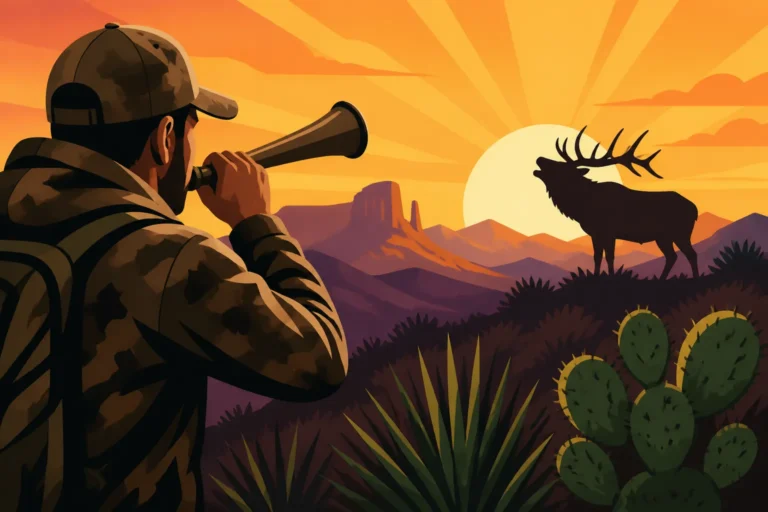
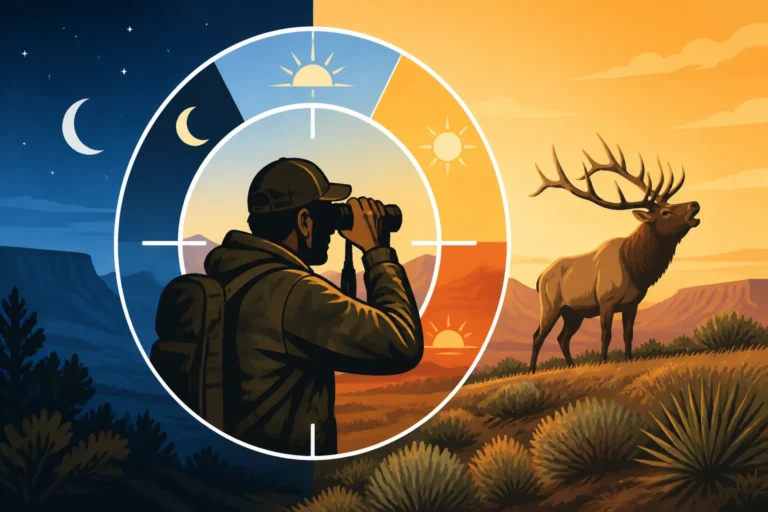
The elk herds in Unit 15 thrive in the diverse habitat, from the dark timbered ridges to the open parks and spring-fed canyons. During the archery and muzzleloader seasons, the bugling can be intense, offering thrilling close-range encounters for those who can navigate the terrain quietly and effectively. Spotting elk in this country often involves long hours glassing distant hillsides and deep canyon bottoms, a skill refined through experience and good optics. Finding fresh sign and understanding seasonal movements are paramount for success.
Mule Deer and Other Big Game
While elk often steal the spotlight in Unit 15, the unit also holds a healthy population of mule deer. These desert and mountain dwellers are equally challenging to hunt with primitive weapons, often requiring extensive tracking and stalking through their broken, brushy habitat. Finding a mature mule deer buck here is a testament to a hunter's skill, especially given their keen senses and ability to disappear into seemingly sparse cover.
Beyond elk and mule deer, hunters might also find opportunities for black bear and mountain lion, which share the same wild landscapes. However, primitive weapon regulations specifically apply to the big game species designated for those particular seasons. Always verify the legal methods for each species you intend to pursue. The overall ruggedness of the unit means that any animal harvested here will have been hard-earned, making the reward all the sweeter. Understanding the terrain and animal movements is key, and tools offered by GoHunt can aid significantly in this preparation, helping you scout and plan your approach effectively.
Primitive Weapons Comparison
To help you visualize the distinctions, here's a quick comparison of the common primitive weapon types legal in New Mexico's designated units:
| Weapon Type | Ignition/Mechanism | Sighting | Typical Range (Ethical) | Key Features/Restrictions |
|---|---|---|---|---|
| Muzzleloader | Flintlock, Percussion Cap, Musket Cap | Open/Iron/Peep | 50-150 yards | Single shot, front-loading powder/projectile, no scopes for primitive season, specific caliber minimums. |
| Compound Bow | Mechanical (pulleys/cams) | Pin/Fiber Optic | 20-60 yards | Requires minimum draw weight, specific broadhead types (fixed or expandable). |
| Recurve Bow | Traditional (single limb) | Instinctive | 10-40 yards | Requires minimum draw weight, specific broadhead types. More challenging to master. |
| Longbow | Traditional (single limb) | Instinctive | 10-30 yards | Requires minimum draw weight, specific broadhead types. Most traditional archery method. |
Note: Always consult the current New Mexico Hunting Rules & Information booklet for the most up-to-date and specific regulations for any given season or unit.
Disclaimer
The information provided in this guide is for general informational purposes only and does not constitute legal advice. Hunting regulations in New Mexico are subject to change. It is the hunter's sole responsibility to consult the most current New Mexico Department of Game and Fish regulations, proclamations, and any applicable federal land management rules before planning or embarking on a hunt. Always ensure you are in full compliance with all local, state, and federal laws.