Hound Rules for Mountain Lion Hunting
Hunting mountain lions with hounds in New Mexico is a truly specialized pursuit, offering an intense challenge that tests both hunter and canine. But let's be real, the regulations surrounding this method can feel like a labyrinth, leaving many experienced hunters scratching their heads about what's legal, what's ethical, and how to stay on the right side of the law. This guide is here to untangle those complexities, giving you a clear, comprehensive breakdown of everything you need to know about using hounds for mountain lion hunting in the Land of Enchantment.
The Foundation: New Mexico's Mountain Lion Hunting Framework
Before we dive into the nitty-gritty of hound rules, it’s crucial to understand the broader context of mountain lion hunting in New Mexico. This isn't just about turning the dogs loose; it's about managing a unique and powerful predator population while adhering to state conservation goals. Mountain lions, or cougars, are an integral part of New Mexico's ecosystem, and hunting them with hounds is a time-honored tradition for many, but one that comes with significant responsibilities.
Season Structure and Harvest Limits
New Mexico manages its mountain lion population through a system of hunt zones and harvest limits, which can fluctuate based on biological data and management objectives. Unlike some other big game species, cougar seasons are generally very long, often running for many months, but they are critically tied to harvest quotas within specific zones. You need to be incredibly vigilant about checking the current year's proclamation because these quotas can close a zone immediately once met. Missing this detail could put you in a tough spot if you're out chasing a cat when the season unexpectedly shuts down. The state is divided into various zones, each with its own total harvest quota and often, a female-specific quota to protect breeding populations. Understanding these zones and their respective limits is your first step. For a deeper dive into the overall regulations, consider looking at the New Mexico Cougar Season and Zone Limits to make sure you're up-to-date.
Why Hounds are Often Used for Mountain Lions
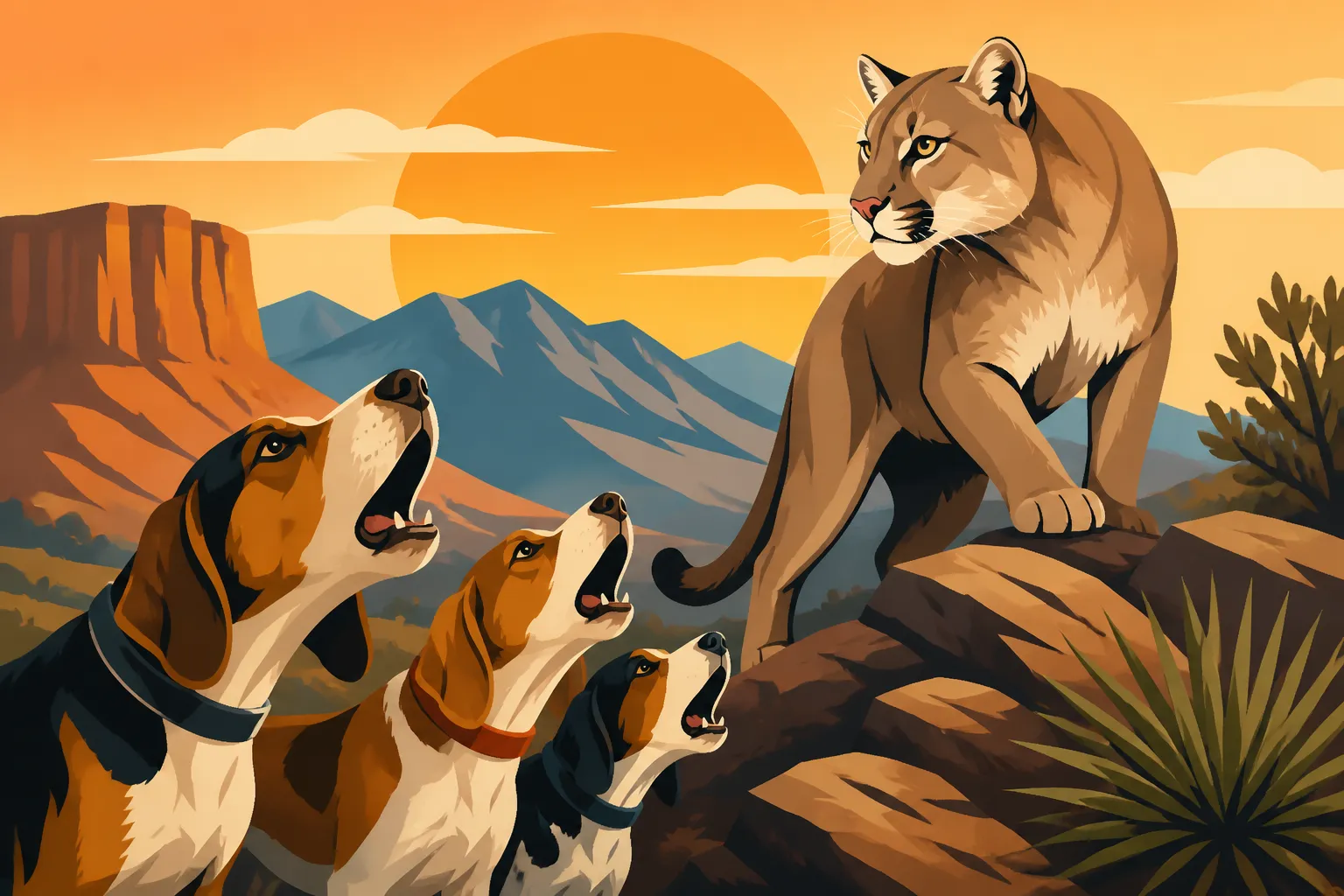
Hunting a mountain lion without hounds is an incredibly difficult endeavor, often compared to trying to find a ghost in the wilderness. These apex predators are solitary, incredibly stealthy, and masters of camouflage, covering vast territories and moving silently through rugged terrain. This is why using trained hounds has become the most effective and, for many, the traditional method for pursuing them. Hounds possess an olfactory advantage and a relentless drive that allows them to track a cat's scent, even hours after it has passed, eventually "treeing" or "baying" the lion, providing the hunter with an opportunity to ethically harvest the animal. This method is not just about pursuit; it’s about a deep understanding of dog behavior, tracking, and the unique challenges of the landscape. It’s also often preferred by game managers for its selectivity, allowing hunters to confirm the animal's sex and health before making a harvest decision, which is much harder to do with other hunting methods.
Navigating the Specifics: Hound Regulations in New Mexico
Now, let's get into the heart of the matter: the specific rules governing the use of hounds for mountain lion hunting in New Mexico. These aren't just suggestions; they are legal requirements designed to ensure fair chase, public safety, and responsible wildlife management. Disregarding them can lead to severe penalties, including fines, license revocation, and even criminal charges.
Collar Requirements and Identification
One of the most fundamental rules for any hound hunting in New Mexico is ensuring your dogs are properly identified. Every dog used for hunting mountain lions must wear a collar that clearly displays the owner’s name and phone number. This isn't just a suggestion; it’s a non-negotiable requirement. Think of it as your dog's personal ID in the wilderness. This helps immensely if a dog gets separated from the pack or strays onto private land. Furthermore, many hound hunters utilize GPS-enabled collars, like those from Garmin or Alpha, which are invaluable for tracking dogs across vast, remote terrains, especially in deep canyons or dense timber where direct line of sight is impossible. While GPS collars aren't mandated by the state, they are highly recommended for responsible hound management and retrieving your dogs safely. Imagine your pack hot on a track through the Mogollon Mountains; a lost dog is a dangerous situation for both the animal and the public, making clear identification and tracking technology critical.
Pack Size Limits and Legal Use
New Mexico has specific regulations regarding the number of hounds you can use when hunting mountain lions. For cougar hunting, you are typically restricted to using no more than three dogs at any one time per hunter actively engaged in the chase. This limitation is in place to prevent over-harassment of the animal and to maintain a fair chase standard. It also helps in managing the dogs and ensuring the hunter can effectively control the pack. Exceeding this limit is a violation. It's important to remember that this refers to the number of dogs actively pursuing the animal, not necessarily the total number of dogs you might have in your vehicle or camp. This rule ensures that a small, effective pack is used, rather than an overwhelming number of dogs. It’s a delicate balance of providing an effective hunting method while still giving the lion a fighting chance and minimizing stress.
Preventing Conflicts and Trespassing
Responsible hound hunting goes beyond just the pursuit of the game; it involves careful management of your dogs to prevent conflicts with other hunters, landowners, and non-game wildlife. New Mexico law explicitly prohibits hounds from pursuing or harassing any big game animal other than the species for which you are legally licensed to hunt. This means if your hounds start tracking an elk or a mule deer, you must call them off immediately. It’s not just about what you’re hunting; it’s about respecting all wildlife.
Additionally, trespassing is a major concern. If your hounds cross onto private land, you cannot follow them without the express written permission of the landowner. This is a critical point that can lead to significant legal trouble if ignored. It's often a challenge in New Mexico, where public and private lands are often a checkerboard, making detailed e-scouting with tools like GoHunt invaluable for understanding land ownership boundaries before you even release your dogs. Always have your permissions sorted before you hunt near private holdings, and be prepared to retrieve your dogs from boundaries if they cross over. Getting Written Permission Requirements in New Mexico squared away can save you a lot of headache and maintain positive relationships with landowners, which is vital for all hunters.
Beyond the Letter of the Law: Ethical Hound Hunting Practices
While legal regulations provide the framework, ethical considerations are the bedrock of responsible hound hunting. It's about upholding the spirit of fair chase, demonstrating respect for the animal, and ensuring that the activity reflects positively on all hunters. Hound hunting for mountain lions often draws scrutiny from the public, so maintaining the highest ethical standards is paramount.
Fair Chase Principles
The principle of fair chase is central to ethical hunting, and it applies unequivocally to hound hunting. This means ensuring that the mountain lion has a reasonable chance to escape and that the hunt is not unduly facilitated by unfair advantages. For hound hunters, this translates to specific behaviors:
- Minimizing Stress: While the chase itself is stressful for the lion, ethical hunters aim to keep the pursuit as short and efficient as possible once the animal is treed or bayed. Prolonged baying or unnecessarily letting dogs harass a treed animal for extended periods is unethical and can be viewed negatively.
- Prompt Harvest: Once a lion is treed or cornered, the hunter's responsibility is to make a clean, humane shot as quickly as possible, or to call off the dogs and release the animal if it's not the desired quarry (e.g., a small female when seeking a mature tom). This minimizes the animal's suffering and the impact of the hunt.
- Respect for the Animal: This extends to the handling of the harvested animal. Taking trophy photos is common, but ensuring the animal is treated with dignity and respect throughout the process is critical. There's a fine line between celebration and disrespect, and ethical hunters always err on the side of respect.
Responsible Hound Management
Your hounds are your partners, and their well-being and responsible management are integral to ethical hunting. This includes:
- Training and Control: Hounds should be well-trained to respond to commands, especially to be called off a track. This control is vital for preventing them from chasing non-target species or wandering onto private land. Proper training ensures the dogs are fit for the rigorous demands of mountain lion hunting, often traversing Hunting New Mexico From 4,000 Feet to 10,000 feet in elevation, requiring excellent physical condition.
- Physical Conditioning: Just like you need to be in shape for a demanding hunt, your dogs do too. They should be physically conditioned for the strenuous activity of tracking through rough terrain, ensuring they don't get injured or exhausted. A tired dog is more prone to getting lost or injured.
- Veterinary Care: Regular veterinary care, including vaccinations and parasite control, is essential for the health of your pack and for preventing the spread of diseases to wildlife.
- Retrieval: Always make every effort to retrieve your dogs. Losing a hound is not only heartbreaking but can pose a risk to local wildlife if the dog is left to roam and hunt without supervision. Reliable GPS tracking, as mentioned earlier, is a key tool here.
Public Perception and Respect for Others
Hound hunting can be a polarizing topic, and it's essential for practitioners to be ambassadors for the sport. This means:
- Minimizing Disturbance: Be mindful of other outdoor users. If you're hunting in an area frequented by hikers, campers, or other hunters, try to minimize the noise and visual impact of your operation. Not everyone understands or appreciates hound hunting, and being respectful goes a long way.
- Transparency: Be open and willing to explain your methods to curious or concerned individuals. Education can bridge gaps in understanding.
- Adherence to All Rules: Consistently follow all legal and ethical guidelines. One hunter's lapse in judgment can unfortunately cast a shadow on the entire hound hunting community. Utilizing reliable resources like GoHunt to double-check regulations can help ensure you're always operating within the legal framework.
Permits, Reporting, and Responsibility: Your Obligation After the Chase
After a successful pursuit and harvest, your responsibilities as a mountain lion hunter are far from over. There are critical legal requirements regarding licensing, tagging, and reporting that must be followed diligently. These steps ensure that the state can accurately monitor harvest numbers, manage the population sustainably, and maintain the integrity of the hunting system.
Necessary Licenses and Tags
To legally hunt mountain lions in New Mexico, you'll need a few key documents:
- New Mexico Game Hunting License: This is your foundational license, required for any big game hunting in the state. Without it, nothing else matters.
- Cougar License/Tag: In addition to your general hunting license, you must possess a specific cougar license or tag. These tags are often available over-the-counter or through a draw, depending on the specific zone and year. Always check the current year's proclamation carefully. It’s imperative to have this tag in your possession before you head out to hunt.
- Habitat Management and Access Validation (HMAV) and Habitat Stamp: If you plan to hunt on federal lands, you'll also need these. The HMAV is required for anyone hunting big game on any public land in New Mexico, while the Habitat Stamp is specifically for federal lands like National Forests or BLM acreage. Make sure you understand When a New Mexico Habitat Stamp Is Required for your hunting area.
Always verify the current fee structure and requirements, as these can change. For non-residents, these costs can add up, so planning ahead is key.
Mandatory Harvest Reporting
One of the most critical responsibilities after harvesting a mountain lion in New Mexico is mandatory reporting. This is non-negotiable and essential for the New Mexico Department of Game and Fish (NMDGF) to manage the species effectively.
- Check-In Deadline: You must check in your harvested mountain lion with an NMDGF representative within 48 hours of killing the animal. This check-in typically requires you to bring the entire carcass, or at least the head and hide with evidence of sex naturally attached, to a designated NMDGF office or to coordinate with a conservation officer. This allows biologists to collect crucial data, such as sex, age, and general health indicators, which informs future management decisions.
- Pelt Tagging: During the check-in process, the NMDGF will also affix a special pelt tag to the hide. This tag is unique to that animal and verifies its legal harvest. You cannot sell, transfer, or transport the hide without this tag. Understanding New Mexico Cougar Pelt Tagging Requirements is crucial, especially if you plan to get your trophy taxidermied or tanned. Failure to properly tag the pelt can lead to legal issues.
This reporting process isn't just a bureaucratic hurdle; it’s a vital part of conservation. Accurate harvest data helps the NMDGF understand population trends, set appropriate quotas, and ensure that mountain lion hunting remains a sustainable activity for generations to come. Skipping this step undermines everyone's efforts.
Evidence of Sex Requirements
When checking in your harvested mountain lion, you must present the carcass with evidence of sex naturally attached. This usually means the penis sheath for males or the vulva for females must remain attached to the hide. This allows the NMDGF official to positively identify the sex of the animal. This is particularly important given that many hunt zones have specific female harvest quotas designed to protect the breeding population. Violating this rule can result in significant penalties, as it hampers the state's ability to monitor and manage the species effectively. Always ensure that when you field dress and prepare your animal, you leave the necessary anatomical features intact for inspection. This attention to detail is part of the overall responsibility that comes with a successful mountain lion hunt.
Here's a quick reference guide to some key hound-specific regulations for mountain lion hunting in New Mexico:
| Regulation Area | Specific New Mexico Rule | Notes |
|---|---|---|
| Hound Identification | Each dog must wear a collar with owner's name and phone number. | GPS collars are highly recommended but not mandated. |
| Pack Size Limit | Maximum of three (3) dogs per hunter actively pursuing a lion. | Ensures fair chase and hunter control; applies to active chase. |
| Target Species | Hounds may only pursue mountain lions during cougar season. | Must call off dogs if they chase other big game. |
| Trespass Rule | Cannot follow hounds onto private land without written permission. | Critical for landowner relations and legal compliance. |
| Harvest Reporting | Mandatory check-in of carcass (head/hide w/ sex evidence) within 48 hours. | Essential for biological data collection and pelt tagging. |
| Pelt Tagging | NMDGF issues a unique pelt tag at check-in. | Required for legal transport, sale, or taxidermy of the hide. |
Disclaimer
Please note: The information provided in this guide is intended for general informational purposes only and may not cover every specific regulation or nuance. Hunting regulations can change frequently. It is the individual hunter's responsibility to consult the most current New Mexico Department of Game and Fish hunting proclamation and laws before engaging in any hunting activity. Failure to do so can result in penalties. Always prioritize safety, ethical conduct, and compliance with all applicable laws.