Locator Bugles for Finding Bulls at Dawn
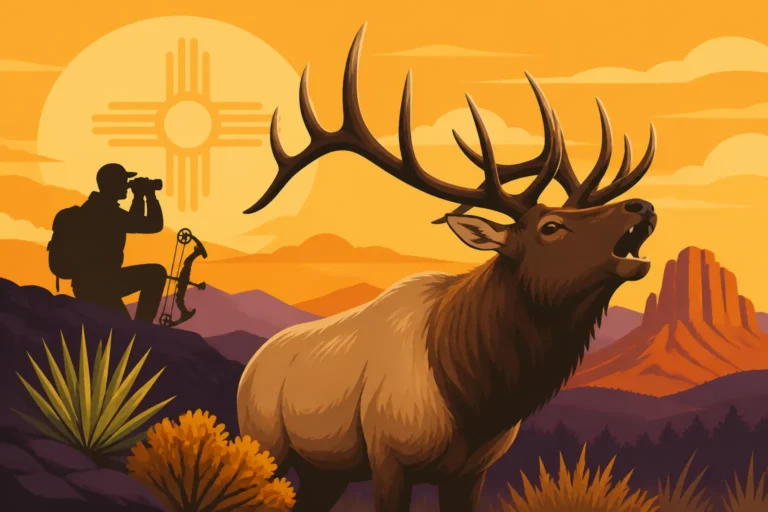
There’s nothing quite like the crisp air of a New Mexico high-country morning, especially when you’re out chasing elk. But that quiet beauty can quickly turn frustrating when you’re trying to locate those elusive bulls that seem to vanish with the rising sun. Many of us have hiked for miles, hoping to stumble into a herd, only to realize we've been walking in the wrong direction. This guide is all about honing a critical skill: using locator bugles effectively at dawn to pinpoint those big bulls and give you a real chance at an early morning encounter.
The Purpose and Power of the Locator Bugle
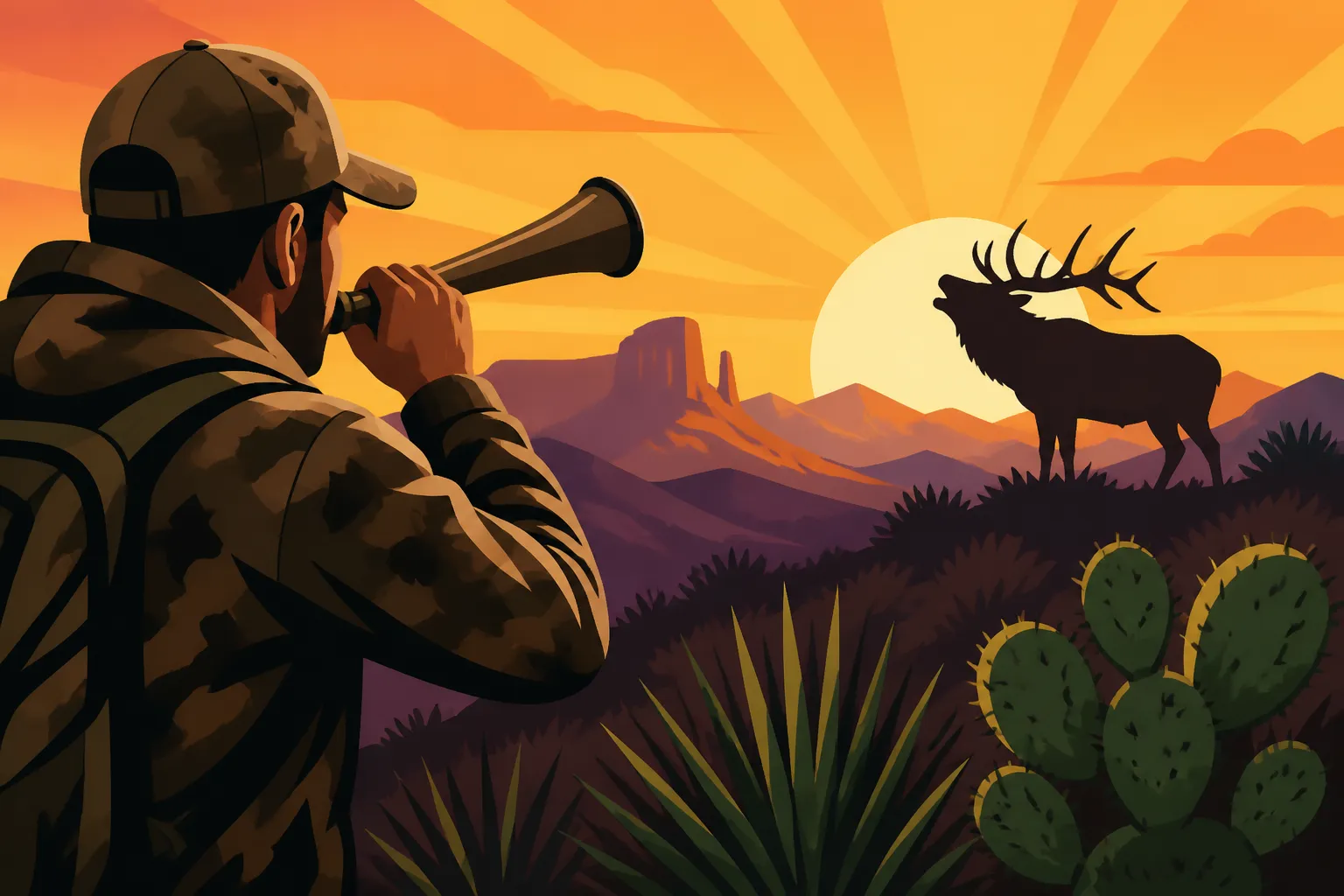
Locator bugles are a fundamental tool in an elk hunter's arsenal, especially during the early light of dawn. They aren't meant to call a bull directly into your lap like a full bugle sequence might later in the day. Instead, they serve a more subtle, yet equally powerful, purpose: to get an elk to respond to you, revealing his location without him necessarily committing to move your way. It’s like a quick "hello, is anyone home?" in the vast wilderness.
Why Bulls Respond to a Locator Bugle
Elk, especially mature bulls, are highly territorial and curious. A locator bugle taps into these primal instincts. When a bull hears another bull's call early in the morning, before the day's routine fully kicks in, he often feels compelled to respond. It’s a challenge, a declaration of presence, or even just a question.
Consider a bull bedded down after a long night of chasing cows. He's tired, but his ears are still tuned to his surroundings. A short, sharp locator bugle can trigger an immediate, guttural response. He might not get up and walk toward you, but he'll let you know he’s there. This minimal investment from the bull is exactly what you're looking for. It's less about sparking a full-blown fight and more about identifying who's in the neighborhood. This is crucial for hunters, particularly during the early archery seasons in units like New Mexico’s Gila, where bulls are actively looking to assert dominance but might be wary of direct confrontation until the rut truly heats up. Understanding the nuances of Bugle Timing Through New Mexico's Rut can really help you anticipate how and when bulls are most likely to respond.
The Ideal Conditions for Locator Bugling
The absolute best time for locator bugling is that magical window right at dawn, extending into the first hour or so of daylight. Why? Because the air is generally still, and sound carries exceptionally well. This is when elk are often still grouped up or moving from feeding areas to bedding locations. The cool, calm air allows your bugle to travel further and with less distortion, increasing your chances of getting a response from a distant bull.
Weather plays a significant role, too. Cold, calm mornings with a temperature inversion (where cooler air is trapped near the ground by a layer of warmer air above it) can be phenomenal. Sound gets "channeled" along the ground, carrying for incredible distances. Conversely, windy conditions or heavy rain can significantly dampen sound travel, making locator bugles much less effective. Always be mindful of the wind direction; you never want to give away your scent while attempting to locate. Knowing how to Reading Wind in a Deep Gila Canyon can be a game-changer when trying to sneak in on a located bull.
Terrain is another critical factor. Locator bugling is most effective when you’re positioned on a ridge, knob, or other high point that allows your sound to project across canyons, basins, and timbered draws. This elevated position also puts you in a better spot to hear distant responses that might otherwise be swallowed by the landscape. Think about the big, broken country of Units 16A or 16D in the Gila, or the rugged terrain of the Carson National Forest. Finding a strategic point with good acoustics and visibility is paramount.
Mastering the Art of the Locator Bugle
Just owning a bugle tube isn't enough; knowing how to use it as a locator is a skill honed through practice and experience. It's about more than just making noise; it's about making the right noise at the right time.
Choosing the Right Call for the Job
There are countless elk calls on the market, but for locator bugling, simplicity and realism often win. You're not trying to mimic a full-blown herd bull challenge, but rather a more generic "I'm here" statement.
- Bugle Tubes: These are essential for projecting sound across long distances. Combined with a diaphragm or open-reed call, they allow you to create powerful, realistic bugles. The length and diameter of the tube affect tone and volume, so experiment to find one that feels comfortable and sounds good to you.
- Diaphragm Calls: Often favored by experienced callers, diaphragm calls offer hands-free operation and a wide range of realistic sounds, from soft cow chirps to aggressive bull bugles. For a locator, you want a diaphragm that can produce a crisp, high-pitched bugle with a good ring at the end.
- Open-Reed Calls: These are very user-friendly and can produce excellent locator bugles with a bit of practice. They are great for beginners and offer a lot of versatility.
The key isn't necessarily volume, but projection and tone. A sharp, clear, slightly higher-pitched bugle can often cut through the morning air better than a deep, guttural one when you're just trying to get a location. You want to sound like a bull, but not necessarily the biggest or most aggressive bull, just one letting his presence be known.
Techniques for Effective Locator Bugling at Dawn
Once you have your call, it's all about technique. Here’s how to maximize your chances of locating a bull:
- Start Early and Quietly: Get to your chosen high point well before first light. Settle in, get comfortable, and listen intently to the waking sounds of the forest. Often, you'll hear distant bugles naturally without calling at all. This is invaluable information.
- The First Call: Your first locator bugle should be made just as shooting light breaks. Don't go full throttle immediately. Start with a medium-volume, clear bugle. A good sequence might be a short, sharp grunt, followed by a higher-pitched whistle that tapers off. Pause for at least 5-10 minutes, listening intently.
- Listen, Listen, Listen: This is the most crucial part. After each bugle, become a statue. Cup your hands behind your ears to amplify distant sounds. Wait for even the faintest response. Sometimes a bull will barely whisper a reply, or he might just grunt.
- Vary Your Position (Slightly): If you're on a wide ridge, try moving 50-100 yards in one direction and bugling again, then move the other way. This can help triangulate the sound if you get a response, and sometimes a different projection angle will reach a bull previously blocked by terrain.
- Cadence and Volume: Don't hammer the bugle repeatedly. A good cadence is to call, listen for 5-10 minutes, call again, listen, and then perhaps move to a new location. Varying your volume can also be effective – sometimes a softer, more inquisitive bugle will elicit a response from a wary bull, while other times you need to really project to cut through thick timber.
- Combine with Glassing: While your ears are your primary tool, your eyes are just as important. Use quality binoculars or a spotting scope to scan distant hillsides, openings, and timber edges immediately after bugling. You might not hear a response, but a bull might stand up, shake his head, or even step into view. This is especially effective in more open country, like parts of the San Mateo Mountains or units with less dense timber. You can learn more about this by reading up on Best Time of Day to Glass for Elk and Glassing Benches and Parks for Elk.
When you use a powerful mapping app like GoHunt, you can really dial in these locations. Before you even set foot in the unit, you can be e-scouting, marking potential bugling knobs, and anticipating where sound will carry. This kind of preparation, also discussed in E-Scouting a New Mexico Unit Before the Season, is a massive advantage.
Reading the Responses and Planning Your Approach
Getting a response is just the first step. The real art lies in interpreting what that response means and deciding your next move. Every bugle, grunt, or chuckle from an elk tells a story.
Interpreting Different Bull Responses
Not all bugles are created equal, and understanding the nuances of an elk’s communication is key to success.
- Immediate, Strong Bugle: This is fantastic! An immediate, loud, and confident bugle often indicates a bull that is close, possibly alone or with a small group of cows, and feeling assertive. He’s telling you, "I'm here, and I'm not afraid." This might be a bull ready for a challenge or simply confirming his dominance.
- Distant, Faint Bugle: This means the bull is farther away, but he's still interested enough to respond. You've established a bearing, but a direct approach might be a long haul.
- Weak or Half-Hearted Bugle/Grunt: Sometimes a bull will let out a tired, raspy bugle, or just a deep grunt. This could indicate a satellite bull, a younger bull, or a bull that’s just not feeling very aggressive. It could also be a bull that’s bedded down and isn’t willing to put much energy into a response. Don’t dismiss these; they still give you a location.
- Multiple Bugles: If you hear several bulls responding, you’ve likely found a major herd. This is both exciting and challenging. You know where they are, but moving in on a large herd without being detected requires extreme stealth.
- Silence: Sometimes, you'll call, and hear nothing. This doesn't mean there are no elk. They might be call-shy, pressured, or simply not interested in responding. This is where your glassing efforts become even more important. A bull might quietly stand up and watch, or move away without making a sound. In areas with high pressure, like some public land units, bulls can become very adept at being silent. Learning how to identify Cow Calling Pressured Gila Bulls is another useful tactic in these situations.
Transitioning from Locator to Stalk or Setup
Once you've pinpointed a bull, the real work begins. Your next move depends entirely on the bull's response, the terrain, and the wind.
- The Aggressive Bull: If a bull is bugling back strongly and consistently, he might be willing to come in. This is when you transition from a locator bugle to a more aggressive calling sequence, often incorporating cow calls to make him think there’s a lone cow moving his way. If you have a hunting partner, this is an excellent time to use Two-Hunter Calling Setups That Actually Work, with one caller pulling the bull and the shooter moving into position.
- The Distant or Wary Bull: For a bull that’s far off or giving weak responses, a direct stalk might be your best bet. Keep the wind in your face or crosswind, and move slowly and deliberately. Use terrain features like draws, ridges, and timber to mask your approach. Pay close attention to Terrain That Hides an Approach at 10,000 Feet when moving through high country. Your goal is to get within bow range (often 40-60 yards for bowhunters, as covered in How Close a Bowhunter Needs to Get on Elk), or a comfortable rifle shot. This might mean hours of quiet movement.
- The Bedded Bull: If a bull gives a lazy grunt or a soft bugle from a known bedding area, he’s probably not moving. Your best option might be to set up downwind, and try to call him out of his bed with soft cow calls, or wait for him to move naturally. Patience is paramount here.
- The Multiple Bull Scenario: When you've located a large herd, you need to decide if you want to try to pull a satellite bull away or try to get close to the herd bull. Often, setting up on the fringes and using cow calls can draw in a younger bull that's trying to cut away a few cows.
Remember, dawn is fleeting. The morning thermals will soon start to shift, and the elk will typically move to their bedding areas. You need to act decisively, but carefully, to make the most of the short window.
Common Pitfalls and Advanced Tips
Even with the best intentions, things can go wrong. Understanding common mistakes and incorporating advanced tactics can significantly improve your locator bugling success.
Avoiding Over-Calling and Pressuring Bulls
One of the most common mistakes, especially for excited hunters, is over-calling. It’s easy to get carried away when a bull responds, but too much calling can quickly make a bull suspicious or simply turn him off.
- Less is More: With locator bugles, often one or two calls from a location are sufficient. You're not trying to engage in a bugling contest; you're just trying to get a ping. Once you have a response, it’s often best to stop calling and start moving, or set up for a different calling strategy.
- Reading the Room: If a bull stops responding, back off. Give him time. He might be moving, or he might have become aware of your presence. Pushing too hard on a quiet bull can send him running.
- Pressured Animals: In highly hunted areas, elk become incredibly wary. They learn to associate bugles with human presence. In these situations, silent approaches, careful glassing, and minimal calling are often more effective. This is particularly true if you are hunting units that see a lot of foot traffic or are easily accessible. Think about where New Mexico Elk Winter and the pressure they might face moving into spring and then hunting season.
Leveraging Technology for Locator Bugling Success
Modern hunting technology can be an incredible asset when used intelligently. It doesn’t replace woodsmanship, but it certainly enhances it.
- Mapping Apps: This is where something like GoHunt truly shines. Before you ever leave your truck, you can use satellite imagery and topographic maps to identify potential bugling points. Look for prominent ridges, isolated knobs, or fingers that extend into basins. These are natural sound amplifiers. You can mark these points, plan your routes, and check land ownership to ensure you're on public ground. This kind of detailed scouting is invaluable for planning your pre-dawn hike and knowing exactly where to position yourself.
- Wind Checkers: Small, portable wind meters or even simple milkweed fluff can be critical. Always know your wind direction, especially as the thermals start to shift with the rising sun. A favorable wind can quickly become a betrayer.
- Digital Rangefinders: Knowing the exact distance to a responding bull can help you decide if you need to close the gap further or if you're already in a good position.
By combining the wisdom of traditional woodsmanship with the power of modern tools, you create a much more effective strategy for locating and ultimately harvesting elk. Remember to always understand the New Mexico Elk Season Structure by Unit before planning your hunt, as specific regulations can vary.
Locator Bugle Response Guide
| Response Type | Bull's Likely Mood/Action | Recommended Hunter Action |
|---|---|---|
| Immediate, Strong | Assertive, close, potentially alone or with cows. Territorial. | Engage with aggressive cow calls/soft bugles, move in cautiously, set up. |
| Distant, Faint | Interested but far, possibly moving away or bedded. | Note direction, move silently and quickly to close distance, re-evaluate. |
| Weak Grunt/Chuckle | Wary, bedded, less aggressive, satellite bull. | Move downwind cautiously, try soft cow calls, consider a patient wait. |
| Multiple Bugles | Large herd nearby, active, potentially fighting or gathering. | Identify main herd direction, try to pull satellite bull, or plan careful stalk. |
| Silence/No Response | Call-shy, pressured, moving silently, or no elk present. | Glass intently, move to new location, switch to cow calls, or consider still-hunting. |
Disclaimer
Hunting is an inherently dangerous activity. Always prioritize safety, understand and follow all New Mexico Game and Fish regulations, and hunt ethically. This guide provides general information and should not replace proper hunter education, in-the-field experience, or professional guidance. Conditions in the field can change rapidly, and your judgment is always paramount.