Bugling Bulls Through New Mexico’s Mid-September Rut
There's nothing quite like the thrill of a bull elk screaming back at your call, especially when you're deep in the New Mexico backcountry during the heart of September. But let's be honest, those mid-September days can be frustrating. Bulls can be red-hot one minute and completely shut down the next, leaving you wondering if you're doing something wrong. This comprehensive guide is here to unravel the mysteries of bugling bulls through New Mexico's mid-September rut, giving you the insights and strategies you need to turn those silent moments into heart-pounding encounters.
Understanding the Mid-September Rut in New Mexico
The New Mexico elk rut is a wild, dynamic period, and mid-September sits right in the sweet spot for many units. It's when the big boys are usually on their feet, pushing cows, and laying down the law with other bulls. However, it's not a static event; understanding its nuances in New Mexico is key to success.
When the Rut Truly Peaks in New Mexico
While "mid-September" is a good general timeframe, the exact peak of the rut in New Mexico can vary slightly from year to year, and even from unit to unit. Generally, you'll find the most intense bugling and herd activity between September 10th and September 25th. This is when the majority of cows are coming into estrus, driving bulls into a frenzy. They're trying to gather as many cows as possible, defend their harems, and fend off challengers. The sound of bugling can echo through canyons and across mountain parks from before dawn until well after dark, making it an incredibly exciting time to be in the woods. However, it's not a switch that flips on and off; it's a gradual build-up and then a taper, with the most vocal and active periods occurring during that prime window.
Early in September, you might hear scattered bugles as bulls start to round up cows, but the full-blown, aggressive rut behavior usually hasn't kicked into high gear yet. As you push past the 25th, into late September, you'll often notice a decrease in overall bugling intensity. Some of the older, dominant bulls may have already bred their cows and are starting to become less responsive to challenges, moving into recovery mode. This doesn't mean the rut is over, but the peak frenzy has passed, and tactics might need to shift from aggressive bugling to more subtle cow calling.
How Terrain and Elevation Affect Rut Timing
New Mexico is a state of incredible diversity, from the high peaks of the Sangre de Cristos down to the desert lowlands. This variety in terrain and elevation plays a significant role in when and how the rut unfolds. In the higher elevation units, such as those found in the Carson National Forest or parts of the Gila Wilderness, the rut might start a few days earlier or be more intense due to cooler temperatures and earlier changes in vegetation. Elk at higher altitudes tend to respond more readily to calls as the crisp air carries sound further and cooler temperatures keep them more active throughout the day.
Conversely, in lower, hotter units, or those with more open country, the peak rut activity might be slightly delayed or more concentrated during the cooler parts of the day, like dawn and dusk. Heat can suppress elk movement and vocalization, making those morning and evening windows absolutely critical. Additionally, the type of terrain—dense timber versus open parks or deep canyons—will dictate how sound travels and how bulls perceive your calls. A bugle in a wide-open basin might carry for miles, but in a thick ponderosa stand, it might only carry a few hundred yards. Understanding these microclimates and their impact on elk behavior is just as important as knowing the calendar date.
What Makes Mid-September Different
Mid-September is unique because you often find a mix of behavior. You have the super-dominant herd bulls that are extremely territorial, surrounded by cows, and ready to fight any intruder. But you also have satellite bulls — younger, often aggressive bulls who are desperate to steal a cow or two from a larger harem. These satellite bulls can be incredibly vocal and sometimes easier to call in because they're on the fringes, constantly looking for an opportunity.
This blend of dominant and satellite activity means you need a versatile calling strategy. You can't just go in with one game plan. Sometimes, a screaming, aggressive challenge bugle is exactly what a herd bull wants to hear to come in and defend his territory. Other times, that same call might send him deeper into the timber, pushing his cows with him, while a stealthier, softer approach might entice a curious satellite bull. The weather also plays a huge role; a cold front can ignite bugling, while a warm spell can mute it. Being adaptable, constantly observing, and having a range of calls in your arsenal is what separates the successful hunters from those who just hear echoes.
The Art of the Locator Bugle
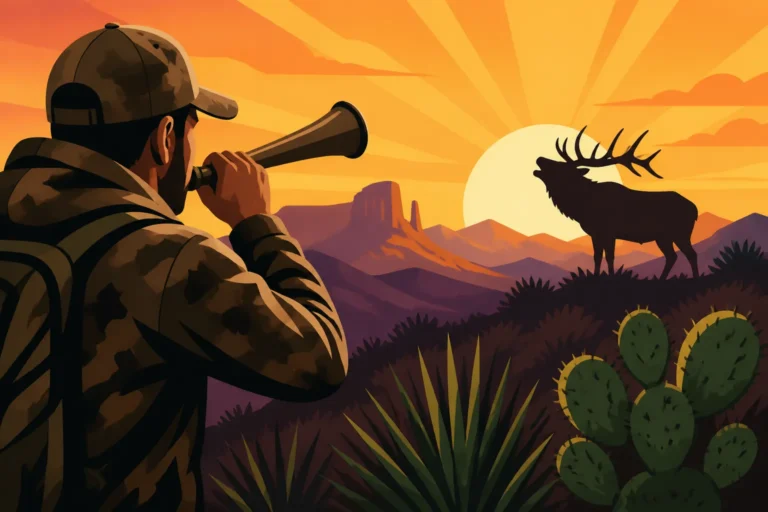
Before you can call a bull in, you have to find one. That's where the locator bugle comes in. It's not about being the loudest or the most aggressive; it's about being smart and strategic to pinpoint where the bulls are hanging out.
Sound Selection for Different Situations
When you let out a locator bugle, you're essentially shouting, "Is anyone home?" The type of bugle you use can influence the response you get. A standard, medium-volume bugle with a good growl at the end is often a safe bet. It's confident but not overly aggressive, mimicking a bull just announcing his presence. Sometimes, a high-pitched, excited bugle can spark a response from a bull who thinks there's a new kid on the block. Other times, a deeper, more guttural bugle can challenge an older, dominant bull to respond.
The key is to vary your calls. Don't hit the same exact note every time. If you get no response from one type of bugle, wait a few minutes and try a different one. You're trying to elicit a response, not immediately draw them in. Think of it as feeling out the landscape. You might even want to try a cow call as a locator sometimes, especially if you suspect bulls are pressured and shy away from other bull vocalizations. A simple cow mew can often get a soft grunt or chuckle back from a bull that's too wary to commit to a full bugle.
Strategic Bugle Placement and Frequency
Where and when you send out your locator bugles is critical. Early morning and late evening are prime times, as elk are generally more active and vocal. However, don't be afraid to try a locator mid-day if you're in good habitat. When choosing a spot, look for natural sound amplifiers like ridge lines, canyon edges, or open parks where sound can carry. Avoid calling from the bottom of a deep canyon where your sound might get swallowed.
As for frequency, patience is your best friend. Don't hammer the bugle tube every 30 seconds. A good rule of thumb is to call, then wait 5-10 minutes, listening intently for a response. Elk have incredible hearing, and they'll often respond very softly or move in silently. If you keep calling, you might miss their subtle replies or even walk past a bull that's trying to sneak in. Sometimes, waiting even longer, say 15-20 minutes, can pay off, as a bull might take his time to gather his thoughts or move to a more advantageous position before responding. This patient approach is especially useful in the Gila, where elk are often accustomed to heavy pressure. For more on this, check out Locator Bugles for Finding Bulls at Dawn.
Interpreting Responses and No-Responses
A bull's response (or lack thereof) tells you a lot. A strong, immediate bugle back usually means he's close, interested, and perhaps even challenging. If he responds with a chuckle or a grunt, he might be with cows and simply acknowledging your presence. A "no-response" doesn't always mean there are no elk. They might be there, but are silent, pressured, or simply not interested in responding to your type of call. In these situations, you might try moving to a new location, changing your call type, or switching to a quiet, stalk-and-listen approach.
Pay attention to the direction and volume of the response. If his bugle is getting louder, he's coming. If it's fading, he might be moving away or pushing his cows. If you get multiple bugles from different directions, you've hit a honey hole. If a bull consistently bugles back but doesn't move, he's "hung up," and you'll need to change your strategy. Understanding these subtle cues is a big part of the game and takes practice and experience.
Aggressive Calling Strategies for Hot Bulls
Once you've located a hot bull, sometimes the best approach is to get aggressive. This isn't for every situation or every bull, but when it works, it can be absolutely electric.
Mimicking a Challenge Bugle
When a bull is fired up and protecting his cows, a strong challenge bugle can be just the ticket. This isn't just a standard bugle; it's deeper, with more growl, and often punctuated with grunts and chuckles. You're trying to sound like a mature, confident bull who's coming in to steal his cows. Start with a medium-loud bugle, then listen. If he responds with an equally aggressive bugle, you're on the right track. Respond with another, perhaps even louder and more aggressive, especially if you hear him raking trees.
The goal is to convince him that a rival bull is moving in fast. Don't be afraid to add some cow calls and mews into your sequence. This makes the scenario even more believable: a bull with cows is trying to cut into his harem. Be mindful of the wind and thermals; an aggressive bugle can carry far, but it's useless if the bull winds you. Playing Thermals on a Canyon Stalk and Reading Wind in a Deep Gila Canyon are great resources to brush up on before attempting this.
The Raking and Thrashing Routine
Visual and auditory cues go a long way in convincing a bull. Raking a tree with a branch or your bugle tube can add an incredibly realistic element to your aggressive calling. This simulates a bull rubbing his antlers, asserting dominance, and relieving frustration. Find a dead sapling or a brushy patch, and really dig into it. Make some noise! Break a few branches. Combine this with aggressive bugles and grunts.
The thrashing routine is designed to make the bull believe a competitor is tearing up his territory right now. It can sometimes be the final trigger that causes a hung-up bull to commit and come charging in. Be careful not to overdo it or make it sound artificial. A few seconds of realistic raking, followed by a guttural growl and a cow call, can be incredibly effective. Remember, you're painting a picture with sound.
When to Push Hard and When to Hold Back
Knowing when to push hard with aggressive calling and when to pull back is an art. If a bull is bugling frequently, sounding agitated, and moving towards you, keep the pressure on. He's responding to the challenge, and you want to maintain that momentum. If he suddenly goes silent, or his bugles start to fade, you might have pushed too hard or he's moving off with his cows. In this case, back off the aggressive calls and perhaps switch to more subtle cow mews to see if you can pique his curiosity without threatening him.
You also need to assess the terrain. If you're in thick timber and the bull sounds close, you can be very aggressive because he won't be able to see you easily, and the cover provides security. In more open country, too much aggressive calling can cause him to circle downwind or hang up at a distance, trying to get a visual before committing. Always be ready to adapt. The most successful callers are those who can quickly switch gears based on the bull's reactions and the environment.
Soft Calling and Cow Talk for Pressured Elk
Sometimes, the full-on bugle war just isn't working, especially with elk that have heard it all before or are feeling pressured. This is where mastering soft calling and cow talk becomes invaluable.
Mastering the Cow Mews and Chirps
Cow mews are the bread and butter of subtle elk calling. These are the soft, pleading, inquisitive sounds that cows make to each other, to calves, or when they're looking for a bull. They're non-threatening and can often pique the curiosity of a bull who's wary of other bulls. Practice a variety of mews: short, soft contact mews; longer, drawn-out estrus mews; and even calf chirps.
The key with cow calling is to make it sound natural and unhurried. Don't call too loudly or too frequently. Think about what a real cow would do. She wouldn't be screaming every minute. A few well-placed mews, followed by a long period of silence, can often be more effective than a barrage of calls. These soft calls can draw a bull in close, making him think he's approaching a lone cow, or perhaps a small, unpressured group. For more specific tactics, check out Cow Calling Pressured Gila Bulls.
Incorporating Satellite Bull Sounds
Even when focusing on soft calling, don't forget the subtle sounds of a satellite bull. These aren't roaring challenges, but rather soft grunts, chuckles, or even quiet groans. These sounds suggest a less dominant bull, perhaps one on the fringe of a herd, quietly trying to round up a few cows. A dominant bull might not perceive this as a direct threat but rather as an annoyance he can easily chase off.
Mixing a few soft grunts with your cow mews creates a realistic scenario: a small group of cows with a less intimidating bull nearby. This can sometimes make a herd bull more likely to come in and investigate, thinking he can easily run off the smaller bull and add the cows to his harem. It's a psychological play, preying on his dominant instincts without a direct, head-on challenge that might send him running.
The Silent Approach with Minimal Calling
There are times, especially with heavily pressured elk or in dense timber, when the best calling strategy is almost no calling at all. This involves a silent approach, moving slowly and deliberately through the woods, stopping frequently to listen. Use soft cow mews only when you haven't heard anything for a while, or when you believe you're in a good spot and want to tempt a bull that might be close but silent.
This strategy requires immense patience and keen senses. You're relying on your ability to spot fresh sign, read the wind, and hear the subtle sounds of elk moving: a branch breaking, a soft grunt, or the rustle of leaves. When you do call, keep it to minimal, soft cow talk. You're trying to entice a bull to give away his position, or to slowly work his way in, thinking he's approaching an unalarmed cow. This method often works best when you're still hunting through good feeding or bedding areas where elk might be quiet but present.
Reading and Responding to Bull Behavior
Elk are constantly communicating, not just with their calls but with their body language and the way they move. Learning to "read the room" is paramount to successful calling.
Deciphering Bull Vocalizations
Beyond just loud or soft, every elk sound has meaning. A "bark" often signifies alarm or danger, usually followed by elk running for cover. A deep, guttural "chuckle" or "grunt" from a bull usually means he's with cows and asserting dominance, or challenging another bull. The intensity and duration of his bugle can tell you how excited or agitated he is. A series of short, choppy bugles might mean he's looking for cows or trying to round up stragglers.
Listening closely to the full sequence of a bull's vocalizations – from the initial bugle to the growls, grunts, and chuckles – gives you a much richer picture of his mood and intentions. Does he sound like he's pushing cows? Is he looking for a fight? Is he alone and lonely? Answering these questions on the fly allows you to tailor your response instantly. You'll want to mimic the sounds he's making if you're trying to challenge him, or offer a contrasting, non-threatening sound if you want to draw him in cautiously. Bugling Against Cow Calling in September dives deeper into this dynamic.
Body Language Cues to Watch For
Elk body language speaks volumes. If a bull bugles and then circles downwind, he's trying to get your scent. If he drops his head and begins raking a tree, he's asserting dominance and likely ready to engage. If he paces back and forth at a distance, bugling frequently but not committing, he's probably hung up and trying to get a visual or confirm your location without exposing himself.
Watch his ears; are they swiveling, trying to pinpoint sound? Is his head up, scanning the terrain? Look for cues from the cows, too. If the cows are nervous and looking intently in your direction, the bull is likely going to push them away. If they seem calm and curious, the bull might be more relaxed about approaching. These visual cues are just as important as the auditory ones, especially when the bull gets within sight.
Adjusting Your Strategy on the Fly
The ability to adjust your calling strategy instantly is a hallmark of a seasoned elk hunter. If your aggressive bugles are shutting a bull down, immediately switch to soft cow mews. If he's hung up and won't commit, try adding some raking sounds or sending a "shooter" (your hunting partner) forward while you stay back and call.
New Mexico elk are smart, and they've heard it all. A static calling strategy rarely works for long. Always be experimenting, listening, and observing. Is he getting closer or moving away? Is he responding to your challenge or ignoring it? Is he circling? Each piece of information should inform your next move. This constant re-evaluation and adaptation is what makes elk hunting so engaging and challenging. Consider using tools like GoHunt for e-scouting ahead of time, which can help you understand terrain and potential elk movements, allowing for quicker adjustments in the field.
Calling Setups That Actually Work
It's not just about what you call, but where you call from. Your setup can make or break an encounter, especially when a bull is committing to your calls.
The Two-Hunter Calling System
For bowhunters, the two-hunter calling setup is incredibly effective. One hunter (the shooter) positions themselves 50-80 yards ahead of the other hunter (the caller). The caller stays back, actively engaging the bull with bugles and cow calls, making the bull think the "rival" is closer to the caller. The bull will often focus on the sounds, trying to locate the source, and inadvertently walk right past the silent, waiting shooter.
This setup helps solve the "hung-up bull" problem because the bull is rarely looking directly at the shooter. The caller can provide constant feedback to the shooter through subtle hand signals about the bull's direction and proximity. It requires good communication, trust, and discipline from both partners. The shooter needs to be ready to draw and shoot quickly, while the caller needs to keep the bull focused. For a detailed guide on this, reference Two-Hunter Calling Setups That Actually Work.
Solo Hunter Strategies for Closing Distance
Hunting elk solo requires a different approach, as you have to be both the caller and the shooter. This means your calling has to be even more strategic. A common solo strategy is to use soft cow calls and minimal bugles, moving slowly through good habitat. You're trying to pique a bull's curiosity enough to get him to respond, then quickly close the distance before he figures out your single presence.
When a bull responds, try to get into a good shooting lane quickly. Call softly, mimicking a lone cow. If he bugles, respond with a subtle mew, then go silent for a few minutes. Let him come to you, but be ready to stalk in if he hangs up. The key is to minimize movement and maximize stealth. Use the terrain to your advantage, slipping from tree to tree, or using folds in the ground to cover your approach. Remember, a bowhunter needs to get How Close a Bowhunter Needs to Get on Elk, usually within 40-60 yards, so every step counts.
Positioning for Success in Different Cover
Your setup needs to adapt to the environment. In dense timber, you can be more aggressive with your calling and movement, as visibility is limited. However, you also need to ensure you have clear shooting lanes, as a bull can appear silently and quickly. Use natural cover to break up your outline and hide your movements.
In more open country, like meadows or burned areas, stealth is even more critical. Position yourself at the edge of the timber, using trees for cover, and call the bull into the open. Always be aware of the wind direction and thermals. Elk will almost always try to circle downwind to scent-check you, so anticipate their approach and position yourself accordingly. A slight rise or a cluster of pines can provide the perfect ambush point. Avoid setting up in wide-open areas where you're completely exposed.
Overcoming Common Calling Challenges
Every elk hunter has faced those frustrating moments when bulls don't do what you expect. It's part of the game, but there are strategies to overcome these common challenges.
Dealing with Hung-Up Bulls
Ah, the hung-up bull. He bugles, he sounds hot, he's close, but he just won't come the last 100 yards. This is a classic challenge. One common reason is that he's trying to get a visual on you, or he's circling to get your scent. If you're solo, try to get closer yourself, using quiet steps and natural cover, perhaps with very soft cow mews. Stop frequently to listen.
If you have a partner, the "shooter forward" strategy works wonders. The caller stays put, keeping the bull engaged, while the shooter slips silently toward the bugling bull, staying downwind. The bull's focus will remain on the original sound source, allowing the shooter to close the distance. Another tactic is to reduce the intensity of your calling, making him think the "rival" is moving off, which might entice him to come check it out. Sometimes, simply going completely silent for 10-15 minutes can make him nervous enough to come looking.
Strategies for Silent or Spooked Elk
A silent woods is incredibly frustrating during the rut. If bulls aren't responding to calls, they might be heavily pressured, or simply not in a vocal mood. Instead of constant calling, switch to a more patient, still-hunting approach. Move slowly through known bedding or feeding areas, stopping every 50-100 yards to listen for the faint sounds of elk: a rustle, a stomp, a snap of a twig. Use light cow mews occasionally, just enough to tempt a nearby bull without alarming him.
If you believe elk have been spooked, give the area a wide berth. Circle around, staying downwind, and approach from a different direction a few hours later, or even the next day. Sometimes, elk will go silent for a while after being bumped, only to resume their activities once they feel safe again. Remember, even silent elk leave signs: fresh tracks, droppings, rubs, and wallows. Follow these clues, and you might just stumble upon them before they hear you.
Handling Other Hunters' Interference
New Mexico's public lands can get busy during the rut, especially in prime units. Hearing other hunters calling, or even bumping into them, is a common issue. If you hear other hunters, try to determine their location and direction of travel. If they're moving towards you, you might need to adjust your path to avoid interference or, worse, safety hazards.
If a bull you're working starts bugling at another hunter's calls, you have a few options. You can try to mimic the other hunter's calls, creating a "three-way" scenario that might draw the bull into confusion. Or, you can change your strategy completely, going silent or using very soft cow calls to make the bull think he's heard the other "threat" leave. Sometimes, the best strategy is to simply move to a different area, especially if the pressure is high. Remember, other hunters are experiencing the same frustrations, so a friendly wave and a respectful chat can go a long way.
Essential Gear for a Mid-September Bugle Hunt
Success in the field isn't just about calling skills; it's also about having the right gear that stands up to the demands of a New Mexico elk hunt.
Call Types and When to Use Them
You'll want a variety of calls in your pack. A good diaphragm call is essential for hands-free bugling and cow calling. Practice with a few different reeds to find the sounds you like and can master. Pair this with a bugle tube to amplify your diaphragm calls and add the realistic growls and chuckles. Consider a smaller, lighter bugle tube for packing in deep.
Additionally, a mouth reed or external reed cow call can be very helpful, especially for soft mews and chirps, as they can sometimes produce a slightly different tone that might be more appealing to wary bulls. Lastly, don't forget a grunt tube or some way to mimic the aggressive grunts and chuckles that bulls make. Having a diverse selection allows you to adapt to any situation the elk throw at you.
Optics for Locating and Judging Bulls
New Mexico's diverse terrain, from open basins to dense timber, demands quality optics. A good pair of 10×42 or 12×50 binoculars are indispensable for glassing vast expanses, picking apart distant timber lines, and identifying elk movement. Look for binoculars with excellent low-light performance, as much of your elk activity will happen at dawn and dusk. For more open country, a spotting scope (like a 15-45x or 20-60x) is incredibly useful for judging bulls at extreme distances, saving you precious time and energy from stalking a smaller bull. Mount it on a sturdy tripod for stability.
When using your optics, practice Grid Glassing a Basin Without Missing Bucks which applies just as well to elk. Slowly scan the landscape, looking for ears, antler tips, or even just a patch of hide. The right optics can help you identify a bull long before he knows you're there, giving you the upper hand in planning your approach and calling sequence.
Clothing and Scent Control for Close Encounters
Mid-September in New Mexico can throw everything at you, from scorching mid-day sun to frosty mornings and sudden thunderstorms. Layering is crucial. Start with a moisture-wicking base layer, add an insulating mid-layer (fleece or puffy jacket), and top it with a quiet, waterproof/windproof outer shell. Choose clothing in natural earth tones or quality camouflage patterns that blend with the ponderosa, aspens, or desert scrub you'll encounter.
Scent control is non-negotiable for close-range bowhunting. Elk have an incredible sense of smell. Start with a scent-free shower and use scent-eliminating sprays on your clothes and gear. Store your hunting clothes in scent-proof bags. While you can never completely eliminate human odor, minimizing it gives you a fighting chance, especially when a bull tries to circle downwind. Always remember to check Layering for Gila Temperature Swings to ensure you are prepared for varying weather.
Disclaimer
Please note that hunting regulations, seasons, and licensing requirements can change. Always consult the most current New Mexico Department of Game and Fish regulations handbook before planning any hunt. This article provides general information and should not be considered legal advice.