Bugling Against Cow Calling in September
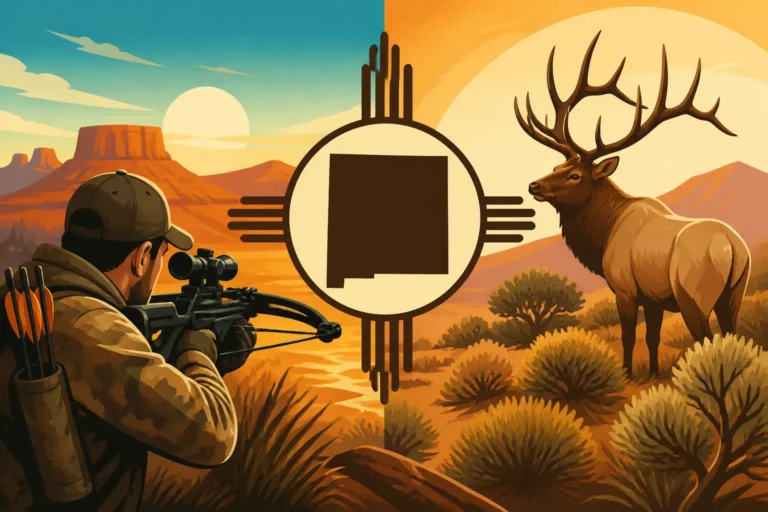
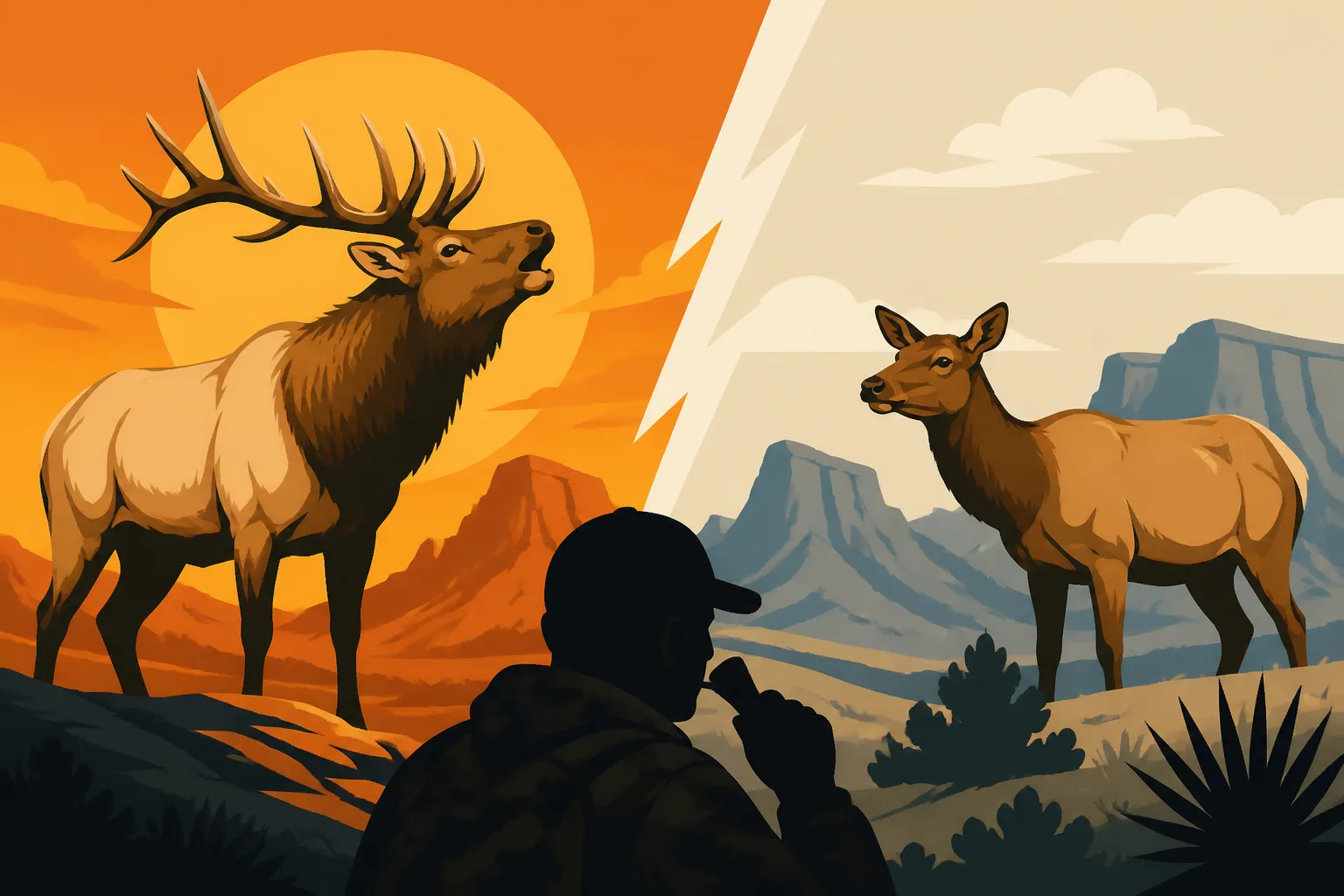
Standing in the crisp New Mexico air, the sound of a bull elk bugle cutting through the ponderosas is truly electric. But then the familiar hunter’s dilemma sets in: do you bugle back, challenging his dominance, or do you offer a subtle, enticing cow call? It’s a debate as old as elk hunting itself, especially during the dynamic archery season in September. This guide will unravel the mysteries of when to unleash an aggressive bugle, when to mimic a lonely cow, and how to combine these strategies for New Mexico elk hunting success.
The Allure and Risks of Bugling for New Mexico Elk
Bugling is undeniably exciting. The raw power of a bull’s call resonates deep within you, and the thought of drawing him in with your own challenge is what many elk hunters live for. However, it's also a high-risk, high-reward strategy that requires careful consideration in New Mexico's diverse terrain and varying elk pressure.
When to Challenge a Bull
There are specific times and situations where a well-placed bugle can be incredibly effective. Early mornings, especially right at dawn, and late evenings are prime times for locator bugles. When you’re trying to find where the elk are holding, a robust bugle can help you pinpoint their general location. Think of it as putting out feelers. You might start with a softer bugle, almost asking "Is anyone home?" If a bull answers, you can then begin to assess his mood and location. This is especially useful when trying to get a read on a new area or locating a distant herd. Understanding Locator Bugles for Finding Bulls at Dawn can be a game-changer for covering ground efficiently.
Aggressive bugling comes into play when you encounter a hot bull that's already screaming his head off. If a bull is bugling frequently and moving, he might be rounding up his cows or actively looking for a fight. In these scenarios, a strong, confident bugle back can often seal the deal. You’re telling him, "There’s another bull in your territory, and I’m coming for your cows." This works best on dominant herd bulls who are unwilling to tolerate competition. However, be cautious: a satellite bull might also respond aggressively, but if the herd bull is truly dominant, he’s the one you want to focus on. Don't be afraid to mix in some chuckles or grunts after your bugle to sound like a more established, confident bull.
Reading a Bull's Response to Your Bugle
The way a bull responds to your bugle tells you a lot about his intentions. If he cuts off your bugle with one of his own, or immediately responds with intense vocalizations, you've likely got a hot bull that's coming in. His bugles might get louder, closer, and more aggressive. Pay attention to the quality of his bugle—a deep, guttural sound often signifies a mature bull. If he’s circling you, he’s likely trying to get downwind to scent-check you, which is when wind direction becomes paramount. Knowing Reading Wind in a Deep Gila Canyon can be critical in these close-quarter situations.
Conversely, if a bull goes silent after your bugle, or only offers a weak, distant reply, he might be wary, pressured, or simply not interested in a confrontation. Sometimes, a bull will completely shut down if he’s been called to too much. This is where the risks come in. Over-calling or bugling at the wrong time can push elk away, making them wary and difficult to approach. This is particularly true for older, more experienced bulls who have heard it all before. If you're in an area known for Cow Calling Pressured Gila Bulls, aggressive bugling might be counterproductive. It's often better to try and slip in silently or switch to more subtle calls if your initial bugle is met with silence or retreat.
The Subtle Power of Cow Calling in New Mexico
While bugling offers adrenaline, cow calling is the quiet assassin of the elk woods. It’s often less intimidating, more versatile, and can be incredibly effective, especially on pressured or hesitant bulls.
When a Soft Approach Works Best
Cow calls—mews, chirps, and estrus whines—are the bread and butter of subtle elk communication. They convey a sense of calm, curiosity, or even loneliness, rather than aggression. This makes them ideal for a multitude of scenarios. When hunting heavily pressured units, such as those found in parts of the Gila National Forest where elk frequently encounter hunters, a soft, realistic cow call can often draw in bulls that would ignore or flee from an aggressive bugle. These are the situations where Cow Calling Pressured Gila Bulls is a go-to tactic.
Estrus whines, in particular, become highly effective as When the Elk Rut Peaks in New Mexico approaches mid-September. They communicate an immediate biological imperative to a bull: a receptive cow is nearby. These calls can lure in bulls that are skirting around a herd, or even pull a dominant bull away from his cows if the estrus whine is convincing enough. It’s about being an irresistible invitation rather than a direct threat. Always try to vary your cow calls; don't just use one pitch or one sequence. A range of mews and chirps can mimic multiple cows, making your setup sound more natural and appealing.
Deciphering Cow Call Responses
The response to a cow call is often more subtle than to a bugle. A bull might respond with a soft grunt or a series of chuckles, indicating he's interested but not necessarily committing to a full charge. He might even respond with a low, questioning bugle. Pay close attention to subtle sounds in the timber – snapped twigs, rustling leaves, or the soft thud of hooves on the forest floor. A bull might approach silently, trying to locate the source of the call without revealing himself.
Sometimes, the best response to a cow call is no audible response at all, but rather a sudden stillness in the woods. The elk are listening, assessing. They've pinpointed your location and are now trying to scent-check or circle in. This is when your setup becomes critical. Ensure you have good shooting lanes and are positioned to take advantage of their approach. Understanding herd dynamics is key here; often, cows will come in first to investigate, and a bull will follow them. If you’re getting no response, it doesn't always mean failure. Sometimes, it means they are simply moving in cautiously. Using detailed mapping tools like GoHunt, you can analyze the terrain for likely approach routes, helping you position yourself optimally for a silent approach from a bull.
Blending Strategies for September Success
The most effective elk hunters rarely stick to one calling method. Instead, they become masters of adapting, blending bugles and cow calls to fit the exact situation, the mood of the elk, and the specific phase of the rut.
The Art of the Call Sequence
Combining bugles and cow calls can create a highly realistic and irresistible scenario for a bull. Imagine a single hunter mimicking a small, agitated herd: a soft, questioning bugle, followed by a series of cow mews, perhaps topped off with a challenging chuckle. This can sound like a small group of elk, with a satellite bull moving in on a cow, sparking a dominant bull's jealousy.
When using a Two-Hunter Calling Setups That Actually Work, the possibilities expand even further. One hunter can be the designated bugler, challenging a distant bull, while the second hunter, positioned 30-50 yards ahead or to the side, handles the subtle cow calls. This creates depth and makes the sounds seem more realistic, coming from different positions. The bull focuses on the "herd" (the cow calls) while being agitated by the "rival bull" (the bugler). This strategy often keeps the bull's attention away from the shooter, allowing for a better shot opportunity. Always remember to consider the terrain; in thick timber, your callers might need to be closer, while in open country, they can spread out more. GoHunt's 3D mapping features can help you visualize these setups before you even step foot in the woods.
Situational Awareness and Adaptability on the Hunt
No two elk hunting scenarios are exactly alike, especially in a dynamic landscape like New Mexico. Your calling strategy needs to be flexible, adapting to the terrain, the time of day, and, most importantly, the elk's mood. Early September, for instance, might see less aggressive bugling than later in the month as the rut progresses. During the early days, you might focus more on cow calls to locate and draw in curious bulls, then transition to more aggressive bugling as the When the Elk Rut Peaks in New Mexico really kicks in.
Consider the landscape. In thick timber or dense oak brush, where visibility is limited, you might need to call more frequently to keep the bull engaged, or use softer calls to draw him into a shooting lane without spooking him. In contrast, on wide-open meadows or glassing benches, an aggressive bugle might carry further and draw a more immediate response from a distant bull, allowing you to use Glassing Benches and Parks for Elk to pinpoint his location before moving in. Being able to read the fresh sign, like rubs and wallows, as discussed in Reading Fresh Elk Sign in Ponderosa Timber, will also inform your strategy. If you find a hot wallow, a subtle cow call near it might be far more effective than a screaming bugle.
Always be prepared to change your plan. If a bull shuts down to your bugles, switch to cow calls. If he ignores the cow calls, try a more aggressive bugle or a combination. The key is to experiment, observe, and learn from every interaction. New Mexico's diverse units offer different challenges, from the high-elevation Gila where New Mexico Elk Are Why the Gila Draws Everyone to the more broken country of other units. Each area might favor slightly different calling tactics. It’s also wise to prepare physically for these demanding hunts; Altitude Preparation for a Gila Elk Hunt is crucial if you're chasing high-country bulls.
Here’s a quick comparison to help you decide your calling approach:
| Factor | Bugling Strategy | Cow Calling Strategy |
|---|---|---|
| Bull's Mood | Aggressive, hot, dominant, challenging rival bulls. | Wary, pressured, curious, hesitant, or looking for a receptive cow. |
| Time of Day | Dawn/Dusk (locator calls, challenging), mid-day (less common). | Any time, especially mid-day when bulls are bedded or quiet. |
| Terrain | Open country where sound travels, or to penetrate thick timber. | Close quarters, thick timber, dense cover where subtlety is key. |
| Hunting Pressure | Best in low-pressure areas or on unpressured bulls. | Highly effective on pressured or call-shy elk. |
| Rut Phase | Peaks during the mid-to-late rut when bulls are breeding. | Effective throughout September, especially for estrus whines mid-rut. |
| Desired Outcome | Challenge a bull, bring him in aggressively. | Entice a bull, make him curious, or pull him from a herd subtly. |
| Risks | Spooking wary bulls, over-calling, bulls circling downwind. | Less risky, but can still spook if unrealistic or overused. |
Ultimately, becoming proficient at both bugling and cow calling, and knowing when to use each, will make you a far more successful elk hunter in New Mexico. It’s about being a student of the elk, listening more than you call, and adapting your strategy to the dynamic conversations happening in the timber.
Disclaimer
Always consult the latest New Mexico Department of Game and Fish regulations before planning any hunting activity. Seasons, rules, and unit boundaries can change, and it is the hunter's responsibility to be fully informed and compliant.