Heat Management on an Early Season Hunt
There’s nothing quite like the anticipation of an early season hunt in New Mexico – the crisp mornings, the bugles echoing through the canyons, or that first glimpse of a velvet mule deer buck. But let’s be real, those early season tags, especially in August or early September, often come with a harsh truth: scorching heat that can turn a dream hunt into a survival challenge. This guide isn't about just enduring the heat; it's about mastering it, providing you with practical strategies and essential gear insights to keep you cool, safe, and successful when the mercury climbs during your early season New Mexico hunting adventure.
Understanding the New Mexico Early Season Heat Challenge
Hunting in New Mexico during the initial phases of deer or elk season means you're almost certainly going to confront significant heat. It’s not just uncomfortable; it's a genuine safety and logistical concern that many hunters, especially those new to the high desert and mountain country, underestimate. The challenges are twofold: the sheer brutality of the temperatures and how that heat fundamentally alters both the hunter’s performance and the very behavior of the game animals we pursue.
The Brutal Reality of Desert and Mountain Temperatures
When we talk about early season in New Mexico, we’re often looking at August archery elk hunts or the very first archery deer seasons that might kick off in early September. While those high mountain mornings can feel cool, even chilly at 6,000 to 8,000 feet, the sun quickly rises, and by mid-morning, temperatures can soar into the 80s, 90s, or even triple digits, particularly in the lower elevations or southern units. This isn’t just a dry heat; it’s an intense, radiant heat that saps energy faster than you’d believe.
The desert floor, with its sparse vegetation and exposed rock, acts like a giant oven, reflecting and radiating heat back at you. Even in ponderosa timber, direct sunlight can be relentless. Many hunters focus on the physical demands of altitude, but often overlook the compounding factor of heat, which can make even moderate elevation climbs feel exponentially harder. This is especially true for those pursuing species like oryx or desert mule deer in the more arid southern regions. If you're planning an early season archery deer hunt, understanding When New Mexico's First Archery Deer Season Runs is critical, as these dates often fall squarely within some of the hottest parts of the year. The ground itself can be searing, and navigating rocky terrain only adds to the energy expenditure, making every step a challenge.
How Heat Affects Hunter Performance and Game Behavior
The impact of high temperatures on a hunter is immediate and profound. Dehydration sets in quicker, leading to fatigue, reduced mental clarity, and compromised physical performance. Your reaction time can slow, your decision-making might become clouded, and your ability to push through tough stalks diminishes. Heat exhaustion or, worse, heatstroke, are very real dangers that can abruptly end a hunt and put your life at risk. Beyond the physical toll, the discomfort can erode your patience, making it harder to sit still, glass effectively, or remain focused during a long stalk. The last thing you want is to be halfway up a canyon, feeling dizzy and struggling to catch your breath, with miles to go.
Equally important, game animals drastically change their behavior to cope with the heat. Elk, deer, and antelope become largely nocturnal or crepuscular, meaning they’re most active at dawn and dusk. During the brutal midday hours, they seek thick cover, deep shade, or bed down near water sources. This means your prime hunting windows shrink considerably. You might find elk bedded in the densest, north-facing timber or deer tucked into the bottom of a cool, shaded draw. Playing Thermals on a Canyon Stalk becomes even more critical in these conditions, as swirling midday winds can betray your approach to bedded animals. Understanding these behavioral shifts is key to adjusting your own tactics and maximizing your chances during those short, productive periods. They won't be out in the open, feeding in the direct sun, which means you have to work harder to find them in their thermal refuges.
Essential Hydration Strategies
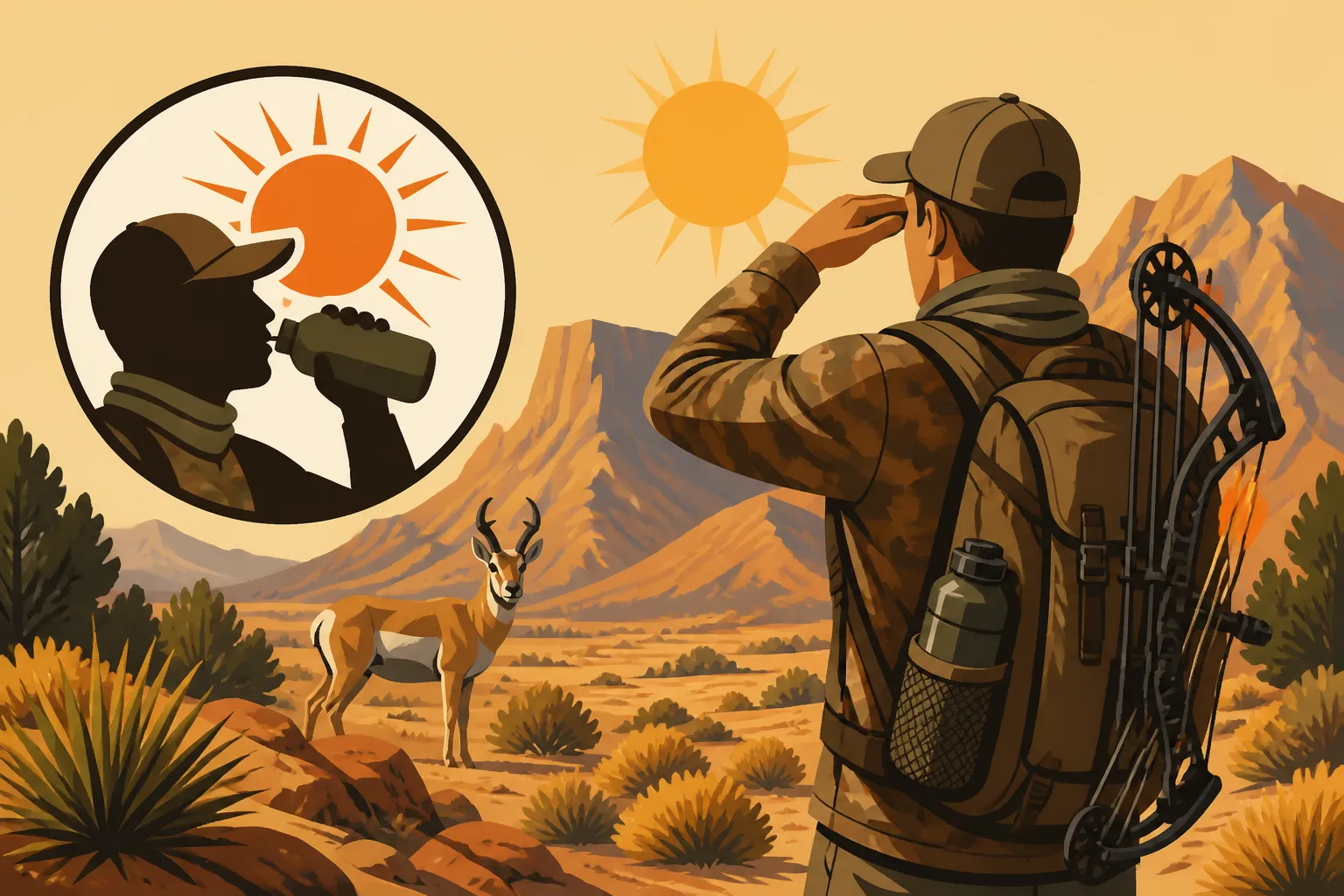
Staying properly hydrated is not just a suggestion; it’s the cornerstone of heat management on any early season hunt in New Mexico. Many hunters know to carry water, but few truly understand the depth of planning and consistency required to combat the relentless dehydration that comes with physical exertion in high temperatures.
Water Intake Beyond the Basics: Electrolytes and Planning
Simply drinking water isn't always enough, especially when you're sweating profusely. Your body loses not just water, but crucial electrolytes like sodium, potassium, and magnesium, which are vital for muscle function, nerve signals, and maintaining fluid balance. Without replenishing these, you can experience cramping, fatigue, and even more severe heat-related issues, regardless of how much plain water you consume.
This means you need a two-pronged approach: consistent water intake and strategic electrolyte replenishment. Start hydrating days before your hunt, not just the morning of. Think about drinking an extra liter or two of water each day in the lead-up. During the hunt, aim for small, frequent sips of water throughout the day, rather than guzzling large amounts all at once. For electrolyte replenishment, sports drinks can work, but many hunters prefer electrolyte powders or tablets that can be added to water. Brands like Liquid IV, DripDrop, or even simple salt packets mixed with a little sugar, can make a huge difference. You might also consider foods rich in electrolytes, like bananas or dried fruit, for quick boosts. Plan for more water than you think you’ll need. If you're doing a day hunt, that might mean a 3-liter hydration bladder plus a Nalgene. For multi-day trips, Water You Must Carry on a Desert Day Hunt escalates into a serious logistical challenge requiring cached water or regular resupply.
Carrying and Storing Water in the Field
The method you choose for carrying water is almost as important as the water itself. For active hunting, a hydration bladder in your pack is often the most convenient, allowing you to drink hands-free without stopping. Look for bladders that are easy to clean and fill, and consider insulating sleeves to keep your water cooler for longer. Platypus and CamelBak make excellent, durable hydration systems. For additional water, Nalgene bottles or similar rigid containers are great backups.
Storage is also key. Don't leave water bottles sitting in direct sunlight, whether in your vehicle or at camp, as they'll quickly become undrinkable hot. Keep them in the shade, wrapped in a towel, or even in a cooler if possible. Some hunters will freeze water bottles solid the night before a hunt; as they melt, they provide cold water and can even help cool the contents of your pack. On multi-day backcountry hunts, strategically caching water along your route or planning resupply points becomes absolutely essential. This kind of detailed planning, which often begins with E-Scouting a New Mexico Unit Before the Season, is crucial to ensure you don't run dry miles from civilization. Always carry a water filter or purification tablets as a backup for emergency situations, even if you don't plan to use natural water sources.
Clothing and Gear for Staying Cool
Your choice of clothing and gear can dramatically impact your ability to manage heat. It’s not just about looking the part; it's about selecting materials and designs that actively help your body regulate temperature. Forget heavy cotton or dark, restrictive fabrics. We're aiming for breathability, moisture-wicking, and sun protection.
The Science of Layering for Heat
"Layering for heat" might sound counterintuitive, but it's incredibly effective. The goal isn't warmth, but to manage moisture and airflow while protecting your skin from the sun.
- Base Layers: Start with a lightweight, synthetic, or merino wool base layer. These materials are phenomenal at wicking sweat away from your skin, which is the first step in evaporative cooling. Look for shirts that are light-colored to reflect sunlight and have good ventilation, like mesh panels or long sleeves with thumb holes. Companies like Sitka Gear, Kuiu, and First Lite all offer excellent technical fabrics designed for warm weather hunting. A lightweight long-sleeve shirt, even in hot weather, protects your arms from direct sun, preventing sunburn and actually helping you feel cooler over the long haul.
- Outer Layers (Minimal): In high heat, your "outer layer" might just be that long-sleeve base layer. However, if you're in open country with intense sun exposure, a very light, breathable sun hoody with UPF protection can be a game-changer. These keep the sun off your neck and ears without making you feel overheated. Remember, lighter colors absorb less heat.
- Headwear: A wide-brimmed hat is non-negotiable. It protects your face, ears, and neck from the relentless New Mexico sun, dramatically reducing heat load. Combine this with a lightweight neck gaiter or bandana, which you can wet down for additional evaporative cooling around your neck.
Think about clothing with built-in insect repellent too, as mosquitoes and gnats can be a nuisance in certain areas, especially near water, and wearing less clothing to stay cool can expose you to more bites.
Personal Cooling Devices and Their Effectiveness
While you might not be packing an air conditioner into the backcountry, several portable cooling devices can offer significant relief and improve comfort and performance.
- Cooling Towels: These are specialized towels made from hyper-evaporative material. You simply wet them, wring them out, and snap them. They become noticeably cooler than ambient temperature and can be draped around your neck or head. They provide instant relief and are easily re-wetted from your water supply.
- Battery-Operated Fans: Small, personal, battery-operated fans are lightweight and can provide a surprising amount of relief during glassing sessions or while waiting in ambush. They're not for constant use while hiking, but for those stationary moments, they can make a big difference in comfort.
- Misters: A small, hand-pump mister bottle can be refreshing. A fine mist on your face and arms allows for evaporative cooling. Just be mindful of your water supply.
- Ice Packs (limited use): If you're hunting from a vehicle or a base camp that allows for a cooler, small reusable ice packs can be a godsend. Place them in strategic locations like your armpits, groin, or around your neck for quick cool-downs. Their utility is limited in true backcountry scenarios, but they're excellent for relief back at camp.
These simple additions can mean the difference between pushing through and needing to sit down and recover more frequently. Every little bit of cooling helps to maintain your core temperature.
Footwear Choices to Prevent Hot Spots and Blisters
Your feet are often the first part of your body to suffer in the heat, especially when covering miles over tough terrain. Hot, sweaty feet are prone to blisters, which can quickly ruin a hunt. Choosing Boots for Rocky Desert Ground is paramount, and heat management needs to be a core consideration in that choice.
- Breathable Boots: Ditch the heavy, insulated, waterproof boots you might use in winter. For early season, look for lightweight, breathable boots with good ventilation. Many companies offer warm-weather specific boots that still provide excellent ankle support and sole rigidity for uneven terrain. Avoid Gore-Tex or similar waterproof membranes unless absolutely necessary, as they significantly reduce breathability in dry conditions.
- Moisture-Wicking Socks: This is arguably more important than the boots themselves. Invest in high-quality merino wool or synthetic blend socks designed to wick moisture. Change your socks frequently throughout the day if possible. Carrying two or three pairs and swapping them out during breaks can prevent hot spots and blisters. Some hunters even bring a fresh pair for the afternoon hunt.
- Gaiters (Optional): While often used for mud or snow, lightweight gaiters can keep dirt, stickers, and debris out of your boots, preventing irritation that can lead to blisters. Just ensure they are breathable.
Remember, proper fitting boots are key. Your feet will swell in the heat, so ensure there’s enough room without being loose. Breaking them in well before your hunt is also non-negotiable.
Tactics for Hunting in High Temperatures
When the heat is on, your usual hunting playbook often needs a complete rewrite. Simply walking around from sunrise to sunset in the full sun is a recipe for exhaustion and minimal success. You need to adjust your approach to match the behavior of the animals and conserve your own energy.
Adjusting Hunt Times and Movement Strategies
The most impactful change you can make in hot weather is to drastically adjust your hunting schedule. The prime hours shrink considerably.
- Early Mornings and Late Evenings: These are your golden hours. Be in your hunting area well before first light, ready to capitalize on animals that are still active from their nighttime feeding. Focus on areas they'd be moving to for water or bedding. As the sun rises, the window of opportunity quickly closes. Similarly, be ready to hunt hard from late afternoon until last light, when animals emerge from their midday beds.
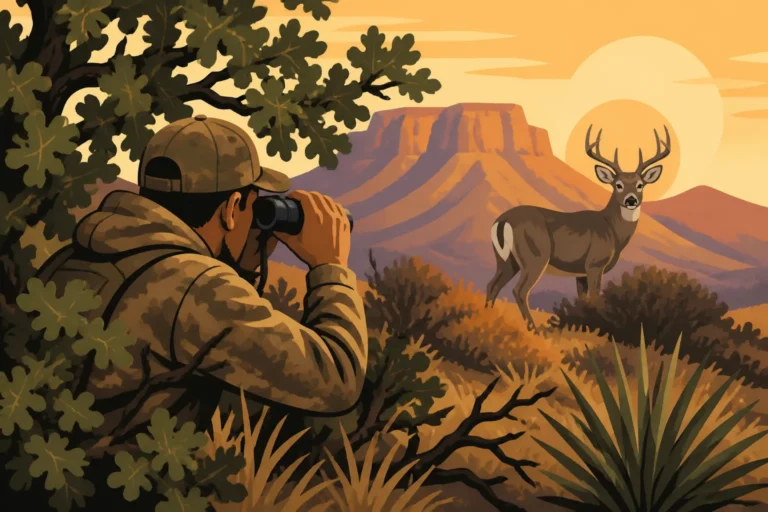
- Midday Siesta: Instead of pushing through the hottest part of the day, retreat to a shaded, cool spot. This is the perfect time for a long lunch, a nap, or just quiet glassing from a comfortable vantage point. Animals will be bedded down in thick cover, so still-hunting or stalking in these conditions is often unproductive and incredibly draining. Use this downtime to rehydrate, eat, and recharge. This is also a good time to consult your
GoHuntmaps on your phone, reviewing terrain features and planning your evening attack or the next day's strategy. - Slow Down: When you are moving, do so slowly and deliberately. Fast hiking generates more body heat. Conserve energy for when it truly matters – like a final stalk. Embrace the "slow and steady" mantra. This might even mean opting for a hunt during Why New Mexico Splits Its Archery Deer Season, as the later season sometimes offers slightly cooler temperatures.
Prioritizing Shade and Natural Cooling
Shade isn't just about comfort; it's a vital survival tool in the New Mexico heat. Animals seek it out religiously, and so should you.
- Hunting North-Facing Slopes: Animals, particularly elk and deer, will often bed on north-facing slopes during the day. These slopes receive less direct sun and tend to stay cooler. Focus your glassing and stalking efforts on these areas during midday.
- Tree Cover and Canyons: Look for dense stands of ponderosa pine, fir, or oak brush. Deep canyons can also provide significant shade, especially on their eastern or northern walls. Reading Fresh Elk Sign in Ponderosa Timber during these hot periods will often lead you to their daytime hideouts in the thickest, shadiest parts of the forest.
- Water Sources: Animals need water, and they’ll often bed relatively close to it in hot weather. Hunting near springs, seeps, or stock tanks during the cooler parts of the day can be effective. Just remember Water Sources and Ethics in Desert Hunting and respect these vital resources.
- Personal Shade: Beyond natural features, create your own shade. A wide-brimmed hat is your first line of defense. When glassing or waiting, try to position yourself so you’re not in direct sunlight. A small, lightweight tarp can be a luxury for creating quick shade during your midday rest.
The Critical Importance of Game Recovery and Meat Care in Heat
This is where heat management becomes not just about hunter safety, but ethical hunting and preserving your harvest. A downed animal in hot weather needs immediate attention.
- Swift Recovery: Every minute counts. As soon as an animal is down, begin your recovery efforts. In high temperatures, meat can begin to spoil rapidly, especially with internal body heat. If you need to track, do so quickly and efficiently. Make sure you're physically prepared for this demanding task; Preparing Physically for a High Elevation Hunt is even more crucial when factoring in immediate, strenuous exertion under the sun.
- Field Dressing Immediately: The moment you reach the animal, begin field dressing. Remove all entrails to allow the carcass to cool internally. Skinning the animal as quickly as possible is also highly recommended, as the hide acts as an insulator, trapping heat.
- Getting Meat Cooled: This is the biggest challenge. Getting Meat Cooled on an Early Season Hunt requires pre-planning. If you’re backpacking, quarter the animal and get the meat into breathable game bags (synthetic or cotton mesh, not plastic). Hang the bags in the deepest shade you can find, off the ground, where any breeze can pass through. You might even consider having a portable cooler with ice ready at your vehicle for transport out of the field. Many hunters will immediately head for the nearest game processor or butcher. Consider using a
GoHuntmapping layer to identify potential processors near your hunting unit ahead of time. - Evidence of Sex: Remember to leave Evidence of Sex Requirements on a Carcass as required by regulations, but prioritize cooling the bulk of the meat. This often means leaving the head or specific parts attached to one quarter.
This table highlights key differences in approach when facing high heat:
| Aspect of Hunt | Normal Conditions | High Heat Conditions |
|---|---|---|
| Hunting Hours | Dawn to Dusk, midday activity possible | Primarily dawn and dusk, extended midday rest |
| Pace of Travel | Moderate to fast, covering ground | Slow, deliberate, conserving energy, seeking shade |
| Hydration | Regular water intake | Constant, pre-hydrating, electrolyte-focused |
| Clothing | Layered for warmth/cold, often heavier | Lightweight, breathable, wicking, sun-protective |
| Game Behavior | More visible feeding/traveling throughout day | Primarily nocturnal/crepuscular, deep shade bedding |
| Meat Care | Important, but less urgent cooling | Critical, immediate field dressing & rapid cooling |
| Focus | Finding game, movement, covering ground | Conserving energy, tactical movement, shade, water |
Emergency Preparedness for Heat-Related Illnesses
No matter how well you plan, the environment can be unpredictable, and heat-related illnesses are a serious concern. Knowing the signs, how to react, and having a communication plan are crucial for safety during an early season hunt.
Recognizing and Treating Heat Exhaustion and Heatstroke
These are not just uncomfortable conditions; they are medical emergencies. Being able to distinguish between them and knowing what to do can save a life.
Heat Exhaustion: This is the body's response to an excessive loss of water and salt, usually through profuse sweating.
- Symptoms: Heavy sweating, cold/pale/clammy skin, fast/weak pulse, nausea or vomiting, muscle cramps, tiredness, weakness, dizziness, headache, fainting. The person might feel cool or clammy despite the ambient heat.
- Treatment: Move the person to a cooler place (shade, vehicle with AC). Loosen their clothing. Apply cool, wet cloths to their body, especially the neck, armpits, and groin. Have them sip water slowly, with electrolytes if available. If they vomit or symptoms worsen, seek immediate medical attention. Do not give them large amounts of cold water too quickly.
Heatstroke: This is the most serious heat-related illness and is life-threatening. It occurs when the body can no longer control its temperature; its sweating mechanism fails, and the body temperature rises rapidly.
- Symptoms: Body temperature 103°F or higher, hot/red/dry or moist skin, rapid/strong pulse, headache, dizziness, nausea, confusion, slurred speech, unconsciousness. Crucially, the person may stop sweating despite the heat.
- Treatment: This is an emergency. Call 911 or emergency services immediately. While waiting for help, move the person to a cooler place. Use all means available to cool them rapidly: immerse them in cool water (if safe), spray with a garden hose, cover with cool, wet cloths, or place ice packs under armpits and groin. Monitor their breathing and be prepared to perform CPR if necessary.
It’s vital that you and anyone you hunt with can recognize these signs and know how to act. Don't push yourself or your hunting partners if someone starts exhibiting these symptoms. Always err on the side of caution. Even minor Altitude Preparation for a Gila Elk Hunt can be exacerbated by heat, so understand those compounding risks.
Communication and Contingency Planning for Extreme Conditions
Hunting in New Mexico, especially in remote areas, means you often have no cell service. This makes a robust communication and contingency plan absolutely critical.
- Satellite Communicators: Devices like Garmin inReach or Zoleo are invaluable. They allow you to send texts via satellite, share your location, and, most importantly, send an SOS signal if an emergency arises. These are not luxuries; they are essential safety gear for anyone heading into the backcountry. Satellite Communication From a Hunting Camp can literally be a lifesaver.
- Detailed Itinerary: Before leaving, provide a detailed itinerary to a trusted person who is not with you. Include your hunting unit, planned routes, expected return time, and contact information for emergency services in that area. Stick to your plan as much as possible, or update your contact if your plans change.
- First Aid Kit: Carry a comprehensive first aid kit that includes supplies for blisters, cuts, and especially, rehydration salts, pain relievers (non-aspirin, which can sometimes interfere with body temp regulation), and any personal medications.
- Buddy System: Never hunt alone in extreme conditions. A hunting partner can monitor your condition, provide immediate aid, and go for help if needed. Discuss emergency scenarios beforehand so everyone knows what to do.
- Turnaround Time: Set a strict turnaround time for your hunt each day. If you haven't found what you're looking for by a certain hour, especially in the afternoon, start heading back to avoid being caught out after dark or overexerting yourself. This is particularly important when Hunting New Mexico From 4,000 Feet to 10,000 where conditions can change rapidly.
- Vehicle Preparedness: Ensure your vehicle is in top condition, with a full tank of gas, spare tire, emergency kit, extra water, and some non-perishable food. A broken-down vehicle in a remote, hot area can quickly become a serious problem.
Planning for the worst while hoping for the best is the mindset of a responsible hunter. The New Mexico backcountry is beautiful but unforgiving, and a little forethought can make all the difference when the heat turns up.
Disclaimer
Hunting is an inherently dangerous activity. The information provided in this article is for educational purposes only and should not replace professional advice or local regulations. Always prioritize safety, adhere to all New Mexico Game and Fish Department rules, and consult with experienced professionals before undertaking any hunting trip. Conditions can change rapidly, and hunters are responsible for their own safety and preparation.