Why a White Sands Oryx Season Lasts Three Days
If you've ever dreamt of hunting the magnificent Oryx in New Mexico, especially on the legendary White Sands Missile Range, you've likely noticed a puzzling detail: the season typically lasts a mere three days. It's enough to make any hunter scratch their head and wonder how on earth you're supposed to get a decent hunt in such a short window. This tight timeframe isn't just some random quirk; it's a carefully calculated decision stemming from a unique blend of military necessity, wildlife management, and sheer logistical complexity. This guide will peel back the layers to explain exactly why this incredible hunt is so short and how you can prepare to make every precious moment count.
The Unique Calculus Behind a Three-Day Season
The White Sands Oryx hunt is unlike almost any other big game opportunity you'll find in the Lower 48. It takes place on an active military installation, the White Sands Missile Range (WSMR), which is primarily dedicated to testing and evaluating missile and rocket systems. This critical national security mission inherently dictates the terms of any civilian access, including hunting. The three-day season isn't designed to make it harder for you; it's designed to make it possible at all, by minimizing disruption to military operations while still allowing for effective wildlife management.
Military Operations and Range Security
Imagine trying to conduct a sensitive missile test while hundreds of hunters are scattered across the landscape. It’s simply not feasible. The short, concentrated Oryx season is a direct result of the need to schedule hunting activities around the highly dynamic and unpredictable demands of military testing. WSMR is a vast, expansive area, but even within its boundaries, specific zones can be designated for live-fire exercises or other classified operations with little notice.
This means that the New Mexico Department of Game and Fish (NMDGF) works closely with WSMR personnel to carve out specific windows when the range can safely accommodate hunters. These windows are kept as short as possible to reduce the impact on ongoing military missions. It’s a delicate dance, balancing public recreational opportunities with national security priorities, and the three-day limit is often the maximum allowable time that can be consistently guaranteed without significant interference with the range’s primary functions. Hunters are essentially guests in a very active military workspace, and adherence to their rules, including the tight timeline, is paramount for the privilege of access.
Oryx Population Management Goals
Beyond military considerations, the three-day season also plays a critical role in the effective management of the Oryx herd itself. Oryx, or Gemsbok, are not native to New Mexico; they were introduced from Africa in the late 1960s. While they've thrived in the desert environment, their population needs careful control to prevent overgrazing and competition with native species like mule deer and pronghorn. The NMDGF uses the limited hunt duration as a tool to achieve specific harvest objectives.
A short, intense hunt concentrates hunter effort, which can be more efficient in reaching harvest quotas compared to a longer, more drawn-out season with dispersed effort. This approach allows biologists to fine-tune population control, removing a target number of animals quickly to maintain herd health and balance with the ecosystem. It also helps minimize the amount of time Oryx are exposed to hunting pressure, potentially reducing stress on the animals and making them less "hunt-wise" for future seasons, which contributes to higher hunter success rates overall, despite the short window.
Habitat Preservation and Minimal Impact
The Chihuahuan Desert ecosystem within WSMR is fragile and unique. While Oryx have adapted well, their sheer size and numbers, if unchecked, could put undue stress on delicate desert flora and limited water sources. The NMDGF and WSMR are committed to preserving this habitat, and the hunting program is designed to be as low-impact as possible.
Limiting the season to three days reduces the overall footprint of human activity on the range. Fewer days mean less vehicle traffic, less footfall, and a reduced chance of unintentional damage to sensitive areas. It also helps to prevent issues like widespread littering or off-road driving that could become problematic over a longer period. This minimal impact approach ensures that the habitat remains healthy for both Oryx and other native wildlife, maintaining the ecological integrity of this special landscape. The intent is to allow a controlled harvest while leaving the land largely undisturbed for the majority of the year.
Navigating the Challenges and Maximizing Your Short Window
Given the incredibly short timeframe, hunting Oryx on White Sands requires a completely different mindset and preparation strategy than most other big game hunts. You can't just show up and expect to figure it out; every minute counts, and your pre-hunt homework becomes even more crucial than usual.
Intense Pre-Hunt Scouting and Planning
Because you only have three days to get it done, your ability to efficiently locate Oryx and execute a stalk is paramount. This makes thorough e-scouting absolutely non-negotiable. Tools like those offered by GoHunt become invaluable here, allowing you to pour over satellite imagery, topo maps, and land ownership data (though most of WSMR is federal). You'll need to identify potential travel corridors, feeding areas, bedding locations, and, critically, water sources well in advance. Remember, Oryx are desert animals and will often be found near water, even if it's just a small guzzler or stock tank.
You should spend hours, if not days, virtually exploring the specific unit or area you've drawn. Mark potential ambush points, glassing knobs, and escape routes. Understand the terrain, note any natural funnels, and mentally map out how you'd approach different areas. Because you cannot scout on the ground more than 14 days out, and typically only during designated times, your digital scouting prowess will determine much of your success. This intense preparation is key to making the most of a short White Sands Oryx season.
Making Every Moment Count in the Field
When those three precious days arrive, there’s no time for hesitation or indecision. This means you need to be physically and mentally prepared for long hours, covering significant ground, and making quick decisions. From the moment the gates open, you'll want to be on the move, glassing every ridge, basin, and flat. Oryx are large, conspicuous animals, but they can blend surprisingly well into the desert landscape if you’re not diligently glassing.
Prioritize finding fresh sign and then immediately shifting to glassing. Don't waste time on unproductive ground. If you locate a herd, assess the situation quickly. Can you put a stalk on them? What's the wind doing? Are there any terrain features you can use for cover? This isn't a hunt for the faint of heart or the indecisive. The adrenaline will be pumping, and you'll need to trust your preparation and instinct. Hunters often find that even with good preparation, How an Oryx Hunt Actually Runs can throw unexpected challenges your way, making quick adaptation essential.
Gear and Physical Preparation
A three-day Oryx hunt in the New Mexico desert demands specific gear and a solid level of physical fitness. You'll likely be doing a lot of hiking over uneven, rocky, and sandy terrain, often under a hot sun. Sturdy, broken-in boots are a must. Carry plenty of water—more than you think you'll need, as discussed in Water You Must Carry on a Desert Day Hunt. A good quality spotting scope and binoculars are absolutely essential for efficient glassing across the vast, open country.
Consider a lightweight tripod for your binoculars to reduce fatigue during extended glassing sessions. For firearms, a flat-shooting rifle in a caliber capable of cleanly taking a large animal at potentially long ranges is advisable, given the open landscape. Think about rounds like .300 Win Mag, 7mm Rem Mag, or even larger. Being in good shape, capable of hiking several miles a day with your gear, will significantly increase your chances of success. It's similar to preparing for an elk hunt in the high country, where Physical Conditioning for a Gila Hunt is key, but with a different set of environmental challenges.
Understanding the Rules and Contingencies
Hunting on an active military installation comes with a stringent set of rules and the very real possibility of unforeseen circumstances. It's not just about the game; it's about adhering to protocols designed for everyone's safety and the continuation of the range's core mission.
Specific White Sands Hunt Code Nuances
Before you even apply for an Oryx tag, you need to deeply understand the hunt code. White Sands Oryx hunts are typically classified as "on-range" hunts, meaning they occur within the boundaries of WSMR. There are also "off-range" opportunities, but the iconic three-day hunts are almost exclusively tied to WSMR. When Reading a New Mexico Hunt Code Before You Apply, pay close attention to any notes or special conditions related to WSMR access, mandatory safety briefings, or specific gear restrictions.
You'll also need to complete specific range orientation and safety courses, often online, before you're even allowed to set foot on WSMR. These courses cover everything from identifying unexploded ordnance to understanding communication protocols and emergency procedures. Failure to complete these requirements will result in forfeiture of your hunting opportunity, regardless of whether you drew a tag. This is why thorough review of the NMDGF regulations booklet and any supplementary materials from WSMR is critical.
| Feature | White Sands Oryx Hunt (On-Range) | Typical New Mexico Elk/Deer Hunt (Public Land) |
|---|---|---|
| Duration | Typically 3 days | 5-9 days (Archery, Muzzleloader, Rifle) |
| Access | Highly restricted, military-controlled | Generally open, designated roads/trails |
| Pre-Hunt Info | Mandatory orientation/safety briefing | NMDGF regulations, maps |
| Scouting | Virtual (e-scouting), limited physical | Extensive physical scouting often possible |
| Primary Concern | Military operations, safety, logistics | Wildlife behavior, weather, hunter pressure |
| Species Origin | Introduced (African Gemsbok) | Native (Elk, Mule Deer) |
| Costs (Non-Res) | High (e.g., Nonresident Oryx Tag Pricing in New Mexico can be substantial) | Varies, but still significant |
| Success Rate | Often high due to concentrated effort | Varies widely by unit and hunter skill |
What Happens If Military Operations Shorten Your Hunt
This is a very real possibility when Hunting Oryx on an Active Missile Range. The military mission takes precedence, and if unforeseen testing or security issues arise, your hunt can be postponed, delayed, or even completely cut short. The NMDGF regulations explicitly state that "hunting seasons may be shortened, extended, or canceled at any time by the Department or by orders of the Commander, White Sands Missile Range." This means that even if you've drawn that coveted tag and completed all your preparations, there's an inherent risk that circumstances beyond your control could affect your hunt.
It's unsettling to think about, but this is why managing expectations is so important. Understand that this is a privilege, not a right, and the rules of the range must be followed without question. Should such an event occur, the NMDGF typically has protocols in place for potential refunds or alternative hunt dates, but these are often contingent on the specific situation and not guaranteed. This is a topic explicitly covered in the NMDGF rules, and knowing What Happens If Military Operations Shorten Your Hunt is critical for anyone planning this adventure.
Post-Hunt Procedures and Game Retrieval
Even after a successful harvest, the strict protocols of White Sands continue. You'll have designated checkpoints for entering and exiting the range, and usually, there are mandatory check-out procedures for harvested game. These often involve presenting your tag and the animal for inspection by NMDGF and WSMR personnel. This is not only for data collection but also for security.
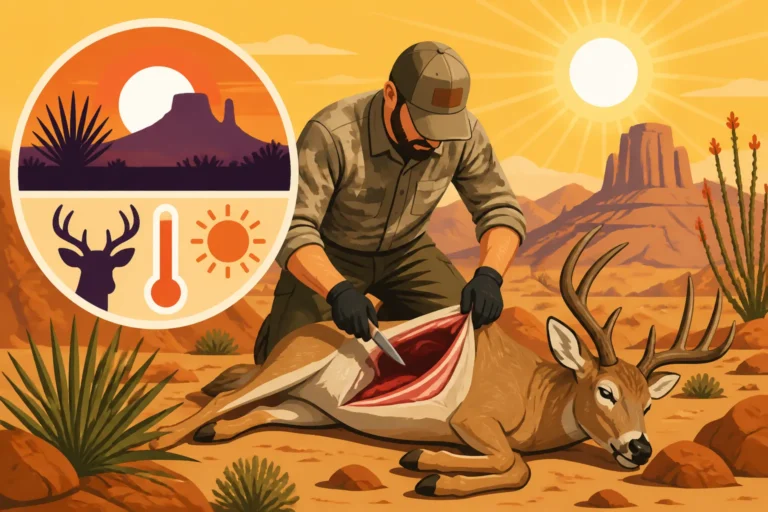
Game retrieval itself can be a challenge. While Oryx are large animals, the vast, open desert means a downed animal might be a considerable distance from a road. You'll need to be prepared for field dressing and packing out meat, potentially in hot conditions, as rapidly as possible. Understanding the specific retrieval rules and any designated areas for vehicle access on the range is crucial. Being able to quickly quarter and cool the meat is also vital, especially since Oryx Is New Mexico's Strangest Big Game Animal but also provides excellent table fare, which you don't want to spoil. Efficient planning for extraction is just as important as the hunt itself.
The Allure of the White Sands Oryx Hunt
Despite the three-day limit and the inherent challenges, the White Sands Oryx hunt remains one of New Mexico's most sought-after big game opportunities. Part of the allure, ironically, is the challenge and the unique setting. It’s an adventure that few hunters ever experience, a chance to pursue a magnificent foreign species in a truly iconic, yet highly restricted, American landscape. For many, the thrill of Getting Onto White Sands Missile Range and seeing these majestic animals thrive where they were introduced decades ago (see How Oryx Were Introduced to New Mexico) is reason enough to brave the short season and strict rules.
The concentrated nature of the hunt also often leads to high success rates for those who are well-prepared and willing to work hard. The NMDGF manages the herd for quality, and encounters with mature animals are common. It's a testament to the department's successful conservation efforts and the cooperation with WSMR that such an opportunity exists at all. Planning for this hunt is an intensive process, involving everything from applying through the draw, which is a gamble akin to other premier hunts like those covered in The All-In Cost of a New Mexico Elk Hunt, to meticulous scouting with tools that GoHunt provides.
For those lucky enough to draw a tag and successfully navigate the intricacies of a White Sands hunt, the memories forged during those three intense days will undoubtedly last a lifetime. It’s a truly unforgettable experience, proving that sometimes, the most extraordinary adventures come in the shortest packages.
Disclaimer
Please be aware that hunting regulations, fees, and season dates can change. Always consult the official New Mexico Department of Game and Fish (NMDGF) rules and information booklet for the most current and accurate information before planning any hunt. Additionally, specific rules and access protocols for White Sands Missile Range hunts are subject to change by WSMR command.