Guiding on New Mexico Tribal Land Is a Separate System
For many hunters dreaming of big game in New Mexico, the assumption is often that all opportunities fall under the state's Game and Fish Department regulations. However, for those looking to experience some of the most sought-after hunts the state has to offer, particularly for trophy elk or other unique species, understanding that tribal lands operate under an entirely separate system is absolutely crucial. This guide aims to clear up the confusion, walking you through the distinct process of hunting on tribal lands, from securing tags to understanding guide requirements and preparing for an unforgettable, albeit different, New Mexico adventure.
The Sovereign Divide: Why Tribal Lands Operate Differently
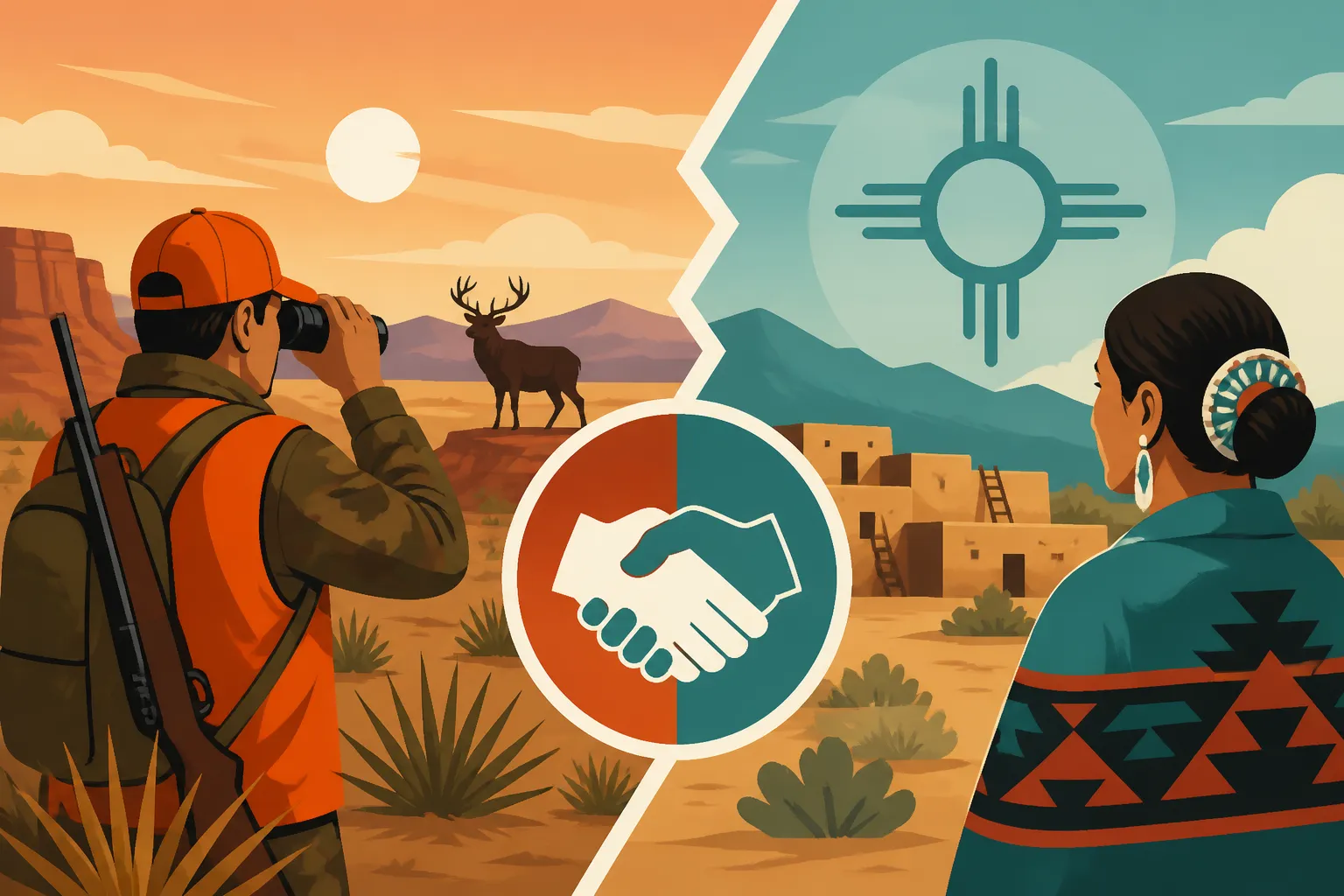
It’s easy to think of New Mexico as one big hunting ground governed by a single set of rules. However, overlooking the unique status of tribal lands can lead to significant misunderstandings and even disappointment for an eager hunter. These lands operate under their own jurisdiction, a fact deeply rooted in their sovereign status.
Respecting Tribal Sovereignty in Hunting Law
At the heart of the separate system for tribal land hunting lies the principle of tribal sovereignty. Federally recognized Native American tribes are considered sovereign nations within the United States. This means they have the inherent right to govern themselves, manage their resources, and establish their own laws and regulations, independent of state authority. For hunters, this translates directly to wildlife management. Each tribe has its own Game and Fish department or equivalent entity that manages wildlife populations, sets hunting seasons, issues permits, and enforces its own regulations.
Imagine you're planning a trip to the Gila National Forest as New Mexico Elk Country and diligently studying the state's rules for Unit 15. You might assume similar regulations would apply if a portion of your hunt was to be on adjacent tribal land. However, this isn't the case. The tribe's wildlife codes dictate everything, from what constitutes a legal weapon to the exact dates of a hunt and even ethical considerations. This isn't just a bureaucratic detail; it's a fundamental aspect of respecting the self-determination of indigenous nations and their long-standing connection to the land and its resources. Their wildlife management practices are often tied to cultural values and a deep understanding of ecological balance, cultivated over centuries.
State Tags and Licenses: Not Valid Here
One of the most common and often frustrating misconceptions among hunters new to the tribal land system is the belief that their New Mexico state hunting license or draw tag will suffice. Let me be absolutely clear: a New Mexico state hunting license and any tags acquired through the state draw are NOT valid on tribal lands. This is a critical point that can ruin a hunt before it even begins.
Consider a scenario where you've painstakingly gone through the New Mexico draw, perhaps for an elusive elk tag, and even secured your Nonresident New Mexico Game Hunting License. You’ve spent hours poring over maps, dreaming of calling in a bull. Then, you realize the prime hunting area you’ve identified is actually part of a tribal reservation. If you show up with only your state-issued documentation, you will be turned away. Not only will you not be allowed to hunt, but you also risk serious legal repercussions for trespassing or attempting to hunt without proper authorization on sovereign land. It’s a painful lesson many learn the hard way. Each tribal nation has its own licensing and tagging system, requiring separate permits and fees directly from their game department. Think of it like hunting in a different state or even a different country, where local laws and permits are paramount, regardless of what licenses you hold from your home jurisdiction. You wouldn't expect your New Mexico license to work in Colorado, and similarly, it doesn't work on the Mescalero Apache Reservation.
Navigating the Tribal Hunt Application and Tag Acquisition
Since state tags are out of the picture, understanding how to apply for and acquire tribal hunting permits is your next crucial step. This process is distinct, often more direct, and less reliant on the kind of complex lottery system seen in the state draw.
Direct Channels to Tribal Game Departments
Unlike the often intricate and low-odds state draw, tribal tags are typically acquired directly from the specific tribal game and fish department or their designated outfitter. There's no unified New Mexico tribal draw system; each nation manages its own applications. This means if you're interested in hunting on, say, the Jicarilla Apache Nation, you'll need to contact their game and fish department or one of their authorized outfitters directly. You won't find these opportunities listed on the New Mexico Department of Game and Fish website.
The process often involves an application period, much like state draws, but it's entirely tribal-specific. Some tribes might offer permits on a first-come, first-served basis, while others may conduct their own internal draws or allocate tags through a booking system with their licensed outfitters. This direct approach can sometimes mean higher success rates for securing a tag, especially for highly coveted species like trophy elk, compared to the often daunting odds of the state draw. However, it also means you need to be proactive in your research and reach out to the tribes well in advance. Gathering information requires a direct query to the tribal offices, as general online resources like GoHunt, while excellent for state data, may not cover these specific tribal opportunities in detail. You'll want to be on their mailing lists or regularly check their specific departmental websites.
Understanding Unique Tribal Season Structures and Bag Limits
Just as tribal nations dictate their own tag acquisition process, they also set their own hunting season dates, bag limits, and often very specific rules regarding methods of take. It's a common mistake for hunters to assume that tribal seasons will align with the general state seasons, like When New Mexico Archery Deer Season Opens or When the Elk Rut Peaks in New Mexico. This is rarely the case.
A tribal nation might have an elk season that starts earlier or runs later than the state's, or they might have different weapon restrictions. For instance, a tribe might offer a rifle hunt during a period when the state only allows archery. They also often manage their populations for older, more mature animals, which can lead to more restrictive bag limits or specific trophy requirements, such as minimum antler points or horn length. Ignoring these specific tribal rules could lead to severe penalties, including fines, confiscation of game, and expulsion from tribal lands. It’s imperative to obtain and meticulously study the hunt regulations published by the specific tribe you plan to hunt with. These regulations are the definitive source of truth for your hunt, overriding any general assumptions or state-level knowledge you might possess. Always confirm the specific calendar, allowed weapons, and harvest criteria directly with the tribal game and fish department or your licensed outfitter to avoid any surprises in the field.
The Role of the Tribal Licensed Outfitter
When considering a hunt on New Mexico tribal lands, understanding the role of outfitters is not just helpful; it's often a mandatory part of the experience. This aspect truly sets tribal hunting apart from many public land opportunities.
Why a Tribal Licensed Guide is Often Mandatory
Many, if not most, New Mexico tribal nations require non-tribal members to hunt with a guide who is specifically licensed by that tribe. This isn't just a suggestion; it's a strict rule designed to ensure resource management, cultural preservation, hunter safety, and ethical conduct. The reasons are multifaceted. Firstly, tribal lands are often vast, rugged, and can be challenging to navigate, even for experienced hunters. A tribal guide possesses intimate knowledge of the terrain, animal movements, and local conditions that would be impossible for an outsider to acquire in a short period. They are also deeply familiar with the subtle nuances of tribal land boundaries, ensuring you don't inadvertently stray into prohibited areas.
Secondly, requiring a licensed guide helps the tribe manage its wildlife populations effectively. These guides are often involved in scouting, monitoring, and reporting harvest data, contributing directly to the tribe's conservation efforts. They also serve as cultural ambassadors, ensuring that hunters respect the land, its resources, and the tribal community's customs. For many tribes, hunting is more than just a recreational activity; it's a deeply spiritual and traditional practice, and guides help ensure outsiders adhere to these values. This strict requirement is a significant departure from applying through the New Mexico Outfitter Draw and Its Two-Day Rule for state tags, where engaging an outfitter, while potentially beneficial for draw odds, isn't always mandatory for the hunt itself. On tribal lands, it is often a prerequisite for participation.
How to Find and Vet a Reputable Tribal Outfitter
Finding the right tribal outfitter is paramount to a successful and enjoyable experience. Since tribal operations are distinct, your search strategy will differ from finding a guide for state public land. Start by contacting the specific tribal game and fish department you're interested in. They are the authoritative source and can usually provide a list of their currently licensed outfitters. This ensures you're working with a legitimate operator who is authorized to guide on their lands.
Once you have a list, it’s time to do your due diligence. Don't just pick the first name you see. Reach out to multiple outfitters. Ask detailed questions about their experience on that specific tribal land, their hunting methods, success rates, what's included in their packages, and their philosophy on ethical hunting. Request references from previous clients, and make sure to call them. Ask about the quality of the animals harvested, the guide’s professionalism, the camp conditions, and how any unexpected situations were handled. While general platforms like BookYourHunt might list some outfitters operating on or near tribal lands, always verify their specific tribal licensure directly with the tribe. Similarly, while GoHunt offers fantastic resources for researching state units and draw odds, for tribal hunts, your primary research must focus on the tribe's own resources and authorized contacts. Look for outfitters who are transparent, communicative, and demonstrate a deep respect for both the wildlife and the tribal culture. A good outfitter will be eager to answer your questions and help you understand the unique aspects of hunting on their tribal lands.
Decoding the Costs and Expectations of a Tribal Hunt
One aspect that often gives hunters pause when considering tribal land hunts is the cost. It’s true that these experiences typically come with a higher price tag than a do-it-yourself public land hunt. However, understanding what that investment covers and the unparalleled quality it often provides is key to appreciating its value.
The "All-Inclusive" Nature of Many Tribal Packages
Unlike drawing a state tag and then independently arranging your travel, food, and lodging, many tribal hunts are offered as comprehensive, "all-inclusive" packages. This means that the single fee you pay often covers not just the tag itself and the guide service, but also your lodging, meals, and sometimes even field transportation within the hunting area. Imagine arriving at a comfortable camp, knowing that delicious, hot meals will be prepared for you, and your guide will handle all the logistical complexities of getting you to prime hunting spots each day. This level of service removes a tremendous amount of stress and planning from your plate, allowing you to focus entirely on the hunt itself.
For many hunters, especially those traveling from out of state, the convenience and comfort of an all-inclusive package are a huge draw. You're not worrying about Getting Meat Cooled on an Early Season Hunt or setting up a Tripod Setup for Glassing From a Ridge in unfamiliar territory. The outfitter and their team take care of these details, from preparing nutritious meals to packing out your game once it's on the ground. This level of support can be particularly valuable on rugged tribal lands, where amenities are scarce and self-sufficiency can be a major challenge. It's an investment in an experience designed for maximum enjoyment and minimal logistical headache.
Budgeting for a Premium, Exclusive Experience
It's no secret that tribal land hunts can be a significant financial investment. While specific price figures vary wildly by tribe, species, and the length/luxury of the hunt, it’s important to approach these opportunities with the understanding that they are premium, exclusive experiences. This isn't your typical budget hunt; it's often a once-in-a-lifetime opportunity for many. The costs reflect the limited number of tags issued, the intensive wildlife management strategies employed by the tribes to foster trophy-quality animals, and the high level of service provided by their licensed outfitters.
Consider the allure of pursuing a truly massive bull elk on the Jicarilla Apache Nation, or a unique animal like oryx on a designated off-range tribal area. These are experiences that many state draw systems simply cannot reliably provide due to higher hunter pressure and broader management goals. The higher cost essentially grants you access to prime habitat, often with less competition, and a greater likelihood of encountering the quality of game you're after. When budgeting, think beyond just the hunt fee. Factor in your travel to and from New Mexico, potential taxidermy and meat processing costs, and a generous tip for your hardworking guides and camp staff. It's an investment in an unparalleled hunting adventure, and while it requires careful financial planning, the rewards in terms of experience and potential trophy quality can be extraordinary for those who can make it happen.
Spotlight on New Mexico's Premier Tribal Hunting Destinations
New Mexico is home to several tribal nations that offer world-class hunting opportunities. Each tribe has its own unique regulations, management practices, and specific species for which they are renowned. Knowing where to look is half the battle.
Jicarilla Apache Nation: A Trophy Elk Haven
The Jicarilla Apache Nation, located in north-central New Mexico, holds an almost mythical status among elk hunters. It is consistently lauded as one of the finest places in North America to pursue trophy elk. Their wildlife management program is legendary, focusing on producing mature bulls with impressive antler growth. The Jicarilla’s lands consist of diverse terrain, from high-timbered mesas to deep canyons, providing ideal habitat for elk. The tribe manages its elk population intensively, issuing a very limited number of tags each year to ensure herd health and trophy quality.
A hunt on the Jicarilla is typically a fully guided, all-inclusive experience. Hunters can expect to be paired with highly experienced tribal guides who know the vast lands intimately. The focus is often on spot-and-stalk hunting, utilizing the terrain to get close to these elusive animals. Success rates for harvesting trophy bulls are historically very high, making it a dream destination for serious elk hunters. However, due to this reputation and the exclusivity, these hunts are among the most expensive tribal offerings in New Mexico. Planning well in advance is essential, as available spots fill quickly, sometimes years out. For those seeking a truly special elk hunt without the How New Mexico Draw Odds Work Without Points lottery system, the Jicarilla provides a premium, almost guaranteed opportunity at a world-class bull.
Mescalero Apache Tribe: Diverse Big Game Opportunities
The Mescalero Apache Tribe, whose reservation lies in south-central New Mexico, also offers outstanding hunting, but with a more diverse range of species compared to the Jicarilla's primary focus on elk. The Mescalero lands encompass the stunning Sacramento Mountains, providing varied habitats from ponderosa forests to high desert plains. While elk hunting is certainly a highlight and they produce some magnificent bulls, the Mescalero also boasts strong populations of quality mule deer, black bear, and occasionally other species like turkey.
Similar to the Jicarilla, hunting on the Mescalero Apache Reservation is generally a guided affair, with packages often being all-inclusive. Their game management efforts aim for healthy, robust populations, offering hunters a legitimate chance at quality animals across multiple species. A hunter looking for a challenging mule deer hunt in the mountains, or a combination hunt for elk and bear, might find the Mescalero particularly appealing. Their system ensures that hunters not only have access to excellent territory but also benefit from the deep knowledge of tribal guides who understand the specific patterns of game across their diverse lands. For a hunter seeking not just one specific trophy but a broader, high-quality big game experience, the Mescalero Apache Tribe provides compelling opportunities.
Exploring Other Tribal Hunting Possibilities
While the Jicarilla and Mescalero Apache Nations are perhaps the most widely recognized for their big game hunting, other tribal nations and Pueblos in New Mexico may also offer hunting permits. For instance, the vast Navajo Nation, while primarily located in Arizona, extends into New Mexico and manages its own hunting programs, which can include mule deer and other species. Many of the Pueblos also have land holdings, and while general hunting access might be limited or non-existent, some may occasionally offer specialized hunts or have their own unique regulations for accessing parts of their land.
It's vital to remember that each tribal nation is sovereign and will have its own distinct approach. There isn't a single "New Mexico tribal hunting office" that oversees all of them. Therefore, if you have a particular interest in a specific tribal land, your best course of action is always to directly contact their respective tribal government offices or their specific Game and Fish department. You might be surprised at the unique opportunities available, from small game to specialty big game hunts that are rarely advertised outside of the tribal context. Patience and direct communication are key to unlocking these lesser-known, yet potentially rewarding, tribal hunting experiences.
Preparing for the Hunt: Beyond the Paperwork
Once you’ve navigated the application process and secured your tribal hunt, your preparation shifts from paperwork to physical readiness and cultural awareness. A tribal hunt is an immersive experience, and being fully prepared will enhance your enjoyment and respect for the land and its people.
Cultural Sensitivity and Respectful Conduct
Hunting on tribal lands is not just about pursuing game; it's about being a guest on sovereign territory with a rich cultural heritage. Therefore, approaching the experience with cultural sensitivity and respectful conduct is paramount. Understand that these lands are not just a hunting ground; they are home to vibrant communities and hold deep spiritual significance. Your outfitter and guides will likely be tribal members, and treating them with respect and listening to their guidance is not only good manners but also often crucial for your hunt's success and safety.
Familiarize yourself with any specific tribal customs or rules that extend beyond hunting regulations. This might include restrictions on photography, reverence for sacred sites, or specific etiquette around ceremonies or community areas. Always ask if you are unsure. Avoid making assumptions or bringing preconceived notions from other hunting experiences. Remember that you are representing all outside hunters, and your actions reflect on future opportunities. Demonstrating genuine respect for the land, the wildlife, and the tribal culture will ensure a positive experience for everyone involved and help foster goodwill for future hunters. This is a chance not just to hunt, but to connect with a unique part of New Mexico's heritage.
Physical and Logistical Readiness for Tribal Terrain
The lands managed by New Mexico's tribal nations are often wild, rugged, and challenging, demanding a good level of physical fitness and appropriate gear. Whether you're pursuing elk in the high country of the Jicarilla or stalking mule deer in the mountainous terrain of the Mescalero, expect to cover significant distances, often at elevation and in demanding conditions. Don't underestimate the physical toll, especially if you're not accustomed to hunting in Hunting New Mexico From 4,000 Feet to 10,000 feet or more.
Start a physical conditioning program well in advance of your hunt, focusing on cardiovascular endurance, strength, and stamina. Practice hiking with your loaded pack over varied terrain. Ensure your gear is up to snuff: comfortable, broken-in boots, appropriate layering for potential weather swings, and reliable optics are crucial. While your outfitter will handle many logistics, being personally prepared for the elements and the physical demands will make your hunt far more enjoyable and increase your chances of success. Discuss the specific terrain and physical expectations with your outfitter beforehand. They can provide guidance on what to expect and what gear will be essential. This proactive preparation is similar to preparing for any demanding backcountry hunt, such as Packing an Elk Out of the Gila Alone, but with the added benefit of expert guidance throughout.
Weighing the Unique Value of a Tribal Land Hunt
Deciding whether a tribal land hunt is right for you involves weighing its distinct advantages against its specific considerations. It's not for everyone, but for many, the unique aspects offer an unparalleled experience.
Unparalleled Quality and Reduced Pressure
One of the most compelling reasons hunters seek out tribal land opportunities is the unparalleled quality of the hunting experience, often characterized by access to older, more mature animals and significantly reduced hunting pressure. Because tribal nations manage their wildlife independently and often issue a very limited number of permits, they can implement highly effective management strategies that prioritize trophy quality and herd health. This often translates into a higher probability of encountering mature, record-book caliber animals, especially for species like elk on the Jicarilla Apache Nation.
Imagine hunting vast tracts of pristine wilderness where the number of other hunters you encounter is minimal, allowing for a more intimate and focused pursuit of game. This reduced pressure, combined with knowledgeable tribal guides, can lead to higher success rates and a much more satisfying experience for hunters seeking a true challenge and a quality animal. The exclusivity isn't just about the financial investment; it's about investing in a hunting environment that is carefully cultivated to provide a premium outdoor adventure, distinct from the often crowded and unpredictable nature of general public land hunting. It's a chance to pursue your passion in a truly special place, under the guidance of those who know it best.
Considerations: Investment and Specific Rules
While the allure of a tribal land hunt is strong, it's essential to approach it with a clear understanding of the key considerations: the higher financial investment and the strict adherence to specific tribal rules. The cost, as discussed, is often significantly higher than state tags, even with outfitters, and this can be a barrier for many. It's a premium product, and budgeting for that reality is the first step. For a non-resident, the financial commitment can easily be several times that of a drawn state tag, even before factoring in travel and other expenses.
Beyond the monetary aspect, the requirement to adhere to a completely separate set of rules and regulations is crucial. This means you cannot simply apply your knowledge of New Mexico Legal Shooting Hours for Big Game or Blaze Orange Requirements Through the Season from state land. Every aspect, from legal shooting hours to weapon restrictions and tagging requirements, will be dictated by the specific tribe's game code. A willingness to learn, adapt, and strictly follow these rules, alongside a profound respect for tribal sovereignty and culture, is non-negotiable. For hunters who value exclusivity, quality, and a unique cultural immersion, the investment and adherence to specific rules are well worth it, offering an experience that transcends a typical hunting trip and leaves a lasting impression.
Disclaimer
This article is for general informational purposes only and does not constitute professional advice. Laws, prices and regulations vary by location and change over time. Consult a qualified professional for guidance on your specific situation.