How Outfitters Handle a Wounded Animal
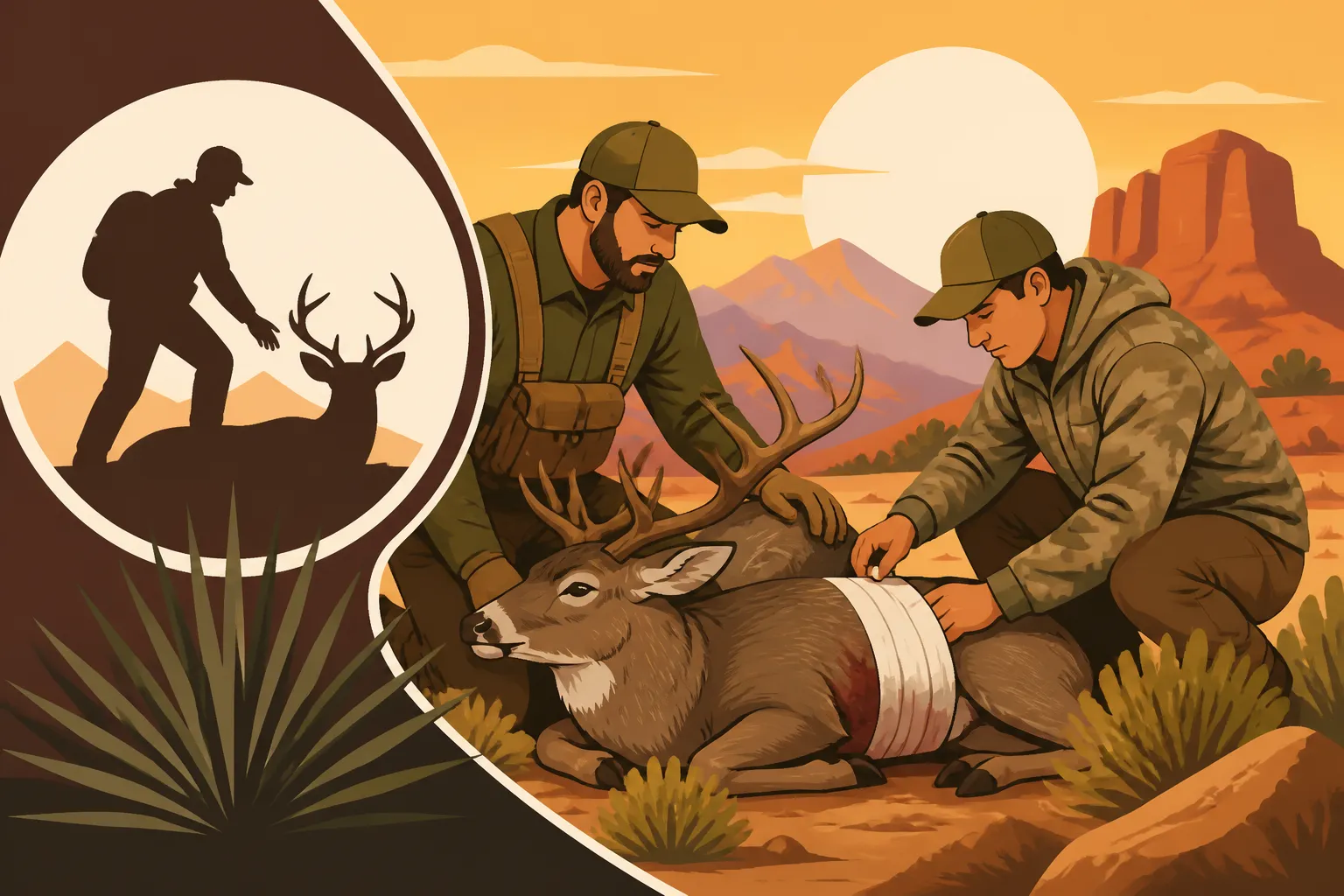
Every hunter eventually faces that gut-wrenching moment: you've made a shot, but the animal didn't drop. It's a mix of adrenaline, hope, and a deep pit in your stomach, wondering if you hit it well enough, or worse, if you've inflicted a wound that won't lead to a recovery. This is where the experience and ethical commitment of a New Mexico outfitter truly shines, transforming a potentially devastating situation into a determined, professional recovery effort. This guide will walk you through exactly how reputable outfitters handle the challenge of a wounded animal, from the immediate aftermath of the shot to the meticulous tracking and, hopefully, the successful recovery.
The Immediate Aftermath: What Happens Right After the Shot?
The seconds and minutes following a shot that doesn't immediately put an animal down can feel like an eternity. Your heart is pounding, your mind races, and you're fighting the urge to sprint after it. However, a seasoned outfitter knows that patience and precise observation are your most powerful tools in these critical moments.
Initial Assessment and Hunter's Role
Right after the shot, your outfitter will immediately turn to you, not to scold or critique, but to gather every single piece of information. They'll ask about the sound of the hit – was it a solid thwack, a dull thump, or did it sound like a miss? They’ll inquire about the animal’s reaction: did it mule kick, hunch up, bolt straight away, or wobble on its feet? Observing where the animal was standing, the direction it ran, and any physical reactions like a flinch, a dropped leg, or a sudden burst of speed, provides crucial clues for the tracking effort that's about to begin. They might even have been watching through optics, offering their own observations to piece together a more complete picture. It's a moment for critical recall, not emotional reaction.
Your role in these first few minutes is paramount. You are the one who pulled the trigger or released the arrow, and your immediate perception of the shot placement and the animal’s reaction is invaluable. Don't embellish or guess; simply describe what you saw and heard as accurately as possible. Did you see the arrow hit, and if so, where? Did you watch the bullet impact dust on the far side of the animal? Even if you think you missed, tell your guide everything. Sometimes what feels like a miss is actually a perfect hit that simply didn't drop the animal instantly. Trust your outfitter to sift through the information and make an informed decision based on their years of experience reading animal behavior and shot indicators.
Communicating the Shot Placement
Accurate communication about shot placement is arguably the most critical step. Your outfitter will ask you to describe exactly where you aimed and where you believe the projectile struck. Was it high shoulder, low lung, gut, or did it feel like a glancing blow? This isn't a test; it's vital intelligence. If you say "high shoulder," they'll know to look for heavy muscle blood and potentially a broken bone. If you suspect a gut shot, they'll know to expect sparse, greenish blood and stomach contents, and they'll implement a much longer waiting period before initiating the track.
Understanding the anatomy of the animal you're hunting—whether it's an elk in the Gila or a mule deer in northern New Mexico—is something your outfitter intrinsically knows. They can interpret your description of the hit in terms of what internal organs might have been affected. This directly impacts the strategy: how long to wait, what kind of sign to expect, and how aggressively to pursue. It's a testament to their expertise that they can take your potentially shaky account and translate it into a strategic tracking plan, keeping the animal's welfare and the ethical recovery at the forefront.
Tracking Procedures: Diligence and Strategy
Once the initial information is gathered, the tracking begins, but not always immediately. A skilled outfitter employs a methodical, patient approach, understanding that rushing in can push a wounded animal further and make recovery exponentially more difficult.
The Waiting Game: When to Track
This is often the hardest part for the hunter: the waiting. After an initial visual of the animal running off, an experienced outfitter will almost always impose a waiting period. This isn't because they're lazy; it's a calculated, ethical strategy. A wounded animal, if not pushed, will often bed down nearby. If you rush in, that animal might get up, run further, and leave a much lighter blood trail, making recovery far less likely. The waiting period allows the animal to stiffen up, bleed out, and often expire in its bed.
The length of the wait depends entirely on the suspected hit. A solid lung or heart shot might warrant an hour or two. A suspected liver shot could mean waiting 4-6 hours. And a gut shot? That’s typically an overnight wait, often 8-12 hours or even longer, depending on the weather conditions. During this time, your outfitter will likely keep you busy, perhaps eating lunch, reviewing maps, or just sitting quietly, explaining the reasoning behind the wait. This is where their experience truly pays off, knowing when to be patient and when to act. It's a frustrating period for the hunter, but it's crucial for a successful and ethical recovery. Field Dressing in Desert Heat can become a real challenge if the waiting period extends into the warmer parts of the day.
Reading the Sign: Blood Trails and Tracks
When the track finally begins, it's a slow, meticulous process. The outfitter, often with a trained eye developed over decades, will become a detective. They'll search for the initial blood spray at the point of impact, then look for a distinct trail. They're not just looking for blood; they're reading the story the animal leaves behind. Is the blood bright red and frothy (lung)? Dark red (muscle/vein)? Greenish with stomach contents (gut)? The amount of blood, its color, consistency, and how it’s sprayed or dripped, all offer vital clues.
Beyond blood, they'll be scrutinizing tracks, scuffs, broken branches, disturbed leaves, and even overturned rocks. A slight drag mark from a leg, a wider stance from a wounded animal, or a sudden change in direction can all indicate where the animal is headed or where it might have bedded. This is where deep knowledge of the local terrain and animal behavior comes into play. In areas with rocky ground like parts of New Mexico, blood might be sparse, making tracks and other disturbances paramount. The outfitter will often instruct you to keep your eyes peeled a few steps ahead, helping to spot the next sign while they focus on the immediate trail. This cooperative effort dramatically increases the odds of success. Reading Fresh Elk Sign in Ponderosa Timber or even subtle changes in desert scrub can mean the difference between recovery and a lost animal.
Employing Technology and Expertise
While experience and keen eyesight are paramount, modern outfitters often blend traditional tracking skills with technology. GPS devices are essential for marking the last known blood, the point of impact, and the general direction of travel. This creates a virtual breadcrumb trail that can be invaluable if the physical trail disappears. Some outfitters might use thermal optics or drones (where legal and ethical for recovery, not scouting) for broader searches, especially in vast, open country or dense timber where visibility is limited. However, these are tools to aid, not replace, the fundamental tracking skills.
Many reputable outfitters, those you might find through platforms like BookYourHunt or research through resources like GoHunt, invest in specialized training or even utilize tracking dogs (where legal) to aid in difficult recoveries. A well-trained dog can follow a scent trail that is completely invisible to the human eye, dramatically improving recovery rates on tough tracks. Before a hunt, it's always a good idea to discuss the outfitter's approach to wounded animals and what resources they have at their disposal. This not only sets expectations but also reinforces the ethical commitment to recovery.
Difficult Scenarios and Ethical Considerations
Not every tracking job is straightforward. New Mexico's diverse terrain, from the dense timber of the Gila to the vast, open plains, presents unique challenges that test even the most experienced trackers.
Lost Blood Trails and Tough Terrain
Imagine tracking a wounded elk through a fresh rainstorm in the Gila National Forest. The rain washes away blood, soft ground becomes mud, obscuring tracks, and thick underbrush makes visibility minimal. This is where an outfitter's resourcefulness comes into play. They might expand the search area, creating wide grids around the last known sign, looking for any new clues like disturbed vegetation or even buzzards circling. They’ll use their knowledge of the area, thinking about where a wounded animal would naturally go – downhill towards water, into dense cover, or towards a familiar bedding area. Playing Thermals on a Canyon Stalk or using draws to close distance applies not only to active hunting but also to understanding how a wounded animal might move.
Similarly, in the arid desert units, a blood trail on rocky ground can vanish without a trace. Here, tracks and broken twigs become even more critical. An outfitter might bring in extra help from other guides or camp staff to widen the search party, meticulously combing the area. The commitment isn't just to the kill; it's to the ethical recovery of every animal. This often means long hours, covering many miles, and pushing through frustration until every possible avenue has been exhausted.
When the Animal Crosses Boundaries
New Mexico's landscape is a patchwork of public and private lands, and a wounded animal doesn't respect property lines. If a wounded animal crosses onto private property, the situation becomes much more complicated. Your outfitter will immediately cease pursuit at the boundary and contact the landowner to gain permission to retrieve the animal. This is a critical legal and ethical step. Trespassing, even to recover a wounded animal, is illegal and can result in severe penalties, not to mention damaging relationships with landowners that outfitters often rely on for access. Retrieving Game From Private Land in New Mexico is a specific regulation that outfitters are intimately familiar with.
A good outfitter will have established relationships with local landowners and know the protocol for gaining access. They'll make the necessary calls, explain the situation calmly, and do everything in their power to get permission. If permission is denied, or if the landowner cannot be reached, the outfitter will respect that decision, however difficult it may be. This is a tough pill to swallow for any hunter, but it's a reality of hunting in areas with mixed land ownership. The outfitter’s professionalism in these moments is a true reflection of their ethical compass.
The Outfitter's Ultimate Call
Ultimately, the decision to continue tracking, to call in additional help, or to finally give up the search rests with the outfitter. It's a heavy responsibility. They weigh the evidence, the conditions, the likelihood of recovery, and the ethical obligation. They will push hard, often beyond what the average hunter would consider reasonable, but they also know when they've exhausted all possibilities. This isn't a decision made lightly; it's often the culmination of hours or even days of relentless effort.
The outfitter will clearly communicate their reasoning to you, explaining why they're continuing or why they're making the difficult choice to call off the search. They understand the emotional toll this takes on a hunter and will handle the conversation with empathy and respect. It's a crucial part of their service to guide you through these challenging ethical dilemmas, ensuring that every reasonable effort was made for a humane and successful recovery.
Recovery and What Comes Next
When a wounded animal is finally recovered, there's a profound sense of relief, gratitude, and respect. The outfitter’s job isn't done yet; they transition from tracker to field specialist, ensuring the meat is cared for and all regulations are met.
Field Dressing and Meat Salvage
Upon recovery, the first priority for any ethical outfitter is to properly field dress the animal to preserve the meat. This means gutting it quickly and efficiently to allow the carcass to cool, especially if hunting in warmer temperatures. In New Mexico, especially during early archery seasons or desert hunts, Heat Management on an Early Season Hunt is critical, and cooling the meat down rapidly is paramount to prevent spoilage. Your outfitter will guide you through this process, or perform it themselves, ensuring clean cuts and proper handling.
They'll also ensure all mandatory tagging and reporting requirements are met. In New Mexico, every harvested animal must be tagged immediately, and often, specific evidence of sex must remain with the carcass during transport. Your outfitter knows these rules inside and out and will make sure you comply. They'll then assist with packing the animal out, whether by vehicle access, ATV, horseback, or shoulder carry, especially in wilderness units like those found within The Gila National Forest as New Mexico Elk Country. This commitment to the entire process, from shot to table, is a hallmark of a professional guide.
Dealing with Unrecovered Animals
Despite the best efforts, there are times when an animal is wounded and simply cannot be recovered. This is the hardest part of hunting and something no hunter or outfitter ever wants to face. If this happens, your outfitter will ensure you understand that every possible effort was made. They will often document the search, noting the last signs found and the extent of the area covered. This is not just for their own records but also to provide you with closure and assurance of their ethical commitment.
In such unfortunate circumstances, the outfitter will also advise you on how to handle your tag. In New Mexico, a wounded and unrecovered animal typically means your tag is still "used" for that species for that specific hunt, as the ethical commitment to pursue was fulfilled. This is a tough reality, but it underscores the serious responsibility we undertake as hunters. A good outfitter helps you process this difficult experience, emphasizing the lessons learned and the respect owed to the animal, even in absence of a recovery.
Here's a quick breakdown of actions when dealing with a wounded animal:
| Action Category | Hunter's Role | Outfitter's Role |
|---|---|---|
| Immediate | Observe, calmly recall shot placement & animal reaction | Gather info, assess situation, establish waiting period |
| Tracking Start | Stay focused, spot obvious signs, follow directions | Leads the track, reads subtle signs, interprets blood/tracks |
| Challenges | Report any new observations, maintain patience | Adapts strategy, uses terrain knowledge, problem-solves |
| Boundaries | Do NOT cross private land; inform outfitter | Contacts landowners, respects permissions, ensures legality |
| Recovery | Assist with field dressing, tagging, packing out | Oversees field dressing, ensures compliance, coordinates transport |
| Unrecovered | Accept ethical decision, reflect on lessons | Explains decisions, documents efforts, provides guidance on tag status |
When you book a hunt in New Mexico, especially through a reputable service, you're not just paying for access to land or a guide to show you where the animals are. You're hiring expertise, a commitment to ethical hunting, and a partner who will stand with you through the challenging moments, including the emotionally tough situation of a wounded animal. Whether you're chasing Bugling Bulls Through New Mexico's Mid-September Rut or stalking Mule Deer Across New Mexico's High Country and Desert, knowing your outfitter is prepared for every eventuality offers invaluable peace of mind. They are there to maximize your chances of success, and perhaps more importantly, to ensure that the hunt is conducted with the utmost respect for the animal and the land. They are your best resource for navigating New Mexico Legal Shooting Hours for Big Game and understanding every detail of the hunt. This partnership is what makes a truly memorable and ethical hunting experience.
Disclaimer
This article is for general informational purposes only and does not constitute professional advice. Laws, prices and regulations vary by location and change over time. Consult a qualified professional for guidance on your specific situation.