The 10 Percent New Mexico Outfitter Pool
The New Mexico big game draw can feel like a high-stakes lottery, especially for non-residents dreaming of a coveted elk or mule deer tag. The reality is, drawing a tag in the general public pool can be incredibly challenging, leading to years of frustration for many dedicated hunters. This comprehensive guide will pull back the curtain on one of the unique avenues available: the New Mexico Outfitter Pool, explaining exactly what it is, how it works, and how it might factor into your hunt planning.
Understanding the 10 Percent Outfitter Allocation
For many hunters, the New Mexico draw system seems complex, with different pools and allocations. One of the most talked-about, and sometimes misunderstood, aspects is the outfitter pool. This isn't just a rumor; it's a specific, codified part of the New Mexico Department of Game and Fish (NMDGF) regulations that sets aside a significant portion of tags for hunters who book with a licensed New Mexico outfitter.
The Purpose Behind the Outfitter Pool
The New Mexico Outfitter Pool was established with a clear intent: to support the state's outfitting industry and provide another avenue for hunters to access tags. It's a way to incentivize hunters to hire local professionals who contribute to the state's economy and often possess invaluable knowledge of the terrain and game movements. For outfitters, it provides a stable client base and a competitive edge in a highly sought-after hunting destination. This 10 percent allocation is a consistent feature across most big game species, from elk and deer to oryx and bighorn sheep. It’s part of the broader allocation system, where New Mexico's big game hunts are traditionally split, with 84% for residents, 10% for outfitter clients, and 6% for non-resident unguided hunters. Understanding this core structure is the first step in decoding the New Mexico draw.
How the Allocation Works for Specific Hunts
It’s important to remember that this 10 percent isn't just a lump sum; it applies to each individual hunt code. This means that if a specific archery elk hunt in Unit 15 has 100 tags allocated, 10 of those tags will be reserved for applicants who apply with a registered outfitter. This happens across the board, for every unit and every season, whether it's an early archery deer hunt or a late muzzleloader elk season. This granular application of the rule ensures that the outfitter pool remains a viable option for a wide array of hunt types and species. The system is designed to provide consistency, ensuring that the outfitter-guided opportunity is present no matter what hunt you’re targeting, making it a critical consideration for those looking to increase their odds of drawing a tag in what can be an otherwise daunting process.
Navigating the Outfitter Application Process
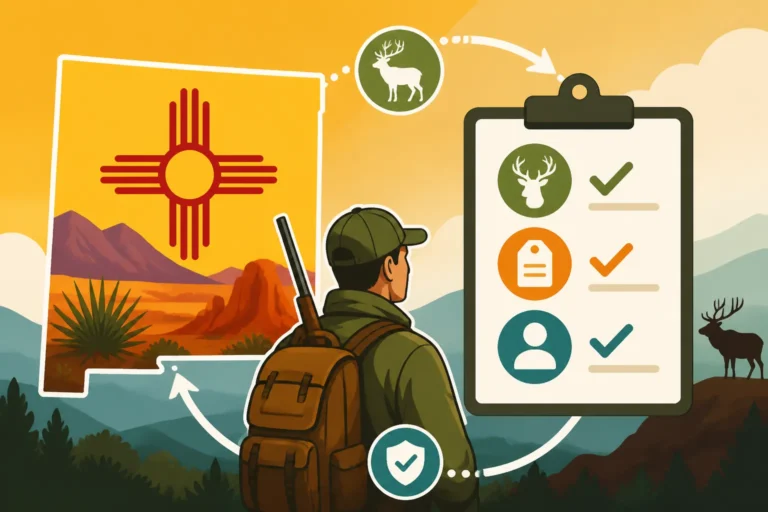
Applying through the New Mexico Outfitter Pool isn't just about checking a different box on the application; it involves specific requirements and a deeper commitment to a guided hunt. It's a structured process designed to ensure legitimate outfitter-client relationships and to maintain the integrity of the draw.
The Required Guide-Client Contract
One of the most defining aspects of applying in the outfitter pool is the absolute requirement of a signed guide-client contract. You can't simply apply as an "outfitter client" without having a formal agreement in place with a licensed New Mexico outfitter. This contract isn't just a formality; it's a legally binding document that outlines the services the outfitter will provide, the hunt dates, the fees, and other critical terms. This contract must be signed by both you and the outfitter before you submit your application to the NMDGF. It's proof that you have made a genuine commitment to a guided hunt. Without this contract, your application in the outfitter pool will likely be rejected, defaulting you to the general non-resident pool if you are a non-resident, or simply invalidating your outfitter choice if you are a resident. It's a crucial step that underscores the seriousness of applying through this specific avenue.
Entering Your Outfitter Number on the Application
Once you have your signed contract, the next critical step is to correctly enter your outfitter's registration number on your online New Mexico hunting application. Every licensed outfitter in New Mexico has a unique registration number, and this number is what ties your application directly to their outfitting service. This isn't a field you can leave blank or guess at; it must be accurate and valid. The NMDGF cross-references this number with their database of registered outfitters and may even verify the existence of your contract. This administrative detail is paramount. Make sure your outfitter provides you with their exact, current registration number well in advance of the application deadline. Many hunters find resources like GoHunt's Insider service helpful for double-checking application details and deadlines, ensuring all necessary information is correctly submitted before the March deadline for New Mexico applications. Incorrect information here can derail your entire application, wasting your application fees and dreams of a New Mexico hunt.
Does an Outfitter Really Improve Your Draw Odds?
This is the million-dollar question for many hunters contemplating the outfitter pool: does it actually boost your chances of drawing a tag? The answer is nuanced, but generally, yes, applying in the outfitter pool can statistically improve your odds, particularly for non-residents and for highly sought-after species and units.
Analyzing the Numbers: Outfitter vs. General Pools
To understand why the odds can be better, you need to look at the mathematics of the draw. As mentioned, 10% of tags are allocated to the outfitter pool. While this is a smaller percentage than the resident pool (84%), it's a significantly larger pool than the general non-resident allocation (6%). More importantly, the number of applicants in the outfitter pool for many hunts is often lower than the number of applicants in the general non-resident pool. Fewer applicants for a larger percentage of tags often translates directly into higher draw odds.
Consider a hypothetical scenario for a coveted bull elk tag:
| Applicant Pool | Allocation | Total Applicants (Hypothetical) | Tags Available (Hypothetical) | Approximate Odds |
|---|---|---|---|---|
| Resident | 84% | 10,000 | 840 | 8.4% |
| Outfitter Client | 10% | 500 | 100 | 20% |
| Non-Resident | 6% | 3,000 | 60 | 2% |
Note: These numbers are purely illustrative and do not reflect actual draw odds.
As you can see from this hypothetical table, the outfitter client pool, despite being smaller in raw tag numbers than the resident pool, offers significantly better odds due to fewer applicants competing for those tags. This is a primary reason why many non-residents, in particular, view the outfitter pool as their best chance to draw. Keep in mind that New Mexico draw odds do not improve with time, as there are no preference points, so every applicant starts on an even playing field each year.
Factors Influencing Actual Odds
While the general principle holds true, the actual improvement in draw odds can vary dramatically based on several factors. The popularity of the unit, the specific species, and the hunt date all play a significant role. For extremely popular elk hunts in units like 15 or 16D, even the outfitter pool can be highly competitive, though still likely offering better odds than the general non-resident pool. For less popular hunts or species, the outfitter pool might offer substantially higher chances. It's crucial to consult the NMDGF draw statistics from previous years to get a realistic picture for the hunt codes you're interested in. Many hunters use tools like GoHunt's data analysis to check New Mexico draw odds before they apply, providing insights into success rates across different units and hunt choices. This research is vital for making an informed decision about whether the outfitter pool is the right strategy for your desired hunt. Ultimately, while it doesn't guarantee a tag, applying with an outfitter often shifts the mathematical advantage in your favor compared to the general non-resident draw.
The Crucial Outfitter-Client Contract and Field Requirement
Beyond just securing a tag, the outfitter pool comes with specific obligations, particularly regarding the actual hunt itself. The state of New Mexico doesn't just allocate tags and then wash its hands of the process; it mandates a certain level of commitment and presence from the outfitter.
The Two-Day Accompaniment Rule
One of the most talked-about requirements of the New Mexico Outfitter Pool, clearly outlined in the guide-client contract, is the "two-day accompaniment rule." This regulation states that your contracted outfitter, or a registered guide working for them, must physically accompany you in the field for a minimum of two days of your hunt. This isn't just about dropping you off at a trailhead and picking you up later; it means direct, in-person guiding and supervision during two full hunting days. This rule is in place to ensure that hunters truly benefit from the expertise of a professional guide and that the outfitter's role isn't merely to provide a tag application service. It ensures that the spirit of the outfitter pool, which is to support guided hunting, is upheld. It's a critical detail to discuss with your prospective outfitter, ensuring their schedule and your expectations align with this state requirement. If your New Mexico guide cannot attend, they must have a registered substitute present to fulfill this obligation.
Responsibilities of the Outfitter and Hunter
The guide-client contract isn't just about the two-day rule; it's a comprehensive document that delineates responsibilities for both parties. The outfitter is typically responsible for providing professional guidance, knowledge of the hunting area, game scouting, equipment for the hunt (horses, tents, etc., depending on the package), and assistance with game recovery and field dressing. They are also legally bound to adhere to all New Mexico hunting regulations and ensure their clients do the same.
On the hunter's side, responsibilities usually include:
- Physical Preparation: Being in adequate physical condition for the hunt's demands.
- Equipment: Bringing appropriate personal hunting gear, clothing, and weaponry.
- Ethical Conduct: Adhering to fair chase principles and all hunting laws.
- Financial Obligations: Fulfilling all payment terms as outlined in the contract, including any deposits, final payments, and potential trophy fees or gratuities.
- Communication: Maintaining open communication with the outfitter about expectations and any concerns.
Understanding these shared responsibilities before signing any contract is paramount to a successful and enjoyable guided hunt. This ensures there are no surprises once you're in the field, navigating terrain like the vast Gila National Forest, where proper planning and communication are key. Reviewing the terms of the signed guide-client contract New Mexico requires is essential for a smooth experience.
Selecting the Right Outfitter for Your New Mexico Hunt
Choosing an outfitter isn't just about finding one with availability; it's about finding the right partner for your hunting adventure. A good outfitter can make or break your trip, so a thorough vetting process is absolutely critical.
Key Questions to Ask Prospective Outfitters
Before you send any deposit, have a detailed conversation with several outfitters. Here are some key questions to ask, going beyond just price and availability:
- Experience and Specialization: How long have they been outfitting in New Mexico? Do they specialize in the species you're pursuing (e.g., elk, mule deer, oryx) or the specific unit you're targeting?
- Hunt Style: What is their typical hunting style? Spot-and-stalk, still-hunting, calling, sitting water? Does this align with your preferences and physical capabilities? For example, a hunt in the Gila might involve extensive hiking and pack-in camps, which is very different from a desert oryx hunt from a vehicle.
- Success Rates & Harvest History: While past performance doesn't guarantee future results, ask about their historical success rates, specifically for the hunt you're interested in. Don't just ask about "opportunity rates"; inquire about actual harvest rates. Be wary of anyone promising a guaranteed kill.
- Inclusions & Exclusions: Get a clear list of what the hunt price includes (food, lodging, transportation in the field, guides, caping/quartering) and what it doesn't include (license/tag fees, meat processing, taxidermy, travel to camp, tips).
- References: Always ask for a list of recent references (past 1-3 years). Contact these references and ask specific questions about their experience, the guide, the camp, and whether their expectations were met.
- Cancellation Policy & Refunds: Understand their policy if you fail to draw a tag or if they have to cancel the hunt for unforeseen circumstances.
- Guide-to-Hunter Ratio: What is the typical guide-to-hunter ratio? One-on-one is often ideal but more expensive; a 1:2 ratio is common.
- Physical Demands: Get an honest assessment of the physical demands of the hunt. This helps in your altitude preparation for a Gila elk hunt or conditioning for a desert hunt.
- Emergency Procedures: What are their protocols for medical emergencies in the backcountry? Do they carry satellite communication devices?
Many of these questions can be researched or even partially answered using resources like GoHunt's outfitter directory and review sections, which can provide invaluable insights from other hunters before you even make that first phone call. This due diligence is crucial for a successful and enjoyable experience.
Red Flags and What to Avoid
While most New Mexico outfitters are reputable, it's essential to be aware of potential red flags that could signal a less-than-ideal operation:
- Vague Answers or Evasiveness: If an outfitter is unwilling to provide direct answers to your questions, specific hunt details, or references, that's a major warning sign.
- Unrealistic Guarantees: No ethical outfitter can guarantee a kill. Wildlife is wild, and conditions vary. Promises of "100% success" should be met with extreme skepticism.
- Lack of Licensing/Insurance: Verify that the outfitter is properly licensed by the NMDGF and carries adequate liability insurance. Don't be afraid to ask for proof.
- Poor Communication: An outfitter who is slow to respond, doesn't return calls, or provides inconsistent information before you've even booked may offer similar communication during your hunt.
- Pressure to Book Immediately: While good outfitters book up quickly, excessive pressure to pay a large deposit without ample opportunity for due diligence is a red flag.
- Disparaging Other Outfitters: Professional outfitters focus on their own services, not tearing down competitors.
- No Written Contract: As discussed, a written guide-client contract is a legal requirement. Any outfitter suggesting otherwise is operating outside of the rules.
By asking the right questions and being alert to these red flags, you significantly increase your chances of finding a professional, ethical, and successful New Mexico outfitter who can help you realize your hunting goals. Remember, your investment in a guided hunt is substantial, so choose wisely.
Beyond the Draw: Other Ways to Hunt New Mexico
While the outfitter pool is a valuable avenue, it's not the only way to hunt New Mexico, especially if the draw doesn't go your way or if you're looking for different experiences. Understanding these alternatives can round out your hunt planning strategy.
EPLUS Authorizations and Landowner Tags
New Mexico has a unique program called EPLUS (Elk Private Lands Use System) that allows private landowners to receive elk authorizations (tags) based on the amount of elk habitat they provide. These EPLUS tags can then be sold or transferred to hunters. This system essentially bypasses the public draw, offering a guaranteed tag.
- How it Works: Landowners apply for EPLUS authorizations, which are granted by the NMDGF. They then sell these authorizations, often at a premium, to hunters. These can be "unit-wide" authorizations, allowing you to hunt public land within a specific unit, or "ranch-only," restricting you to the private land where the authorization originated.
- Cost: EPLUS tags are typically more expensive than drawn tags because you're paying both the NMDGF license fee and the landowner's price for the authorization itself. Prices vary widely depending on the unit, hunt dates, and whether it's unit-wide or ranch-only.
- Outfitter Connection: Many outfitters in New Mexico also have access to EPLUS tags, either directly through their own land or through relationships with other landowners. This can be a way to book a fully guided hunt with a guaranteed tag, though it usually comes at a higher price point. Understanding how EPLUS puts New Mexico elk tags in landowner hands is crucial for exploring this option.
This avenue is particularly attractive for hunters who want to avoid the uncertainty of the draw and are willing to invest more for a guaranteed opportunity.
Leftover License Sales and Youth Opportunities
Even after the primary draw and subsequent re-application periods, New Mexico often has leftover licenses available for purchase, typically in July or August. These are usually for less popular units, archery hunts, or cow elk tags, but they represent a tangible opportunity to get a tag without going through the draw.
- Timing: Leftover licenses are usually sold online on a first-come, first-served basis, and they can go very quickly, sometimes within minutes. You need to be ready to purchase right when they become available.
- Species & Units: While trophy bull elk tags are rare in the leftover sales, you might find opportunities for cow elk, deer, or other species in various units. This can be a great way to experience a New Mexico hunt even if your primary draw application was unsuccessful.
- Youth Hunts: New Mexico is also very supportive of youth hunters, offering specific youth-only hunts that often have better draw odds or are available as leftover tags. The New Mexico Mentored Youth Program Explained allows young hunters to experience the field under an adult mentor before they complete hunter education. These youth-specific opportunities are a fantastic way to introduce the next generation to hunting in the state. Keep an eye on the NMDGF website for announcements regarding leftover license sales and youth-specific hunt codes. Subscribing to email alerts from the NMDGF and using tools like GoHunt can help you stay informed about when undersubscribed New Mexico hunts go on sale.
By exploring these various avenues—the outfitter pool, EPLUS tags, and leftover licenses—hunters have multiple pathways to pursue their New Mexico hunting dreams, each with its own advantages and considerations.
Disclaimer
Please note: Hunting regulations and fees in New Mexico are subject to change. Always consult the official New Mexico Department of Game and Fish (NMDGF) website and the current year's hunting proclamation for the most accurate and up-to-date information before planning any hunt or submitting an application.