What Outfitter Prices Almost Never Include
You've saved, planned, and finally committed to that dream New Mexico guided hunt. You've seen the impressive headline price from an outfitter, taken a deep breath, and mentally prepared for the investment. But then, as you dig deeper or start preparing, a host of other expenses begin to surface, making that initial number feel more like a starting bid than a final tally. It's a common frustration, and this guide is here to unravel what those outfitter prices almost never include, helping you budget accurately and avoid those unwelcome financial surprises.
The Sticker Shock: Understanding the "All-Inclusive" Myth
It's easy to look at an outfitter's advertised price and assume it covers everything from the moment you leave your doorstep to the moment you return with a cooler full of meat and a trophy for the wall. The reality, however, is often a bit more nuanced. That advertised price, while significant, usually covers the core service and experience, leaving several other critical components for you to manage and fund separately.
Why Base Prices Can Be Misleading
Outfitters aren't trying to pull a fast one when they quote a base price. Rather, it's a practical necessity due to the incredible variability in a hunter's needs and preferences. Imagine trying to set a single price that covers someone flying in from across the country needing a rental car, a rifle rental, and full taxidermy, versus a local hunter driving their own truck, using their own gear, and doing their own meat processing. It would be impossible to create a "one size fits all" package.
Instead, outfitters typically present a core service — the guiding itself, the camp experience, and the in-field logistics. Everything else is usually considered an add-on or a personal expense that you, the hunter, are responsible for. The initial excitement of seeing that guided elk hunt price can quickly give way to a slight panic as you realize the hidden layers of cost. But with a clear understanding, this doesn't have to be a source of stress; it simply becomes part of your overall budgeting strategy for a New Mexico adventure.
What Most "Standard" Packages Do Include
Generally speaking, when an outfitter quotes a price for a New Mexico hunting package, you can expect it to cover the essential elements of the guided experience itself. This typically includes the guide's professional time and expertise, which is invaluable for navigating unfamiliar terrain and understanding animal behavior. You're paying for their scouting, their knowledge of the unit, and their dedication during the hunt.
Beyond the guide, the package usually covers your accommodations in camp. This might be a comfortable wall tent, a rustic cabin, or even an RV setup, depending on the outfitter and the location. Food and non-alcoholic beverages during the hunt are almost always provided, keeping you fueled for those long days in the field. In-field transportation, whether by truck, ATV, or horseback, is also part of the deal, ensuring you get to and from hunting areas efficiently. Many outfitters will also include basic field dressing of your harvested animal and initial caping for a trophy. This core experience is what you're primarily investing in, and it's the foundation of a successful and memorable hunt.
The Essential Costs That Are Almost Always Extra
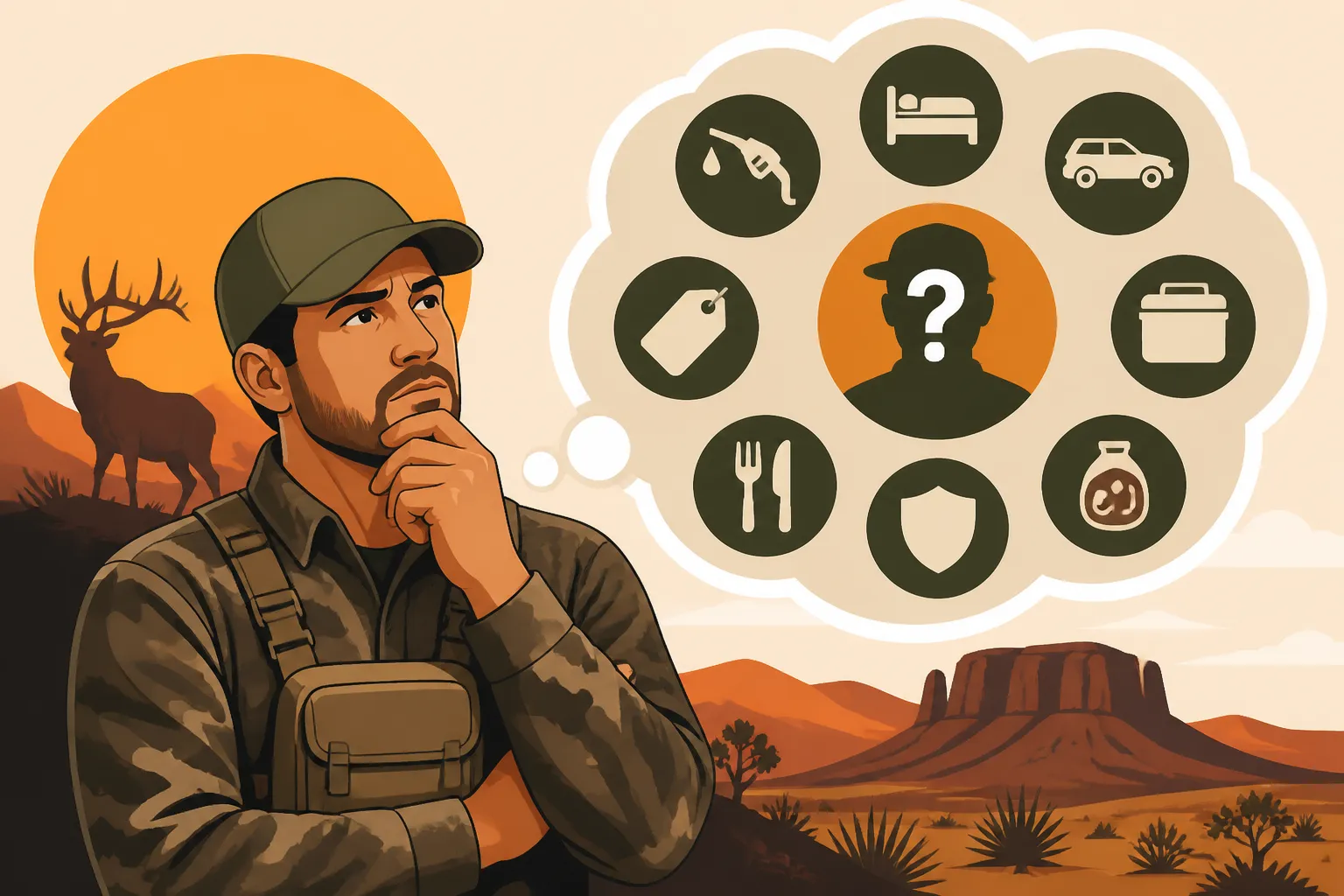
While the guiding service forms the heart of your hunt, a successful trip to New Mexico involves a constellation of other expenses. These are the big-ticket items that outfitters simply cannot or do not include in their base price.
Licenses, Tags, and Application Fees
This category represents one of the most significant external costs, and it's a non-negotiable part of hunting in New Mexico. No outfitter can legally purchase your hunting license or specific species tags for you, nor can they guarantee you'll draw a tag. These are personal permits issued by the state.
Here's what you'll need to budget for:
- Game Hunting License: This is your basic permit to hunt in the state. For non-residents, this is a substantial upfront cost that must be purchased before applying for any species tags. Understanding The Nonresident New Mexico Game Hunting License is crucial from the outset.
- Species-Specific Tag: Whether you're chasing elk, mule deer, or oryx, each requires a separate tag. The cost of these tags varies wildly by species and residency. For instance, nonresident New Mexico elk tag pricing for a bull elk will be considerably higher than a cow elk tag or a deer tag.
- Application Fees: When you enter the draw for limited-entry hunts, there are often non-refundable application fees per species. It's a small fee, but it adds up if you apply for multiple species, and you lose that money even if you're unsuccessful in the draw. You can find these details under New Mexico Application Fees Per Species.
- Habitat Management and Access Validation (HMAV) & Habitat Stamp: These are often required in addition to your license and tag, especially if you're hunting on federal lands like National Forests or BLM.
It's imperative to understand the New Mexico draw system and its associated costs well in advance. Many hunters use resources like GoHunt to research draw odds and plan their application strategy, considering these separate tag fees and the likelihood of drawing. This financial commitment is necessary whether you draw a public land tag or pursue an EPLUS landowner tag, making it a critical part of your overall hunt budget. Reading a New Mexico Hunt Code Before You Apply can help demystify the process.
| Cost Category | Description | Typically Included in Outfitter Price? |
|---|---|---|
| State Hunting License | Basic license required to hunt any species in New Mexico. | No |
| Species Tag (Elk, Deer, Oryx) | Specific tag for the animal you are pursuing. | No |
| Application Fees | Non-refundable fees to enter the draw for limited-entry tags. | No |
| HMAV & Habitat Stamp | Required for hunting on many public lands. | No |
| Travel (Airfare, Fuel, Rentals) | Getting to and from the hunt area. | No |
| Pre/Post-Hunt Lodging | Hotels before arriving at camp or after leaving. | No |
| Gratuities / Tips | Customary tips for guides, cooks, and other camp staff. | No |
| Meat Processing | Butchering, cutting, wrapping, and freezing your game. | No |
| Taxidermy Services | Caping, skull cleaning, and mounting your trophy. | No |
| Shipping (Meat/Trophy) | Transporting your harvested animal or trophy back home. | No |
| Personal Hunting Gear | Your rifle/bow, ammo, optics, clothing, boots, sleeping bag. | No |
| Satellite Communication | Devices like satellite phones or messengers for remote areas. | No |
| Emergency Contingency | Funds for unexpected events or gear replacements. | No |
| Private/Tribal Land Fees | Additional fees for hunts on specific private ranches or tribal lands. | No (unless a specific "private land" package) |
Travel, Lodging (Pre/Post Hunt), and Gratuities
Once you've secured your tags, the logistics of actually getting to and from your hunt location, and showing appreciation for exceptional service, introduce another layer of costs.
- Travel Expenses: This encompasses everything related to your journey. If you're flying, consider airfare, baggage fees (especially for firearms), and rental car costs. If you're driving, factor in fuel for potentially hundreds or thousands of miles, plus wear and tear on your vehicle. For a remote New Mexico unit, the driving alone can be quite the expedition.
- Pre and Post-Hunt Lodging: Most outfitter camps operate on a strict schedule. You're typically expected to arrive at a designated meeting point the day before the hunt starts and depart the day after it ends. This means you'll likely need to budget for hotel stays in nearby towns like Albuquerque, Las Cruces, or Silver City before heading to camp and after returning. These nights are not covered by your outfitter package.
- Gratuities: This is perhaps the most overlooked, yet universally expected, expense in the guided hunting industry. Tipping your guide, cook, and any other camp staff is customary and a vital part of their income. It's a way to acknowledge their hard work, dedication, and expertise. While there's no hard-and-fast rule, a typical range is 10-20% of the hunt's base price, depending on the quality of service, effort, and whether you harvest an animal. For a deep dive into this, check out How Much to Tip a Hunting Guide. Failing to budget for gratuities can lead to an awkward situation at the end of what should be a celebratory trip.
Meat Processing, Taxidermy, and Shipping
The hunt doesn't end when the animal is on the ground. For many, bringing home quality wild game meat and a lasting trophy is a huge part of the experience. These post-harvest services are almost never included in an outfitter's base price.
- Meat Processing: Unless you plan to butcher the animal yourself, you'll need a local meat processor. Fees for cutting, wrapping, and freezing an elk or a large mule deer can be significant. If you want specialty items like jerky, sausage, or even just vacuum-sealed packages, those will add to the cost. Outfitters will usually know reputable local processors and can help arrange drop-off, but the bill is yours. For tips on managing meat in the field, especially in warmer conditions, consider Field Dressing in Desert Heat.
- Taxidermy: If you've harvested a trophy animal, the desire for a mount is strong. Taxidermy costs are substantial and vary based on the animal, the type of mount (shoulder, full body), and the taxidermist's skill and reputation. Expect to pay for caping, skull cleaning, and then the actual mounting process, which can take many months or even years. Your outfitter can often recommend a local taxidermist or one they work with regularly.
- Shipping Meat and/or Trophies: For non-resident hunters, getting your hard-earned meat and trophy home is another logistical and financial hurdle. You'll need to purchase coolers, dry ice, and arrange for freight or specialized shipping services. This can add hundreds of dollars to your overall bill, particularly for large animals like elk. Similarly, shipping a cape and antlers to your home taxidermist involves careful packing and shipping costs. Understanding Meat Processing and Shipping Costs and Shipping Capes and Antlers Home will help you plan for this final, but crucial, stage of your hunt.
Gear, Logistics, and Unexpected Incidentals
Beyond the major expenses, there are a host of smaller, but still significant, costs associated with preparing for and executing a New Mexico hunt. These are personal responsibilities that can quickly add up if not anticipated.
Personal Hunting Gear and Equipment
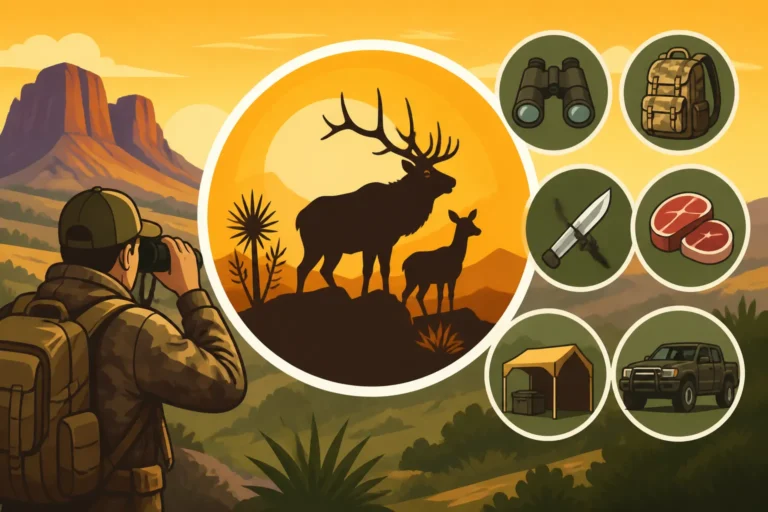
While your outfitter provides the expertise and camp essentials, you are expected to arrive fully equipped with your personal hunting gear. This isn't just about bringing a rifle or bow; it's about having the right clothing, footwear, optics, and other accessories to be effective and comfortable in New Mexico's diverse and often challenging terrain.
Think about the essentials:
- Weapon and Ammunition: Your chosen firearm or archery setup, zeroed and ready to go, along with ample ammunition or arrows.
- Optics: High-quality binoculars and a spotting scope are critical for glassing vast landscapes. Consider the power needed for Spotting Scope Power for Open Country.
- Clothing: Layered clothing suitable for extreme temperature swings, from frosty mornings to warm afternoons.
- Footwear: Durable, broken-in hunting boots are non-negotiable for navigating rocky desert ground or steep mountain trails. Don't skimp here; your feet will thank you. For advice, look at Choosing Boots for Rocky Desert Ground.
- Sleeping System: While a tent is provided, your personal sleeping bag and pad for comfort in camp are usually your responsibility.
- Backpack: A comfortable daypack for daily excursions and a larger pack for packing out game or essentials on spike camps.
The temptation to upgrade or buy new gear for a dream hunt is strong, and it's easy to spend hundreds, if not thousands, of dollars here. Many hunters use online resources like BookYourHunt or GoHunt not just for booking hunts, but also for researching gear lists recommended for specific species or terrains in New Mexico, ensuring they show up prepared.
Contingency Funds and "Just-in-Case" Expenses
Even the best-laid plans can go awry. A small buffer in your budget for unforeseen circumstances is a wise investment in peace of mind.
- Emergency Fund: What if you lose a critical piece of gear? What if your truck breaks down en route? A contingency fund can cover unexpected repairs, replacement items, or emergency medical supplies.
- Communication Devices: In many of New Mexico's remote units, cell phone service is non-existent. A satellite messenger (like a Garmin inReach or Zoleo) or a satellite phone can be a literal lifesaver for emergencies or simply keeping in touch with family. While some outfitters might have one, having your own is a personal safety measure and an additional cost. Read more about Satellite Communication From a Hunting Camp.
- Small Luxuries: Snacks, drinks, or personal hygiene items beyond what's provided in camp might be nice to have. Don't forget batteries, headlamps, or other small but essential items.
Lease Fees or Special Access Permits
Most fully guided hunts operate on public land (National Forest, BLM, State Trust Land) where your state hunting license acts as your access permit. However, some outfitters specialize in hunts on private land or tribal lands, and these often come with additional access fees that are separate from the guiding fee.
- Private Ranch Access: If an outfitter promotes a private ranch hunt, the base price might cover the guide's service, but there could be an additional "landowner fee" or lease fee that grants you access to that specific property. Always clarify this before booking.
- Tribal Land Permits: New Mexico has several sovereign tribal nations, such as the Mescalero Apache and Jicarilla Apache, who manage their own highly sought-after hunting programs. These hunts operate outside the state's draw system and come with their own, often very high, permit fees that are separate from any outfitter or guide service you might hire. If you're looking into these unique opportunities, understand that the permit itself is a significant, standalone cost. Learn more about Mescalero Apache Hunting Permits or Jicarilla Apache Hunting Permits. When you're browsing options on platforms like BookYourHunt, always double-check if any listed "outfitter" is offering a full guide service or primarily just access to private land, as the costs can differ significantly.
Understanding these distinctions is crucial for accurate budgeting and ensuring there are no surprises when you're ready to embark on your New Mexico hunting adventure.
In conclusion, embarking on a guided hunting trip in New Mexico is an incredible experience and a significant investment. The headline price from an outfitter covers the invaluable core service of professional guiding, camp logistics, and in-field support. However, by meticulously planning for the myriad of other essential costs—from licenses and tags to travel, gratuities, gear, and post-harvest services—you can ensure your dream hunt remains a joy, free from the stress of unexpected expenses. Ask detailed questions, budget realistically, and prepare thoroughly for a truly unforgettable New Mexico adventure.
Disclaimer
This article is for general informational purposes only and does not constitute professional advice. Laws, prices and regulations vary by location and change over time. Consult a qualified professional for guidance on your specific situation.