When to Take the Shot Your Guide Calls
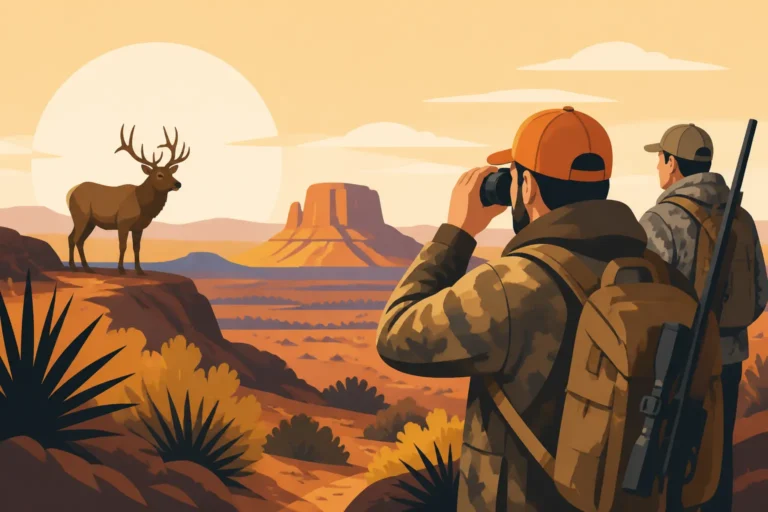
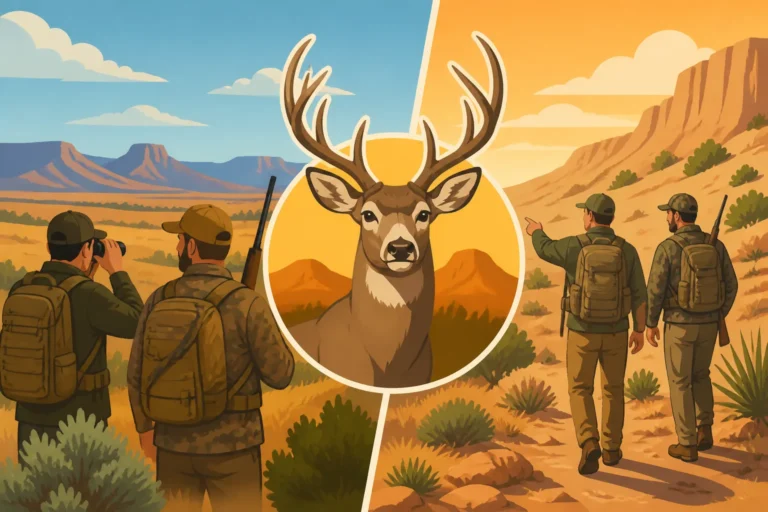
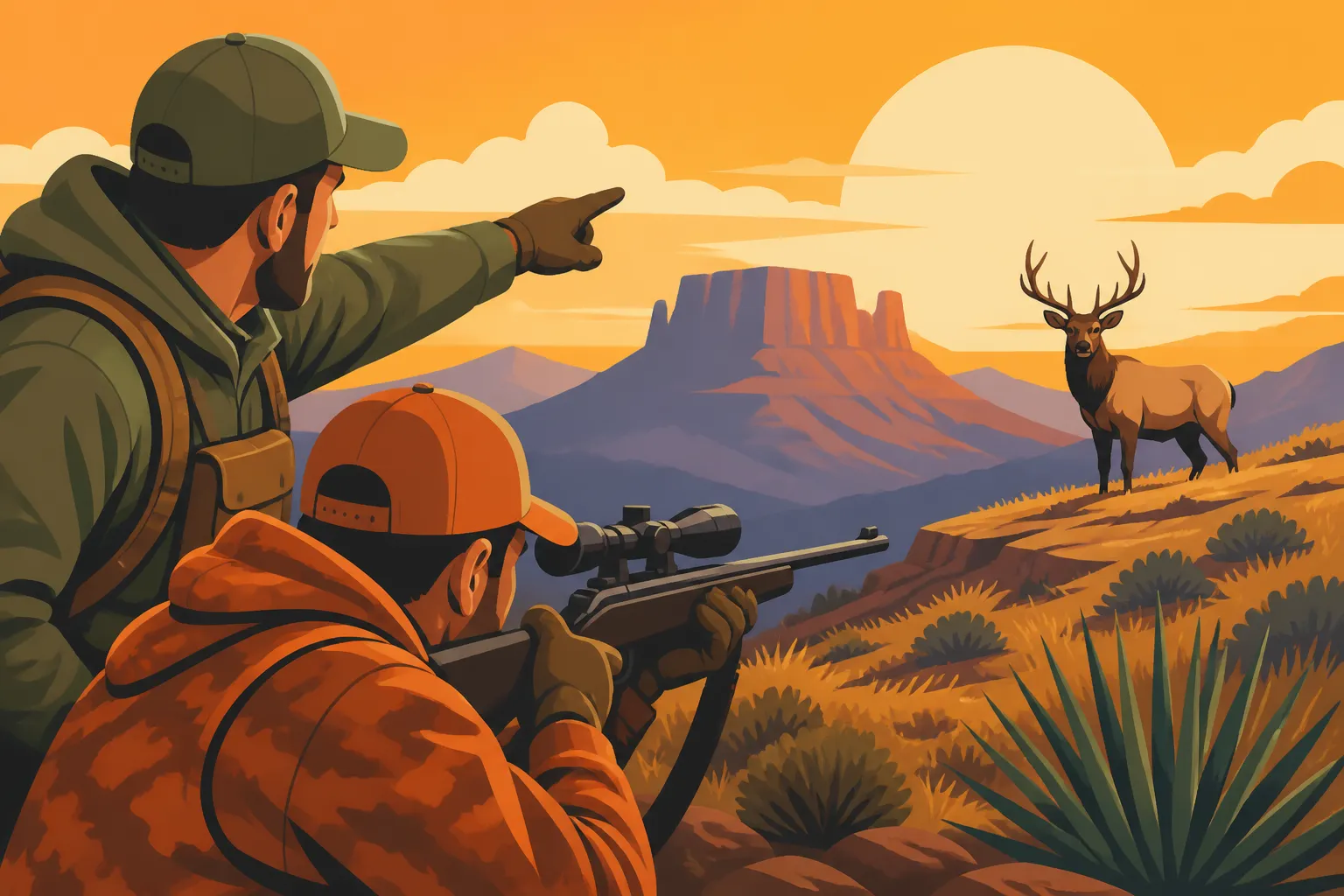
It's an incredibly common scenario: you’ve invested time, effort, and considerable expense into a guided hunt in New Mexico, traveling potentially hundreds or thousands of miles to chase an elk in the Gila or a mule deer in the high desert. You’ve put your trust in an experienced outfitter, whose knowledge of the unit and the animals is supposed to give you an edge. Suddenly, there it is—a bull or a buck appears, and your guide is whispering urgent instructions, maybe even telling you exactly when and where to shoot. This guide is all about navigating that critical moment: understanding your guide's role, interpreting their signals, and making a confident, ethical decision when the pressure is on.
The Trust Factor: Building Your Relationship Before the Moment of Truth
When you step into the field with a hunting guide, you're not just hiring someone to point out game; you're entering a partnership that relies heavily on trust. This trust isn't built in an instant, but rather cultivated through clear communication and a shared understanding of goals and ethics. The moment your guide whispers "Take the shot!" shouldn't be the first time you've thought about how you'll respond to their cues.
Communication is Key: Setting Expectations Early
The conversations you have with your guide before the hunt even begins are absolutely vital. This is your opportunity to be transparent about your hunting experience, your comfort level with different shot distances, and any physical limitations you might have. Are you an experienced bowhunter used to close-range encounters, or a rifle hunter whose confidence wanes beyond 300 yards? Tell them. Discuss what constitutes an "ethical shot" in your book, and clarify any questions you have about Legal Shooting Hours and Blaze Orange in New Mexico or specific unit regulations.
A good outfitter will take the time to understand your capabilities and preferences, and you should take the time to understand theirs. They might have a particular strategy for approaching game in certain terrains, or an expectation about how quickly you can get on target. Asking probing questions about their approach and what they expect from their clients can save a lot of miscommunication later. This pre-hunt vetting, perhaps using resources like BookYourHunt to research reputable operations, is foundational to a successful partnership. Remember, a strong guide-client relationship is outlined in documents like The New Mexico Guide-Client Contract You Must Sign, so reading it thoroughly helps solidify expectations.
Your Guide's Perspective: Reading the Animal and the Situation
Your guide isn't just seeing an animal; they're interpreting a complex set of variables in real-time. They're quickly assessing the animal's age, sex, and trophy potential (if that's a factor for you), ensuring it meets the specific hunt code requirements for your tag. More critically, they're evaluating its body language, direction of travel, and the surrounding terrain. Is it calm or alert? Is it about to move into thicker cover? Is there a safe, clear shooting lane?
They're also keenly aware of the wind, the sun, and the lay of the land—factors that you, as the shooter, might be less focused on in the heat of the moment. They're looking for the optimal shot angle that offers the best chance for a clean kill and easy recovery. Their experience, often gained over decades of hunting specific New Mexico units like those in the Gila National Forest, allows them to process all this information in seconds. They've likely witnessed countless scenarios, both good and bad, and their call to shoot is based on this deep, intuitive understanding of the hunt and the environment. This is why many hunters rely on outfitters who sell Gila Outfitters Sell Access to Country You Cannot Reach Alone.
Reading the Cues: Understanding Your Guide's Signals
Once you're in the field and an animal is spotted, the communication shifts from broad expectations to immediate, specific instructions. This is where a clear system of signals and a shared understanding of terminology become paramount. The guide often has a better vantage point, or simply a clearer head, allowing them to make critical assessments you might miss.
Verbal and Non-Verbal Communication in the Field
In the tense moments leading up to a shot, verbal communication needs to be concise and often whispered. Your guide might use specific phrases like "On the red dirt," "Behind the juniper," or "He's quartering away, right now!" to direct your attention and describe the shot angle. They might tell you to "Hold for a second" if the animal is moving, or "Take him when you're ready" once it's broadside and settled.
Non-verbal cues are just as important, especially if the animal is close and any sound could spook it. Hand signals—a raised fist for "stop," an open palm for "go ahead slowly," or pointing subtly to the exact spot on the animal's body—are common. Pay close attention to their body language; if they're tensing up and making eye contact, they've likely found a window and are ready for you to get ready. Practice these signals during less stressful moments earlier in the hunt. Understanding What Guides Expect From Their Clients in these situations is critical for success.
The Ethical Shot: Prioritizing Clean Kills
At the heart of every hunting decision is the commitment to an ethical, clean kill. Your guide's call to shoot is fundamentally about maximizing that chance. They’re looking for a shot that offers the largest vital target, minimizes the chance of hitting bone or non-vital areas, and reduces the likelihood of a long, difficult, or even unsuccessful recovery. This often means waiting for a broadside or quartering-away shot, where the animal’s vitals are exposed and free from obstruction. They'll also be considering the background, ensuring there's a safe backstop and no other animals or people in the line of fire.
It's your responsibility to be prepared for that shot when it comes. This includes knowing your weapon's capabilities—your Rifle Zero Distance for Canyon Country or the effective range of your bow with specific Broadhead Requirements for Bowhunting—and practicing diligently to make that shot under pressure. If you're physically prepared through Physical Conditioning for a Gila Hunt, you'll be more stable and confident when the moment arrives.
Here's a quick look at what your guide might be weighing:
| Shot Angle | Likelihood of Clean Kill | Recovery Difficulty | Key Considerations |
|---|---|---|---|
| Broadside | High | Low | Large vital target; often easiest for a clean pass-through. |
| Quartering Away | High | Moderate | Good lung exposure; often requires aiming further back. |
| Quartering To | Moderate | High | Small vital target; high chance of hitting shoulder. |
| Frontal | Moderate | High | Small vital target; requires precise aiming for spine/vitals. |
| Rear (Direct) | Low | Very High | Highly unethical; rarely offers a quick, clean kill. |
| Moving | Low | Very High | Very difficult to place a shot precisely. |
This table is a simplified guide; a good guide will always strive for the "High" likelihood scenarios.
Navigating Disagreement: When You See Things Differently
Even with the best preparation and communication, there might be moments where your perception differs from your guide's. It's a high-stress situation, and misinterpretations can happen. Knowing how to handle these moments respectfully and effectively is crucial.
Trusting Your Gut vs. Deferring to Experience
As the hunter, you hold the final say on whether or not you pull the trigger. If your guide calls for a shot, but something in your gut tells you it's not right—maybe the distance feels too far, the angle looks off, or you can't get a clear line of sight—it's okay to hesitate or even decline the shot. Your ethical responsibility to the animal and your commitment to a clean kill should always come first. No reputable guide will fault you for prioritizing an ethical shot over a rushed, questionable one.
If you have a reservation, communicate it immediately and calmly. A simple whispered "I don't have a clear shot" or "I'm not comfortable with that distance" is usually enough. Your guide might then try to reposition you, wait for the animal to move, or explain why they believe the shot is viable. This open dialogue builds trust, and it reaffirms that you're both striving for the same outcome: a quick, humane harvest. Sometimes, holding off means waiting for a better opportunity, which the guide might facilitate by trying another calling sequence or stalking strategy. Resources like GoHunt can provide useful e-scouting information beforehand, helping you understand the terrain and potential shot opportunities, which can boost your confidence in your own assessment.
Post-Shot Protocol: Following Through on the Guide's Plan
The hunt doesn't end when the trigger is pulled. In fact, what happens immediately after the shot is often just as critical as the shot itself. Your guide will have a specific protocol for tracking and recovery, and it's imperative that you follow their instructions precisely. This might involve immediately reloading your weapon, keeping your eyes glued to the animal, or marking the exact spot where the animal was standing when you shot. This is especially true when it comes to How Outfitters Handle a Wounded Animal, where a swift and organized follow-up can make all the difference.
They might instruct you to stay put while they go forward, or to accompany them as they begin tracking. Whatever their plan, trust their experience in reading sign, understanding animal behavior, and navigating the specific New Mexico terrain. Their goal is to recover the animal as quickly and efficiently as possible, and your cooperation is vital to that process. This unified approach, from shot placement to recovery, ensures the most ethical and successful outcome for your guided hunt. After all, you've journeyed to magnificent places, perhaps hunting Mule Deer Across New Mexico's High Country and Desert or New Mexico Elk Are Why the Gila Draws Everyone, and respecting that experience extends through every step of the process.
Disclaimer
This article is for general informational purposes only and does not constitute professional advice. Laws, prices and regulations vary by location and change over time. Consult a qualified professional for guidance on your specific situation.