New Mexico Outfitter Lodging Standards in Camp
You’ve finally booked that long-awaited New Mexico hunt, your head swimming with images of stunning landscapes and maybe even a trophy animal. But then the logistics start to sink in, and you wonder, "What exactly is 'camp lodging' going to look like?" The truth is, it can vary wildly, leaving many hunters feeling a bit in the dark about what to pack and how much roughing it they’ll actually endure. This guide will walk you through the different types of accommodations you might encounter with a New Mexico outfitter, helping you set realistic expectations for your adventure.
Understanding the Spectrum of Outfitter Accommodations
When you book a hunt, the term "camp lodging" is a broad umbrella. It doesn't mean the same thing in the high, rugged Gila Wilderness as it does on a private ranch out on the eastern plains. Outfitters in New Mexico typically offer a range of experiences, from the truly primitive to surprisingly comfortable, and knowing what to expect can make all the difference in your enjoyment and preparation.
From Spike Camps to Wall Tents
At the most basic end of the spectrum, you’ll find spike camps and traditional wall tent setups. These are the workhorses of backcountry hunting, designed for mobility, minimal impact, and getting you as close to the game as possible.
A spike camp is exactly what it sounds like: a lightweight, minimalist camp "spiked" into the backcountry. Think small, dome-style backpacking tents, perhaps a bivy sack, or even just a tarp. These camps are usually set up to be highly mobile, allowing hunters and guides to pursue game deep into remote areas without having to return to a more permanent base each night. You might find yourself sleeping on a sleeping pad directly on the ground, or maybe a lightweight cot if the outfitter can pack them in. Amenities are virtually non-existent; cooking is often done over a small stove or open fire, and personal hygiene is limited to what you can carry in a small ditty bag. The focus here is entirely on the hunt, with comfort taking a distant second place. It's an incredible way to experience true wilderness, but it's not for everyone, and certainly not for the faint of heart when temperatures drop or a storm rolls in.
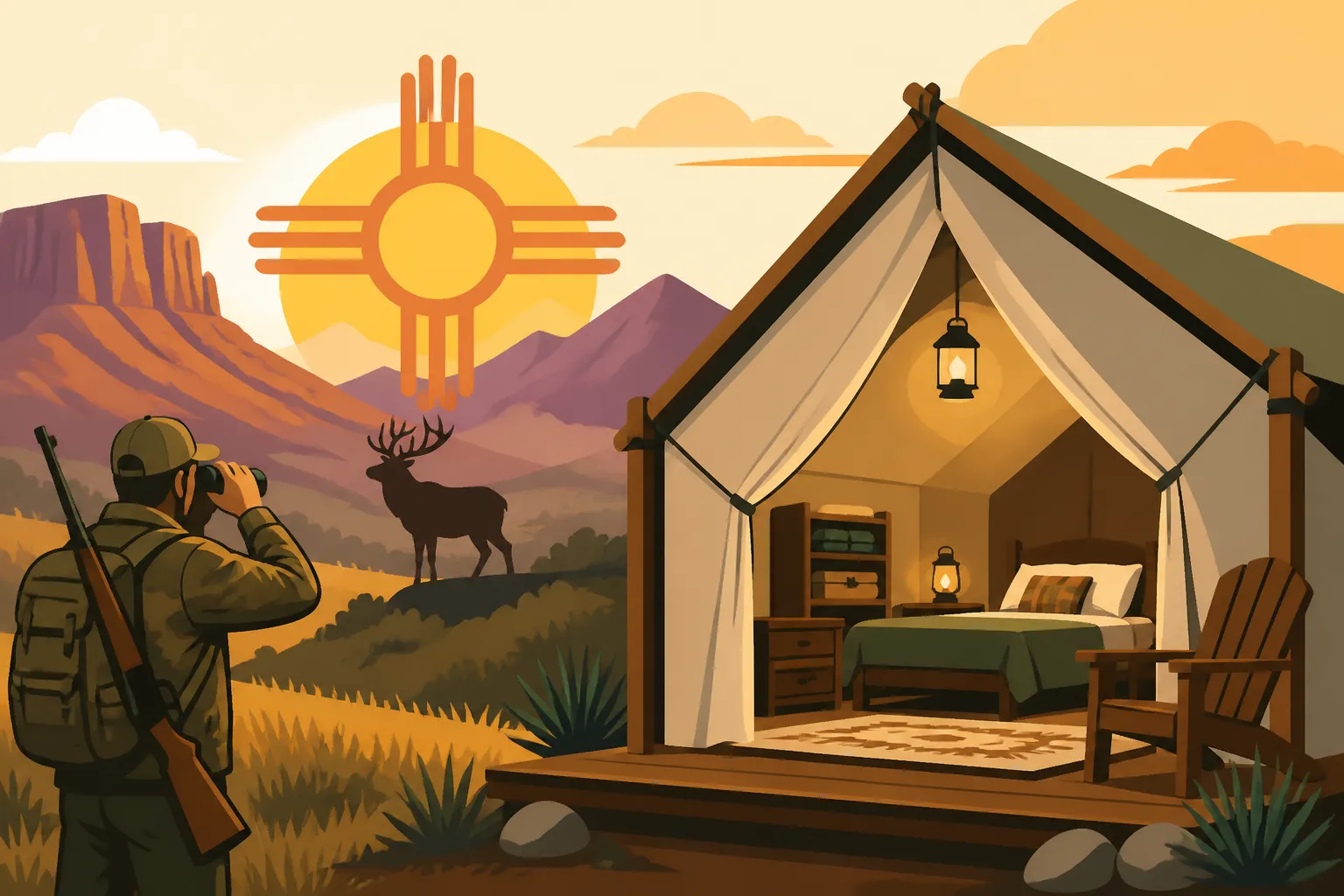
Moving up slightly, the wall tent base camp is a classic for a reason. These are larger, heavier canvas tents, often supported by internal frames, and designed to be set up for the duration of a hunt in a specific location. Wall tents provide much more headroom and floor space than a spike tent, allowing for cots, a small table, and often a wood-burning stove for warmth. This is where you might truly appreciate the heat on a chilly October morning, drying out damp gear, or just gathering around for coffee before dawn. While still rustic, a wall tent camp offers a significant step up in comfort from a spike camp. You'll likely still be using an outdoor latrine, and showers might involve a solar bag or a heated bucket shower, but the ability to stand up inside, change clothes without contorting, and sleep off the ground makes a huge difference after a long day of hiking. Many outfitters operating in public land areas, especially those requiring pack-in access for miles, rely on wall tent setups.
Drive-In Base Camps and Comfort Levels
For many hunters, especially those with mobility concerns or those who simply prefer a bit more civilization after a grueling day, drive-in base camps offer a fantastic blend of hunting access and creature comforts. These camps are typically situated in areas accessible by vehicle, allowing outfitters to bring in more substantial equipment and supplies.
In a drive-in base camp, you might still be sleeping in large canvas wall tents, but these often come with sturdier cots, thicker sleeping pads, and more robust heating systems, sometimes even propane heaters in addition to wood stoves. The ability to drive supplies right to camp means better food storage, larger cooking setups, and often a designated mess tent where everyone gathers for meals. Imagine coming back to a hot, hearty dinner prepared on a full stove, rather than rehydrating a meal in a small pot. The social aspect of a drive-in camp can also be a big draw, allowing hunters to share stories around a campfire without the strict weight limits of a pack-in camp. What Meals Look Like on a Guided Hunt These camps often feature more developed outdoor latrines, sometimes even basic outhouses, and while running water might still be a luxury, systems for hot water for washing up are more common. You might also find a generator providing electricity for charging devices or powering lights, which is a huge convenience in the field. These camps are a great option for those who want to experience the hunt without completely disconnecting from all modern conveniences.
Lodge-Based Hunts and Their Amenities
At the pinnacle of hunting camp lodging in New Mexico are the lodge-based hunts. These typically take place on private ranches or properties with established buildings, offering a level of comfort that might surprise those new to guided hunts. If you're looking for hot showers, flush toilets, and a proper bed, a lodge-based hunt is likely what you're after.
These accommodations can range from charming rustic cabins to full-blown ranch houses with multiple bedrooms, bathrooms, and common areas. You’ll wake up to the smell of coffee brewing in a real kitchen, enjoy cooked-to-order breakfasts, and return after a day in the field to a warm, comfortable room. Many lodge-based operations offer amenities like satellite TV, Wi-Fi, and laundry facilities, allowing you to stay connected and keep your gear fresh. The luxury of a private bathroom, often with unlimited hot water, is a game-changer for many. Meals are often served family-style, with a focus on delicious, hearty fare designed to fuel hunters. This kind of setup allows you to focus 100% on the hunt during the day, knowing you’ll return to a truly comfortable retreat in the evening. While these hunts generally come with a higher price tag, they remove much of the physical discomfort associated with more primitive camps, making them ideal for hunters who prioritize comfort and convenience alongside their outdoor adventure.
Factors Influencing Lodging Standards in New Mexico Camps
The type of lodging an outfitter offers isn't arbitrary; it's often a direct result of the unique challenges and opportunities presented by New Mexico's diverse landscape and hunting regulations. Understanding these factors can help you make an informed decision when booking your next hunt.
Terrain and Accessibility Dictate Camp Style
New Mexico's terrain is incredibly varied, from the towering peaks and deep canyons of the Gila National Forest to the vast, open plains, and rugged, rimrock country. This topography plays a huge role in determining what kind of camp can even be established.
In designated wilderness areas, like much of the Gila, motorized vehicles are strictly prohibited. This means everything—from tents and cots to food, water, and heating fuel—must be packed in on horseback, mule, or by foot. This severely limits the size and weight of equipment an outfitter can bring, pushing them towards more minimalist spike camps or sturdy, yet still relatively lightweight, wall tent setups. You simply can’t pack a full lodge into the middle of the Gila Wilderness. This is where experienced guides truly shine, knowing how to establish a functional, comfortable camp in incredibly remote locations. Gila Outfitters Sell Access to Country You Cannot Reach Alone Hunters booking these trips must be prepared for true backcountry living, where the challenge of the environment is part of the experience. Conversely, in areas with extensive road networks, outfitters have the flexibility to establish more elaborate drive-in base camps or even operate out of permanent structures. Access to roads means larger trailers can bring in heavier gear, generators, and a wider variety of food and supplies. This convenience often translates directly to a more comfortable camp experience for the hunter, with better heating, lighting, and food options.
Hunt Type and Duration Impact Comfort
The specific species you're hunting and the length of your trip also significantly influence the type of lodging an outfitter will provide. A quick, intense hunt might necessitate a different setup than a week-long expedition.
For fast-paced, highly mobile hunts, such as a September archery elk hunt where you're constantly chasing bugles or an aggressive spot-and-stalk mule deer hunt in rough terrain, a spike camp or a mobile wall tent might be the most effective choice. These setups allow the outfitter to move camp quickly to stay with the game, maximizing your hunting opportunities rather than being tied to a fixed location. You might only spend a couple of nights in one spot before picking up and moving to a new drainage. On the other hand, for a multi-day rifle hunt, particularly in colder weather or for a species that requires more patient sitting and glassing, a more established base camp with better amenities becomes highly desirable. A comfortable wall tent with a wood stove and ample space to dry gear can be a godsend after a long day in wet or snowy conditions. How Many Days a New Mexico Gila Elk Hunt Runs Longer hunts also often mean more personal gear for hunters, and a more spacious camp allows for better organization and a greater sense of personal space, even if you’re sharing a tent. The outfitter wants you rested and ready, and the type of hunt often dictates the best way to achieve that through camp design.
Outfitter Specialization and Price Point
Just like hotels, outfitters often specialize in different levels of service and comfort, and this is almost always reflected in their pricing. You generally get what you pay for when it comes to lodging on a guided hunt.
Some outfitters pride themselves on providing a rugged, authentic backcountry experience. Their focus is on top-notch guiding, intimate knowledge of the game, and efficient, functional camps that put you in the best position to succeed, even if that means foregoing some creature comforts. These operations might be more budget-friendly, as their overhead for elaborate lodging is lower. On the other end of the spectrum, some outfitters cater to clients seeking a "luxury" hunting experience, combining excellent hunting opportunities with high-end lodging, gourmet meals, and personalized service. These lodge-based hunts naturally come with a premium price due to the significant investment in infrastructure and staffing required to provide such amenities. When researching outfitters, it's crucial to be clear about your own expectations for comfort versus cost. You can often find a good middle ground with outfitters who offer well-appointed wall tent camps or comfortable cabins that balance rustic charm with essential amenities. Resources like BookYourHunt and GoHunt often provide detailed descriptions and photos of outfitter camps, helping you visualize the experience and compare offerings. Remember, a higher price often correlates with a greater degree of comfort and service in camp, beyond just the guiding itself. What a Fully Guided New Mexico Elk Hunt Includes
Practical Aspects of Outfitter Camp Life
Beyond the general type of lodging, there are specific day-to-day realities of camp life that are important to understand. These practical aspects—from where you'll sleep to how you'll wash—can significantly impact your overall experience.
Sleeping Arrangements and Personal Space
One of the biggest adjustments for many hunters in an outfitter camp is the sleeping situation and the concept of personal space. Unless you’ve specifically booked a private room in a lodge, expect to be sharing.
In wall tents and spike camps, sleeping arrangements typically involve cots or sleeping pads, often lined up in rows. While an outfitter will try to provide adequate space, privacy is often minimal. You'll hear your tent mates snore, rustle in their sleep, and get up in the middle of the night. This communal living requires a certain level of tolerance and respect for others. Think about bringing earplugs and an eye mask if you’re a light sleeper. The quality of cots can also vary; some are robust and comfortable, while others might be more basic and require extra padding from your sleeping bag or an inflatable pad. Your sleeping bag, of course, is your personal haven, and choosing one rated for colder temperatures than you expect is always a good idea, especially in New Mexico's mountains where nights can get unexpectedly chilly. Organizing your personal gear within your limited space is key to avoiding clutter and maintaining some semblance of order.
Sanitation and Hygiene Facilities
This is often the aspect of camp life that surprises first-time hunters the most. Forget your tiled bathroom at home; camp hygiene is a whole different ballgame.
In basic spike camps, sanitation might be as simple as digging a cathole a specified distance from water sources and camp, practicing Leave No Trace principles. For wall tent and drive-in base camps, outfitters usually provide a designated latrine. This could be a pit toilet (a hole in the ground, sometimes with a rudimentary seat or privacy screen), or a portable toilet setup. While not luxurious, these are functional and maintained by the outfitter. Hand sanitizer is your best friend in these situations. Showers are where things get even more variable. In many backcountry or wall tent camps, "showering" might involve heating water on the stove and using a washcloth in a basin, or a solar shower bag that warms in the sun (weather permitting). Some drive-in camps might have a more elaborate portable shower tent with a propane-fired water heater, offering a genuinely hot, if brief, shower. In lodge-based hunts, you'll have full bathroom facilities, including flush toilets and hot showers. The key is to ask your outfitter directly about their specific setup for sanitation and hygiene, and to pack personal items like wet wipes, quick-drying towels, and biodegradable soap to maintain comfort.
Meals and Food Service in Camp
Ah, camp food! For many, it's a highlight, while for others, it's purely fuel. New Mexico outfitters understand that good food is crucial for keeping hunters energized and happy, but the style of service differs greatly.
In spike camps, meals are typically quick, high-calorie, and easy to prepare. This often means dehydrated backpacking meals, instant oatmeal, energy bars, and trail mix. The focus is on lightweight, efficient nutrition that can be cooked with minimal gear. For wall tent and drive-in base camps, the culinary experience steps up considerably. Outfitters often employ camp cooks who prepare hearty, home-style meals. Think big breakfasts with eggs, bacon, and pancakes, packed lunches (sandwiches, snacks, fruit) to take into the field, and substantial dinners like steaks, chili, stews, or pasta dishes. Fresh ingredients are more common, and the ability to cook over a full stove or even a campfire adds to the flavor and ambiance. In a lodge-based hunt, you're looking at restaurant-quality food, often served in a dining room setting. Expect fresh salads, well-prepared meats, and perhaps even dessert. Many outfitters are also accommodating of dietary restrictions if you communicate them well in advance. Again, it’s always best to clarify the meal plan with your outfitter before you arrive. What Meals Look Like on a Guided Hunt
Heating, Lighting, and Power Considerations
The comforts of modern heating, lighting, and charging aren't always a given in a New Mexico hunting camp, especially in remote areas. Knowing what to expect allows you to pack appropriately.
In many wall tent camps, a wood-burning stove is the primary source of heat. These stoves can make a tent incredibly cozy, even on the coldest nights, and are perfect for drying out wet clothes. However, they require someone to keep them stoked, which might mean getting up in the middle of the night if temperatures plummet. In some drive-in camps, propane heaters might supplement or replace wood stoves, offering more consistent heat without the constant tending. Spike camps offer minimal heating, often relying solely on your sleeping bag and layers. For lighting, headlamps are absolutely essential no matter the camp type. Wall tents and drive-in camps often have propane lanterns or battery-powered LED lights for communal areas, but personal lighting is key for inside your sleeping area. Power for charging electronics is another variable. Lodge-based hunts will have standard electrical outlets. Drive-in camps might have a generator that runs for a few hours in the morning and evening, allowing you to charge phones, cameras, and GPS units. Backcountry camps, however, will offer no power, so portable power banks are a must-have for keeping your essential electronics running.
Setting Realistic Expectations and What to Ask Your Outfitter
The key to a successful and enjoyable guided hunt, especially regarding camp accommodations, lies in setting realistic expectations and having open communication with your outfitter before you ever leave home. Don't assume anything; ask.
The Importance of a Detailed Pre-Trip Conversation
Booking a hunt is a significant investment of time, money, and anticipation. The last thing you want is to arrive at camp only to discover that the lodging is drastically different from what you envisioned. This is where a detailed conversation with your outfitter becomes invaluable.
Before you send that deposit, take the time to talk through all your concerns and questions, no matter how small they seem. A reputable outfitter will appreciate your thoroughness and be happy to provide detailed answers. They want you to have a great experience, and that starts with clear communication. Don't be shy about asking for specific details, as general descriptions can sometimes be open to interpretation. It's not just about the type of tent; it's about the daily reality of living in it. This pre-trip dialogue is your opportunity to understand the nuances of their operation and ensure it aligns with your comfort level and preferences. Questions Worth Asking Before You Book
Key Questions About Camp Setup and Amenities
To ensure you have a clear picture, here’s a checklist of specific questions you should consider asking your New Mexico outfitter about their lodging standards:
- What type of lodging will we be in? (e.g., spike tents, wall tents, cabins, lodge)
- What are the sleeping arrangements? (e.g., individual tents, shared tent, cots, pads, number of people per tent/room)
- What are the heating sources in the sleeping areas and common areas? (e.g., wood stove, propane heater, none)
- What are the toilet facilities? (e.g., pit toilet, portable toilet, flush toilet)
- Are there shower facilities? If so, what kind? (e.g., solar bag, portable hot shower, full bathroom)
- What is the meal plan like? (e.g., camp cooked, freeze-dried, lodge dining; what about snacks and drinks in the field?)
- Is there electricity or charging capability in camp? (e.g., generator, outlets, none) If so, when is it available?
- Is there cell service or Wi-Fi in camp? (Usually, the answer is no for remote camps, but worth asking for lodge hunts.)
- What should I bring for personal comfort items beyond standard hunting gear? (e.g., extra padding, specific toiletries, camp shoes, reading material)
Packing Your Personal Comfort Items
Even in the most rustic camps, a few well-chosen personal items can significantly enhance your comfort and overall experience. Thinking ahead about these small luxuries can make a big difference.
For sleeping, an extra inflatable sleeping pad, even under a cot, can provide insulation and softness. A small, packable pillow from home can be a huge morale booster compared to wadding up clothes. Don't underestimate the power of a good pair of camp shoes or slippers to slip into after kicking off your hunting boots. For hygiene, a personal supply of wet wipes, hand sanitizer, and a small quick-drying towel are invaluable. If you're sensitive to noise, earplugs are a must. A portable power bank or two will be crucial for charging your phone, headlamp, and other small electronics if the camp doesn't offer consistent power. Finally, consider a book or some downloaded podcasts for downtime, as evenings in remote camps can be quiet. Your outfitter will provide a comprehensive gear list, but these little additions address personal comfort that might not be on the standard packing sheet. The Gear List Your Outfitter Will Send Being prepared for the realities of camp life means you can focus more on the hunt and less on any unexpected discomforts.
Camp Lodging Comparison: Expectations vs. Reality
Here’s a quick overview to help you visualize the differences between common outfitter lodging types in New Mexico:
| Feature | Spike Camp | Wall Tent Base Camp | Lodge/Ranch House Hunt |
|---|---|---|---|
| Sleeping | Small tent, bivy, ground pad | Large canvas tent, cots, pads | Private room, real bed |
| Privacy | Very little | Minimal, shared tent | Good to excellent |
| Heating | Personal sleeping bag only | Wood stove, sometimes propane | Central heating |
| Toilet | Cathole | Pit toilet or portable | Flush toilet |
| Shower | None (basin wash) | Solar bag or portable heater | Full hot shower |
| Meals | Dehydrated, quick-prep | Camp cooked, hearty, fresh | Gourmet, restaurant-style |
| Electricity | None (rely on power banks) | Generator (limited hours) | Standard outlets |
| Connectivity | None | Rare | Often Wi-Fi/cell service |
| Vehicle Access | Pack-in only | Drive-in, sometimes pack-in | Drive-in |
Disclaimer
This article is for general informational purposes only and does not constitute professional advice. Laws, prices and regulations vary by location and change over time. Consult a qualified professional for guidance on your specific situation.