Pack String Outfitters Working in New Mexico
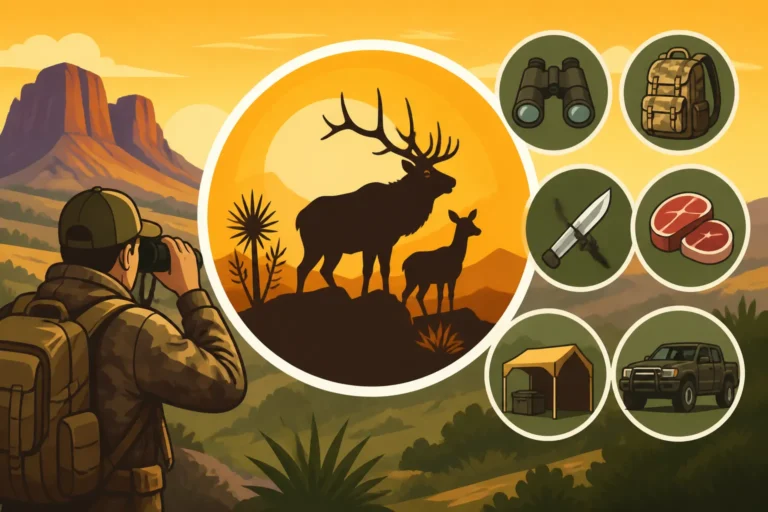
There’s nothing quite like the dream of a deep backcountry hunt in New Mexico, especially when you picture yourself chasing elk through the vastness of the Gila National Forest. But the reality of packing out a mature bull, along with all your camp gear, from miles deep in rugged canyons and high country can quickly turn that dream into a daunting, back-breaking proposition. That's where pack string outfitters come in, offering a vital lifeline to hunters who want to experience the wilderness without the monumental logistical burden of getting everything in and out on their own two feet. This guide will walk you through exactly what a pack string service entails, why it's a game-changer for hunting New Mexico's most remote units, and what you should expect when booking one of these invaluable services.
What Exactly Is a Pack String Hunt?
When you hear "outfitter," your mind might immediately jump to fully guided, all-inclusive luxury camps. But a pack string hunt is a distinct, often more accessible, offering that focuses purely on the logistical heavy lifting. It's not about having a guide with you every step of the way, pointing out game or calling for you, but rather about getting your gear, and potentially your harvested animal, to and from places human legs simply can't handle efficiently.
More Than Just a Mule Ride
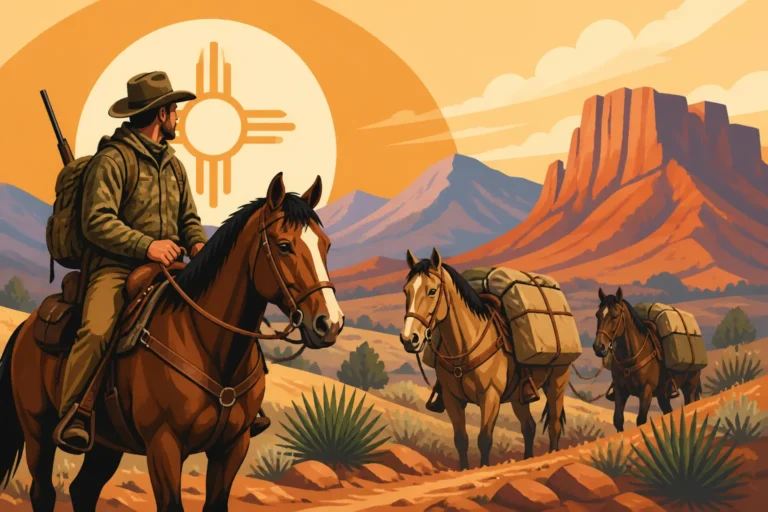
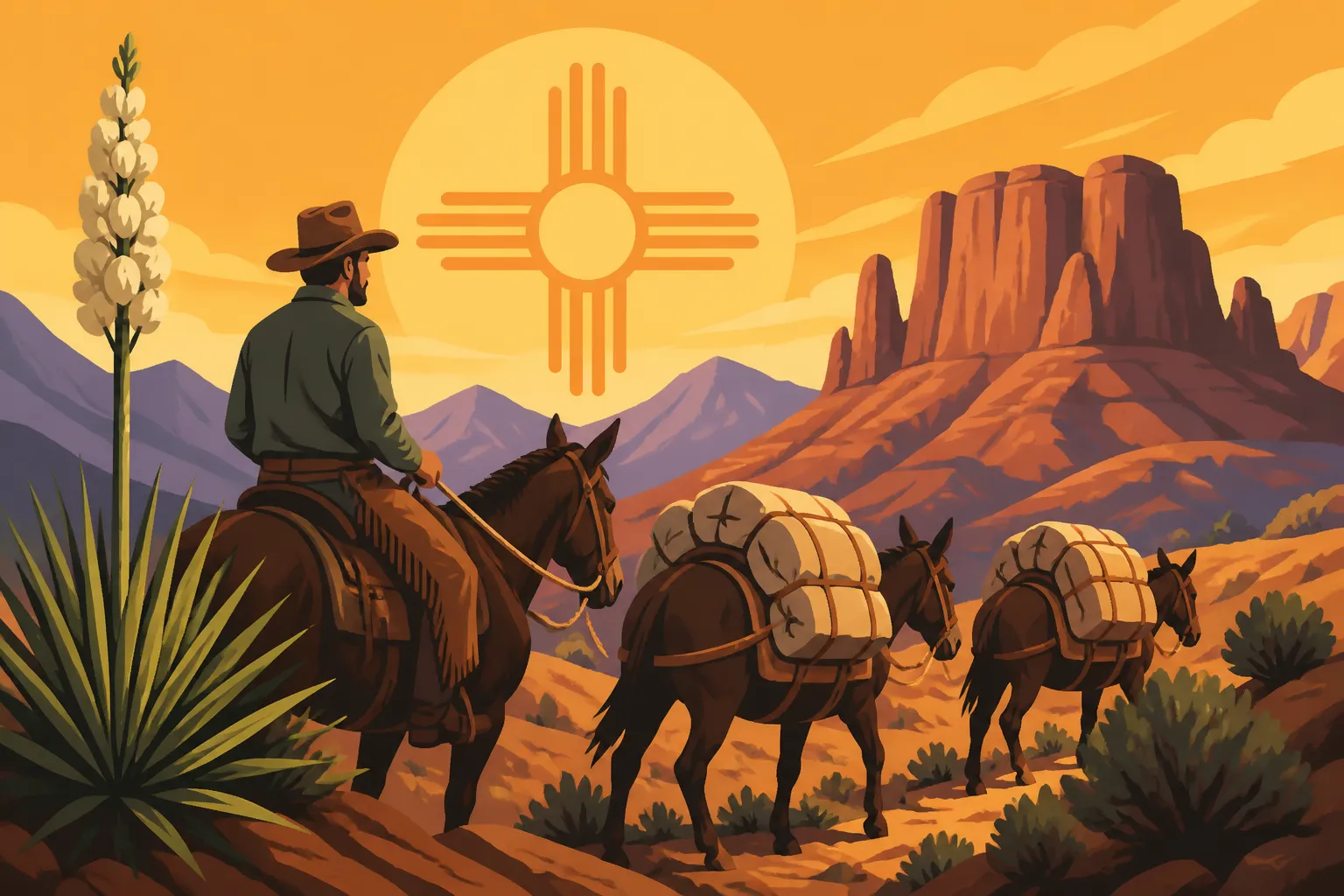
Think of a pack string service as your wilderness freight company. You and your hunting partners are still doing the hunting, the navigating, and the camping yourself. The outfitter’s role is to provide the horses or mules and the expertise to transport your camp, supplies, and eventually, your meat and trophy. This might mean dropping your gear off at a pre-arranged backcountry camp spot and picking you up days later, or it could involve meeting you at a trailhead to pack out a bull you've already harvested. It's a fundamental distinction from a fully guided experience; you retain your independence as a hunter but gain the immense advantage of not having to carry 80 pounds of camp on your back for days on end.
Differentiating from Drop Camps and Fully Guided Hunts
It’s easy to confuse pack string services with other outfitter offerings, but understanding the differences is key to choosing what’s right for your hunt. A fully guided hunt means an outfitter provides guides who accompany you daily, cook your meals, set up camp, and assist with hunting strategies, game recovery, and packing. It’s a comprehensive package. A drop camp, on the other hand, is a pre-set camp established by the outfitter in the backcountry, complete with tents, cooking gear, and sometimes even a stove. The outfitter drops you off, leaves you to hunt on your own, and then picks you up later.
A pack string service can often be a component of a drop camp or even a fully guided hunt, but it can also be a standalone service. For example, you might decide to hike into your own desired campsite with just your essentials, knowing a pack string can bring in your larger camp later, or come pick up your meat. It’s the ultimate flexible solution for hunters who are competent and self-sufficient in the field but recognize the physical and time constraints of packing significant weight into remote areas. For many, it's the bridge between a true Packing an Elk Out of the Gila Alone DIY experience and a full-service, all-inclusive trip, allowing them to stretch their hunting budget further while still accessing prime habitat.
Why Choose a Pack String for New Mexico's Wilderness?
New Mexico's hunting landscape is incredibly diverse, from vast desert plains to rugged mountain ranges topping out above 10,000 feet. While some units offer relatively easy access, the sought-after wilderness areas, particularly those known for trophy elk, demand a different approach. Pack strings are not just a convenience; they can be a necessity for a successful and safe hunt in these challenging environments.
Accessing Remote, Untouched Habitat
The biggest draw of a pack string is the ability to reach country that sees little human pressure. In places like the Gila Wilderness, where motor vehicles are strictly prohibited, getting miles off the beaten path is the only way to find those older, wiser animals. Hiking in a few miles with your gear for a multi-day hunt is one thing, but pushing 8-10 miles deep with enough food, water, and emergency supplies to sustain you for a week or more? That’s where the pack string shines. They can haul hundreds of pounds of gear over rough trails, through steep canyons, and across rivers, opening up vast tracts of land that would otherwise be inaccessible to the average hunter. This directly translates to better hunting opportunities and a more genuine wilderness experience.
Mitigating the Physical Toll of a Backcountry Hunt
Hunting in New Mexico's high country is physically demanding. You're often dealing with significant elevation changes, rugged terrain, and unpredictable weather. Add to that the weight of a heavy pack, and you're quickly draining energy that you need for scouting, stalking, and eventually, the monumental task of field dressing and packing out an animal. A pack string outfit allows you to focus your energy on hunting. You can carry a lighter day pack, move more quietly, and cover more ground without being exhausted by the weight of your camp. This is especially critical if you're hunting species like elk, where a downed animal can weigh upwards of 700 pounds, requiring multiple trips to pack out. Knowing that a mule string can meet you to retrieve your meat transforms the stress of recovery into a manageable plan. For those contemplating a Physical Conditioning for a Gila Hunt, understanding the role a pack string can play in reducing the physical burden is crucial.
Handling Meat Care and Logistics
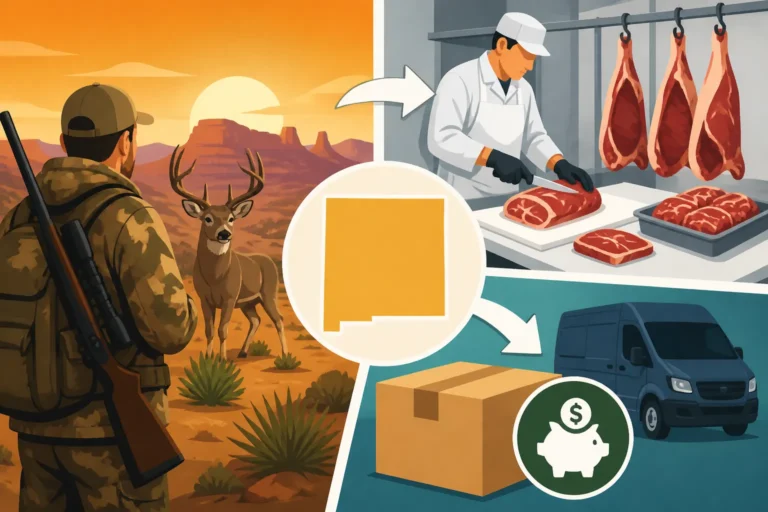
One of the biggest concerns for any hunter, especially during early archery or muzzleloader seasons when temperatures are still high, is proper meat care. An elk quarter can spoil quickly in warm weather if not cooled down rapidly. Trying to pack out an entire elk on your back, one quarter at a time, can take days, risking spoilage. With a pack string outfitter, you can have them meet you much faster, or even have them haul in coolers with ice to help preserve the meat immediately. This not only protects your valuable harvest but also ensures ethical meat recovery, fulfilling The Meat Salvage Requirements for Big Game New Mexico enforces. They also have the specialized equipment and knowledge to properly secure and transport large game quarters, often covering ground in a single day that would take a solo hunter several exhausting trips.
| Service Aspect | DIY Hunter (Backpack) | Pack String Service |
|---|---|---|
| Camp Setup | All gear carried on back, limits comfort | Full camp hauled in, allows for larger tents, cots, stoves |
| Distance Capability | Limited by human endurance and carrying capacity | Can reach 10+ miles into true wilderness |
| Meat Retrieval | Multiple, exhausting trips; high spoilage risk in heat | Efficient, often single trip; better meat preservation |
| Physical Demands | Extremely high, often impacts hunting effort | Significantly reduced, allows focus on hunting |
| Gear Capacity | Minimalist approach, often sacrifices comfort/safety | Allows for extensive gear, including optics, extra food |
| Cost | Lowest upfront | Adds expense, but provides critical logistical support |
| Independence | Complete | High, but relies on outfitter for transport schedule |
What to Expect From a Pack String Outfitter
Engaging a pack string outfitter is an investment in your hunt's success and enjoyment. Knowing what to expect, and what's expected of you, will ensure a smooth operation from start to finish.
Scope of Services
While the core service is transport, the specifics can vary between outfitters. Some will meet you at a designated trailhead, help you load your gear onto their mules, and then lead the string to your pre-determined camp location. They might help you set up heavy tents or orient you to water sources. Others specialize purely in game retrieval – you call them when you have an animal down, and they come in to pack it out. Make sure you clarify the exact services included in your agreement.
It's crucial to understand their operating procedures. Will they provide the specialized panniers or bags for packing your gear, or do you need to provide your own? What are the weight limits per animal? What kind of communication system will you use in the backcountry (satellite messenger, two-way radio)? These are all vital questions to ask upfront. A good outfitter will have clear answers and provide you with a comprehensive rundown of what they offer. You can often find this information by checking out their listings on sites like BookYourHunt or GoHunt, where client reviews might also shed some light on their typical operations.
Your Responsibilities as a Hunter
While the outfitter handles the animals, your responsibilities remain significant. You are still the hunter, accountable for your tag, your hunting ethics, and your personal safety. This means you need to:
- Plan Your Camp: Even if they're hauling it, you're the one selecting and providing the gear for your camp. Ensure it's appropriate for the conditions and the duration of your hunt.
- Know Your Unit: You'll be doing all the scouting and navigating yourself. Familiarize yourself with the terrain, water sources, and potential game locations in your Reading a New Mexico Hunt Code Before You Apply unit.
- Field Dress Properly: If the pack string is coming in for game retrieval, your responsibility is to have the animal properly field dressed, and often quartered, by the time they arrive. This ensures the meat cools quickly and is ready for transport. They're not there to butcher your animal for you, unless explicitly agreed upon for an extra fee.
- Communicate Clearly: Provide accurate rendezvous points and times. The backcountry can be unpredictable, and clear communication is paramount for logistics and safety. Don't assume they'll find you; have detailed maps and coordinates ready.
Outfitters often emphasize clear communication and mutual respect for safety and efficiency. This collaborative approach ensures that both parties are aligned on expectations and responsibilities, leading to a much smoother and more enjoyable hunting experience.
Cost Considerations
Pack string services are an investment, but one that can significantly enhance your hunting experience. The cost will vary widely based on the duration of the service, the distance into the backcountry, the number of animals required, and the specific outfitter. Expect to pay a daily rate per horse or mule, or a flat fee for a round trip. These services generally cost less than a fully guided hunt or even many drop camps, because they are providing a specialized logistical service rather than full-time guiding.
It’s important to get a detailed quote that outlines all potential charges, including any extra fees for delays, additional packing needs, or unforeseen circumstances. Remember that while the upfront cost might seem substantial, it's often far less than the cost of a ruined hunt due to exhaustion, injury, or spoiled meat. When researching options, be sure to read their terms carefully, especially concerning deposits and cancellations, which can be found by asking Questions to Ask a New Mexico Outfitter.
Booking Your Pack String Adventure
Finding and booking the right pack string outfitter for your New Mexico hunt involves a bit of research and planning. Just like choosing your hunting unit, selecting the right outfitter is critical to success.
Finding Reputable Outfitters
Start your search by looking for outfitters specifically licensed to operate in the areas you plan to hunt. Many operate within the vast tracts of the Gila National Forest or other wilderness areas. Websites that list outfitters, like BookYourHunt, can be a great starting point, often providing contact information, service descriptions, and sometimes even reviews. Local hunting forums and word-of-mouth recommendations are also invaluable resources. Don't hesitate to ask for references from past clients; a reputable outfitter will be happy to provide them.
When you've identified a few potential outfitters, review their websites, social media, and any available testimonials. Pay attention to their communication style and responsiveness, as this often indicates how they'll operate during your hunt. Some outfitters also attend hunting expos, which can be a great opportunity to meet them in person and discuss your specific needs. This initial vetting process is crucial for ensuring you're partnering with a reliable and professional service, especially when you are Vetting a New Mexico Outfitter Before You Send a Deposit.
Questions to Ask Before You Book
Once you have a shortlist, prepare a comprehensive list of questions. Don't be shy; a good outfitter expects you to be thorough. Here are some key areas to cover:
- Experience and Licensing: How long have they been operating pack string services in New Mexico? Are they properly licensed and insured?
- Service Details: What exactly is included in their pack string service? Is it just gear drop-off/pickup, or also game retrieval? Are there weight limits per animal or total load?
- Logistics: How do they handle scheduling? What are their procedures for communication in the backcountry? What happens if weather or other unforeseen circumstances cause delays?
- Camp Details: If they are dropping off camp, do they provide any camp amenities (water filter, cooking stove, etc.) or is it strictly transport? What are their recommendations for the type of gear to pack?
- Game Retrieval: What's the protocol for calling them when you have an animal down? What condition do they expect the animal to be in for transport? What is their policy on spoiled meat?
- Pricing and Payment: Get a clear, itemized quote. What's the deposit structure? What are their cancellation policies, especially if you fail to draw a tag (some outfitters have specific terms if you're Booking Around New Mexico's March Deadline)? Are there any hidden fees?
- Safety: What are their safety protocols for both their animals and clients in the wilderness? What kind of emergency plan do they have in place?
Understanding these details upfront will prevent misunderstandings and ensure your pack string service aligns perfectly with your hunting strategy. This thoroughness is especially important because outfitters and guides operating in New Mexico have specific requirements, including The New Mexico Guide-Client Contract Requirement.
Planning and Preparation
After booking, the planning phase truly begins. Your outfitter will likely provide a gear list and specific instructions. Pay close attention to these. They know the terrain and conditions best. Start physical conditioning well in advance, even if you’re not carrying a heavy pack, because you’ll still be covering significant ground in rugged country.
Consider the specifics of your hunt: will you need to Heat Management on an Early Season Hunt? How will you Getting Meat Cooled on an Early Season Hunt? Your outfitter can offer advice on these practical matters. Confirm all rendezvous points and times well before your hunt begins, and have a backup plan in case of communication failure. A well-prepared hunter working with a professional pack string outfitter can truly unlock the vast, challenging, and rewarding hunting opportunities that New Mexico’s wilderness areas offer.
Disclaimer
This article is for general informational purposes only and does not constitute professional advice. Laws, prices and regulations vary by location and change over time. Consult a qualified professional for guidance on your specific situation.