Are Drones Legal for Scouting in New Mexico?
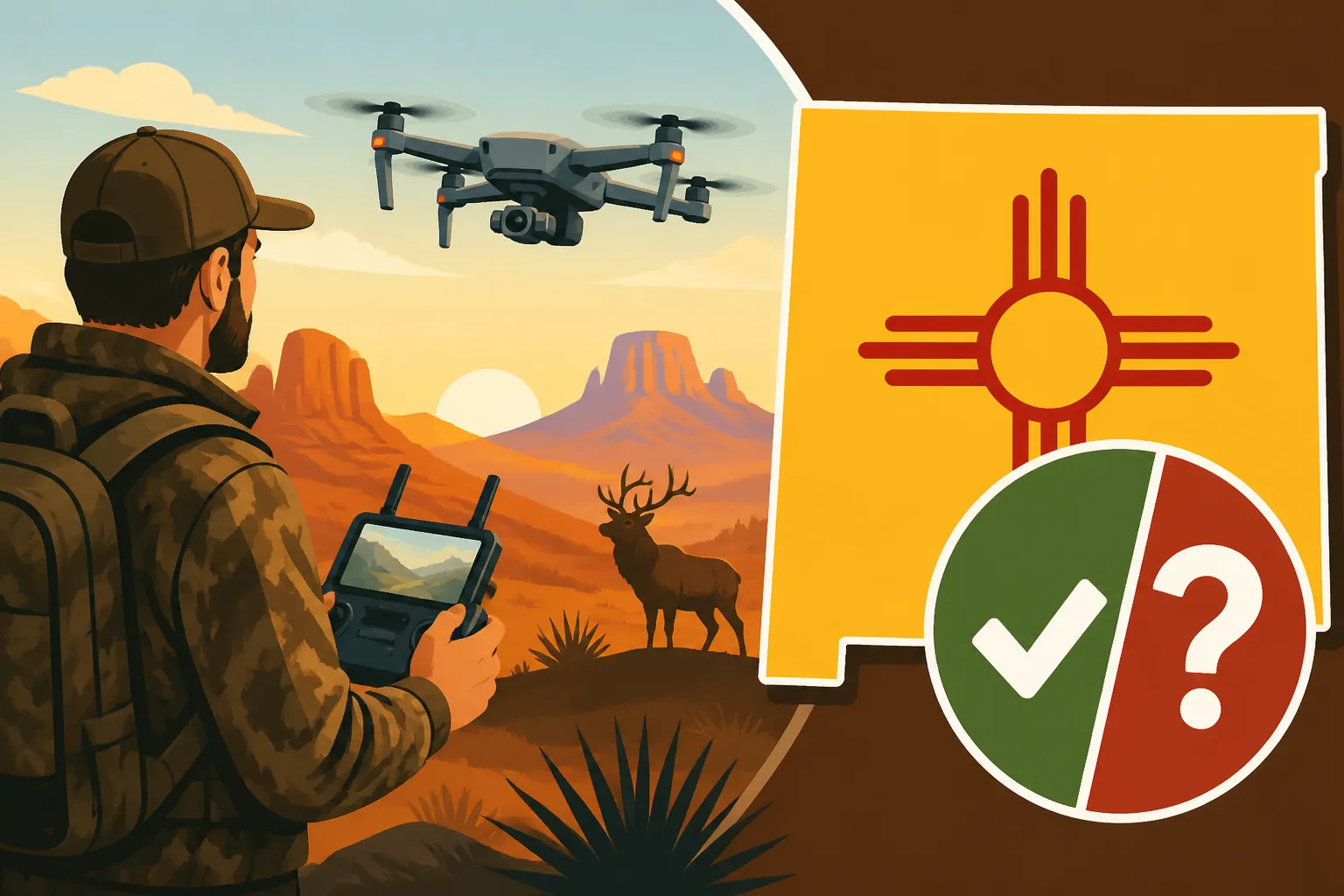
It can be incredibly tempting to look for any edge you can get when you're preparing for a New Mexico hunting trip. With modern technology at our fingertips, it's easy to wonder if that drone you use for capturing scenic landscapes could also help you find that trophy bull or big mule deer buck. Many hunters are curious if flying a drone over potential hunting grounds is a legitimate scouting tool, or if it crosses a line. This guide is here to shed light on the regulations surrounding drone use for scouting in New Mexico, helping you understand the rules and avoid any costly mistakes.
The Straight-Up Answer: Drones and New Mexico Hunting
Let's get straight to it: no, drones are generally not legal for scouting or assisting in the take of game animals in New Mexico. This isn't just a state-level thing; it's a widely accepted principle in fair chase hunting, often supported by both federal and state regulations. The New Mexico Department of Game and Fish (NMDGF) regulations are quite clear on this, reflecting a broader trend across Western states to maintain the integrity of hunting.
Federal and State Regulations Collide
While individual states have the authority to manage wildlife within their borders, many hunting regulations, especially those related to technology, often intertwine with federal laws. In New Mexico, the NMDGF explicitly prohibits the use of aircraft, including drones or unmanned aerial vehicles (UAVs), to locate, harass, or hunt protected species. This rule isn't just about actually shooting from a drone; it encompasses using it as an aid to scouting or locating game before or during a hunt. The core idea is to prevent hunters from gaining an unfair advantage that diminishes the challenge and ethical standards of the hunt.
The prohibition means you can't fly a drone over an area to spot game, determine travel routes, or identify bedding areas with the intent of using that information for hunting. This applies whether you're actively hunting or just "scouting" days or weeks before your season opens. It’s about the intent to aid in the take of game. Even if your drone isn't armed, its aerial perspective and ability to cover vast, difficult terrain quickly provides an unfair advantage over animals that are accustomed to ground-level threats. This also applies to other technological aids like electronic calls, though there are specific rules about where electronic calls are legal for big game.
Why the Ban Exists
The reasons behind the ban on drones for scouting are rooted deeply in the principles of fair chase and wildlife conservation. For generations, hunting has been about fair pursuit, using skill, patience, and knowledge of the land and animals. Drones completely change that dynamic.
Imagine trying to locate a mature bull elk in the vast Gila wilderness. Traditionally, this involves days of strenuous hiking, rigorous glassing, and carefully reading fresh elk sign in ponderosa timber. It's a test of physical endurance, woodsmanship, and mental fortitude. Now, imagine a drone soaring silently overhead, equipped with thermal imaging or high-resolution cameras, covering miles of terrain in minutes and pinpointing elk herds that would take a human days to find. This significantly reduces the challenge and the effort required for a successful hunt, moving away from what most hunters consider fair chase.
Furthermore, there's a significant concern about wildlife disturbance. Drones, even small ones, can spook animals. The noise, even if faint to human ears on the ground, can stress wildlife, alter their natural behavior patterns, and push them out of prime habitat. This can be particularly detrimental during sensitive times, like calving or post-rut recovery. The NMDGF's role is to manage wildlife populations and ensure sustainable hunting opportunities, and allowing widespread drone use could have negative impacts on game animals and their habitats. It's similar to why there are strict baiting and trail camera rules in New Mexico – to prevent undue influence on wildlife behavior and maintain natural patterns.
What "No Drone Scouting" Actually Means for Hunters
Understanding the specific nuances of the drone ban is crucial. It's not just about not flying a drone while you're actively carrying a rifle or bow. It extends to pre-season activities and the overall spirit of ethical hunting.
Interpreting the Rules for Pre-Season Prep
The key here is intent. If you're using a drone with the intent of gathering information that will aid you in harvesting a game animal, it's generally considered illegal. This means:
- No flying over potential hunting areas to locate game. Even if your hunt is weeks away, if you're using the drone to find where the elk are currently concentrated or where deer are bedding, that's a no-go.
- No using drone footage to map out animal trails or escape routes. While satellite imagery from apps like GoHunt is perfectly fine, actively generating your own aerial maps via drone flights for hunting purposes falls into the prohibited category.
- No using a drone for post-shot recovery. After you've taken a shot, you can't send a drone up to help you locate a wounded animal. You'll need to rely on traditional tracking methods and your own scouting prowess, perhaps with a good set of binoculars, to spotting scope power for open country.
It's a comprehensive prohibition designed to prevent hunters from bypassing the traditional methods of scouting and tracking. The spirit of the law aims to keep the hunt grounded, literally, in human effort and interaction with the natural environment, not remote-controlled aerial observation.
The Ethical Line in the Sand
Beyond the letter of the law, there's an ethical dimension to drone use in hunting that most seasoned hunters strongly adhere to. The "fair chase" principle is a cornerstone of responsible hunting. It dictates that hunters should not take unfair advantage of game animals. This means giving the animal a reasonable chance of escape, not relying on technology that completely eliminates the challenge.
When you draw a coveted tag in New Mexico, whether it's for elk in the Gila or mule deer in the high country, part of the experience is the work you put in beforehand. E-Scouting a New Mexico unit before the season with tools like digital maps is a legitimate and highly effective modern approach. However, sending a drone overhead removes the personal connection to the landscape and the direct effort of finding game. It turns a pursuit into a surveillance operation.
Most hunters would agree that part of the satisfaction of a successful hunt comes from the effort and skill invested. Using a drone for scouting fundamentally alters that. It creates a disconnect between the hunter and the hunted, undermining the very essence of what makes hunting a meaningful and ethical endeavor. Maintaining the integrity of the hunt for future generations is paramount, and that means adhering to established ethical guidelines, even as technology advances.
Traditional and Modern Scouting Alternatives
So, if drones are out, how do you effectively scout for game in New Mexico? Thankfully, there's a wealth of time-honored and cutting-edge methods that are not only legal but also deeply rewarding.
Boots on the Ground and Glassing
There's simply no substitute for getting your boots on the ground. Physical scouting allows you to truly understand the terrain, discover hidden pockets of habitat, and interpret fresh sign in a way no aerial view ever could. It’s how you learn to read terrain that hides an approach at 10,000 feet or find those subtle game trails.
- Walk the country: Spend time hiking areas you've identified as potential habitat. Look for tracks, scat, rubs, and beds. Understand how animals use the landscape—where they feed, water, and bed. Pay attention to features like saddles, draws, and benches that might funnel game.
- Glassing is your best friend: In New Mexico's often vast and open landscapes, especially for species like pronghorn on the eastern plains or mule deer in the desert, high-quality optics are indispensable. Invest in a good pair of binoculars, like a 10×42, and a reliable spotting scope, ideally paired with a sturdy tripod. Set up on high points and meticulously grid-glass basins, ridges, and timber edges. You can learn more about the grid glassing method, step by step to make your efforts more efficient. This slow, methodical scanning allows you to cover large areas visually without disturbing animals.
- Reading the wind: Understanding how reading wind in a deep Gila canyon works is far more critical than any drone could tell you. The wind dictates animal movement and your approach. Learning how thermals shift throughout the day, especially in mountainous terrain, is crucial for planning your stalk and staying undetected.
Leveraging Satellite Imagery and Digital Tools
While physical scouting is king, modern digital tools have revolutionized how we prepare for a hunt. These resources are completely legal and incredibly powerful for e-scouting from your home or camp.
- Mapping applications: Platforms like GoHunt and onX Hunt are game-changers. They offer detailed satellite imagery, topographic maps, and crucial public/private land ownership layers. You can mark waypoints for potential water sources, game trails, bedding areas, and access points. GoHunt, for instance, provides draw odds and harvest data, helping you plan your application strategy. You can use these tools to identify areas with high public land percentages, locate potential camping spots, and even determine how far a bowhunter needs to get on elk.
- Topographic maps: Digital or paper, topo maps help you understand elevation changes, drainages, and contours. This is essential for planning approaches, identifying escape routes for game, and finding those overlooked benches where animals might be hiding.
- Historical data: Many state wildlife agencies publish harvest data and game distribution reports. While not always current down to the day, these resources can give you a general idea of where certain species are concentrated and which units have historically produced good animals.
- Weather patterns: Monitoring long-range weather forecasts and understanding seasonal precipitation can give you clues about where game might be located, especially concerning water sources in dry country.
Reading Sign and Understanding Habitat
Hunting isn't just about spotting an animal; it's about understanding its world. This deep knowledge comes from learning to read the subtle clues animals leave behind and recognizing prime habitat.
- Identify preferred forage: Learn what deer and elk eat in different seasons. In New Mexico, this might range from ponderosa pine needles to various forbs and grasses. Knowing their diet helps you pinpoint feeding areas.
- Water sources are critical: Especially in arid New Mexico, water is life. Identifying perennial springs, stock tanks, and even temporary seeps is paramount. Many hunters will focus on finding water in New Mexico's dry country as a primary scouting technique. Animals will always be near water, especially during warmer seasons.
- Bedding areas: Understand what makes a good bedding area. For elk, it might be a north-facing slope with dense timber for shade and cover, offering good visibility downhill. For mule deer, it could be a brushy hillside with good thermal cover. Recognizing these patterns helps you predict where animals will be throughout the day.
- Travel corridors: Animals often use the path of least resistance. Look for natural funnels like saddles between ridges, deep draws, or edges of dense timber that connect feeding and bedding areas. These are prime spots for ambushing or intercepting game.
Penalties and Enforcement for Drone Misuse
The rules against using drones for hunting and scouting are not just suggestions; they are serious regulations with real consequences. The New Mexico Department of Game and Fish (NMDGF) takes these violations seriously, and ignorance of the law is never an excuse.
The Consequences of Breaking the Rules
If you are caught using a drone to scout or aid in a hunt in New Mexico, you could face a range of penalties, which can be quite severe:
- Fines: Monetary fines can be substantial, often running into the hundreds or even thousands of dollars, depending on the severity of the offense and whether it's a first-time violation or a repeat offense.
- License revocation: One of the most impactful penalties for a hunter is the suspension or complete revocation of your hunting license. This means you might be prohibited from hunting in New Mexico for several years, or even indefinitely. This suspension can also be recognized by other states through interstate compacts, meaning you could lose your hunting privileges across a large portion of the country.
- Forfeiture of equipment: In some cases, the drone and any other equipment used in the commission of the violation could be seized and forfeited.
- Criminal charges: Depending on the specific circumstances and the intent involved, drone misuse could potentially lead to misdemeanor or even felony charges, especially if wildlife harassment or other serious infractions are involved.
- Loss of future drawing eligibility: For those who pursue coveted draw tags, a violation could mean being barred from applying in future draws, effectively ending your chances at a trophy hunt for many years.
It’s a stark reminder that staying within the legal and ethical boundaries is not just good practice, it’s essential to maintaining your privilege to hunt. It's a lot to risk for what many consider an unfair advantage.
Reporting Violations and Maintaining Integrity
The hunting community itself plays a vital role in upholding ethical standards and ensuring fair chase. Most hunters are passionate about preserving the traditions and integrity of their sport, and they don't look kindly upon those who cut corners or violate regulations.
- How to report: If you witness someone using a drone for hunting or scouting purposes in New Mexico, it's important to report it to the NMDGF. They have a dedicated "Operation Game Thief" program, which provides a confidential way for citizens to report wildlife violations. You can typically find their hotline number on the NMDGF website or in the current New Mexico Rules and Info Booklet. Providing as much detail as possible—location, time, description of the drone, any vehicle information, and specific activity observed—is crucial for law enforcement to investigate effectively.
- Community responsibility: Reporting violations isn't "snitching"; it's taking responsibility for the health of the sport. Allowing illegal activities to go unchecked undermines conservation efforts, gives hunting a bad name, and creates an uneven playing field for ethical hunters. By speaking up, you're helping to ensure that hunting remains respected, challenging, and sustainable for everyone. It shows commitment to the shared values that define ethical hunting, similar to the discussions around water sources and ethics in desert hunting or proper field dressing in desert heat to prevent spoilage and waste.
Here’s a quick overview of legal vs. illegal scouting methods:
| Method | Legality in New Mexico for Scouting/Hunting Aid | Rationale |
|---|---|---|
| Drones/UAVs | ILLEGAL | Unfair advantage, reduces fair chase, potential for wildlife harassment. |
| Boots on the Ground (Hiking) | LEGAL | Traditional, skill-based, direct interaction with environment. |
| Binoculars & Spotting Scopes | LEGAL | Traditional optics, requires skill in glassing, no direct animal disturbance from afar. |
| Satellite Imagery (GoHunt, onX) | LEGAL | Provides static data, requires interpretation and physical effort to verify, no direct animal interaction. |
| Topographic Maps | LEGAL | Traditional navigation and terrain analysis. |
| Trail Cameras | LEGAL (with specific rules) | Passive observation, rules prevent baiting; generally accepted for monitoring game movement. |
| Aircraft (Manned) for spotting | ILLEGAL | Unfair advantage, harassment, similar to drone concerns. |
| Motorized Vehicles for scouting | LEGAL (on open roads/trails) | Can access areas, but direct spotting from vehicles is generally regulated or prohibited. |
The bottom line is that while technology can enhance our preparation and safety in the backcountry, it shouldn't replace the fundamental skills and ethical principles that define hunting. Sticking to legal and ethical scouting methods ensures that your New Mexico hunting adventure remains a true test of skill, patience, and respect for the wild.
Disclaimer
Please note that hunting regulations are subject to change. Always consult the most current New Mexico Department of Game and Fish Rules and Information Booklet or visit their official website for the most up-to-date and complete regulations before engaging in any hunting activities. This guide provides general information and should not be considered legal advice.