Where Electronic Calls Are Legal for Big Game
Many hunters, especially those new to the Land of Enchantment or those accustomed to different state regulations, often find themselves scratching their heads when it comes to electronic calls. It's truly frustrating trying to navigate the ever-evolving rulebooks, wondering if that fancy new gadget is even legal. This guide is here to untangle that confusion, providing clear, in-depth information on where electronic calls stand for big game hunting in New Mexico.
The Strict Stance on Electronic Calls for New Mexico Big Game
Let's cut right to the chase: when it comes to New Mexico's most sought-after big game animals, electronic calls are, unequivocally, off the table. The New Mexico Department of Game and Fish (NMDGF) has very clear regulations designed to uphold the principles of fair chase, and that means keeping technology that could give hunters an unfair advantage out of the field for most species. It’s a rule that might surprise some, particularly those coming from states with more permissive regulations, but it’s deeply rooted in the state’s hunting heritage and conservation ethics.
No Electronic Calls for Deer, Elk, and Other Prized Species
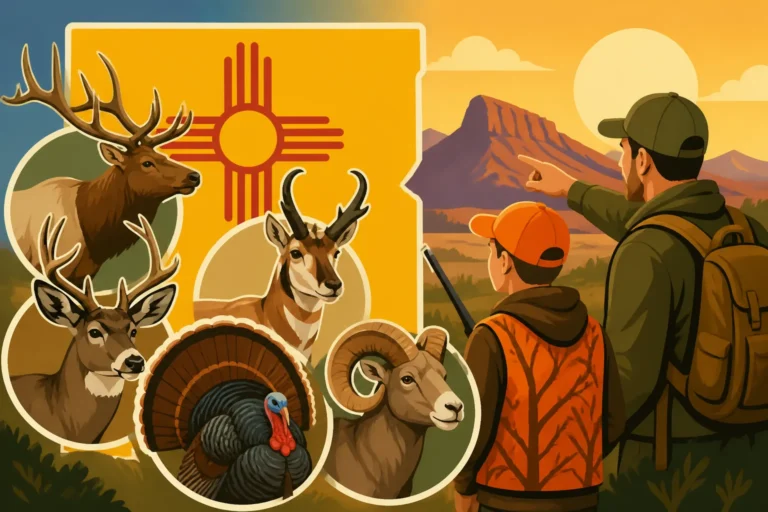
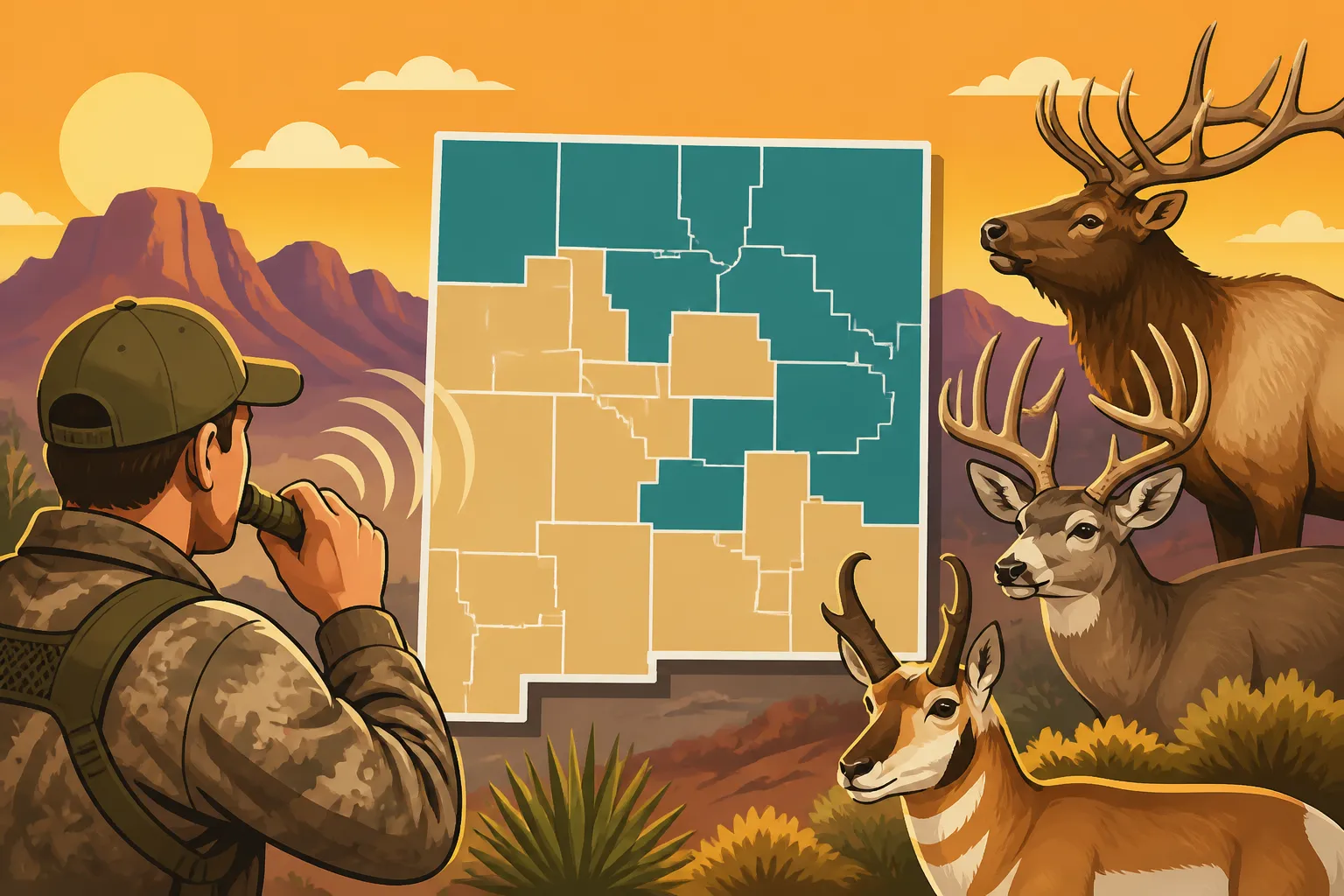
New Mexico's regulations explicitly prohibit the use of electronic calls or any device that broadcasts or produces recorded or synthetic sounds to attract or locate big game. This isn't just a suggestion; it's a hard and fast rule. We're talking about elk, mule deer, Coues deer, pronghorn, oryx, barbary sheep, ibex, and bighorn sheep. If you're hunting any of these magnificent animals, your calling strategy needs to rely on traditional, human-powered methods, or good old-fashioned woodsmanship.
Imagine you're deep in the Gila, calling to a bull elk during the rut. The thrill isn't just in the sound you make, but in the nuanced conversation, the reading of the animal's response, and the sheer challenge of coaxing him in closer. An electronic call, capable of perfectly replicating a cow's mournful plea or a bull's challenging bugle, fundamentally alters that dynamic. The NMDGF sees this as compromising the fair chase experience, turning a skillful pursuit into something closer to a video game. It's about respecting the animal and the tradition of the hunt. This ban means leaving devices like handheld electronic callers, apps on your phone that broadcast calls, or any speaker system that plays recorded animal sounds at home. Your trusty diaphragm, bugle tube, or friction call are your only legal companions in this endeavor.
Understanding the Spirit of Fair Chase
The concept of fair chase is more than just a legal term in New Mexico; it's a core philosophy that underpins all hunting regulations. It’s the idea that hunters should not have an undue advantage over the animals they pursue, ensuring the animal has a reasonable chance of escape. When you consider the vast, rugged, and often challenging terrain found across New Mexico, from the high peaks of the Sangre de Cristos to the unforgiving Chihuahuan Desert, the animals already have plenty of advantages. Adding powerful electronic tools could tip that balance too far in the hunter's favor.
Think about the intense preparation that goes into a New Mexico hunt—the physical conditioning, the endless hours of scouting, and the dedication to mastering a natural call. These are all part of the journey, the test of a hunter's skill and patience. The NMDGF wants to preserve that intrinsic value. Using an electronic call removes a significant portion of that challenge, potentially making it too easy to locate and entice animals. This dedication to fair chase is also why regulations often include detailed rules on things like Baiting and Trail Camera Rules in New Mexico, ensuring that technology serves as an aid for scouting or safety, not as a shortcut to harvest. It’s about ensuring the hunt remains a true test of woodsmanship, patience, and ethical conduct.
Exceptions to the Rule: When Electronic Calls Are Allowed
While the rules are clear for big game, New Mexico isn't entirely anti-electronic call. There are specific situations and species where these devices are not only permitted but are often a highly effective and popular tool among hunters. Understanding these distinctions is crucial, as misapplication of a call could lead to serious legal trouble. The key is knowing which species, when, and where you can deploy these electronic aids.
Predator and Varmint Hunting Opportunities
This is where electronic calls really shine in New Mexico. For animals generally classified as predators and varmints, such as coyotes, bobcats, and foxes, electronic calls are perfectly legal and widely used. These species are often managed differently, with regulations focusing more on population control and less on traditional fair chase ethics as applied to big game.
Hunting coyotes, for example, is a year-round pursuit in New Mexico, and the effectiveness of an electronic call mimicking a rabbit in distress or a coyote pup’s yelp is undeniable. Many hunters find great enjoyment and challenge in calling in these wily canines. It's a fantastic way to sharpen your hunting skills, manage local predator populations, and enjoy the vast landscapes New Mexico offers. For more specific information on these hunts, you can refer to resources like "Electronic Calls for Predators and Varmint Hunting" and "Hunting Coyotes Year Round in the Desert." Just remember, while the calls are legal, you still need to adhere to all other hunting regulations, including land access, shooting hours, and any specific unit restrictions. For bobcats and foxes, make sure you're aware of the specific season dates and any pelt tagging requirements, as these can vary. For cougars, while they are predators, the regulations are much stricter, and electronic calls are generally not permitted for them, either. It’s always best to consult the official "New Mexico Cougar Season and Zone Limits" for the most accurate information.
Other Permitted Uses and Grey Areas
Beyond predators and varmints, there aren't many other hunting scenarios where electronic calls for game animals are permitted. However, it’s important to distinguish between electronic calls and other electronic devices that are entirely legal and incredibly useful for hunters.
For instance, rangefinders, GPS devices, and even smart devices with mapping applications are all legal and highly recommended tools for navigating New Mexico’s vast public lands and making ethical shot placements. Communication devices, such as two-way radios, are also perfectly fine for maintaining contact with your hunting partners, especially when you're spread out across rugged terrain or conducting a drive. The article "Two-Way Radio Use Between Hunting Partners" dives deeper into how these can be used effectively and legally. These tools enhance safety and efficiency without directly influencing the animal's natural behavior in a way that violates fair chase. The line is drawn at devices that imitate animal sounds to lure game. Even for turkey hunting, which involves calling, electronic calls are generally prohibited, maintaining the traditional art of calling in gobblers with mouth, box, or slate calls. Always verify your tools against the current year's regulations to avoid any misunderstandings.
| Species Category | Electronic Calls Legal? | Notes |
|---|---|---|
| Elk | No | Prohibited for fair chase. |
| Mule Deer | No | Prohibited for fair chase. |
| Coues Deer | No | Prohibited for fair chase. |
| Pronghorn | No | Prohibited for fair chase. |
| Oryx | No | Prohibited for fair chase. |
| Barbary Sheep | No | Prohibited for fair chase. |
| Ibex | No | Prohibited for fair chase. |
| Bighorn Sheep | No | Prohibited for fair chase. |
| Bear | No | Prohibited for fair chase. |
| Cougar | No | Prohibited for fair chase (check specific rules, but generally no). |
| Turkey | No | Prohibited (traditional calls only). |
| Coyotes | Yes | Legal, year-round hunting, check local ordinances/land rules. |
| Bobcats | Yes | Legal, check season dates and pelt tagging rules. |
| Foxes | Yes | Legal, check season dates and pelt tagging rules. |
Staying Compliant and Informed in New Mexico
Navigating hunting regulations can feel like trying to solve a complex puzzle, especially when laws around technology are always shifting. However, staying informed isn't just about avoiding penalties; it’s about upholding ethical hunting practices and contributing to the conservation efforts that keep New Mexico's wildlife thriving. Ignorance of the law is never an excuse, and seasoned hunters know that the responsibility for compliance rests squarely on their shoulders.
Navigating the New Mexico Department of Game and Fish Regulations
The single most important resource for any hunter in New Mexico is the official "New Mexico Rules and Info Booklet." This comprehensive guide, published annually by the NMDGF, contains all the current regulations, season dates, unit boundaries, and specific rules regarding hunting methods, including the legality of electronic calls. You can usually find these booklets online on the NMDGF website, or pick up a physical copy at license vendors, NMDGF offices, or many outdoor retail stores throughout the state. I cannot stress enough how vital it is to read this document every single year because rules can and do change. A useful tool like GoHunt can provide excellent mapping and e-scouting capabilities, helping you visualize potential hunting areas and understand terrain, but it’s the official NMDGF booklet that holds the definitive legal word.
Before you even apply for a tag, a resource like E-Scouting a New Mexico Unit Before the Season can give you an edge in understanding the landscape. However, for the rules themselves, always refer to the source. Pay close attention to sections detailing "general hunting rules," "definitions," and species-specific regulations. If you're unclear about a particular rule, don't guess! The NMDGF staff are typically very helpful, and a quick phone call to their main office can clarify any ambiguities. Understanding how to interpret your draw results and what each tag signifies is also important, which is why resources like Reading a New Mexico Hunt Code Before You Apply are essential. You'll also want to familiarize yourself with Where the Current New Mexico Regulations Are Posted to always access the most up-to-date information directly.
The Consequences of Non-Compliance
The penalties for violating New Mexico’s hunting regulations, especially those pertaining to prohibited methods like electronic calls for big game, can be severe. It's not just a slap on the wrist. Depending on the gravity of the infraction, you could face hefty fines that run into hundreds or even thousands of dollars. Beyond monetary penalties, there's the very real possibility of losing your hunting license, not just in New Mexico, but potentially across multiple states through interstate compacts. Your equipment, including the electronic call itself and potentially your firearm or bow, could also be confiscated.
But the consequences extend beyond the legal realm. There's the profound impact on your reputation as a hunter and the broader perception of the hunting community. Violations undermine the conservation efforts funded by license sales and excise taxes on gear. They can fuel anti-hunting sentiment and threaten the very future of our hunting traditions. Every hunter has a responsibility to conduct themselves ethically and within the bounds of the law, upholding the principles of fair chase that are so deeply valued in New Mexico. Remember, compliance isn't just about avoiding trouble; it's about being a responsible steward of our wildlife and wild places, preserving these opportunities for generations to come. Even understanding basic requirements like The New Mexico Hunter Education Requirement underscores the importance of being fully educated on all facets of hunting in the state.
Disclaimer
Please remember that hunting regulations can change. While this guide aims to provide accurate and up-to-date information, it is your responsibility to consult the official New Mexico Department of Game and Fish regulations booklet for the current hunting season before heading into the field. This article is for informational purposes only and should not be considered legal advice.