Is Blaze Orange Required for Archery Hunting?
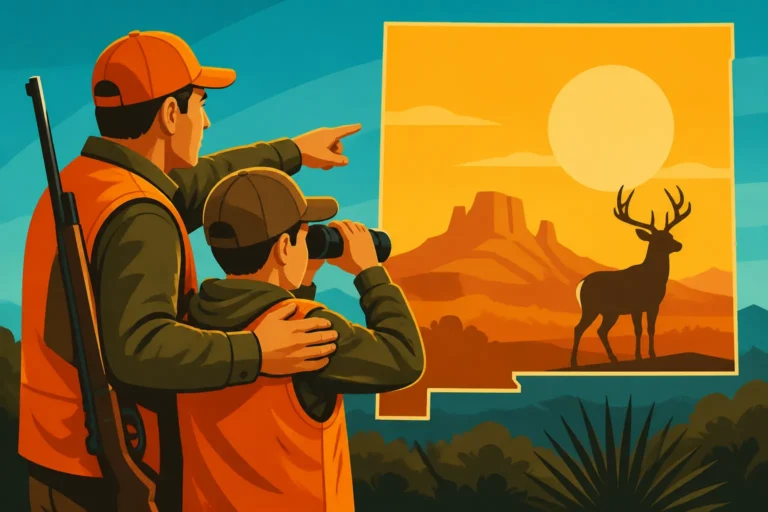
It's a question that pops up in hunting camps across New Mexico every single year, often fueled by well-meaning but sometimes misinformed advice: do I really need to wear blaze orange during archery season? The regulations around hunter orange can feel like a maze, shifting based on weapon type, species, and even the specific timing of the hunt. This guide will cut through the confusion, clarifying exactly when and why blaze orange is (or isn't) required for archery hunting in the Land of Enchantment, ensuring you stay safe and legal in the field.
Understanding New Mexico's General Blaze Orange Regulations
Navigating hunting regulations can be a bit like reading a foreign language at times, and the rules around blaze orange are no exception. New Mexico, like many states, has specific statutes designed to enhance hunter safety, primarily by making hunters more visible to others in the field. These rules are generally put in place to reduce accidental shootings, especially during firearm seasons when projectiles travel further and faster, and visibility can be compromised by dense cover or changing light conditions.
The core principle behind blaze orange requirements is simple: visual identification. By mandating a highly visible color, hunters can more easily distinguish other human beings from game animals, significantly reducing the risk of "target identification" errors. This is especially critical in areas of heavy hunting pressure or thick timber where quick glances might otherwise lead to mistakes. Understanding the spirit of the law helps to appreciate why certain distinctions are made for different hunting methods. It’s not about being an annoyance; it’s about going home safely at the end of the day.
Blaze Orange and Archery Hunting in New Mexico
Now, let's get to the heart of the matter for you bowhunters out there. Many archers prefer to blend into their surroundings, relying on camouflage patterns to help them get incredibly close to their quarry. The good news for New Mexico bowhunters is that, generally speaking, the rules align with this preference.
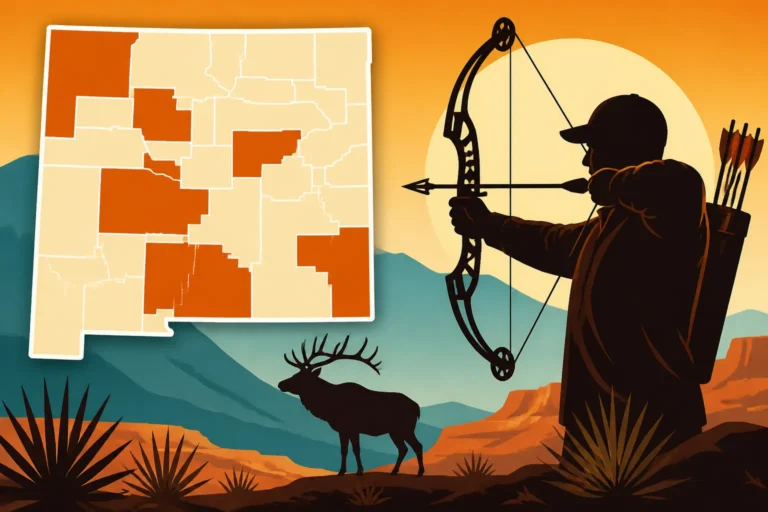
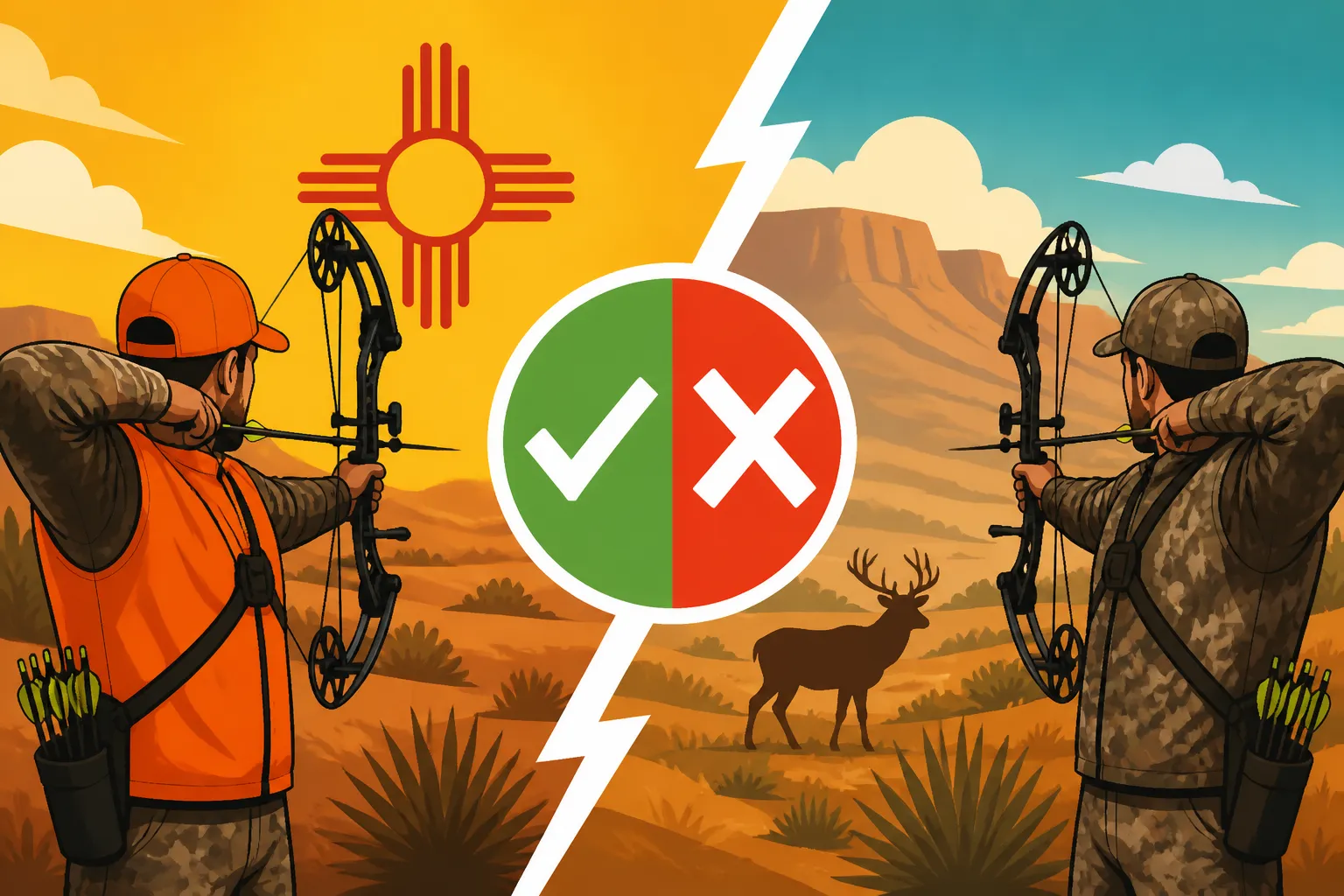
New Mexico's regulations typically do not require individuals who are actively hunting with a bow or crossbow during a designated archery-only season to wear blaze orange. This exemption recognizes the inherent nature of bowhunting, which demands stealth and close proximity to game. For an archer to successfully execute a shot, they often need to be within very close range, sometimes as little as 20-40 yards for deer or elk. Wearing bright orange could easily compromise this critical element of camouflage and, consequently, their hunting success. Think about trying to stalk a wary mule deer buck in open country while wearing a neon vest – it just wouldn't work. This allowance is a nod to the specific challenges and requirements of the sport.
However, this doesn't mean you can completely forget about blaze orange during archery season. The nuance comes into play with overlapping seasons and activities.
When Blaze Orange IS Required, Even for Archers
While you might be shedding your bright colors for an archery-only hunt, there are crucial scenarios in New Mexico where blaze orange becomes a legal necessity, even for someone who considers themselves primarily a bowhunter. Ignoring these exceptions isn't just a risk to your safety; it can lead to citations and fines.
Overlapping Seasons and Weapon Types
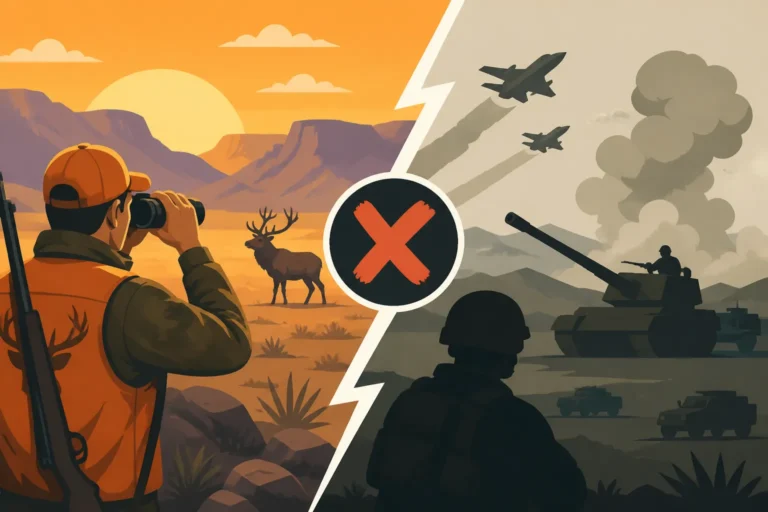
This is perhaps the most common area of confusion. If you are participating in an archery hunt that overlaps with an "any legal weapon" or muzzleloader season in the same unit, you are typically required to wear blaze orange. This is a critical point that many hunters overlook. For example, if you're out chasing elk during a late archery season, but there's also a muzzleloader or rifle hunt happening concurrently in your unit, then the blaze orange rule kicks in for everyone in the field. The rationale is simple: the presence of firearm hunters increases the overall risk, and to ensure everyone's safety, the more visible standard applies to all. It's about protecting every hunter, regardless of their chosen weapon for that specific moment. Always double-check the New Mexico Legal Shooting Hours and Blaze Orange in New Mexico section of the current Game and Fish regulations.
Retrieving Game During a Firearm Season
Let’s say you’ve arrowed a beautiful bull elk during your archery hunt, but you’re tracking it the next day, and a rifle season has opened. Or perhaps you’re helping a friend retrieve their rifle-killed deer. In situations where you are retrieving game, or even assisting a firearm hunter, you generally need to meet the blaze orange requirements. Even if you don't have a weapon in your hand, if you are participating in the hunting activity (which includes tracking and retrieving), you are considered part of the hunting party. The law doesn't differentiate between the "shooter" and the "helper" in these scenarios when it comes to safety apparel. It’s a collective responsibility to be seen and safe.
Non-Hunters Accompanying a Firearm Hunter
While this might not directly apply to you if you're the archer, it's vital information if you bring family or friends along. If a non-hunter is accompanying someone who is actively hunting with a firearm during a season that requires blaze orange, that non-hunter must also wear the required amount of orange. This includes spouses, children, or even photographers. The rule isn't just for those carrying a weapon; it's for anyone present in the hunting field during a period of elevated risk.
Specific Unit or Hunt Code Requirements
Occasionally, certain hunt codes or specific Game Management Units (GMUs) might have unique blaze orange requirements, regardless of the weapon type or overlap. These are often put in place for specific population management hunts, youth hunts, or in areas with very high hunter density. It's imperative to "Reading a New Mexico Hunt Code Before You Apply" and check the most current New Mexico Department of Game and Fish (NMDGF) proclamation for any special stipulations on your tag. Don't just assume; verify! A great tool like GoHunt can help you quickly pull up unit information and specific regulations for your drawn hunt.
Why the Rules Differ: Stealth vs. Visibility
The differing rules for archery versus firearm seasons boil down to the fundamental mechanics and safety considerations of each hunting method.
The Essence of Archery: Close-Quarters Stealth
Bowhunting is an intimate, close-range pursuit. Success hinges on a hunter's ability to remain undetected, to move quietly, and to effectively camouflage themselves within the natural environment. To get within ethical bow range of an animal – typically 60 yards or less for most big game – requires exceptional patience, skill in stalking, and visual discretion. A bright, contrasting color like blaze orange would instantly defeat this purpose, alerting animals to a hunter's presence long before a shot opportunity could arise. The target acquisition for archery is also much more deliberate, requiring the animal to be stationary and close, which inherently reduces the risk of misidentification compared to a rapidly moving animal at longer ranges with a rifle. This is why for designated archery seasons, the regulations prioritize the effectiveness of the hunting method by allowing camouflage.
The Mandate for Firearms: Long-Range Identification
Firearm hunting, especially with rifles, operates on a different set of principles. Rifles can be effective at much longer distances, often hundreds of yards, and in varied terrain. The speed and energy of a rifle bullet mean that a shot taken from a distance can travel far and have significant impact. In thick timber, at dawn or dusk, or in challenging weather, quickly and accurately identifying a target at range becomes more difficult. This is where blaze orange becomes a life-saving layer of protection. It creates a distinct, unnatural visual signal that allows hunters to immediately recognize another human, even if only a glimpse of movement is caught. The goal is to provide a clear, unmistakable "don't shoot" signal that transcends species identification. It's about differentiating between an elk and another hunter, not just in broad daylight, but in every conceivable condition. This mandatory visibility drastically reduces the chances of someone mistaking a fellow hunter for an animal.
Best Practices for Archery Hunters (Even When Not Required)
While the law might grant you an exemption during archery-only seasons, common sense and a strong commitment to safety should always prevail. There are many reasons why an archery hunter might still choose to incorporate some blaze orange into their gear, or at least be prepared to do so.
Enhancing Visibility in Camp or During Non-Hunting Activities
Even if you're deep in the wilderness on a solo archery elk hunt, you'll spend time in camp, walking back to your truck, or retrieving water. These activities might occur outside of actual "stalking" time, and during these moments, increased visibility can be a huge benefit. A simple blaze orange hat or vest, easily donned and doffed, can make you visible to other hunters who might be passing through the area, even if they're also archers. You never know who else is out there, perhaps a squirrel hunter or a shed antler enthusiast, who might not be as "tuned in" to spotting camouflaged shapes.
Navigating Shared Public Lands
New Mexico's public lands are a shared resource, and it's common to find multiple users in the same area. This includes other hunters pursuing different species, hikers, mountain bikers, or even horseback riders. Even on an archery-only hunt, the presence of these other users means that being completely camouflaged might not always be the safest option, especially when moving through open terrain. Wearing a blaze orange hat or a small patch on your backpack when moving to and from your hunting spot, or when you’re not actively stalking, is a responsible practice. Utilizing mapping apps like GoHunt can help you visualize land ownership and identify potential areas of higher public access or non-hunting recreational use, guiding your decisions on when to enhance your visibility. Checking Public Land Opportunity in the North or Hunting Areas Units With the Highest Public Land Percentage can help you understand the density of users you might encounter.
During Game Retrieval
This is a scenario where blaze orange often transitions from a "best practice" to a legal requirement, as discussed earlier. However, even if it's not legally mandated (e.g., if you're retrieving during a pure archery-only season), it's highly advisable. When you're focused on tracking a blood trail, navigating dense brush with your head down, or packing out heavy meat, your awareness of your surroundings can be compromised. Having visible orange on yourself and perhaps even on your pack can signal your presence to other hunters who might be in the area, unaware that you're engaged in the arduous task of game retrieval. Think about having an "emergency" blaze orange vest or hat stashed in your pack, ready to deploy.
Being Prepared for Overlapping Seasons
The New Mexico hunting regulations can be complex, and seasons for various species and weapon types often overlap. You might be targeting deer with your bow during New Mexico's First and Second Archery Deer Seasons, but a bear or mountain lion season might be open with different weapon types. While the general rule might exempt you for deer, you need to be aware of the overall hunting landscape. Knowing when New Mexico Muzzleloader Deer Windows or Hunting the Any Legal Weapon Deer Windows are in effect for your unit is crucial. Always consult the official NMDGF proclamation for your specific hunt code. Print it, read it, and keep it with you in the field. Tools like GoHunt can provide an interactive way to check these regulations on the fly, offering peace of mind. For those doing "E-Scouting a New Mexico Unit Before the Season", verifying these regulations is a key step.
What Counts as Blaze Orange
If you do decide to wear blaze orange, or are legally required to, it's important to understand what the regulations consider acceptable. New Mexico typically requires a certain amount of hunter orange to be visible from 360 degrees. This usually means an outer garment, like a vest or jacket, that is mostly orange. A small patch or a tiny logo might not meet the legal requirement. A blaze orange hat is often a good addition but usually not sufficient on its own. The color should be "fluorescent hunter orange," "blaze orange," or "international orange" – not just a regular orange shirt.
Here's a quick comparison of general requirements across weapon types (always verify for your specific hunt code!):
| Weapon Type / Season | Blaze Orange Requirement (General New Mexico Rule) | Rationale |
|---|---|---|
| Archery-Only Season | Generally NOT required for active archer. | Stealth is critical for close-range bowhunting; minimal risk of projectile misidentification. |
| Muzzleloader Season | REQUIRED for all hunters. | Firearm use increases range and speed of projectiles; higher risk of misidentification. |
| Any Legal Weapon Season | REQUIRED for all hunters. | Highest risk due to presence of high-powered rifles and longer engagement distances. |
| Overlapping Seasons (e.g., archery during rifle season) | REQUIRED for all hunters in the field. | Presence of firearm hunters elevates risk for everyone; safety standard applies to all. |
| Retrieving Game During Firearm Season | REQUIRED. | Active participation in hunting activity necessitates safety visibility. |
| Non-Hunters Accompanying Firearm Hunters | REQUIRED. | All individuals in the field during high-risk firearm seasons must be visible. |
Remember, these are general guidelines. The exact wording and requirements for your specific hunt will always be found in the current New Mexico Hunting Rules & Information booklet and your specific hunt code details. Don't leave it to chance.
The Bottom Line for Archery Hunters
So, to recap the core question: Is blaze orange required for archery hunting in New Mexico? For designated archery-only seasons where no other weapon types are allowed for big game in that unit, the answer is typically no, you are not legally required to wear it. However, the moment your archery hunt overlaps with a muzzleloader or any legal weapon season, or if you are retrieving game during such a season, or even if a non-hunter is with a firearm hunter, then yes, blaze orange becomes a legal and critical safety requirement.
The most important takeaway is to never assume. Always consult the most current New Mexico Department of Game and Fish regulations for your specific hunt code and unit. Use mapping applications to understand potential overlaps with other hunts or high-traffic public areas. Even when not legally mandated, considering a blaze orange hat or vest for non-stalking activities, or for navigating areas with other users, is a smart and responsible choice. Your safety, and the safety of everyone else in the field, is paramount. Stay vigilant, hunt ethically, and enjoy the incredible archery opportunities New Mexico has to offer.
Disclaimer
The information provided in this article is for general guidance only and is not a substitute for the official regulations published by the New Mexico Department of Game and Fish. Hunting laws and regulations can change, and it is the hunter's responsibility to review and comply with all current state and federal laws before participating in any hunting activity. Always consult the most recent NMDGF hunting proclamation for accurate and up-to-date information.