Guided Oryx Hunts in New Mexico
Drawing a New Mexico Oryx tag is a dream for many hunters, offering a truly unique big game experience that feels straight out of an African safari right here in the Southwest. But let's be honest, chasing these majestic, elusive animals across vast, often military-controlled landscapes presents a whole new set of challenges and logistics that can feel overwhelming, especially for first-timers or non-residents. This comprehensive guide will walk you through everything you need to know about navigating the exciting world of guided Oryx hunts in New Mexico, ensuring you're fully prepared for a successful and unforgettable adventure.
The Allure of New Mexico Oryx: Why a Guide Makes Sense
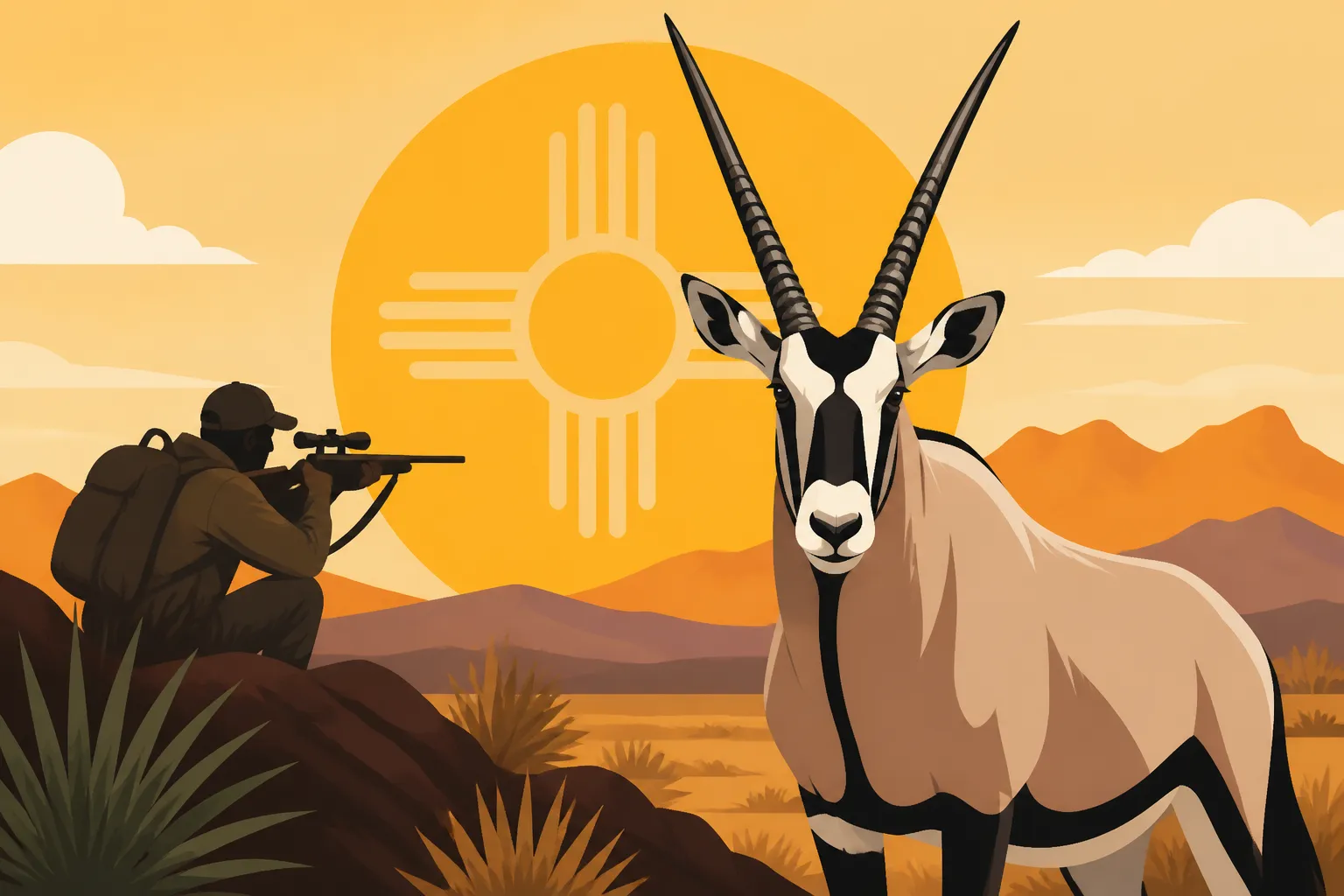
Hunting Oryx in New Mexico isn't just about pursuing another big game animal; it's an adventure unlike almost any other, steeped in a fascinating history and set against some truly iconic backdrops. These striking animals, also known as Gemsbok, are known for their incredible resilience, keen senses, and formidable straight horns that can reach impressive lengths. Their unique characteristics and the challenging terrain they inhabit are precisely what makes a guided hunt not just a convenience, but often a highly strategic choice.
Unique Challenges of Oryx Hunting
Unlike many traditional deer or elk hunts where timber and terrain offer concealment, Oryx often thrive in wide-open, stark desert environments. This means stalking them requires a completely different skillset, often involving long-distance glassing, strategic use of limited cover, and an understanding of how they react to pressure. Their ability to cover vast distances quickly and blend into the arid landscape makes them incredibly difficult to approach. A lone hunter, unfamiliar with these specific tactics, can spend days just trying to get within shooting range, let alone seal the deal.
Furthermore, Oryx are tough animals, built to survive in harsh conditions. They can take a significant amount of punishment, and tracking a wounded animal in the sprawling desert can be an arduous, if not impossible, task without experienced guidance. The precision required for an ethical shot, combined with the often windy conditions of the high desert, adds another layer of complexity. An outfitter's knowledge of shot placement, animal behavior, and tracking capabilities can be the difference between a successful harvest and a frustrating, heartbreaking outcome.
Navigating White Sands Missile Range Access
Perhaps the most significant reason many hunters opt for a guide when pursuing Oryx is the unique access requirements for hunts on the White Sands Missile Range (WSMR). This active military installation hosts some of the most sought-after Oryx hunts, offering high success rates and the chance at truly exceptional animals. However, Getting Onto White Sands Missile Range is far from a simple process. It involves strict application procedures, background checks, mandatory orientations, and adherence to incredibly precise rules and regulations set by the military.
An outfitter specializing in WSMR hunts will not only be intimately familiar with these protocols but often has established relationships and systems in place to streamline the process for their clients. They understand the specific entry points, the designated hunting areas, and the critical safety zones that hunters must respect at all times. Their expertise can help you avoid costly mistakes or delays, ensuring you meet all requirements for Why a White Sands Oryx Season Lasts Three Days and what to do What Happens If Military Operations Shorten Your Hunt. For many, this logistical peace of mind alone is worth the investment in a guided experience.
Navigating Oryx Hunt Types: On-Range vs. Off-Range Opportunities
When planning your New Mexico Oryx hunt, one of the first distinctions you'll encounter is between "on-range" and "off-range" opportunities. Both offer incredible experiences, but they come with very different access requirements, success rates, and overall hunting dynamics. Understanding these differences is crucial for setting expectations and choosing the right guided experience for you.
On-Range Hunts on White Sands Missile Range
"On-range" refers specifically to hunts conducted within the boundaries of the White Sands Missile Range (WSMR). These are widely considered the premier Oryx hunting opportunities in New Mexico due to the dense population of Oryx and the management practices that often lead to higher quality animals. The tags for these hunts are highly coveted and incredibly difficult to draw, often requiring multiple years of applying. If you manage to draw one of these golden tickets, having a guide becomes even more advantageous.
Hunts on WSMR are highly structured, typically running for three days. How an Oryx Hunt Actually Runs on the range involves meeting at designated check-in points, receiving specific instructions, and adhering to strict curfews and boundaries. Outfitters who operate here are experts in the range's specific terrain, military protocols, and the best areas to find Oryx. They can swiftly adapt to any range closures or schedule changes, maximizing your limited time. Because of the density of Oryx and the relatively controlled environment, success rates on guided on-range hunts are often very high, making them an excellent choice for those prioritizing a harvest.
Off-Range Hunts in New Mexico
"Off-range" Oryx hunts take place on various public and private lands surrounding the White Sands Missile Range, particularly across the south-central and southwest portions of New Mexico. While these areas generally have lower densities of Oryx compared to WSMR, they offer a different kind of hunting adventure, often with more expansive terrain and fewer restrictions on movement once you're in the field. Off-Range Oryx Herds in New Mexico are still robust, but the animals are typically more dispersed and can be found in a wider variety of habitats, from rolling hills to vast plains.
The draw odds for off-range Oryx tags can sometimes be slightly better than on-range tags, though they remain challenging. A guided off-range hunt can be incredibly beneficial here, as the sheer amount of public land can be daunting. Outfitters will have spent countless hours scouting, understanding game movements, and pinpointing reliable water sources that concentrate animals. They know the subtle nuances of glassing these open spaces and executing long stalks, giving you a distinct advantage in a much larger, less structured hunting environment. These hunts often appeal to hunters looking for a more traditional, expansive Western hunting experience, even if it means working a bit harder for the opportunity.
Comparing On-Range and Off-Range Oryx Hunts
To help you visualize the key differences, here's a quick comparison:
| Feature | On-Range Oryx Hunts (WSMR) | Off-Range Oryx Hunts (Public/Private) |
|---|---|---|
| Access | Highly restricted, military protocols, designated areas. | More open access, public land (BLM, State Trust Land), private. |
| Oryx Density | High density, excellent trophy potential. | Lower density, more dispersed, still good trophy potential. |
| Draw Odds | Extremely difficult. | Difficult, sometimes slightly better than on-range. |
| Duration | Typically 3 days, strict schedule. | Varies, often 3-5 days, more flexible. |
| Logistics | Strict check-ins, escorts, safety briefings. | More independent, but vast terrain requires navigation. |
| Guide Role | Navigating military rules, maximizing limited time, spotting. | Extensive scouting, strategic glassing, long-range stalking. |
| Experience | Unique, controlled, high success chance. | Traditional Western hunt, more wilderness feel, challenging. |
What a Reputable Oryx Outfitter Brings to Your Hunt
Deciding to go with a guide for your New Mexico Oryx hunt is a significant investment, so understanding what you're actually paying for is paramount. A reputable outfitter offers much more than just a ride into the field; they provide a comprehensive service designed to maximize your success, minimize stress, and ensure your experience is enjoyable and ethical from start to finish.
Expert Knowledge and Scouting
The most valuable asset an outfitter brings to the table is their intimate knowledge of the unit and the animals within it. They spend countless hours, often year-round, scouting. This isn't just a casual drive-by; it involves extensive mapping, glassing, tracking game movements, identifying bedding areas, feeding patterns, and crucial water sources, especially in arid environments. This pre-season work means they aren't starting fresh when you arrive; they already have a solid understanding of where the Oryx are likely to be.
Their expertise extends to interpreting sign, understanding Oryx behavior, and knowing how these animals react to various hunting pressures and weather conditions. This allows them to quickly adapt strategies if initial plans aren't working, moving you to productive areas rather than having you wander aimlessly. For many hunters, especially those traveling a long distance, this unparalleled local knowledge is impossible to replicate in a short hunt window. You might be able to E-Scouting a New Mexico Unit Before the Season, but there's no substitute for boots on the ground knowledge over years.
Essential Gear and Logistics
Think about all the specialized equipment needed for an effective desert hunt: high-quality spotting scopes and binoculars for long-range glassing, powerful rifles sighted for extended shots, dependable vehicles capable of traversing rough terrain, and all the necessary camping and communication gear. A good outfitter provides much of this, eliminating the need for you to purchase or transport bulky, expensive items. This is particularly beneficial for nonresident hunters flying into New Mexico.
Beyond gear, outfitters handle the complex logistics. This includes transportation to and from the hunting area, setting up comfortable camps, preparing meals, and dealing with meat care and trophy preparation after the harvest. Imagine successfully harvesting a large Oryx in the middle of nowhere; an outfitter has the means to field dress, pack out, and properly cool the meat to prevent spoilage, even in warm desert conditions. This kind of support frees you to focus solely on the hunt itself, rather than worrying about the myriad details that can quickly derail an unguided trip.
Guidance on Hunting Strategy and Ethics
Oryx hunting demands specific strategies, especially concerning long-range shot placement and ethical hunting practices. An experienced guide will coach you on the best approach for a stalk, how to use the limited cover to your advantage, and when to take a shot versus waiting for a better opportunity. They understand Reading Wind in a Deep Gila Canyon and how it applies to open desert, helping you compensate for environmental factors that can impact accuracy.
Furthermore, guides ensure that all hunting regulations are strictly followed. They are well-versed in bag limits, tagging requirements, and other legal obligations, preventing accidental violations. They also promote ethical hunting, emphasizing fair chase and responsible animal recovery. This guidance is invaluable for maintaining the integrity of the hunt and ensuring that your experience is both successful and morally sound.
Decoding the Investment: Costs and Considerations for Guided Oryx Hunts
Investing in a guided Oryx hunt in New Mexico is a significant financial commitment, but understanding what influences the cost and what typically comes included (or excluded) can help you budget effectively and avoid surprises. Prices can vary widely based on several factors, so a little homework goes a long way.
Typical Price Ranges and What's Included
The cost of a fully guided New Mexico Oryx hunt can range substantially. Generally, you can expect the base price for a 3- to 5-day hunt to be a considerable sum. Factors influencing this range include:
- On-Range vs. Off-Range: On-range hunts on White Sands, due to their unique access and high success rates, often command a premium.
- Duration: Longer hunts, naturally, will incur higher costs.
- Inclusions: What's included in the "base price" can differ greatly. Many outfitters offer "all-inclusive" packages that cover guide services, meals, lodging (tents, RVs, or cabins), transportation once you arrive at the meeting point, and field care of your animal. Others might offer a more à la carte approach.
- Trophy Quality: Some outfitters might offer different tiers of hunts based on the potential for larger trophies, though this is less common with Oryx where quality is generally high across the board.
It's critical to clarify every detail of what's included before booking. Platforms like BookYourHunt can be useful for comparing package details from different outfitters, helping you understand the standard offerings. Always get a detailed breakdown in writing.
Common Exclusions and Hidden Costs
While an outfitter’s package may seem comprehensive, there are almost always additional expenses that you’ll need to factor into your budget. These "hidden" costs can quickly add up if you're not prepared:
- Hunting License and Tag Fees: Nonresident Oryx Tag Pricing in New Mexico is substantial and is never included in the outfitter's price. You are responsible for drawing and purchasing your own tag.
- Travel to Meeting Point: Airfare, fuel for personal vehicle, and any overnight stays before or after the hunt to reach the outfitter's designated meeting location are your responsibility.
- Taxidermy and Meat Processing: While field dressing and caping might be included, the actual taxidermy work and professional meat processing (cut, wrap, freeze) are almost always separate costs. Shipping meat and trophies home, especially for non-residents, can also be a significant expense.
- Gratuities for Guides and Staff: Tipping your guide and camp staff is customary and expected in the hunting industry. This can be a significant portion of your overall budget, typically ranging from 10-20% of the hunt cost, depending on your satisfaction and the level of service.
- Personal Gear: Your rifle, ammunition, hunting clothing, optics (though guides usually have spares), and other personal items are your responsibility.
- Unexpected Fees: Occasionally, if military operations shorten a White Sands hunt, there might be fees associated with rebooking or rescheduling, though good outfitters will usually work with you on this.
Payment Structures and Cancellation Policies
Understanding an outfitter's payment schedule and cancellation policy is absolutely crucial. Most outfitters require a non-refundable deposit to secure your booking, with the balance due a certain number of days or weeks before the hunt begins. Some may offer payment plans, but don't assume this is the norm.
Be sure to read the fine print on cancellation and refund terms. What happens if you fail to draw a tag? Do they offer a deferral to the next year, or is your deposit forfeited? While some outfitters are flexible, especially with difficult-to-draw tags, others have strict policies. It’s important to clarify these details upfront to protect your investment. A reputable outfitter will have clear, transparent policies outlined in their guide-client contract.
Making Your Choice: Vetting and Booking a New Mexico Oryx Outfitter
The success and enjoyment of your guided Oryx hunt hinge significantly on the outfitter you choose. With many options available, it's essential to do your homework, ask the right questions, and ensure you're comfortable with your selection. This process requires diligence, research, and clear communication.
Researching and Vetting Outfitters
The first step is thorough research. Start by looking for outfitters specifically advertising New Mexico Oryx hunts. Websites like BookYourHunt are excellent resources, as they aggregate numerous outfitters and often include client reviews and detailed service descriptions. This allows you to compare different operations side-by-side. You can also find outfitters through hunting forums, social media groups, and by searching directly for New Mexico guided hunts.
Once you have a list of potential outfitters, the vetting process begins. Check their online presence, look for testimonials, and pay attention to how they present their services. Are they transparent about pricing and inclusions? Do they clearly outline their hunting philosophy? Be wary of any outfitter who makes unrealistic promises or has very little information available. Remember, New Mexico Reserves Ten Percent of Every Hunt for Outfitter Clients, so reputable outfitters often have years of experience navigating the state's unique allocation system.
Key Questions to Ask Prospective Guides
Before committing, prepare a list of specific questions to ask each outfitter. This conversation is your chance to gauge their expertise, personality, and professionalism. Here are some essential inquiries:
- Experience: How long have you been guiding Oryx in New Mexico? How familiar are you with the specific unit I'm interested in (on-range or off-range)?
- Success Rates: What are your typical success rates for Oryx, and what factors influence those rates (e.g., weapon type, hunter fitness)? Be realistic; 100% success is rare.
- Hunt Style: What is your primary hunting method for Oryx (e.g., spot and stalk, calling)? How much walking can I expect each day?
- Logistics: What are the accommodations like? What kind of food is provided? What is your typical guide-to-hunter ratio? What vehicles do you use?
- References: Can you provide references from past Oryx clients, ideally from the last two years? This is perhaps the most critical question; a reputable outfitter will gladly provide them.
- Permits and Licensing: Are you fully licensed and insured in New Mexico? Do you operate legally on all lands you hunt? (New Mexico requires The Signed Guide-Client Contract New Mexico Requires and for your outfitter to spend Two Days in the Field With Your New Mexico Outfitter with you on any draw tag.)
- Communication: What communication methods are available in the field (e.g., satellite phone, two-way radio)? What is your emergency plan?
- Post-Hunt: What is your process for field dressing, packing out, and initial meat/trophy care? Can you recommend local taxidermists or meat processors?
Booking and Permit Considerations
The timing of your booking is often tied to New Mexico's draw application deadline, which is generally in March for most big game species. Many hunters will book an outfitter conditionally, meaning their deposit is refundable or transferable if they don't draw a tag. Always clarify this arrangement. Tools like GoHunt's Insider can provide invaluable data on draw odds for various Oryx units, helping you make informed decisions about which units to apply for and where to focus your outfitter search.
Once you've chosen an outfitter, you'll typically sign a formal contract. Read this document thoroughly. It should detail all services, costs, payment schedules, cancellation policies, and legal obligations for both parties. This contract is your protection and ensures there are no misunderstandings down the line. Remember, securing your tag is ultimately your responsibility, and while an outfitter can advise, they cannot guarantee a draw.
The Hunt Itself: Strategies, Success, and After the Shot
The day finally arrives, and you're in the field, ready to pursue New Mexico's magnificent Oryx. This stage is where all the planning, scouting, and your outfitter's expertise truly come together. Understanding the general flow, common strategies, and post-harvest procedures will help you mentally prepare for the reality of the hunt.
Spot and Stalk in Wide Open Country
The primary method for hunting Oryx, both on and off the White Sands Missile Range, is spot and stalk. These animals have incredibly sharp eyesight and can often detect movement from astonishing distances across the open desert. Your day will likely begin early, driving through prime habitat or accessing specific areas, with extensive time dedicated to glassing. Spotting Scope Power for Open Country is critical, and your guide will typically provide high-end optics to scan distant hillsides, plains, and draws for the tell-tale white and black bodies of Oryx.
Once an Oryx or herd is spotted, the real challenge begins: planning and executing a stalk in often minimal cover. This might involve long walks, crawling, using subtle terrain features like arroyos or small rises, and constant vigilance against being detected. Your guide's experience in How Far to Stalk a Bedded Mule Deer and similar open-country techniques will be invaluable. They will constantly assess the wind, sun, and terrain to give you the best chance to close the distance for an ethical shot. Patience is a virtue here; multiple stalks on different animals might be necessary before a successful opportunity presents itself.
Shot Opportunity and Ethical Considerations
Oryx are resilient animals, and when you finally get into position, a precise shot is paramount. Your guide will work with you to ensure you have a steady rest and understand the optimal shot placement for these tough creatures. Distances can often be longer than expected, sometimes exceeding 300 yards, so proficiency with your rifle at extended ranges is crucial. Ethical hunters strive for a quick, clean kill, and your guide will emphasize this, often talking you through the shot scenario.
Should an animal be wounded, your guide's tracking skills become essential. Oryx can travel surprisingly far even when hit, and following a faint blood trail across hard, rocky desert ground requires a keen eye and extensive experience. This is another area where a guided hunt provides a distinct advantage, maximizing the chances of recovering your animal and preventing unnecessary suffering. Your commitment to staying focused and making the best shot possible will be highly appreciated by your guide.
Post-Harvest Logistics
Congratulations, you've successfully harvested an Oryx! The work isn't over, but now your guide truly earns their keep. In the desert heat, getting the animal field dressed and cooled quickly is critical to preserving the meat. Your outfitter will have the necessary tools and knowledge to efficiently process the animal in the field. This usually involves quartering and caping for taxidermy, preparing the hide and skull for transport.
They will also handle the logistics of packing the meat and trophy back to camp or a designated vehicle. Depending on the terrain, this might involve carrying heavy loads over considerable distances. Once back at camp, proper cooling is initiated, which could mean placing meat in large coolers with ice or accessing a walk-in cooler if available. Before you leave, your guide will ensure all tagging and reporting requirements are met. They'll also often help you arrange for local meat processing and shipping of your trophy, streamlining the end-to-end process. Is Oryx Meat Worth Eating? Absolutely, and proper handling ensures it's delicious!
Disclaimer
This article is for general informational purposes only and does not constitute professional advice. Laws, prices and regulations vary by location and change over time. Consult a qualified professional for guidance on your specific situation.