How Much Riding Ability a Horseback Hunt Needs
It’s a common daydream, isn't it? The idea of riding deep into the New Mexico backcountry on horseback, leaving the roads and the crowds far behind, straight to that hidden basin where the big bulls live. But before you saddle up, it's really important to understand that a horseback hunting trip isn't just a casual trail ride like you might take at a dude ranch. It's physically demanding, requires specific skills, and if you're not prepared, it can turn a dream hunt into a miserable ordeal. This guide is going to walk you through exactly what kind of riding ability you'll truly need for a successful and safe New Mexico horseback hunt.
Beyond the Trail Ride: What a Backcountry Horseback Hunt Entails
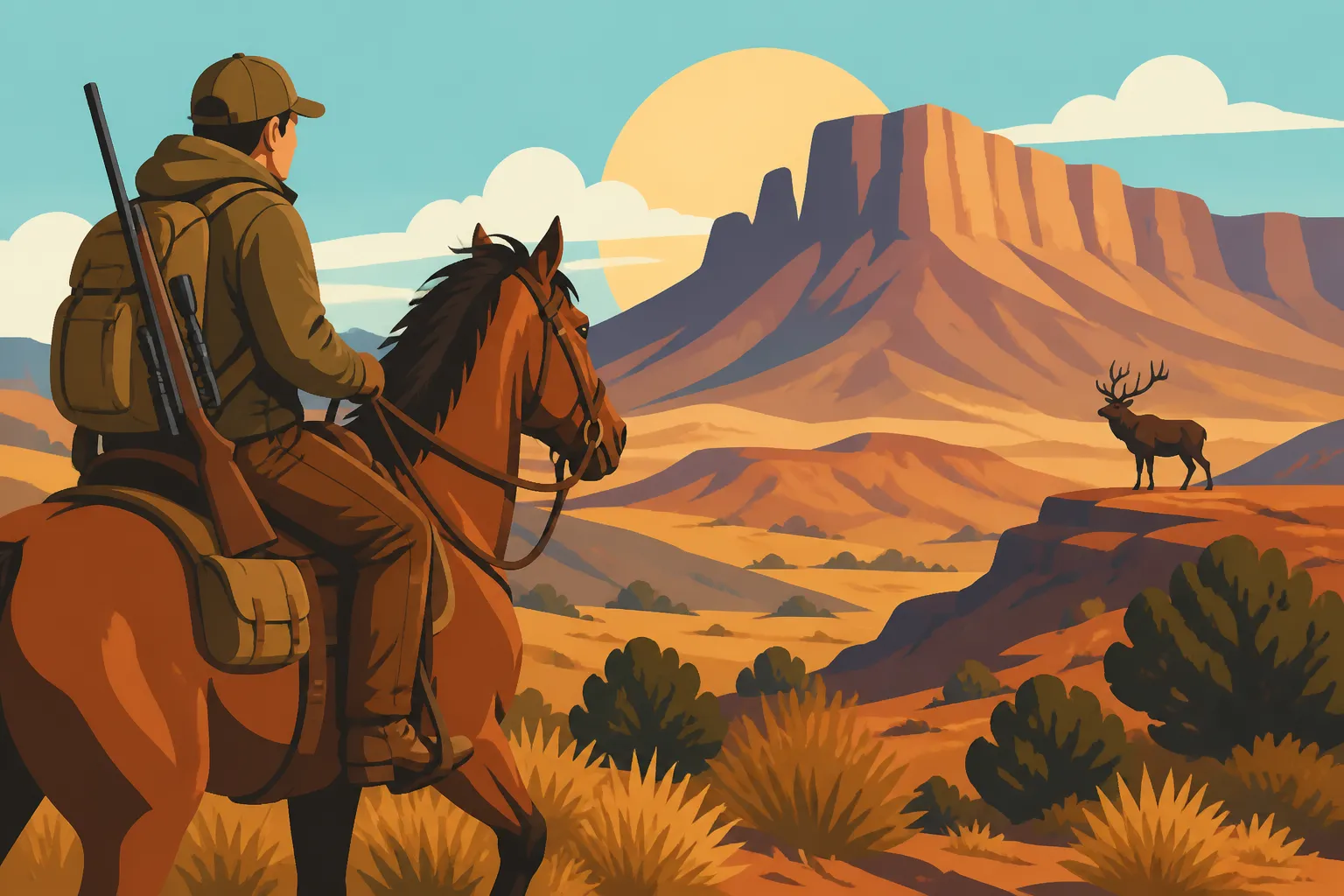
When you envision a horseback hunt, it’s easy to picture yourself comfortably astride a docile horse, trotting along a well-worn path. The reality of hunting in places like the Gila National Forest or the rugged Sangre de Cristo Mountains is far different. Horses in these environments are not just a mode of transport; they are an integral part of the hunting operation, acting as both your vehicle and your pack animal, and they navigate terrain that would challenge even the most experienced hikers. Understanding this distinction is the first step toward preparing yourself adequately for the adventure ahead.
The Horse as a Tool, Not a Taxi
Think of the horses on a New Mexico backcountry hunt as the ultimate utility vehicle, not a leisurely taxi. Their primary role is to get you and your gear into incredibly remote areas, often miles from any road, and then to pack out your harvest. This isn't about enjoying the scenery from horseback; it's about covering vast distances efficiently and effectively in country where other methods are impossible. They carry heavy loads, climb steep grades, descend treacherous trails, and stand patiently in challenging conditions. The horse is an extension of your hunting strategy, allowing access to pristine areas that harbor elusive game. Horses and Mules on a Gila Hunt is a great read to understand the specific role these animals play in this kind of terrain. You're not just a passenger; you're part of a team, and your ability to work with your mount is crucial.
This means you’ll be riding for long hours, sometimes before dawn and after dark, through all sorts of weather. You might be leading your horse up a rocky incline, dismounting to navigate a tricky patch, or holding them steady while glassing. Your hands will be busy with reins, binoculars, or even a rifle scabbard. It’s a working relationship where the horse provides the muscle and access, and you provide the direction and the ability to stay mounted and effective. The animal's experience is valuable, but your contribution to keeping things safe and moving smoothly is equally important.
Navigating Challenging Terrain
The New Mexico backcountry is not manicured. You’ll encounter everything from dense timber with low-hanging branches to steep, rocky climbs and slippery descents. There will be stream crossings, loose shale, and often, no discernible trail at all—just game trails or paths broken by outfitters over decades. Your horse will be picking its way through obstacles, and you need to be able to anticipate these movements, balance through them, and stay secure in the saddle. It's a far cry from a flat, even trail. Reading Terrain Before You Pick a Camp often gives a glimpse into the kind of ground you might encounter.
Imagine riding through a tight canyon, where one side drops steeply into a creek bed and the other rises to a sheer cliff. Or picking your way across a scree field, each step a careful calculation for your horse. You might ride through thick oak brush or ponderosa stands where branches constantly try to pull you from the saddle. These aren't just obstacles; they're the standard operating procedure for a horse in true backcountry. You need to be prepared for sudden stops, quick turns, and moments where you might need to lean far out of the saddle to avoid a low branch or help balance your horse. It’s an active, engaged style of riding that demands your full attention and physical participation.
Essential Riding Skills for New Mexico Backcountry
So, what does this demanding environment actually require of you, the rider? It's more than just being able to sit on a horse. It encompasses a range of practical skills and a level of physical fitness that allows you to be an asset, not a liability, to your outfitter and your mount. These skills aren't necessarily about advanced horsemanship, but rather about competence, resilience, and a solid understanding of basic control.
Basic Horsemanship and Control
At a minimum, you need to be comfortable and confident in the saddle. This means being able to mount and dismount efficiently, even with a rifle in a scabbard or a pack on your back. You must be able to guide the horse with subtle rein and leg cues, not just pull on the bit. Knowing how to stop, start, and turn your horse predictably is fundamental. More importantly, you need to understand how to maintain your balance through rough terrain – leaning with the horse on inclines, bracing on descents, and moving with the animal's natural rhythm. This isn't about showmanship; it's about safety and efficiency.
Outfitters often provide well-trained, reliable mountain horses that know their job. However, even the best horse can be startled or decide to test its rider. Your ability to remain calm, maintain control, and offer clear direction is paramount. You should be able to tie off correctly, understanding how to secure your horse for a short stop without risking injury to the animal or entanglement with your gear. It’s about being an active participant in the ride, not just a passive passenger. If you've only ridden horses on groomed trails where the horse follows the one in front, you might be surprised by the level of engagement required.
Rider Stamina and Physical Preparedness
Here’s where many hunters underestimate the challenge: riding for hours on end, day after day, is physically exhausting. It uses muscles you probably don't work regularly – your core, inner thighs, and back. You'll be stiff, sore, and tired. Physical Conditioning for a Gila Hunt provides excellent advice on preparing your body for the rigors of a backcountry hunt, and much of that applies directly to the physical demands of riding. You'll need enough stamina to ride all day, then dismount and be ready to stalk, climb, or pack meat, often in high-altitude conditions.
Beyond just sitting in the saddle, you'll be actively balancing, absorbing bumps, and sometimes walking alongside your horse up steep sections to give both yourself and the animal a break. Being in good cardiovascular shape and having a strong core will make a huge difference in your comfort and effectiveness. A hunting guide expects you to pull your weight, and that includes being physically capable of enduring the journey. If you're struggling to stay in the saddle, you're distracting your guide and potentially putting yourself and others at risk. The guides on platforms like BookYourHunt will usually ask about your physical condition for a reason!
Assessing Your Own Riding Ability
Before you commit to a horseback hunt, particularly in rugged New Mexico units like those in the Gila, you need to take an honest look at your riding experience. Self-assessment is crucial, and it’s always better to be conservative in your estimation than to overstate your abilities. Misrepresenting your skills can lead to dangerous situations and a less-than-enjoyable hunt for everyone involved.
Honest Self-Assessment
Ask yourself: Have I ridden consistently in the last year or two, or was my last ride five years ago at a beach resort? Have I ridden different types of horses? Have I ridden on trails that weren't perfectly flat and smooth? Can I truly control a horse if it decides to bolt or spook? If you're honest with yourself, you'll get a clearer picture. Consider taking a few lessons from a local stable that specializes in trail riding, or even renting a horse for a few hours on more challenging terrain to see how you truly handle it. Don't just rely on childhood memories of a pony ride.
A good way to gauge is to consider the difference between a "pleasure rider" and a "competent trail rider." A pleasure rider might enjoy a leisurely walk on a tame horse. A competent trail rider can actively steer, maintain balance through varied terrain, anticipate the horse's movements, and handle minor surprises without panicking. This isn't about riding English or Western; it's about practical, real-world control and confidence. Many outfitters will specifically ask How Much Riding Ability a Horseback Hunt Needs from their clients, so be ready to answer truthfully.
Communicating with Your Outfitter
This is perhaps the most critical step. When you're speaking with a prospective outfitter, whether you found them through resources like GoHunt or direct referral, be completely transparent about your riding experience. Don't inflate your skills hoping to impress them. A good outfitter needs to know your true abilities so they can pair you with the right horse – a more seasoned, docile animal if you're less experienced, or a livelier one if you're a skilled rider. They also need to know if they'll need to dedicate extra time to coaching you or making adjustments to the pace. What Guides Expect From Their Clients always includes honesty about physical and skill levels.
Tell them how many times you’ve ridden, the type of riding you've done, and any concerns you might have. An experienced outfitter will appreciate your honesty and work with you to ensure your safety and enjoyment. If an outfitter doesn't ask about your riding experience, that might be a red flag itself. They should be concerned with matching you appropriately. A conversation about your comfort level, past experiences, and any limitations is a sign of a professional operation committed to client safety and success.
Preparing for Your Horseback Hunt
Once you've made the decision to go on a horseback hunt and chosen an outfitter, it's time to actively prepare. This isn't just about physical conditioning; it’s about familiarizing yourself with riding again and ensuring you have the right gear. Thoughtful preparation can significantly enhance your experience and confidence in the saddle.
Pre-Hunt Practice and Training
If you haven't ridden in a while, or if your experience is limited, consider taking some riding lessons in the months leading up to your hunt. Focus on trail riding techniques, learning how to handle a horse on inclines, declines, and uneven ground. Even a few sessions can refresh your muscle memory and build your confidence. If lessons aren't feasible, try to find opportunities for consistent trail riding. The more time you spend in a saddle, the better prepared you'll be. This is especially true for Preparing Physically for a High Elevation Hunt, as both the riding and the altitude will test you.
Beyond riding, continue with your general physical fitness routine. Strengthen your core, work on your leg muscles, and improve your cardiovascular endurance. Long rides often mean early starts, so practicing getting up early and being active for extended periods will also help. Remember, you're not just riding; you'll be hunting, which often involves getting off the horse and walking, stalking, or even packing meat. The better shape you're in, the more you'll enjoy every aspect of the hunt.
Gear Considerations for Horseback Hunters
While your outfitter will provide the horses and all their tack, your personal gear choices are critical for comfort and safety in the saddle. Start with good quality boots with a defined heel – this is non-negotiable for safety as it prevents your foot from slipping through the stirrup. Chaps can offer protection from brush and chafing on long rides. Comfortable, durable pants (not overly baggy or restrictive) are also key. Layers are essential for New Mexico's unpredictable mountain weather, allowing you to adjust easily without dismounting.
Think about how your rifle will be carried – usually in a scabbard on the horse – and ensure your backpack is comfortable and doesn't interfere with your riding position. Consider a small chest rig for essentials like binoculars, a rangefinder, and a GPS that you can access easily while mounted. A wide-brimmed hat or cap under your helmet (if you choose to wear one) can protect from sun and rain. Discuss your gear with your outfitter well in advance; they often have specific recommendations based on their horses and the terrain you'll be hunting. This attention to detail will help make your New Mexico Gila Elk Outfitters and What They Offer experience a positive one.
Understanding the Logistics of Horseback Hunts
Horseback hunts aren't just about the riding; they involve complex logistics. Outfitters meticulously plan routes, manage multiple horses, and establish backcountry camps, often relying on drop camps. Understanding these elements can give you a fuller picture of what you're signing up for and why your riding ability plays such a significant role. It's a team effort, and every component, including the hunter's skill, contributes to the overall success and safety.
The Role of Pack Strings and Drop Camps
Many horseback hunts into remote areas of New Mexico, particularly wilderness areas like the Gila or Aldo Leopold, utilize pack strings to transport gear, food, and camp supplies. This is where your outfitter's experience truly shines. They’ll have dedicated pack animals carrying large loads, often with mules known for their strength and sure-footedness. You, as the hunter, will typically ride a saddle horse while the pack string moves the camp. The Logistics of a Horseback Drop Camp details the intricate planning that goes into these operations, and it highlights why every rider needs to be self-sufficient and capable.
A common setup involves establishing a base camp, then using horses to access more distant areas or set up temporary spike camps. These What a New Mexico Drop Camp Costs might be simple wall tents or even just a tarp setup, allowing hunters to stay closer to the game without having to ride back to a main camp each night. Your ability to ride to these remote locations, often over multiple days, is critical. If you're struggling on the ride in, it compromises the entire operation and can exhaust both you and the horses before the actual hunting even begins. Outfitters have to manage their stock carefully, and an incapable rider can put undue stress on the animals and the schedule.
Safety Protocols and Contingency Planning
Outfitters operating horseback hunts have strict safety protocols, and your riding ability directly impacts their effectiveness. Accidents can happen, from a horse tripping to a rider being unseated, especially in challenging terrain or adverse weather. Being a competent rider means you're less likely to cause an incident and more likely to react appropriately if one occurs. This doesn't mean you need to be a rodeo star, but rather, a calm and capable individual who won't panic in unexpected situations.
Contingency planning is also a significant part of these trips. Remote areas in New Mexico often have limited or no cell service, making communication difficult. Outfitters carry satellite communication devices, but getting an injured person out of the backcountry can be a multi-day operation involving significant resources. Your outfitter will likely assess your riding capabilities to ensure you can safely navigate the routes and minimize risks. When discussing your hunt, don't hesitate to ask about their emergency plans and how they handle situations far from help. This kind of transparency is essential, whether you're Booking Before Draw Results Post or after.
Conclusion: Riding into Your New Mexico Hunting Adventure
A horseback hunt in New Mexico offers an unparalleled opportunity to experience the wild, untamed beauty of its mountains and deserts, reaching game that others simply cannot. But it’s not for the faint of heart, or for the rider who hasn't spent much time in the saddle. It demands a reasonable level of riding proficiency, physical fitness, and a willingness to embrace the challenges of the backcountry.
By being honest about your abilities, communicating openly with your outfitter, and investing time in pre-hunt preparation, you'll ensure that you’re not just a passenger, but an integral part of a successful and memorable hunting adventure. The majestic landscapes of New Mexico are waiting, and with the right preparation, you can ride confidently into your next hunting story.
| Riding Skill Level | Typical Experience | Backcountry Hunt Readiness |
|---|---|---|
| Beginner | Few rides, mostly walking, needs constant guidance, not confident controlling horse. | Not recommended without extensive pre-hunt training; significant risk to rider and hunt. |
| Novice | Can walk/trot on groomed trails, limited experience with varied terrain, can control a calm horse. | Requires several months of consistent practice focused on trail riding; outfitter may provide a very seasoned horse. |
| Intermediate | Comfortable with all gaits, ridden on various trails, understands basic cues, can handle minor surprises. | Generally well-suited; can handle long days and varied terrain with a reliable mountain horse. |
| Experienced | Rides regularly, comfortable in rough terrain, can handle responsive horses, confident in challenging situations. | Ideal; can be a strong asset to the hunt team, comfortable with demanding conditions. |
Disclaimer
This article is for general informational purposes only and does not constitute professional advice. Laws, prices and regulations vary by location and change over time. Consult a qualified professional for guidance on your specific situation.