Hunting Solo Against Hiring a Guide
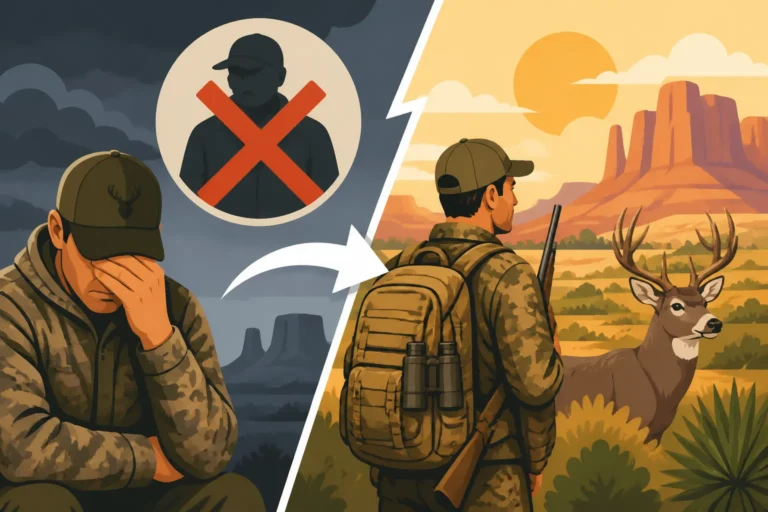
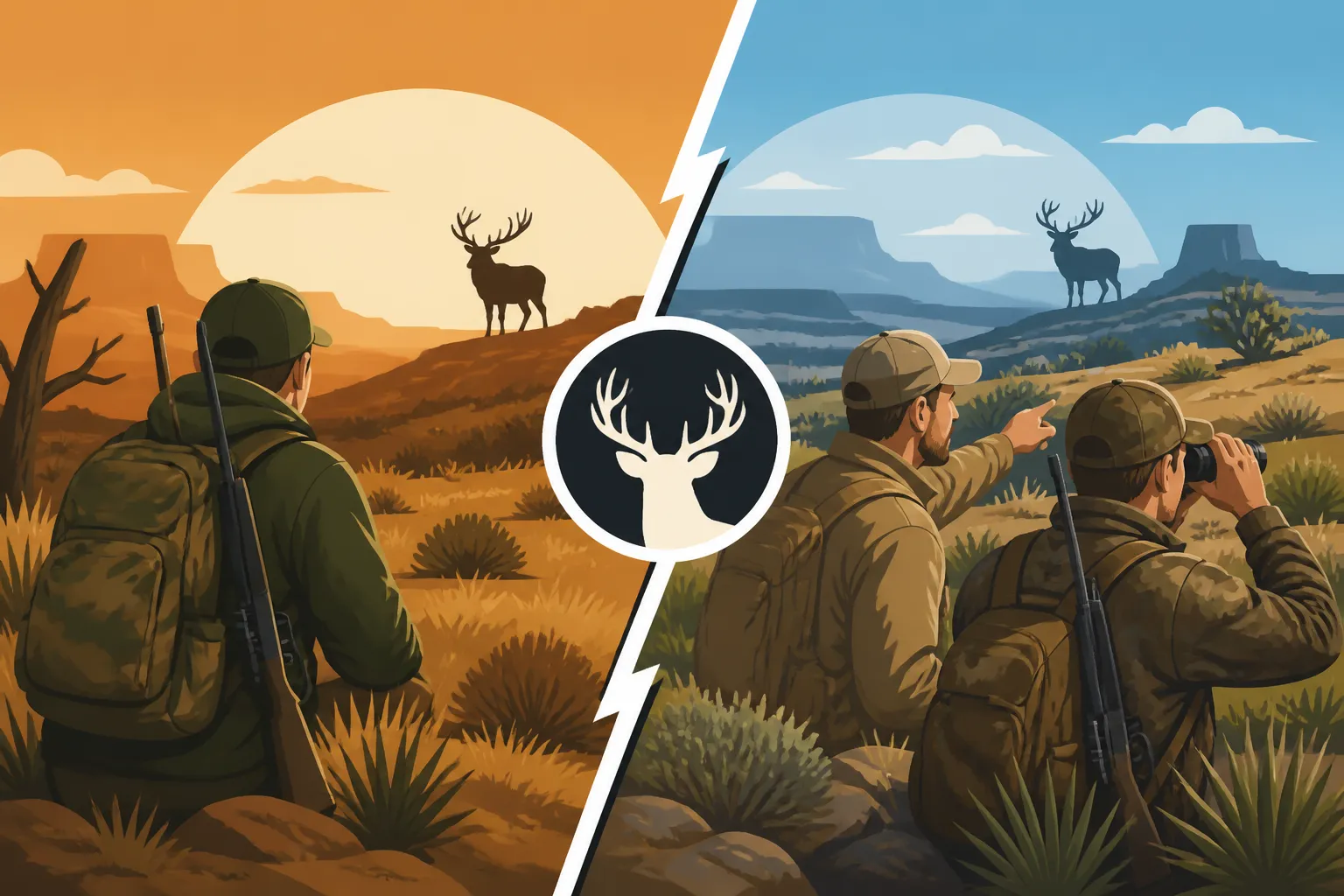
The decision between embarking on a New Mexico hunting adventure solo or enlisting the expertise of a professional guide is one that weighs heavily on the minds of countless hunters. It’s not just about preference; it’s about weighing the immense satisfaction of a self-reliant hunt against the logistical support and increased odds a guide can offer, especially in the vast and often unforgiving landscapes of New Mexico. This guide aims to thoroughly explore both paths, helping you navigate the complexities and make the most informed choice for your next pursuit.
The Allure and Realities of Solo New Mexico Hunts
There’s a certain primal draw to a solo hunt, isn't there? The idea of pitting your skills, knowledge, and endurance against the wild, with no one but yourself to rely on, holds an undeniable appeal. New Mexico, with its vast public lands and diverse ecosystems, offers incredible opportunities for the independent hunter, from the high peaks of the Sangre de Cristos to the sweeping desert plains.
The Deep Satisfaction and Personal Growth
When you hunt solo, every decision, every stalk, every challenge overcome is entirely yours. There’s a profound sense of accomplishment that comes from planning every detail, from researching hunt codes and units to E-Scouting a New Mexico Unit Before the Season and executing the hunt without external assistance. Imagine the quiet satisfaction of picking apart a topographic map, locating a promising water source in the desert, and then successfully harvesting an animal purely through your own effort. This journey fosters immense personal growth, sharpening your bushcraft, navigation, and problem-solving skills in ways a guided hunt simply cannot. You learn to trust your instincts, read the subtle signs of the land, and understand the rhythms of the wildlife on a much deeper level.
Furthermore, a solo hunt often connects you to the wilderness in a uniquely intimate way. Without constant conversation or the presence of others, your senses become heightened. The whisper of the wind through the ponderosas, the distant call of a coyote, the subtle snap of a twig underfoot – these moments become amplified, forging a connection to nature that can be truly spiritual. You become an active participant, not just an observer, in the intricate dance of the ecosystem. Many hunters cherish these moments of solitude, finding them to be as rewarding as the harvest itself.
The Steep Learning Curve and Potential Pitfalls
While rewarding, solo hunting in New Mexico demands a significant investment of time, effort, and experience. The learning curve can be incredibly steep, especially for those new to the state's unique challenges. Consider the sheer scale of the Gila National Forest; trying to locate elk in such vast, rugged terrain without prior knowledge or guidance can feel like searching for a needle in a haystack. There's the immense challenge of Packing an Elk Out of the Gila Alone after a successful harvest, a task that often requires multiple trips and significant physical conditioning, not to mention a solid plan for meat care in varying temperatures.
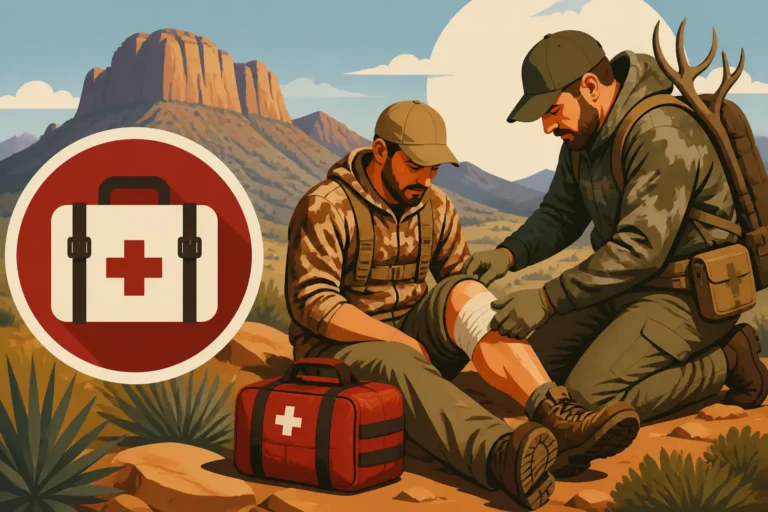
Beyond the physical demands, there are significant logistical hurdles. You are solely responsible for all aspects of the hunt, from vehicle maintenance to camp setup, cooking, and first aid. If something goes wrong—a twisted ankle miles from the trailhead, a broken piece of gear, or getting turned around in unfamiliar country—you are on your own to resolve it. Safety becomes paramount, necessitating meticulous planning, redundant gear, and a clear understanding of your limits. Moreover, the success rates for solo hunters, particularly on species like elk or bighorn sheep in challenging units, can often be lower than those achieved with professional guidance simply because local knowledge and years of experience are hard to replicate overnight.
The Advantages and Expectations of Hiring a New Mexico Guide
For many hunters, especially those with limited time, less experience in specific New Mexico units, or a strong desire to maximize their chances of success on a coveted tag, hiring a guide is an incredibly attractive option. It transforms the hunting experience from a self-reliant expedition into a professionally managed endeavor.
Leveraging Expertise and Logistics
A reputable New Mexico guide brings a wealth of invaluable assets to your hunt. Foremost among these is their intimate knowledge of the local terrain, animal behavior, and historical patterns within specific hunt units. They live and breathe these areas, understanding where the animals feed, water, bed, and travel based on season, weather, and pressure. This deep expertise significantly increases your chances of encountering game and making a successful harvest. For example, a guide operating in the Gila will know the subtle nuances of Bugling Bulls Through New Mexico's Mid-September Rut, which can be the difference between a close encounter and an empty bugle tube. They often have access to private land or specialized permits that allow them to hunt areas inaccessible to the general public, effectively expanding your hunting grounds.
Beyond simply knowing where to go, guides handle the extensive logistics that can overwhelm a solo hunter. This includes everything from setting up comfortable camps—whether it's a remote tent camp or a more amenities-rich lodge—to providing meals, managing pack animals, and assisting with game retrieval and field care. Imagine flying into Albuquerque, getting picked up by your outfitter, and being transported directly to a camp where everything is already prepared, allowing you to focus solely on the hunt. This level of support can transform a potentially grueling experience into a more enjoyable and focused pursuit, especially when you're on a once-in-a-lifetime tag like oryx on the White Sands Missile Range. When looking for outfitters, platforms like BookYourHunt can be a great starting point for finding reputable operations and comparing services.
Understanding the Investment and Scope of Services
Hiring a New Mexico guide is an investment, and understanding the financial commitment is crucial. Guided hunts typically range from several thousand dollars for a basic deer hunt to well over ten thousand for a premium elk or bighorn sheep experience. These costs generally cover the guide's fee, accommodations, meals, and assistance with game recovery. However, it's vital to clarify what is not included, as many outfitters do not cover your hunting license, tags, or personal gear. Expenses like meat processing, taxidermy, and shipping harvested game home are almost always additional. What a Fully Guided New Mexico Elk Hunt Includes is a critical question to ask any potential outfitter before booking.
Moreover, the quality and scope of services can vary widely between outfitters. Some offer "fully guided" experiences where the guide is with you every step of the way, providing instruction and hands-on assistance. Others might offer "semi-guided" hunts, where they provide scouting information, drop you off in productive areas, and assist with retrieval, but you hunt independently for much of the time. There are also "drop camps" where an outfitter packs you and your gear into a remote location, sets up a basic camp, and then leaves you to hunt on your own, returning at a pre-arranged time for pick-up. Understanding these distinctions and aligning them with your expectations and budget is key to a successful guided experience.
Critical Factors in Making Your Decision
The choice between a solo expedition and a guided hunt isn't universally right or wrong; it's deeply personal and depends on several key factors. Taking an honest assessment of these elements will guide you toward the best decision for your upcoming New Mexico adventure.
Skill Level, Experience, and Physical Conditioning
Your current hunting skill level and prior experience in demanding conditions are paramount. If you're a seasoned backcountry hunter, comfortable with navigation, wilderness survival, advanced scouting techniques, and solo game retrieval, a DIY hunt might be a natural fit. You've likely developed the resilience and problem-solving abilities needed to tackle unexpected challenges. For instance, if you're adept at Reading Wind in a Deep Gila Canyon and understand how thermals affect game movement, you're already ahead of the curve. However, if you're relatively new to hunting, or new to hunting in a specific, challenging environment like New Mexico's high-elevation wilderness or vast deserts, going it alone can be a recipe for frustration or, worse, danger.
Physical conditioning is another non-negotiable factor. New Mexico hunting can be incredibly demanding. Chasing mule deer in the steep, rocky terrain of the northern mountains or pushing through thick ponderosa forests after elk in the Gila requires significant stamina, strength, and endurance. Even desert hunts for oryx or Barbary sheep often involve extensive walking over uneven ground under a scorching sun. If you haven't put in the time to prepare physically, a solo hunt could quickly turn into a miserable, even dangerous, ordeal. Consider how your body will handle Altitude Preparation for a Gila Elk Hunt, which can impact anyone not accustomed to thin air. A guide can help mitigate some of these physical demands by using vehicles or horses for access, but a certain baseline of fitness is still essential.
Time, Budget, and Hunt Goals
Perhaps the most practical considerations are your available time and financial resources. Solo hunts, while seemingly cheaper upfront, often require a substantial investment of personal time for planning, scouting, travel, and execution. If you have limited vacation days or a demanding work schedule, carving out weeks for prep and a multi-day hunt might be unrealistic. A guided hunt, while more expensive, consolidates much of this effort. The outfitter takes on the burden of logistics, allowing you to maximize your precious hunting days. When budgeting, don't forget the cost of licenses and tags; a Nonresident New Mexico Oryx Tag Runs $1,623, for example, regardless of whether you go solo or guided. Tools like GoHunt can help you research tag costs and draw odds for various species.
Your ultimate hunt goals also play a significant role. Are you primarily seeking the challenge and solitude of a self-guided wilderness experience, with a harvest being a bonus? Or is a successful harvest, particularly of a trophy animal, your top priority for a particular tag? If harvesting a specific animal is the primary objective, a guide's expertise, local knowledge, and access often provide a statistically higher chance of success. For a hunter with a hard-to-draw tag for a species like bighorn sheep or Persian ibex, where opportunities are rare and precious, maximizing the odds with a guide can be a prudent choice. Conversely, if the journey and self-reliance are the true prizes, the inherent risks and lower success rates of a solo hunt might be perfectly acceptable.
Hybrid Approaches and Smart Planning
The hunting world isn't always black and white. There are many shades of gray between fully solo and fully guided, offering flexible options that can combine the best of both worlds or simply ease you into more independent hunting.
Semi-Guided Hunts and Drop Camps
For those who want more support than a pure DIY hunt but aren't ready for a full-service guided experience (or its price tag), semi-guided hunts and drop camps are excellent alternatives. A semi-guided hunt might involve an outfitter providing pre-scouted areas, a general hunting plan, and assistance with game retrieval, but leaving you to do the actual hunting on your own. This can be a fantastic way to gain confidence in a new unit or species, offering a safety net without sacrificing too much independence. You still get to make your own stalking decisions and experience the thrill of the solo pursuit, but with the peace of mind that comes from knowing logistical support is just a call away.
Drop camps, particularly in wilderness areas like the Gila, are another popular choice. Here, an outfitter uses horses or mules to pack you, your gear, and several days' worth of supplies into a remote, pre-determined location. They'll set up a basic camp, then leave you to hunt the surrounding country entirely on your own for a set number of days. At the end of your hunt, they return to pack you and any harvested game out. This option provides deep wilderness access that's difficult to achieve alone, eliminating the brutal packing burden, while still offering a truly independent hunting experience. You get the solitude and challenge of a solo hunt without the intense physical toll of getting deep into the backcountry with heavy loads. It’s a great way to experience The Gila National Forest as New Mexico Elk Country without the full guided expense.
Leveraging Tools and Resources for Solo Success
Even if you decide to go it alone, today's resources make solo hunting more achievable and safer than ever before. Modern GPS devices and mapping apps like onX Hunt provide invaluable land ownership information, topographic maps, and satellite imagery, helping you navigate complex public/private boundaries and terrain features. Learning Reading a New Mexico Hunt Code Before You Apply is essential, and many online resources and forums can help decipher the regulations and provide insights into specific units.
Furthermore, investing in high-quality optics, from binoculars to spotting scopes, can dramatically improve your ability to locate game from a distance, reducing the amount of ground you need to cover physically. Remember, Optics Power for New Mexico's Open Country is not just about magnification, but clarity and field of view. Physical preparation, as mentioned earlier, cannot be overstated. Commit to a rigorous fitness routine well in advance of your hunt. Finally, consider satellite communication devices (like satellite messengers) that allow you to send and receive messages and, critically, summon emergency help even when out of cell service. These devices are invaluable for solo hunters, offering a lifeline that significantly enhances safety and peace of mind.
Here's a quick comparison of the two approaches:
| Feature | Solo Hunting | Guided Hunting |
|---|---|---|
| Cost | Lower initial outlay (tags, gear, travel) | Higher initial outlay (guide fees, tips, tags) |
| Time Investment | High for planning, scouting, execution | Low for planning, high for hunt duration |
| Local Knowledge | Requires extensive self-research and scouting | Provided by experienced guide |
| Logistics | All your responsibility | Handled by outfitter (camp, food, packing) |
| Success Rate | Generally lower, highly dependent on skill | Generally higher due to expertise and access |
| Independence | Absolute freedom and self-reliance | Reduced, follows guide's plan |
| Physical Demand | Very High (especially for game retrieval) | Varies (still requires fitness, but often aided) |
| Learning Curve | Steep, hands-on experience | Benefit from guide's mentorship, less personal trial and error |
| Emergency Support | Entirely self-reliant (unless satellite device) | Outfitter provides or coordinates |
| Typical Experience | Deep personal connection, solitude | Focused on game, efficient, shared experience |
Ultimately, the choice between hunting solo or hiring a guide in New Mexico comes down to a blend of your personal hunting philosophy, practical constraints, and desired outcomes. Both paths offer incredible experiences, but they cater to different needs and expectations. By carefully considering your own situation and goals, you can confidently choose the adventure that's right for you.
Disclaimer
This article is for general informational purposes only and does not constitute professional advice. Laws, prices and regulations vary by location and change over time. Consult a qualified professional for guidance on your specific situation.