New Mexico Barbary Sheep and Ibex Guided Hunts
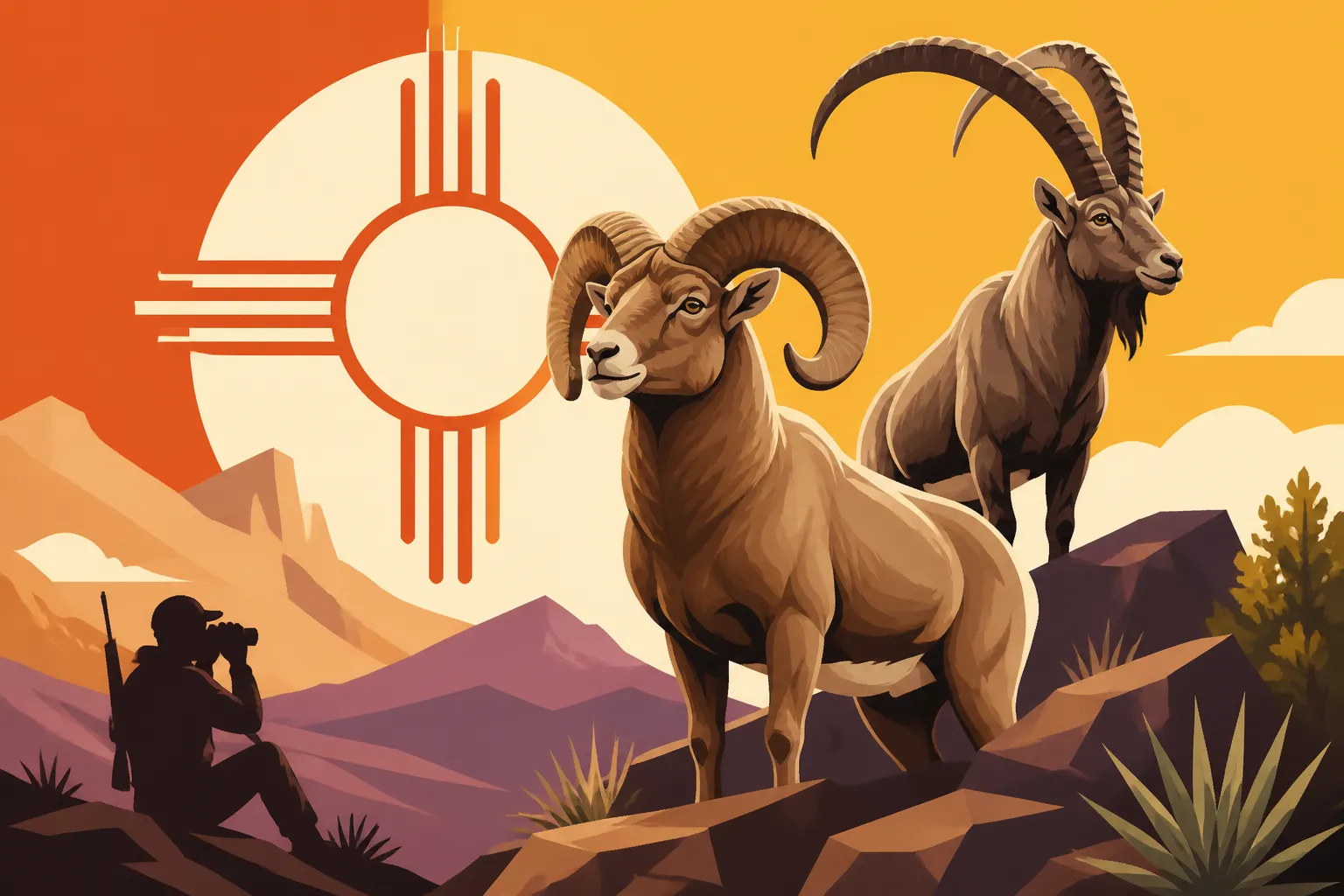
Hunting Barbary sheep and Persian ibex in New Mexico isn't just a hunt; it's often a true wilderness expedition into some of the state's most rugged and unforgiving landscapes. These non-native species offer a unique and incredibly challenging pursuit, pushing hunters to their physical and mental limits. For many, the sheer difficulty of accessing their remote habitats, combined with the animals' incredible senses and agility, makes the prospect of a do-it-yourself hunt feel overwhelming. This guide will explore the ins and outs of hiring an outfitter for a Barbary sheep or ibex hunt in New Mexico, helping you understand the value a guided experience can bring to these extraordinary endeavors.
Understanding the Allure of Barbary Sheep and Ibex in New Mexico
Before you even consider bringing an outfitter into the picture, it's worth taking a moment to appreciate what makes Barbary sheep and Persian ibex such captivating, albeit formidable, quarry in the New Mexico wilds. They represent the pinnacle of mountain hunting for many, offering an experience unlike anything else in the Lower 48.
The Unique Challenge of Barbary Sheep Aoudad
Barbary sheep, often called aoudad, are native to North Africa but have found a tenacious home in New Mexico's arid, rocky canyon country. These animals are built for survival in harsh environments, possessing incredible eyesight, a keen sense of smell, and the ability to navigate seemingly impossible terrain with ease. They blend perfectly into the rough, often steep, rimrock and arroyos they call home, making them incredibly difficult to spot, let alone approach. A Barbary hunt is a test of endurance, requiring hunters to cover vast distances on foot, often scrambling up and down steep grades under the scorching New Mexico sun. Finding a mature ram with impressive chaps and horns is a significant accomplishment, demanding patience, physical fitness, and often, a bit of luck. Learning How Aoudad Reached New Mexico Canyon Country is a fascinating dive into their history here.
These sheep are masters of camouflage and evasive maneuvers. You might glass an entire hillside for hours, convinced it's barren, only for a group of aoudad to materialize from the shadows as if conjured. Their ability to remain motionless for extended periods, coupled with their color, makes them practically invisible in their native habitat. Even once spotted, closing the distance on a ram is a whole other challenge. They frequently inhabit areas with minimal cover, forcing long shots or incredibly cautious, painstaking stalks. A single misplaced step, a gust of wind, or an overexposed silhouette can send them rocketing across the canyon, vanishing into the next set of cliffs. This is precisely where local knowledge and an experienced guide’s eye for terrain and animal behavior can make all the difference, cutting down on wasted effort and increasing the odds of success.
The Rarity and Rigor of Persian Ibex
If Barbary sheep are challenging, Persian ibex are in a league of their own. New Mexico's Florida Mountains are the only place in North America where a hunter can pursue free-ranging Persian ibex, and the experience is legendary for its extreme difficulty. These majestic animals are arguably one of the toughest big game animals to hunt anywhere, largely due to the unforgiving vertical world they inhabit. The Florida Mountains are a true "vertical desert," comprised of jagged peaks, loose scree, and endless cliffs. Ibex are perfectly adapted to this environment, displaying an astounding agility that allows them to traverse terrain that would stop most humans cold. A successful ibex hunt isn't just about hunting; it's a high-stakes mountaineering endeavor that demands peak physical condition, unwavering mental fortitude, and a comfort with significant exposure. You can explore How Ibex Were Introduced to New Mexico to understand their unique story.
The draw odds for an ibex tag are notoriously low, making it a once-in-a-lifetime opportunity for most fortunate enough to draw. This scarcity amplifies the pressure to make the most of the hunt. Beyond the physical challenge, glassing for ibex in the vastness of the Floridas requires specialized optics and an eagle eye. They are often high up on the steepest slopes, indistinguishable from the rocks around them. The stalk, if one is even possible, will push every boundary of your climbing and stealth abilities. Guides who specialize in ibex hunting are not just hunters; they are seasoned mountain guides who understand the nuances of the terrain, the precise movements of the ibex, and the critical importance of safety in such a perilous environment. Their expertise isn't just helpful; it's often essential for even getting within shooting range, let alone retrieving an animal. Ibex Hunting in the Florida Mountains is a deep dive into this extraordinary pursuit.
Why Consider a Guided Hunt for These Exotic Species?
Given the extreme nature of Barbary sheep and ibex hunting, many hunters find themselves weighing the pros and cons of hiring an outfitter. While a DIY hunt can be incredibly rewarding, the unique demands of these particular species often tip the scales in favor of professional guidance, especially for those unfamiliar with the specific New Mexico units.
Navigating Extreme Terrain and Conditions
The ruggedness of the terrain inhabited by Barbary sheep and ibex cannot be overstated. We're talking about areas that combine steep ascents, precarious footing, blistering heat, and limited water sources. This isn't your average whitetail woods walk. A Barbary hunt might take you deep into a labyrinth of canyons in the scorching desert, where every ravine looks the same and getting turned around is a real possibility. For ibex, the Florida Mountains are a vertical maze of loose rock and sheer drops. An outfitter provides invaluable experience in navigating these treacherous environments safely and efficiently.
Guides possess intimate knowledge of the local landscape, knowing where the animals typically bed, feed, and travel. They understand the subtle shifts in wind, the best routes of approach to minimize detection, and crucially, the safest ways to traverse dangerous sections. Their expertise drastically reduces the time you might spend looking for accessible routes or backtracking from dead ends. Furthermore, they are equipped for emergencies in remote locations, carrying satellite communication devices and first-aid gear that solo hunters might overlook. This local knowledge isn't just about finding game; it's about minimizing risk and maximizing your actual hunting time in productive areas, rather than simply struggling with navigation. For anyone unfamiliar with the specific units, an outfitter's navigational skills are paramount.
Maximizing Your Limited Opportunity
Drawing a tag for Barbary sheep can be tough, and an ibex tag is often a once-in-a-lifetime draw. When you finally get that coveted tag in hand, the pressure is immense to make the most of it. These are not cheap hunts, and the investment of time, money, and effort is significant. A guided hunt significantly increases your odds of success by leveraging the outfitter's seasoned experience, not just in locating animals but in executing the entire hunt efficiently. New Mexico Barbary Sheep Draw Odds and New Mexico Ibex Draw Odds give you an idea of how precious these opportunities are.
An outfitter's preseason scouting efforts are a huge advantage. They often spend weeks or even months prior to the season identifying prime areas, patterning animal movements, and locating specific trophy-quality rams or billies. This groundwork means you're not starting from scratch on opening morning; you're often walking into an area where a guide has already identified potential targets. This is especially critical for a short, intense hunt where every hour in the field counts. They know when and where the animals are likely to be, saving you precious days of unproductive searching. For many, the peace of mind that comes with knowing you have an expert committed to your success is worth every penny, ensuring that your limited opportunity isn't squandered on learning curves or wrong turns.
Equipment, Logistics, and Field Expertise
Beyond navigation and animal knowledge, outfitters handle a myriad of logistical challenges that can quickly overwhelm a DIY hunter. Specialized equipment, camp setup in remote areas, and the arduous task of game retrieval are all part of the package. Consider the optics alone: a top-tier guide will have spotting scopes and binoculars that can pick apart distant hillsides with incredible clarity, crucial for finding these camouflaged animals.
Outfitters often provide comfortable, if basic, camp accommodations in areas that are otherwise incredibly difficult to access. This can range from wall tents with cots to spike camps higher up in the mountains, reducing travel time to prime hunting areas. They manage food, water, and other necessities, allowing you to focus solely on the hunt. Most importantly, guides are experts in field dressing, caping, and packing out heavy animals from extreme terrain. Imagine harvesting a large Barbary ram or ibex miles deep in a remote canyon; the thought of packing it out alone can be daunting, if not impossible. An outfitter, often with assistants or pack animals, simplifies this herculean task, ensuring your trophy and meat are handled properly. Their assistance extends to the moment of truth, helping you judge the animal (especially crucial for specific horn length requirements for ibex or Barbary), providing shooting rests, and advising on shot placement in high-pressure situations.
What to Expect from a New Mexico Barbary or Ibex Guided Hunt
So, you've decided a guided hunt is the way to go. What does that actually look like, from the daily routine to the physical demands, and what should you expect to be included in the price? Managing expectations is key to a successful and enjoyable experience.
Typical Hunt Duration and Structure
Most guided Barbary sheep and ibex hunts in New Mexico typically run for 3 to 5 full hunting days, though some may extend to 6 or 7, especially for ibex given the difficulty. The daily routine is generally characterized by early mornings and late nights, focused heavily on glassing. You'll likely be up before dawn, consuming a quick breakfast, and then heading out to high vantage points to glass potential hunting areas as the first light hits the mountains. This is often the most productive time for spotting animals as they move from feeding to bedding areas.
A Barbary hunt might involve covering many miles on foot, systematically glassing canyon after canyon. Once an animal is spotted, the real work begins: a meticulous stalk that could last hours, traversing incredibly rough and steep ground. For ibex, the vertical nature of the Florida Mountains means that glassing positions are often incredibly exposed, and stalks can be even more physically demanding, requiring technical climbing skills in some cases. Expect to spend significant time behind binoculars and spotting scopes, patiently picking apart the terrain. Evenings are usually spent back at camp, enjoying a meal, and discussing strategies for the following day. Guides will often have multiple areas scouted, allowing them to adapt quickly if conditions or animal movements change.
Physical Demands and Preparation
Let's be blunt: these hunts are not for the faint of heart or the out of shape. Both Barbary sheep and ibex demand a high level of physical fitness, but ibex hunting takes it to an extreme. For a Barbary hunt, you should be able to comfortably hike 5-10 miles a day, often with significant elevation gain and loss, carrying a day pack in hot, arid conditions. For ibex, double that. You should be prepared for continuous climbing, scrambling over loose rock, and navigating steep, unstable slopes. Acclimatization to elevation, even at New Mexico's "lower" mountain ranges, can also be a factor for hunters coming from sea level.
Mental toughness is just as important as physical strength. These hunts are often grueling, with long periods of no sightings, frustrating stalks, and the constant physical grind. Being able to push through discomfort, maintain a positive attitude, and stay focused is paramount. Leading up to your hunt, a rigorous physical training regimen is non-negotiable. Focus on cardiovascular endurance (running, hiking with a weighted pack), leg strength (squats, lunges, stair climbing), and core stability. If possible, train in similar terrain and conditions to what you expect on your hunt. Your outfitter will often provide a recommended training plan or discuss the physical requirements in detail. Heeding their advice will directly impact your enjoyment and success. You'll want to choose your footwear carefully; Choosing Boots for Rocky Desert Ground is a good resource.
Inclusions and Exclusions in Outfitter Packages
Understanding what's included in your outfitter package is crucial for budgeting and avoiding surprises. Generally, a guided hunt fee will cover the services of the guide(s), field transportation (usually a 4×4 vehicle to get to trailheads), meals, and often lodging (which can range from comfortable wall tents to basic spike camps). Some outfitters might include caping and basic field preparation of your trophy.
However, many significant expenses are typically not included. Your hunting license and tag fees (which can be substantial, especially for non-residents and ibex) are almost always separate. Travel to and from New Mexico (flights, rental car), taxidermy services, meat processing and shipping, gratuities for your guide and camp staff, and personal hunting gear (firearms, optics, clothing) are also usually extra. Some outfitters might offer to arrange certain services like meat processing or taxidermy for an additional fee, but it's important to clarify this upfront. Always ask for a detailed list of inclusions and exclusions in writing before booking. For specific pricing, you might look at New Mexico Barbary Sheep Guided Hunt Pricing and What a Guided New Mexico Ibex Hunt Runs.
Here's a general breakdown of what to expect:
| Feature | Typically Included | Typically Excluded |
|---|---|---|
| Guide Services | Yes | |
| Field Transport | Yes | |
| Meals | Yes | |
| Lodging/Camp | Yes | |
| Field Prep/Caping | Often | |
| License/Tag Fees | Yes | |
| Travel (to NM) | Yes | |
| Taxidermy | Yes | |
| Meat Processing | Yes | |
| Gratuities | Yes | |
| Personal Gear | Yes |
Choosing the Right Outfitter for Your New Mexico Adventure
Selecting the right outfitter is perhaps the most critical decision you'll make for a successful Barbary sheep or ibex hunt. This isn't just about finding someone with a license; it's about finding a reputable professional whose experience, ethics, and approach align with your hunting goals and expectations.
Vetting Potential Outfitters
Start your search by looking for outfitters with a proven track record specifically with Barbary sheep and ibex in New Mexico. These are highly specialized hunts, and general big game experience might not translate to success in the unique environments these animals inhabit. Don't be afraid to be thorough. Platforms like BookYourHunt can be a great starting point to browse outfitters, read reviews, and get a general idea of available packages and pricing. Once you have a few candidates, dive deeper.
Ask for a list of recent references – and actually call them. Speak to hunters who have hunted with the outfitter for the same species in the same units you're interested in. Ask about their overall experience, the guide's demeanor, the physical demands, the quality of animals seen, and their success rate. Enquire about safety protocols, especially for ibex hunts. Confirm the outfitter is licensed and insured in New Mexico. A reputable outfitter will be transparent and happy to provide this information. Be wary of anyone who is evasive or pushes you for a quick booking without adequate information. Your research here is an investment in your hunt's success.
Understanding Contracts, Deposits, and Cancellations
Before you commit, demand a written contract that clearly outlines all services, costs, payment schedules, and cancellation policies. Pay close attention to the deposit requirements and when final payments are due. Given the draw-dependent nature of these tags, especially for ibex, a crucial clause to look for is the outfitter's policy if you don't draw a tag. Some outfitters will offer to roll your deposit over to the next year's application, while others might retain a portion or require a new deposit. Make sure this is explicitly stated and understood.
Reading the fine print can save you a lot of headache down the road. What happens if the guide gets sick, or the hunt needs to be postponed due to unforeseen circumstances like severe weather? Does the contract specify the number of hunting days, the guide-to-hunter ratio, and the type of accommodations? A professional outfitter will have a clear, comprehensive contract designed to protect both parties. Don't hesitate to ask questions about any clause you don't fully understand. Open and honest communication about these financial and logistical details upfront is paramount to a stress-free experience once the hunt begins.
Communication and Expectations
Effective communication with your outfitter before, during, and after the hunt is paramount. Once booked, expect your outfitter to send you a detailed gear list, specific to the demands of your chosen hunt. This list is not just a suggestion; it's a blueprint for survival and success in challenging environments. Adhere to it meticulously, especially for items like proper footwear, layering clothing, and optical equipment.
Before you ever set foot in New Mexico, have candid conversations with your guide about your physical capabilities, hunting experience, and realistic expectations. Are you hoping for a record-book animal, or is a representative trophy acceptable? Be honest about your shooting proficiency, especially for potential long-range shots often required on these species. Discuss the typical success rates they experience, but understand that hunting is never guaranteed. Manage your own expectations: Barbary and ibex hunts are about the challenging pursuit and the experience as much as they are about the harvest. Trusting your guide's judgment in the field, from calling the shot to navigating treacherous terrain, is a critical component of a safe and successful hunt. Websites like GoHunt provide valuable resources for researching units, draw odds, and even guide reviews, which can help you set realistic expectations.
Costs and Considerations for Barbary and Ibex Hunts
Embarking on a guided hunt for Barbary sheep or ibex in New Mexico is a significant financial commitment. Understanding the various costs involved, and how to navigate the tag acquisition process, is essential for planning your adventure.
Breaking Down the Investment
The cost of a guided Barbary sheep or ibex hunt in New Mexico can vary widely based on the outfitter, the duration of the hunt, the inclusions, and the specific unit. Generally, Barbary sheep hunts might range significantly, while guided ibex hunts are typically at the higher end of the spectrum, reflecting the extreme difficulty and rarity. These figures usually cover the outfitter's services, field transport, meals, and lodging, as discussed earlier.
However, the "all-in" cost extends beyond the outfitter's fee. Non-resident licenses and tags are considerably more expensive than resident ones. For example, a non-resident Barbary sheep license and tag fee will be a considerable expense, and for ibex, which is often a once-in-a-lifetime tag, the cost is even higher. Beyond that, factor in travel expenses (flights, rental car, fuel), pre-hunt training, new gear or optics, and the often-overlooked costs of meat processing, taxidermy, and shipping your trophy home. Remember to budget for a gratuity for your guide and any camp staff, which is customary and a significant part of their income. These seemingly small additions can quickly add hundreds, if not thousands, to the total cost. Carefully research New Mexico Barbary Sheep Guided Hunt Pricing and What a Guided New Mexico Ibex Hunt Runs to get current estimates.
Draw Odds and Tag Acquisition
Acquiring a tag for either Barbary sheep or ibex in New Mexico is a significant hurdle, especially for ibex. The New Mexico Game and Fish Department operates on a draw system, and while Barbary sheep tags are more accessible than ibex, both are competitive. Ibex tags, in particular, are extremely limited and often considered a once-in-a-lifetime draw, making the odds incredibly low for most applicants. There are no preference points in New Mexico, meaning every applicant, resident or non-resident, has an equal chance in the draw each year, regardless of how many times they've applied unsuccessfully in the past. This system means a first-time applicant has the same odds as someone who has been applying for a decade. You can research New Mexico Barbary Sheep Draw Odds and New Mexico Ibex Draw Odds to understand the challenge.
Some outfitters may offer guaranteed tags, typically through private land programs (though less common for these species) or special landowner authorizations, but these will come at a significantly higher premium. For the public land draws, your primary strategy involves applying each year and hoping for luck. While some outfitters may assist with the application process, they cannot guarantee you a tag. It's crucial to apply within the specified deadlines, usually in March for most big game species. Many hunters plan their guided hunts around drawing a tag, booking the outfitter conditionally on drawing success. This is where those contract clauses about draw refunds or deposit rollovers become critically important. For non-residents, considering the outfitter pool (10% of tags) might seem appealing, but for Barbary and Ibex, the impact on odds needs to be carefully evaluated, and it requires a signed contract before the draw.
Maximizing Your Experience Beyond the Harvest
While harvesting a Barbary ram or an ibex billy is undoubtedly the ultimate goal, it's essential to approach these hunts with a broader perspective. The experience itself – the grueling climbs, the breathtaking views, the intense focus of the stalk, and the camaraderie with your guide – holds immense value. Many hunters recount the difficulty of the hunt and the stunning beauty of the New Mexico landscape as the most memorable aspects, even if they don't punch a tag. These are truly immersive wilderness experiences that test your limits and forge lasting memories.
Embrace the challenge, learn from your guide, and appreciate the unique opportunity to hunt such incredible animals in their rugged domain. The intrinsic value of spending days in some of the most remote and wild corners of New Mexico, pushing yourself physically and mentally, is immeasurable. The stories you'll gather, the lessons you'll learn, and the bonds you might form with your guide will last long after the hunt concludes. If you approach these hunts with an appreciation for the journey, not just the destination, you'll find them incredibly rewarding, regardless of the outcome.
Disclaimer
This article is for general informational purposes only and does not constitute professional advice. Laws, prices and regulations vary by location and change over time. Consult a qualified professional for guidance on your specific situation.