Which Outfitter Reviews Are Worth Trusting
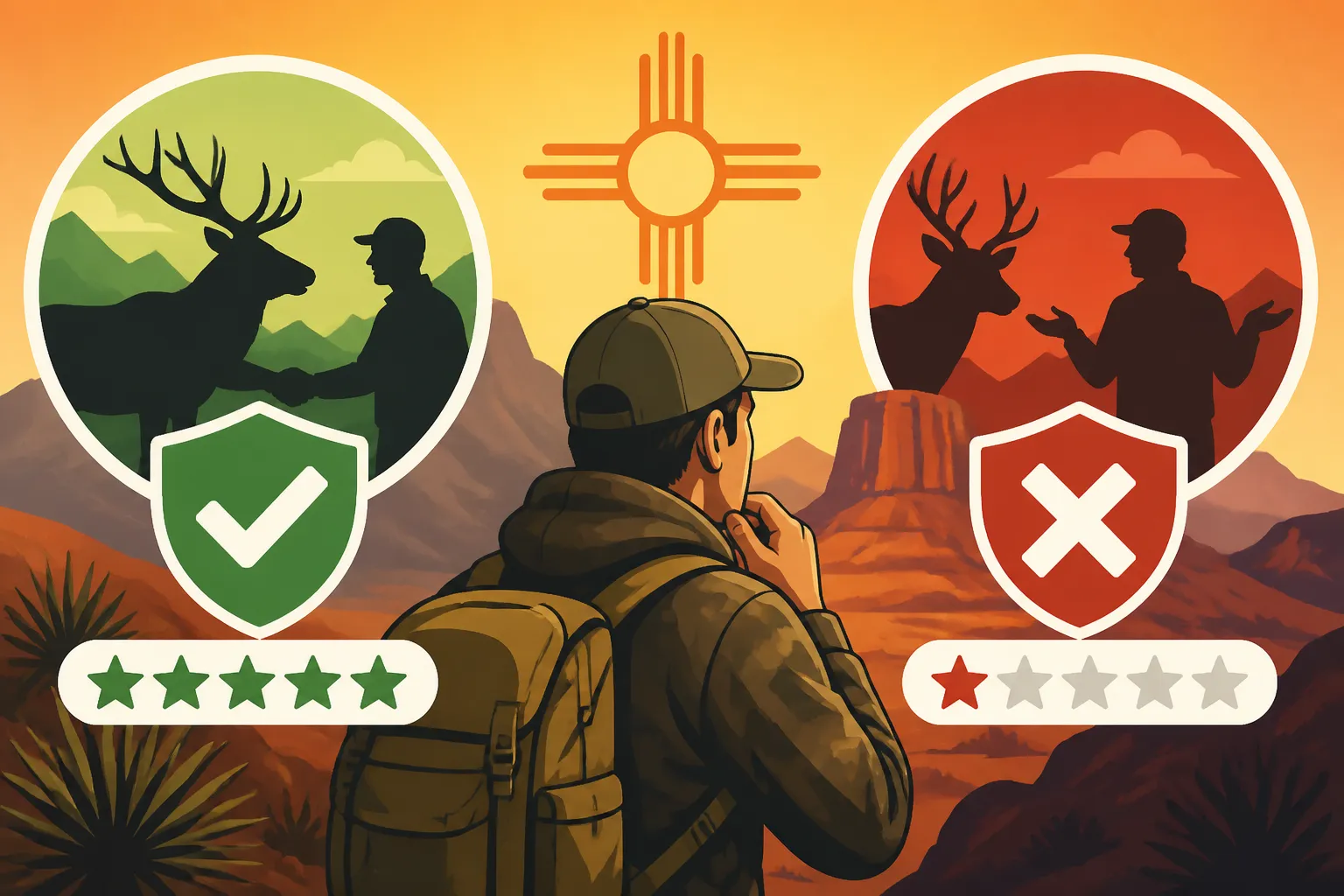
Let's face it, trying to pick a New Mexico outfitter these days feels like sifting through a mountain of digital opinions, each one shouting louder than the last. You've got glowing five-star reviews, scathing one-star rants, and everything in between, leaving you wondering who to believe and how to make a decision that won't lead to a wasted hunt and a lighter wallet. This guide is here to help you navigate that often-confusing landscape, offering practical advice on how to evaluate outfitter reviews, spot the red flags, and ultimately find a reputable guide for your next New Mexico adventure.
The Wild West of Online Outfitter Reviews
The internet has democratized information, and that includes opinions on hunting outfitters. While it's fantastic to have so much feedback at our fingertips, it also creates a chaotic environment where separating genuine experiences from noise can be incredibly difficult. Every hunter has a story, and every story carries weight, but not all of it is equally useful for your decision.
The Good, the Bad, and the Ugly: Why Reviews Are So Varied
Think about your own hunting experiences. How many factors play into a successful or enjoyable trip? The weather, the animal behavior, your personal skill level, your physical condition, the company you keep, and yes, the outfitter's performance. All these elements converge, making every hunt unique. This inherent variability is why outfitter reviews can be such a mixed bag.
A review might praise an outfitter to high heaven because that hunter happened to tag out on a trophy bull during a perfect weather window, even if the outfitter's service was merely adequate. Conversely, a hunter who struggled with physical demands, faced unusually tough conditions, or simply had a string of bad luck might leave a scathing review, unfairly blaming the outfitter for circumstances beyond their control. We've all been there, feeling the sting of an unsuccessful hunt, and sometimes it's easier to point fingers than to acknowledge the many variables at play. It's crucial to remember that a single bad review doesn't automatically damn an outfitter, just as a single glowing one doesn't make them infallible. You need to look for patterns and context.
Understanding the Source: Where Reviews Originate
The platform where you find a review can tell you a lot about its potential credibility and bias. There's a big difference between a testimonial posted directly on an outfitter's website and a review on a third-party platform that aims for objectivity.
Outfitters naturally want to showcase their best feedback, so testimonials on their own sites are usually curated. They'll highlight the biggest trophies, the happiest clients, and the most effusive praise. While these can offer a glimpse into their peak performance, they're rarely the full picture. On the other hand, independent hunting forums, social media groups, and personal blogs can offer raw, unfiltered opinions, but these can also be prone to exaggeration, personal grudges, or a lack of verification. Some platforms, like BookYourHunt, strive to provide a more structured approach, often requiring booking through their service to leave a review, which adds a layer of verification that anonymous forum posts simply can't offer. Understanding these different origins is your first step in gauging the trustworthiness of a review.
Red Flags and Green Lights: What to Look For and What to Question
Sifting through reviews requires a keen eye for detail, almost like scouting for a big bull in thick timber. You're looking for subtle signs that indicate authenticity and relevance, while also watching out for anything that feels off or manufactured.
Identifying Potentially Biased or Fabricated Reviews
When you're reading reviews, trust your gut. If something feels too good to be true, or excessively negative without specific reasons, it might be. Be wary of reviews that are overly generic, using vague terms like "great hunt!" or "terrible experience!" without offering concrete details about the unit, the dates, the species hunted, or even the guide's name. A review that sounds like a marketing brochure, rather than a personal account, should raise a red flag. Similarly, reviews from brand-new profiles with no other activity, or those that pop up in a sudden cluster, could indicate an attempt to boost ratings.
Outfitters, like any business, have an incentive to manage their online reputation. This can manifest in positive ways, like asking satisfied clients to leave reviews, but also in less ethical ways, such as offering discounts for positive feedback or, in extreme cases, creating fake accounts. Pay attention to the language: if every positive review sounds identical, or if a slew of negative reviews suddenly disappears, it's worth noting. The goal here isn't to be overly cynical, but to be a smart consumer. If a review doesn't feel genuine, or lacks the kind of granular detail a real hunter would typically provide, take it with a grain of salt.
What Makes a Review Credible and Valuable
The most credible reviews are those that provide specific, verifiable details. Look for mentions of the exact hunting unit (e.g., "Unit 15"), the specific dates of the hunt (e.g., "early archery elk in September"), the type of animal pursued, and even specific weather conditions encountered. A review that talks about Altitude Preparation for a Gila Elk Hunt or how the guide helped them understand Reading Wind in a Deep Gila Canyon is far more valuable than one that just says "good guides."
A truly valuable review will also offer a balanced perspective. No hunt is perfect, and even the best outfitters face challenges. A review that acknowledges a minor setback – maybe the food wasn't gourmet, or one day of hunting was rained out – but then explains how the outfitter mitigated it, comes across as far more honest and reliable. Consistency is another key indicator. If you see similar experiences and observations repeated across multiple independent platforms, it lends significant weight to those points. For instance, if several reviews mention the guide's expertise in Glassing Benches and Parks for Elk, that's a strong positive signal. These specific details allow you to cross-reference with other sources, build a composite picture, and determine if the outfitter's services align with your personal hunting goals and expectations.
Beyond the Stars: Deeper Research Methods
While online reviews are a starting point, they should never be your only source of information. The real work of vetting an outfitter happens when you dig deeper, using specialized resources and, most importantly, direct communication.
Leveraging Specialized Hunting Platforms for Vetting
Beyond general review sites, platforms tailored specifically for hunters can be invaluable. Websites like GoHunt and BookYourHunt often aggregate information about outfitters, sometimes including detailed profiles, hunt offerings, and a system for collecting reviews from verified clients. These platforms can offer a more organized and sometimes curated view, helping you narrow down your choices. For example, GoHunt might have articles or data about specific units or species that can inform your outfitter choice, while BookYourHunt focuses heavily on client reviews and booking facilitation.
However, even with these specialized platforms, it's crucial to understand their business model. They aim to connect hunters with outfitters, and while many strive for objectivity, their primary goal is often to facilitate bookings. Use them as a powerful research tool to gather initial information, identify potential outfitters, and get a baseline for expectations, but don't let them be the final word. Always cross-reference the information you find on these sites with other sources and, crucially, with direct communication with the outfitter. Look for platforms that allow you to filter by specific criteria, like success rates (though take those with a grain of salt, as discussed in Outfitter Success Rates in New Mexico), types of hunts offered, and even client testimonials that touch on specific local regulations like New Mexico's Two-Day Accompaniment Rule Explained.
Direct Contact and Reference Checking
This is perhaps the single most critical step in vetting any outfitter. Once you've narrowed your list based on reviews and initial research, pick up the phone. A good outfitter will be happy to talk to you, answer your questions thoroughly, and provide references. This isn't just about getting information; it's about getting a feel for their communication style, professionalism, and passion for guiding.
When an outfitter provides references, make sure they are recent clients who hunted a similar species and hunt style to what you're interested in. Don't just ask, "Did you have a good hunt?" Dig deeper. Ask about the guide-to-hunter ratio, how many actual hunting days were spent in the field, what the camp and food were like, and how well the outfitter communicated before, during, and after the hunt. Inquire about any unexpected challenges they faced – whether it was bad weather, tough hunting conditions, or a logistical hiccup – and most importantly, how the outfitter handled those situations. A truly professional outfitter will have contingency plans and a commitment to client satisfaction, even when things don't go perfectly. Don't shy away from asking about their adherence to local regulations or if they've had any issues with their The Signed Guide-Client Contract New Mexico Requires. These conversations with past clients often reveal the true character of an operation far more accurately than any online review. For a comprehensive list of questions to ask, refer to Questions to Ask a New Mexico Outfitter.
Piecing Together the Puzzle: Forming Your Own Judgment
Ultimately, choosing an outfitter isn't about finding the "perfect" one, but about finding the right fit for you. It's about taking all the information you've gathered – the good, the bad, and the directly communicated – and assembling it into a coherent picture that helps you make an informed decision.
Comparing Reviews with Outfitter Communication
Once you've read reviews, spoken with references, and had direct conversations with potential outfitters, it's time to compare notes. Do the outfitter's responses to your questions align with what you've read in reviews and heard from references? Are there any significant discrepancies? For instance, if an outfitter boasts about high success rates, but multiple independent reviews from past clients suggest otherwise, that's a serious red flag. Conversely, if an outfitter is upfront about the challenges of hunting a particular unit, and references confirm their transparency, that builds trust.
Pay close attention to an outfitter's responsiveness. Are they quick to return calls and emails? Do they provide detailed answers, or do they give vague, one-liner replies? Professionalism in communication before the hunt is a strong indicator of how they'll operate during the hunt itself. It's about evaluating whether the outfitter's narrative matches the collective experience of their past clients. This holistic approach helps you identify Red Flags When Booking a Guided Hunt and confirm the green lights.
Trusting Your Gut and Setting Realistic Expectations
After all your research, you'll still have to make a decision, and sometimes that comes down to a gut feeling. If an outfitter gives you an uneasy feeling, or if something just doesn't sit right, it's often best to walk away, even if the reviews look decent. There are many reputable outfitters out there, especially in popular hunting areas like New Mexico's Gila National Forest for Elk Hunters, so don't feel pressured to commit to the first one you find.
Finally, and perhaps most importantly, set realistic expectations. No outfitter can guarantee a kill, regardless of how much you pay for What a Fully Guided New Mexico Elk Hunt Includes. Hunting involves wild animals, unpredictable weather, and countless variables. A good outfitter provides the best possible opportunity, puts in maximum effort, and ensures a safe, ethical, and enjoyable experience. Success isn't just measured by a trophy on the wall; it's also about the memories made, the lessons learned, and the wilderness experienced. Focus on finding an outfitter who will work hard for you, communicate honestly, and offer a quality experience, even if the animals don't cooperate. Remember that many outfitter prices typically What Outfitter Prices Almost Never Include tags or processing, so factor that into your budget and expectations.
Disclaimer
This article is for general informational purposes only and does not constitute professional advice. Laws, prices and regulations vary by location and change over time. Consult a qualified professional for guidance on your specific situation.