Red Flags When Booking a Guided Hunt
Booking that dream hunt in New Mexico is thrilling, but it can also be a minefield of potential issues if you don't know what to look for. It's easy to get caught up in the excitement and overlook crucial details that can turn your adventure into a nightmare. This guide is all about helping you spot the warning signs and avoid those costly mistakes, ensuring your guided New Mexico hunt is everything you've dreamed of and more.
Unclear Communication and Contractual Ambiguities
One of the biggest red flags you can encounter when planning a guided hunt is a lack of clear, consistent communication and a poorly defined contract. This isn't just about small misunderstandings; it can lead to significant financial loss and a ruined hunting experience. A professional outfitter understands the importance of transparency and thoroughness, especially when dealing with clients who are often traveling long distances and investing considerable sums of money.
Vague or Non-Existent Written Agreements
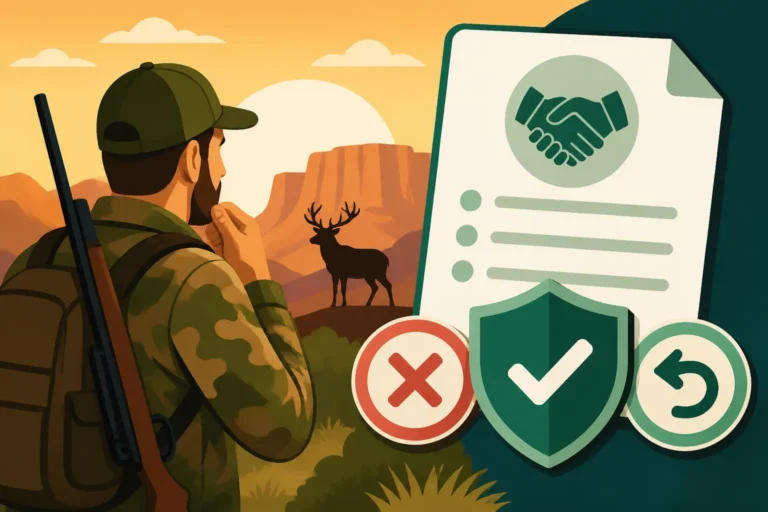
If an outfitter is hesitant to provide a detailed written contract, or if the one they offer is full of loopholes and vague language, consider it a serious warning sign. A contract should explicitly outline every aspect of your hunt: the species, dates, duration, included services (meals, lodging, guides, transportation), excluded costs (licenses, tags, meat processing, taxidermy), cancellation policies, and payment schedule. Without this level of detail, you're essentially entering into an agreement based on a handshake and assumptions, which rarely works out well if a dispute arises. Always insist on a written contract that you can review thoroughly before committing any funds.
Imagine a scenario where an outfitter tells you lodging is included, but the contract only vaguely mentions "camp accommodations." You arrive to find a wall tent with no heat in late November when you were expecting a cabin. Or perhaps the outfitter promised a "fully guided hunt," but the contract only states "guide services," leading to a situation where you're left on your own for much of the day. These seemingly minor discrepancies in wording can drastically alter your experience. The New Mexico Guide-Client Contract Requirement is a real thing, and a reputable outfitter will adhere to it, providing a document that protects both parties.
Slow Response Times or Avoidance of Specific Questions
Another glaring red flag is an outfitter who consistently takes an unusually long time to respond to inquiries or, worse, avoids answering direct questions about critical aspects of the hunt. We all know outfitters are busy, especially during peak season, but a professional will make an effort to communicate effectively and address your concerns in a timely manner. If you find yourself repeatedly chasing them for basic information, or if their answers are evasive and don't directly address what you're asking, it suggests they might be disorganized, overloaded, or deliberately concealing information.
For example, you might ask about their policy on wounded animals, the guide-to-hunter ratio for your specific hunt, or what happens if you fail to draw a tag. If these questions are met with silence, generic replies, or a deflection to other topics, it’s a clear indication that you should proceed with caution. This kind of communication breakdown before the hunt even starts is a strong predictor of what the experience will be like in the field. Your money and time are valuable, and you deserve clear and prompt communication from the outset.
Unrealistic Promises and Guaranteed Outcomes
We all dream of that giant bull or buck, but a good outfitter sells an experience, not a guarantee. Be incredibly wary of any outfitter who makes bold, unsubstantiated claims about harvest rates or guarantees you'll tag a specific animal. Hunting is inherently unpredictable, and any professional knows that.
Guaranteed Success or "Trophy-Class" Claims
If an outfitter tells you they "guarantee a kill" or promises a "trophy-class animal," especially for species like elk or mule deer in a draw state like New Mexico, run in the other direction. Hunting involves countless variables: weather, animal movement, hunter skill, and sheer luck. No ethical outfitter can genuinely guarantee success, particularly with wild, free-ranging game. They can promise effort, good equipment, knowledgeable guides, and access to quality areas, but never the outcome.
These "guaranteed" claims often hide something. It could mean they operate on private, high-fence ranches (which might not be what you're looking for, or might require additional fees not initially disclosed), or they might be prone to bending ethical rules to deliver on their promise. A realistic outfitter will discuss their historical success rates, explain the challenges, and set honest expectations. They might mention something like New Mexico Outfitter Success Rates for Elk, but always with caveats about the variable nature of hunting.
Overly Optimistic Harvest Rates Without Supporting Data
Beyond outright guarantees, be suspicious of outfitters who cite extremely high harvest rates without any credible evidence to back them up. Anyone can throw out big numbers on a website or over the phone. A reputable outfitter will usually provide honest, realistic figures, often broken down by weapon type, season, and even specific units if they operate in multiple areas. They might also share how they track these statistics, demonstrating transparency.
When an outfitter boasts a 90% success rate on mature bulls in a public land archery elk hunt in New Mexico, when general draw odds for those hunts are notoriously low, that should trigger an alarm. Ask for references from past clients who can corroborate these claims. Many state game and fish departments, including New Mexico, publish draw statistics and even harvest data that can give you a baseline to compare against. Resources like GoHunt often compile and analyze draw odds and harvest data, which can help you assess the realism of an outfitter's claims. If their numbers seem too good to be true compared to what you can find independently, they probably are.
Lack of Verifiable Credentials or References
Trust is built on reputation and verifiable facts. If an outfitter is unwilling or unable to provide solid evidence of their legitimacy and past performance, it’s a major cause for concern.
Unlicensed Operations or Shady Business Practices
Operating a guided hunting business requires specific licenses and permits, both at the state level and sometimes at the federal level if operating on public lands like National Forests or BLM land. In New Mexico, outfitters need to be licensed. If an outfitter is evasive about their licensing, or you can't find them listed with the appropriate state agencies, that's a huge red flag. Unlicensed operations often cut corners, operate outside legal boundaries, and may not carry the necessary insurance to protect clients in case of an accident.
Beyond licensing, look for general professionalism in their business dealings. Do they have a clear payment process? Are they using legitimate business accounts? Are they transparent about all costs? Any signs of a fly-by-night operation—such as constantly changing contact information, demands for cash-only payments without proper receipts, or a lack of physical address—should make you think twice. This includes understanding the specific requirements around things like The New Mexico Guide-Client Contract Requirement and making sure they adhere to them.
Poor or Absent Client References
References are your window into previous clients' experiences. If an outfitter hesitates to provide a list of recent references, or only offers a select few (and they all sound suspiciously similar), that's a significant warning. A good outfitter should have a long list of satisfied clients eager to share their positive experiences. When you do get references, don't just email; pick up the phone and talk to them.
Ask specific questions: Did the outfitter deliver on their promises? Was the camp clean and well-run? Were the guides knowledgeable and professional? How was the food and lodging? What was the general atmosphere like? How did they handle unexpected issues, such as bad weather or a missed opportunity? Pay attention to any inconsistencies or vague answers from the references themselves. Tools like BookYourHunt can provide aggregated reviews and vetting information, which can be a good starting point, but always supplement online reviews with direct conversations with references. It’s also wise to ask Questions to Ask a New Mexico Outfitter that cover both the good and the bad.
Non-Existent or Disorganized Online Presence
In today’s digital age, even the most rustic outfitter usually has some form of online presence. If an outfitter has no website, no social media presence, or if their online information is outdated, unprofessional, or hard to navigate, it could be a sign of disorganization or a lack of commitment to their business. While not every outfitter needs a fancy website, a minimal, professional presence allows them to share basic information, showcase past hunts, and build credibility.
A disorganized online presence might reflect a disorganized operation. If their contact information is wrong, their photo galleries are sparse, or their listed hunt dates don't match what they're telling you, these are all small red flags that collectively point to potential issues. Conversely, a well-maintained site (even a simple one) that offers clear details, photos, testimonials, and contact information often indicates a business that takes itself seriously.
Questionable Payment Practices and Pressure Sales
How an outfitter handles money and the booking process can reveal a lot about their integrity and business ethics. Trustworthy outfitters have clear, transparent payment policies and avoid high-pressure sales tactics.
Demands for Cash-Only Payments or Large Upfront Sums
While some outfitters might prefer certain payment methods, an exclusive demand for cash, especially for a large deposit or the entire fee upfront, should raise a red flag. Cash transactions are harder to trace and document, which can leave you vulnerable if something goes wrong. Reputable outfitters usually accept various forms of payment like checks, credit cards (often with a small processing fee), or bank transfers, and provide clear invoices or receipts for all transactions.
Additionally, be wary of demands for unusually large upfront payments that deviate from industry norms. Most outfitters require a deposit (often 30-50%) to secure your booking, with the balance due closer to the hunt date. If they demand 75-100% upfront, particularly many months or even a year in advance, without a clear, written refund policy, it could indicate financial instability or a lack of accountability. Make sure you understand Reading the Cancellation and Refund Terms thoroughly before sending any money.
High-Pressure Sales Tactics or Limited-Time Offers
Ethical outfitters are confident in their service and don't need to resort to aggressive sales tactics. If an outfitter tries to pressure you into booking immediately with "this-offer-won't-last" or "last-spot-available" urgency, take a step back. While spots can fill up quickly, especially for popular New Mexico hunts, genuine scarcity doesn't usually come with aggressive sales pitches that try to bypass your due diligence. These tactics are designed to rush you into a decision before you can properly vet the outfitter or compare options.
A truly limited spot will speak for itself; a simple statement like "we only have X spots left for that season, and they fill fast" is reasonable. But if they're pushing you to commit money today or risk losing an imaginary deal, that's manipulative. Take your time, do your research, and don't let anyone rush you into a major financial commitment. This is especially true when considering hunts that require drawing a tag, where you might be Booking Before New Mexico Draw Results Land, and understanding the associated risks and refund policies is paramount.
Last-Minute Price Changes or Hidden Fees
The price quoted should be the price you pay, barring any mutually agreed-upon changes or services added by you. If an outfitter suddenly announces a price increase after you've booked and paid a deposit, or if they spring hidden fees on you shortly before or during the hunt, that's dishonest business practice. All potential costs—license fees, tag fees, trophy fees, meat processing, taxidermy, transportation from the airport, etc.—should be clearly itemized in the initial quote and contract.
This is where a detailed contract is invaluable. It should clearly state what is and isn't included. If an outfitter tries to add a "fuel surcharge" or a "trophy handling fee" that wasn't previously disclosed and isn't in your contract, you have every right to dispute it. Always get every financial detail in writing to avoid these frustrating surprises.
Inadequate Preparation and Field Operations
The actual hunting experience is where an outfitter’s professionalism truly shines or falters. Red flags here can compromise your safety, comfort, and hunting success.
Disorganized Camp Conditions or Subpar Gear
When you arrive at camp, take a mental note of its condition. Is it clean and well-maintained? Are the common areas tidy? Is the equipment (vehicles, horses, tents) in good repair? Disorganized or poorly maintained camp conditions can be a sign of a larger problem within the operation. It suggests a lack of attention to detail and care, which can extend to guide quality and safety protocols. New Mexico Outfitter Lodging Standards in Camp may vary widely from rustic spike camps to comfortable lodges, but regardless of the style, cleanliness and functionality should be present.
Subpar gear is another concern. If the outfitter is providing equipment, ensure it appears functional and safe. This could include old, unreliable vehicles for transport, worn-out tents that leak, or broken stoves. You're paying for a professional service, and that should include reliable, safe equipment appropriate for the environment. A hunt is challenging enough without having to worry about your basic necessities.
Insufficient Guide-to-Hunter Ratios or Overworked Guides
An outfitter should be transparent about their guide-to-hunter ratio. A common and effective ratio for many big game hunts, especially for elk or deer, is 1:1 or 1:2. If an outfitter places one guide with three or more hunters for a difficult spot-and-stalk hunt, it significantly reduces each hunter's individual attention and chances of success. It also means the guide might be spread too thin, unable to adequately focus on tracking, calling, or spotting for everyone.
Overworked or exhausted guides are also a problem. If guides are constantly running on fumes, forced to perform multiple roles (cook, driver, scout, guide) for extended periods without adequate rest, their performance and safety awareness will suffer. This could indicate an outfitter trying to cut costs at the expense of client experience and guide well-being. A discussion around How Many Days a New Mexico Outfitter Must Accompany You and the general setup can reveal a lot.
Lack of Safety Protocols or Emergency Preparedness
Safety should always be paramount. A significant red flag is an outfitter who seems to disregard safety protocols or lacks a clear plan for emergencies. This could manifest in various ways: guides handling firearms carelessly, not giving proper safety briefings, or driving unsafe vehicles on rough terrain. For hunts in remote areas like the New Mexico wilderness, emergency preparedness is non-negotiable.
Ask about their emergency plan: How do they handle medical emergencies in the backcountry? What communication devices do they carry (satellite phones, InReach devices)? Do their guides have wilderness first aid training? A professional outfitter will have clear, rehearsed protocols for everything from minor injuries to severe accidents or getting lost. If they wave off these concerns or seem unprepared to answer, it's a serious sign that your safety might not be their top priority.
Post-Hunt Issues and Accountability
The relationship with your outfitter shouldn't end when you pull the trigger. How they handle the aftermath, particularly meat and trophy care, and their willingness to address any post-hunt concerns, speaks volumes.
Poor Meat or Trophy Care
After the hard work of the hunt, proper care of your animal is crucial. If an outfitter or their guides exhibit negligence in field dressing, caping, or transporting the meat and trophy, it can ruin your harvest. This is particularly important in warmer early seasons where proper cooling and handling are critical to prevent spoilage. In New Mexico, especially for a Gila elk hunt, getting meat cooled quickly is vital. If they seem rushed, inexperienced, or unwilling to explain their process for preserving your animal, that's a problem.
Ask specifically about their plan for getting your meat out of the field and to a processor, and for getting your trophy to a taxidermist. Do they have a referral network? Is there a designated cooler space in camp? Do they assist with paperwork for shipping if you're a nonresident? Any ambiguity here can lead to heartbreak and significant financial loss if your hard-earned animal isn't handled correctly.
Unwillingness to Address Post-Hunt Feedback or Complaints
Even the best hunts can have minor issues, and a professional outfitter will be open to feedback, both positive and constructive. If an outfitter becomes defensive, dismissive, or completely unresponsive when you try to discuss a concern after the hunt, it shows a lack of accountability and professionalism. This is distinct from someone who respectfully disagrees or explains their perspective; it's about a complete refusal to engage.
A reputable outfitter wants to know where they can improve. They understand that client satisfaction is key to their long-term success. If you've had a less-than-ideal experience and the outfitter completely ghosts you, it signals that they may not value their clients or their reputation as much as they should.
Red Flag Checklist
To help you keep track, here's a quick checklist of red flags versus what to look for in a professional outfitter.
| Red Flag (Proceed with Caution) | Green Light (Good Sign) |
|---|---|
| Vague or no written contract. | Detailed, transparent written contract provided promptly. |
| Slow, evasive, or absent communication. | Prompt, clear, and direct communication. |
| Guaranteed success or unrealistic harvest claims. | Realistic expectations, honest discussion of odds and challenges. |
| Inability or unwillingness to provide recent references. | Provides multiple recent, verifiable references. |
| No state outfitter license or unclear credentials. | Readily provides license numbers and is listed with state agencies. |
| Demands cash-only payments or unusually large upfront sums. | Offers multiple payment options, reasonable deposit schedule, clear invoicing. |
| High-pressure sales tactics or artificial urgency. | Confident in their service, allows time for due diligence. |
| Last-minute price changes or undisclosed fees. | All costs clearly itemized in contract, no hidden fees. |
| Disorganized camp, subpar equipment, or poor maintenance. | Clean, well-maintained camp and reliable, safe equipment. |
| Unsafe practices or lack of emergency plan. | Clear safety protocols, guides trained in first aid, communication devices. |
| Insufficient guide-to-hunter ratio or overworked guides. | Appropriate guide-to-hunter ratio, well-rested, professional guides. |
| Poor handling of meat or trophies post-harvest. | Clear plan for meat/trophy care, knowledgeable staff. |
| Avoidance of post-hunt feedback or complaints. | Open to feedback, addresses concerns professionally. |
By keeping these red flags in mind and diligently asking the right questions, you'll be much better equipped to select a New Mexico outfitter who will make your hunting adventure safe, enjoyable, and successful. Vetting a New Mexico Outfitter Before You Send a Deposit is arguably the most important step in the entire process.
Disclaimer
This article is for general informational purposes only and does not constitute professional advice. Laws, prices and regulations vary by location and change over time. Consult a qualified professional for guidance on your specific situation.