How to Read an Outfitter’s References
Choosing the right outfitter for a New Mexico hunting adventure can feel like navigating a maze, especially when you're committing significant time and money to what you hope will be a memorable experience. It’s easy to get swept up in the beautiful photos and enthusiastic testimonials on a website, but what happens when reality doesn’t quite match the marketing? This guide is all about equipping you with the savvy to cut through the gloss and genuinely assess an outfitter by thoroughly investigating and understanding their client references, ensuring you make an informed decision that leads to a truly rewarding hunt.
Why Outfitter References Are the Ultimate Reality Check
Let's be real, every outfitter's website is going to show you their biggest bulls, their happiest clients, and the most picturesque camp scenes. They're selling a dream, and that's perfectly understandable. But when you're laying down a substantial deposit for a hunt that might only happen once every few years, you need more than just pretty pictures and curated testimonials. You need the unvarnished truth, and that's precisely what a solid set of references can provide.
Beyond the Glossy Brochure
Think of an outfitter's brochure or website as a highlight reel. It's the very best of what they offer, meticulously chosen to impress. However, hunting is rarely a highlight reel from start to finish. There are tough days, bad weather, missed opportunities, and unforeseen challenges. What matters isn't just that they can deliver, but how they handle the inevitable bumps in the road. Does their gear hold up? Is the food edible when you’re deep in the Gila backcountry? Are the guides truly knowledgeable, or just good at posing for photos? These are the real questions that references can answer.
It’s about understanding the consistency of their operation. Anyone can have a banner year, or a single client who had an exceptional experience. What you're looking for is a pattern of reliable performance, ethical hunting practices, and a commitment to client satisfaction, even when a trophy animal isn't harvested. This holistic view is crucial for setting realistic expectations and ensuring that your investment in a New Mexico hunt, whether it's for elk in the high country or oryx on the plains, is well-placed. Remember, a hunt isn't just about killing an animal; it's about the entire experience from start to finish.
What References Actually Prove
References aren't just about verifying success rates – though that's certainly a part of it. They prove the outfitter's integrity, communication style, and logistical capabilities. Did the outfitter accurately describe the physical demands of the hunt? Was the camp clean and comfortable? Were the guides personable, safe, and truly invested in your success? Did they follow through on what was promised in The New Mexico Guide-Client Contract Requirement? These are the practical considerations that define a successful hunt beyond just punching a tag.
A good reference can tell you if the outfitter is honest about the challenges of a particular unit, like Why Unit 15 Is a Primitive Weapons Unit or the sheer ruggedness of New Mexico Elk Are Why the Gila Draws Everyone. They can shed light on how well the outfitter adapts to changing conditions, whether it's an unexpected snowstorm or game movement. They can also confirm the crucial elements of safety, ethical hunting, and respect for the game and the land. Ultimately, references give you a glimpse into the operational reality of the outfitter, allowing you to gauge if their style aligns with your expectations for a challenging but rewarding New Mexico hunting adventure.
How to Obtain and Diligently Work Through Outfitter References
Once you've narrowed down your list of potential outfitters, the next step is to get those references and start making calls. Don't be shy about this; a reputable outfitter will expect you to do your homework and will readily provide contact information for past clients. This isn't just a formality; it's a critical part of your pre-hunt due diligence.
Getting the List Directly From the Outfitter
When you request references, be specific. Ask for a list of recent clients—ideally, those who hunted the same species, in the same unit, and during the same season you're considering. For example, if you're looking for a mid-September archery elk hunt in Unit 16A, you want to talk to people who had that exact experience, not someone who hunted antelope on the plains in October. Ask for a mix of clients, not just the ones who bagged a monster. You want to hear from someone who might have gone home empty-handed but still had a positive overall experience because the guiding was excellent, and the effort was there.
A red flag to watch for here is if an outfitter is hesitant to provide references, or only offers up a very short, old list. Any legitimate outfitter will have a robust list of past clients happy to share their experiences. Give them a few options if you can, so you don't feel like you're only hearing from their absolute best friends. Also, make sure you respect the privacy of the references; most outfitters will ask their past clients for permission before sharing their contact details, so treat their time and information with care and professionalism.
Seeking Independent Sources for Validation
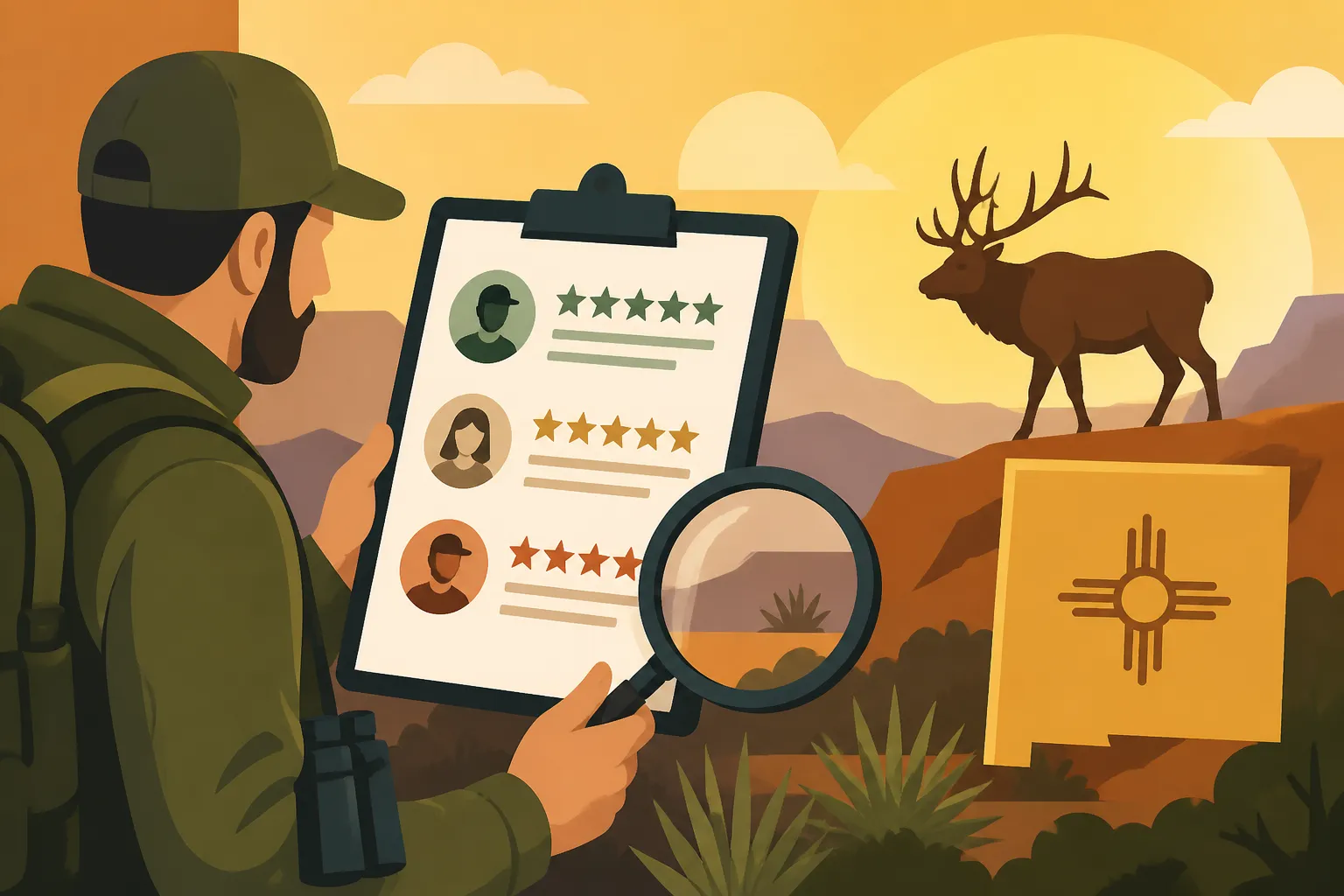
While the outfitter's provided list is a great start, it's always wise to seek independent sources for additional validation. Think of it like getting a second opinion. Online hunting forums, social media groups dedicated to New Mexico hunting, or even dedicated platforms like GoHunt and BookYourHunt can be invaluable. These resources often feature community discussions, reviews, or even direct contact information for hunters who have previously used various outfitters. Just remember to approach these sources with a critical eye, as online opinions can sometimes be biased or lack context.
When you're looking at platforms, check to see if the outfitter is listed, and if there are any reviews from verified clients. While a platform like BookYourHunt might highlight reputable operations, you still want to do your personal outreach. Sometimes, a casual mention in a forum about a guide you're considering, or a post asking "Has anyone hunted with X Outfitter in Unit Y?" can yield incredibly helpful, unbiased feedback. Just be sure to filter for genuine experiences and avoid overly negative or positive reviews that lack specific details. This extra step helps you build a comprehensive picture, cross-referencing the outfitter's claims with the experiences of a broader range of hunters. You might also find reviews that touch on important logistical aspects, like how long it takes to hear back from an outfitter or the ease of Booking Around New Mexico's March Deadline.
Asking the Right Questions and Identifying Red Flags
So, you’ve got a list of names and numbers. Now comes the critical part: making those calls. This isn't a casual chat; it's an interview. You need to be prepared with a structured set of questions that get to the heart of what you need to know. Remember, you're not just asking "Did you have fun?" but "Did they deliver on what was promised, and how did they handle challenges?"
Key Questions for Former Clients
When you speak to references, focus on tangible details and specific experiences rather than vague sentiments. Here’s a table of essential questions to guide your conversation, designed to uncover the operational realities of a guided hunt:
| Category | Key Questions to Ask |
|---|---|
| Pre-Hunt Prep | How was the communication leading up to the hunt? Was the gear list accurate and comprehensive? Were expectations about physical demands, terrain, and success rates clearly communicated and realistic? Did they help with specific questions about your Rifle Zero Distance for Canyon Country or Optics Power for New Mexico's Open Country? |
| Hunting Experience | How experienced and knowledgeable were the guides? Did they work hard and seem genuinely invested in your success? What was their guiding style (e.g., spot and stalk, sitting water, calling)? How did they handle challenging conditions or slow periods? Was the hunt ethical and fair chase? |
| Logistics & Camp | Describe the camp accommodations, food, and amenities. Was it clean, comfortable, and well-maintained? How were the logistics managed (e.g., transportation, game retrieval, meat care, like Getting Meat Cooled on an Early Season Hunt)? Was the equipment (vehicles, horses, optics) in good working order? |
| Success & Satisfaction | What was your hunting success (harvest vs. opportunities)? If you didn't harvest, were you still satisfied with the overall experience and effort? Would you hunt with this outfitter again? Why or why not? Were there any hidden costs beyond the initial quoted price (excluding How Much to Tip a Hunting Guide)? |
| Outfitter Integrity | Did the outfitter adhere to all New Mexico regulations? Was the outfitter's representation accurate compared to the actual experience? How were any unexpected issues or challenges addressed by the outfitter? |
Be sure to listen not just to what they say, but how they say it. Enthusiasm, hesitation, or specific anecdotes can reveal a lot. Pay attention to consistent themes, both positive and negative, across multiple references. This structured approach helps you gather concrete data rather than just vague impressions.
Spotting Inconsistencies and Red Flags
As you talk to references, some inconsistencies or patterns might emerge that should raise a red flag. For instance, if every single reference tells an identical story of a massive bull taken on day one with no effort, it might be too good to be true. Real hunting is full of variables. If all the references are from many years ago, and the outfitter hasn't provided any recent contacts, that's a concern—it suggests they either haven't had recent satisfied clients or they're trying to hide something. A lot can change in an outfitting business over time, including staff, hunting pressure, and the quality of their operation.
Another red flag is if a reference is overly hesitant or vague when answering specific questions, particularly about challenges or setbacks. No hunt is perfect, and an honest account will usually include some minor issues that were overcome. If they speak poorly of other outfitters or clients, that reflects on their professionalism. Furthermore, if you notice significant discrepancies between what the outfitter told you and what the references experienced, it's a major warning sign. Always refer back to common Red Flags When Booking a Guided Hunt that are generally known in the hunting community. Ultimately, trust your instincts; if something feels off, it probably is.
Synthesizing Feedback and Making Your Final Decision
After all the calls and all the notes, you'll have a wealth of information. Now it's time to pull it all together and make a confident decision. This isn't always easy, as there might be conflicting opinions or minor concerns, but a systematic approach will help you weigh everything objectively.
Weighing the Feedback Realistically
It's important to remember that not every piece of feedback carries the same weight, and not every negative comment is a dealbreaker. Consider what matters most to you in a hunting experience. Is a five-star meal crucial, or are you happy with freeze-dried if the guiding is exceptional? Is trophy size your absolute top priority, or is the overall adventure and camaraderie more important? Some hunters might prioritize a high Outfitter Success Rates in New Mexico, while others might be more interested in the camp culture or the opportunity to hunt a specific type of terrain, like Hunting New Mexico From 4,000 Feet to 10,000.
Look for patterns. If multiple references mention consistent issues with communication, poor equipment, or a guide's lack of effort, these are significant concerns. Conversely, if minor complaints are isolated incidents, and the overwhelming feedback is positive on the aspects you value most, then you're likely on solid ground. Don't let one less-than-perfect review derail an otherwise strong candidate, but don't ignore a pattern of problems either. Create a mental or written scorecard, giving weight to the factors that are most important for your personal New Mexico hunt.
Trusting Your Gut and the Contract
After doing all your research and weighing the feedback, there will still be an element of intuition involved. If you've had good, open conversations with the outfitter and their references, and the overall picture is positive, then you should feel confident. However, if a feeling of unease persists, even after all your due diligence, it might be a sign to look elsewhere. Your gut instinct is often a culmination of subtle cues you've picked up along the way.
Finally, once you're ready to commit, ensure you thoroughly review the outfitter's contract. Understand the payment schedule, cancellation policy (especially related to Refunds When You Fail to Draw in New Mexico), and what is explicitly included versus what might be extra costs. A clear, comprehensive contract, like the one discussed in The Signed Guide-Client Contract New Mexico Requires, protects both you and the outfitter and solidifies the expectations laid out during your conversations. By combining thorough reference checks with a careful review of the contract and listening to your own judgment, you set yourself up for the best possible chance at a successful and enjoyable New Mexico hunting adventure.
Disclaimer
This article is for general informational purposes only and does not constitute professional advice. Laws, prices and regulations vary by location and change over time. Consult a qualified professional for guidance on your specific situation.