Airport Transfers From Albuquerque
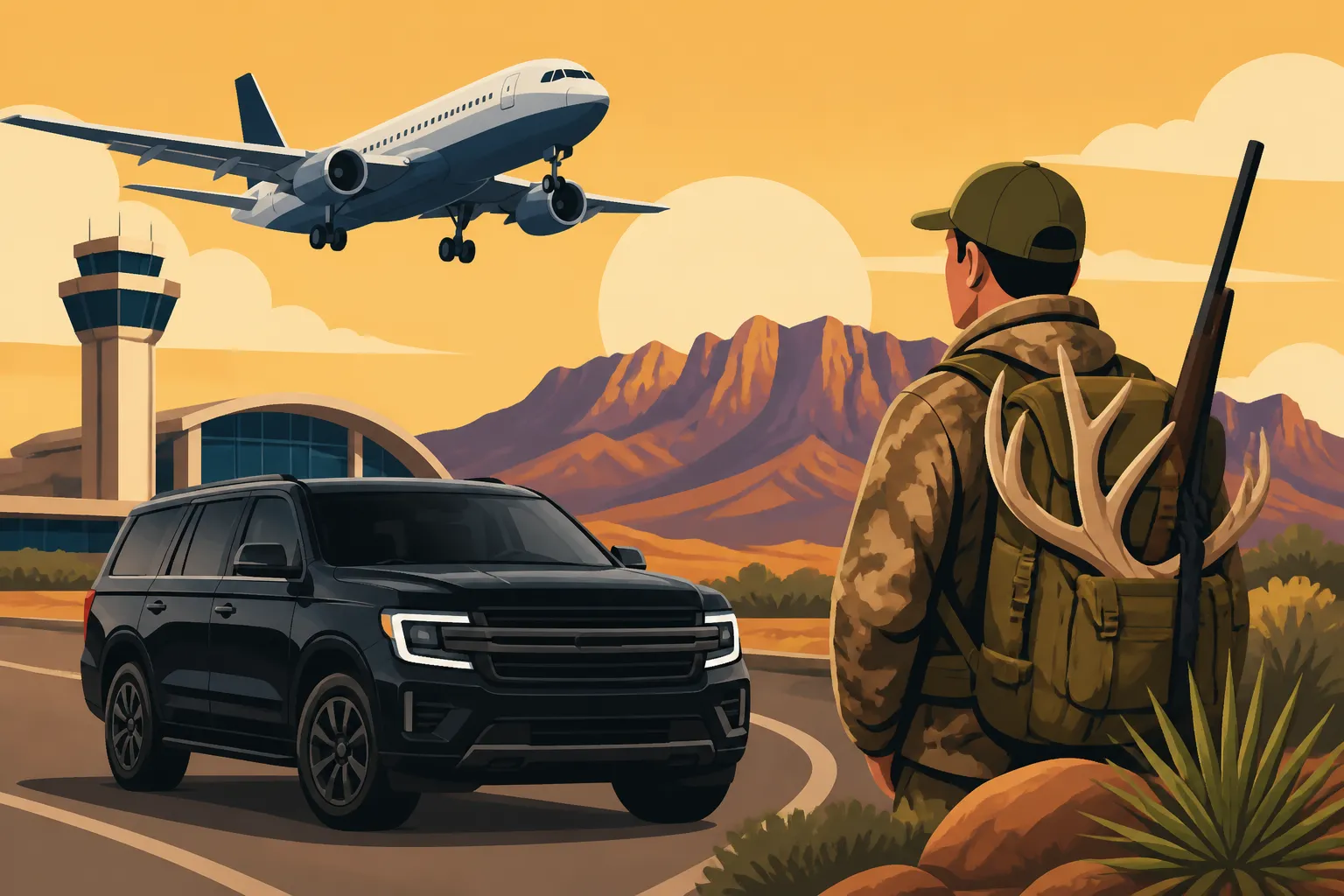
The excitement of drawing a coveted New Mexico tag is often quickly followed by the logistical puzzle of how you're actually going to get there. For most hunters flying into the state, Albuquerque International Sunport (ABQ) is your first point of entry. But getting from that bustling airport to your remote hunting camp, perhaps deep in the Gila Wilderness or out on the vast eastern plains, is an entirely different adventure. This guide is here to untangle the complexities of airport transfers from Albuquerque, helping you navigate your options so your journey from the tarmac to the timber is as smooth and stress-free as possible.
Why Albuquerque International Sunport (ABQ) is Your Gateway to New Mexico Hunting
For the vast majority of hunters traveling from out of state, Albuquerque is the logical and most convenient landing spot. It’s New Mexico’s largest airport, offering the most flight options and connections, which is a huge benefit when you’re coordinating travel with hunting partners or trying to squeeze in a few extra days off work. You might be aiming for elk in the northern mountains or mule deer in the southern deserts, but chances are, your plane will touch down in Albuquerque.
Central Location and Connectivity
Albuquerque sits roughly in the center of the state, making it a surprisingly practical hub regardless of your final hunting destination. Major airlines connect ABQ to cities across the country, meaning you usually have more choices for flight times and often more competitive pricing than smaller regional airports. This central position also means that while you might still have a long drive ahead of you, you're starting from a fairly equidistant point to many of the prime hunting units. Whether you're headed north towards the Carson National Forest near Taos or south toward the bootheel country for Coues deer, Albuquerque is frequently the most sensible entry point.
Distance to Popular Hunting Regions
It’s crucial to understand that New Mexico is a vast state, and "transfer" from Albuquerque often means a multi-hour drive, not just a quick hop across town. If your tag is for elk in the Gila National Forest, for instance, you're looking at a 3-5 hour drive just to reach the edge of the general area, and then potentially more driving on rough roads to your trailhead or camp. Heading north to units in the Sangre de Cristo Mountains, like those around Taos or Santa Fe, will also involve a significant drive of 2-3 hours or more. Even for something seemingly closer, like an Oryx hunt near Las Cruces, you're still looking at a solid 3-hour drive south. Factor these travel times into your planning, especially when booking flights and considering daylight hours. Don't underestimate the time it takes to cover ground in this expansive state; Hunting New Mexico From 4,000 Feet to 10,000 illustrates the sheer scale of terrain you might be covering.
Navigating Your Transfer Options from ABQ
Once you’ve landed, the big question is how to cover those miles to your hunting unit. You've got a few solid options, each with its own set of pros and cons. The best choice for you will depend heavily on your hunt type, group size, amount of gear, and budget.
Rental Cars: The Hunter's Best Friend (Usually)
For most DIY hunters, a rental car is going to be your most flexible and often most practical option. The freedom to drive on your own schedule, stop where you want, and carry all your gear is invaluable.
When you're comparing rental companies, remember to think beyond just the basic sedan. For many New Mexico hunts, especially if you’re heading into units with primitive roads or potential rough terrain, a 4×4 or at least an all-wheel-drive SUV can be a game-changer. Imagine trying to navigate a muddy forest service road after a monsoon rain in a two-wheel-drive economy car – it’s a quick way to get stuck and ruin a hunt. Many hunting units, particularly those bordering or within national forests like the Gila or Carson, have roads that demand a more robust vehicle. Checking out resources like GoHunt or BookYourHunt for area-specific information can sometimes give you clues about the terrain you’ll encounter.
Booking ahead is absolutely essential, particularly if your hunt falls during peak seasons (like September elk or October deer). Rental car availability, especially for trucks and SUVs, can dwindle fast. Also, consider the insurance options, fuel costs (especially for larger vehicles traversing long distances), and whether you can pick up and drop off at convenient locations. For group hunts, splitting the cost of a larger, more capable vehicle can make it quite cost-effective. E-Scouting a New Mexico Unit Before the Season can give you a good idea of the road networks and terrain you'll encounter, helping you decide if that 4×4 is truly necessary.
Shuttle Services and Ride-Shares: Convenience with Caveats
If you're a solo hunter, or perhaps meeting an outfitter in a specific town, shuttle services or ride-shares might seem like a convenient option. However, they come with some pretty significant limitations for the average hunting trip.
Shared-ride shuttle services operate out of ABQ to popular destinations like Santa Fe, Taos, and occasionally other larger towns. These can be cost-effective for a single traveler looking to reach a city center without driving. The downside? Their routes are fixed, and their schedules dictate your timing. They are absolutely not designed for dropping you off at a remote trailhead or a specific camp entrance in the middle of nowhere. Plus, you’ll need to check their luggage policies carefully. A small carry-on and backpack might be fine, but a rifle case, a cooler, and a massive hunting pack might be problematic, or at least incur extra fees.
Ride-sharing services like Uber or Lyft are great for getting around Albuquerque itself, or to a nearby hotel if you're overnighting before hitting the road. However, they are generally not suitable for long-distance transfers to distant hunting units. Drivers are often not keen on multi-hour trips, especially into areas with poor cell service, and their vehicles may not be equipped for rough roads or extensive gear. The cost for such a long ride would also likely outweigh a rental car. These are best reserved for short trips from the airport to a local lodging before you get your main transport sorted.
Outfitter Provided Transport: The Easiest Route
If you’ve booked a fully guided hunt, your outfitter might offer airport transfers as part of their package or for an additional fee. This is often the most seamless and stress-free option, as it removes all personal logistical burdens.
An outfitter’s service will typically involve them meeting you directly at the airport, or arranging a pickup at a pre-determined location in a vehicle suited for your hunt. They’re driving the roads they know well, often in trucks or SUVs equipped for rough terrain, and they understand the specific needs of hunters, like accommodating firearms and gear. This means you don’t have to worry about navigation, fuel, or vehicle wear and tear. You can just relax, take in the scenery, and prepare mentally for your hunt. What a Fully Guided New Mexico Elk Hunt Includes will often detail these services.
Before you book, make sure to clarify if airport transfers are included in the overall price or if it's an extra charge. Also, confirm the pickup and drop-off times and locations with your outfitter well in advance. Outfitters typically coordinate multiple clients, so being punctual is crucial. If you're looking for an outfitter who provides this kind of convenience, platforms like BookYourHunt or GoHunt often list services provided by various New Mexico outfitters, and you can inquire about their transfer options when vetting them. For those venturing into the backcountry, some outfitters even coordinate initial transport to a trailhead before switching to pack horses, as might be the case for How Much Riding Ability a Horseback Hunt Needs.
Here's a quick comparison of your main transfer options:
| Transfer Method | Pros | Cons | Best For |
|---|---|---|---|
| Rental Car | Flexibility, ample gear space, privacy | Cost (especially 4×4), navigation, fuel, insurance | DIY hunters, groups, remote units, multi-stop trips |
| Shuttle Service | Often lower cost for solo, no driving stress | Fixed routes, limited gear space, schedule dependent | Solo travelers to major towns, connecting with another service, light packers |
| Ride-Share (Uber/Lyft) | Immediate availability in metro area, convenience | Not for long distance, limited gear space, cost for long trips | Short hops within Albuquerque, to hotels, meeting local contacts |
| Outfitter Transport | Seamless, expert driver, appropriate vehicle | Only available with outfitter, added cost possible, fixed schedule | Fully guided hunts, hunters prioritizing convenience and local knowledge |
Key Considerations for Your Transfer Choice
Choosing the right transfer isn't just about getting from point A to point B; it's about setting the stage for a successful and enjoyable hunt. Several factors unique to hunting in New Mexico should influence your decision.
Hunt Location and Terrain
The specific unit and terrain you'll be hunting in should heavily influence your vehicle choice. Are you headed for the high, rugged mountains of the Gila or Carson National Forests, where steep, unpaved roads and potential mud are common? Or are you aiming for the flatter, more accessible (but still potentially rough) ranch roads of the eastern plains for Pronghorn? A deer hunt in the desert units might present less elevation but demand a vehicle that can handle sandy, rocky washes.
If you're planning to access areas deep within the national forests, particularly in units like 15 or 16D, a 4×4 vehicle isn't just a luxury; it's often a necessity. These roads can become impassable even with light rain, and getting stranded far from cell service is a serious concern. Consider the time of year as well. Early season hunts might face monsoon rains, turning dirt roads into slick challenges, while late-season hunts in the north could mean snow and ice. Getting Into New Mexico's Gila National Forest often requires a capable vehicle and a keen eye for road conditions.
Gear and Group Size
Hunting means gear, and usually a lot of it. Rifles in hard cases, bows in soft cases, large hunting backpacks, sleeping bags, camping equipment, optics, coolers for meat, and personal items – it all adds up fast.
If you're hunting solo with minimal gear and plan to stay in a motel, a small rental car might suffice. But if you're a group of three or four with a full complement of hunting equipment, you'll need a vehicle that can comfortably (and legally) transport everything. Overstuffing a small car can lead to discomfort, damage to gear, or even safety issues. Think about the dimensions of your rifle cases; some larger cases might not fit easily in the trunk of an economy sedan. For multiple hunters and their gear, an SUV with folding seats or a pickup truck with a bed cover is almost certainly the way to go. Don't forget space for coolers for meat transport after a successful harvest!
Budget and Time Constraints
Your budget will always be a factor. While a rental car might seem expensive upfront, especially for a 4×4, splitting the cost among a group can make it very economical. Compare this to the per-person cost of shuttles or the potentially higher fee for outfitter-provided transport. Factor in fuel costs, which can add up quickly over long distances in New Mexico.
Time is also critical. If you land late in the day and have a 4-hour drive to your camp, you might be driving unfamiliar roads in the dark, which is never ideal, especially in remote areas. Booking a rental car and starting your drive first thing in the morning after a night in Albuquerque might be safer. Similarly, if your outfitter has a strict pickup time, a shuttle service might not be flexible enough to align with their schedule, potentially causing delays and stress. Always build in extra time for unforeseen circumstances like flight delays, luggage issues, or weather-related slowdowns.
Tips for a Seamless Airport Transfer Experience
A well-planned transfer can set a positive tone for your entire hunt. A little foresight goes a long way in avoiding last-minute headaches.
Plan and Book Ahead
This cannot be stressed enough: plan and book your transfer well in advance. Waiting until the last minute, especially during popular hunting seasons, can leave you with limited options, higher prices, or no suitable transport at all.
- Rental Cars: Reserve your vehicle, specifying size and 4×4 capabilities, months before your trip. Confirm your reservation a week or two out.
- Shuttles: If using a shuttle, check their schedules and book seats. Understand their luggage limits and what counts as oversized.
- Outfitters: Reconfirm your arrival details (flight number, landing time) with your outfitter several weeks prior, and again a few days before your departure. They’re managing multiple clients, and clear communication is key. Looking at outfitter reviews on platforms like BookYourHunt can give you insights into their logistical reliability.
Early booking not only secures your transport but often gets you better rates. If you’re considering a guided hunt, compare what different outfitters on platforms like GoHunt offer regarding transfers; some may include it, while others charge extra.
Accommodating Your Hunting Gear
Specialized hunting gear, especially firearms and bows, requires specific handling during travel. Always adhere to airline regulations for transporting firearms and ammunition. This typically means firearms must be unloaded, in a locked, hard-sided case, and declared at check-in. Ammunition usually needs to be in its original packaging or a secure container, separate from the firearm.
When it comes to your ground transfer, ensure your chosen method can accommodate these items. A rental car offers the most control, allowing you to secure your firearms and bows safely within the vehicle. If you're using a shuttle, you must confirm their policy on firearms and bulky gear beforehand. Most ride-share drivers are not equipped or willing to transport firearms, even if legally cased. Your outfitter, however, will be accustomed to handling hunting equipment and will have appropriate vehicles. Regardless of your choice, understanding Firearm Safety Expectations From Your Guide and all local and federal transport laws is paramount. Getting your Rifle Zero Distance for Canyon Country set at home can save valuable time that might otherwise be spent at a range after landing.
Communication and Contingency Planning
Things can go wrong: flights get delayed, luggage gets lost, or weather conditions shift unexpectedly. Having a solid communication plan and a few contingencies can save your hunt.
- Share Details: Make sure your hunting partners, outfitter, or a trusted contact at home has your flight itinerary and contact information.
- Battery Power: Keep your phone fully charged and consider a portable power bank. Cell service can be spotty to non-existent in many parts of rural New Mexico, so a dead phone is a major problem.
- Offline Maps: Download offline maps (e.g., Google Maps, Gaia GPS, onX Hunt) of your route and hunting unit before you lose service.
- Emergency Contacts: Have a list of essential phone numbers written down, including your outfitter, rental car company, and emergency services.
- Backup Plan: What if your rental car falls through? What if your flight is severely delayed and you miss your outfitter pickup? Have a mental (or written) backup plan. Maybe that means an extra night in a hotel, or the number for a different shuttle service.
- Outfitter Coordination: If you're utilizing an outfitter, ensure you know exactly where and when you'll meet. Don't assume they know your schedule, always confirm. Understanding their logistical demands, such as coordinating for How Many Days a New Mexico Outfitter Must Accompany You, is helpful.
Remember, the goal is to get to your hunting grounds safely and efficiently, ready to focus on the hunt itself. A little planning for your airport transfer from Albuquerque will go a long way in achieving that.
Disclaimer
This article is for general informational purposes only and does not constitute professional advice. Laws, prices and regulations vary by location and change over time. Consult a qualified professional for guidance on your specific situation.