Preparing for Elevation on a New Mexico Hunt
New Mexico's vast and wild landscapes offer some of the most incredible hunting opportunities in the West, but they also present a significant challenge that many hunters underestimate: elevation. From the rolling pinon-juniper mesas at 5,000 feet to the towering peaks of the Sangre de Cristo Mountains pushing past 12,000, the thin air can quickly turn a dream hunt into a debilitating struggle. This guide will walk you through the essential preparations you need to make to ensure your body is ready for the rigors of high-altitude hunting, helping you breathe easier and hunt harder in the Land of Enchantment.
The Harsh Reality of New Mexico's High Country
Many hunters arrive in New Mexico, especially from lower elevations, confident in their fitness only to find themselves gasping for air on the first steep climb. The state's diverse terrain means you're constantly gaining and losing elevation, and without proper preparation, your body can revolt. It's not just about being able to walk, it's about being able to perform when it counts—stalking silently, drawing a bow steadily, or quartering an animal after a long pack in.
Why Thin Air Hits Harder Than You Think
At higher elevations, the air pressure drops, meaning that for every breath you take, there's less oxygen available to your lungs, and consequently, less oxygen delivered to your muscles and brain. This isn't just a minor inconvenience; it's a fundamental physiological change that impacts every system in your body. Your heart has to work harder to pump oxygen-depleted blood, your breathing rate increases, and your body starts to prioritize essential functions, often at the expense of energy and cognitive sharpness.
I've seen more than one hunter, usually fit from sea level, humbled by a steep ridge in the Gila National Forest. What might be a brisk walk at home becomes an exhausting slog at 8,000 or 9,000 feet, especially when you're carrying a pack. Imagine the difference when you're trying to sneak up on an elk or pack out an animal alone in that kind of environment. Your reaction time can slow, decision-making might become clouded, and a simple task like tying a knot can feel like a monumental effort. It’s crucial to understand this physiological reality before you even start packing your gear.
Where New Mexico's Elevations Will Test You
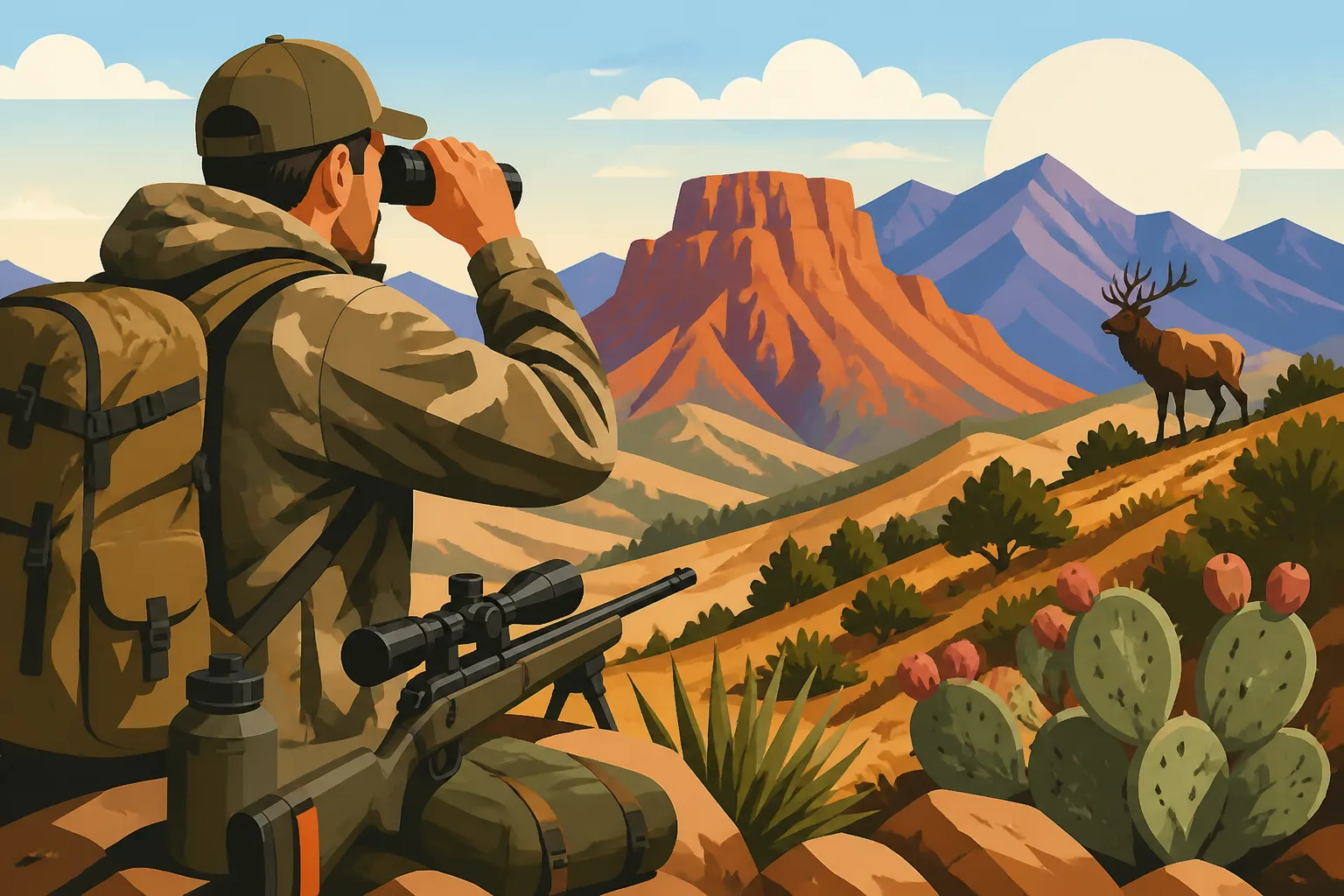
New Mexico is a land of extremes, and its hunting units span a massive range of elevations. You might be hunting mule deer in the high desert at 5,000 feet one year and chasing elk in the alpine wilderness at 11,000 feet the next. The challenges are vastly different. The Gila Wilderness, for instance, known for its trophy elk and rugged beauty, can have you starting your day in a canyon at 6,000 feet and climbing to a ridge at 9,500 feet before noon. Hunting New Mexico From 4,000 Feet to 10,000 gives you a sense of the wide array of altitudes you can expect.
Further north, areas like the Sangre de Cristo Mountains or parts of the Carson National Forest will push you even higher, into true alpine territory where oxygen levels are significantly lower. Even within a single game management unit, you can experience dramatic elevation changes that test your endurance. It's not uncommon to spend a day traversing terrain that fluctuates by thousands of feet, demanding constant exertion. Understanding Elevation Bands Worth Understanding for your specific unit is key to anticipating the physical demands. The Hunting the Carson High Country can be a truly breathtaking (and literally breath-taking) experience.
Your Body, Your Best Tool: Pre-Hunt Physical Conditioning
While you can't magically grow an extra set of lungs, you can absolutely train your body to be more efficient at utilizing oxygen and handling the stress of high altitude. This isn't just about hitting the gym; it's about smart, focused training that prepares you for the specific demands of hunting in New Mexico's mountains.
The Non-Negotiable Start: Building Your Engine
Let's be honest, hitting the gym isn't always as fun as hitting the range, but trust me, when you're struggling to catch your breath while packing out a bull, you'll be glad you put in the work. The single most important thing you can do is to start your physical preparation early—ideally, three to six months before your hunt date. This isn't a last-minute cram session; it's a lifestyle shift for a period. Your focus should be on building a strong cardiovascular base, increasing your leg and core strength, and improving your overall endurance.
This means consistent, intense cardio workouts that mimic the sustained effort of a long hike up a mountain. Think running, cycling, swimming, or elliptical training. Don't neglect strength training either; strong legs and a solid core are essential for navigating uneven terrain, maintaining balance, and carrying heavy loads. A comprehensive routine outlined in Preparing Physically for a High Elevation Hunt can be an excellent starting point, ensuring you address all the critical muscle groups.
Workouts Tailored for Mountain Terrain
Beyond general fitness, target specific movements that replicate hunting conditions. Stair climbing or a treadmill set to a high incline are your best friends. These exercises directly simulate steep mountain ascents and help condition the specific muscle groups you'll be relying on. Even better, perform these workouts with a weighted pack. Start with a light load and gradually increase the weight to mimic the feel of carrying your gear into camp or, hopefully, packing out meat.
Rucking—walking with a weighted backpack—is an incredibly effective way to build endurance and strength for mountain hunting. Find some local hills or even stadium stairs and dedicate time to challenging yourself with that pack. Incorporate squats, lunges, and step-ups into your routine to build powerful leg muscles. Tools like those offered by GoHunt can be invaluable for e-scouting units and understanding their elevation profiles, helping you visualize the kind of terrain you'll be tackling and tailoring your training to specific challenges. This focused preparation will pay huge dividends when you're faced with Packing an Elk Out of the Gila Alone or making a long stalk.
Strategies for Success: Acclimatization and In-Hunt Management
Even the fittest hunter can suffer at high altitude if they don't give their body time to adjust and manage their effort wisely on the mountain. These strategies are about working with your physiology, not against it.
Giving Your Body Time to Adjust
One of the most effective ways to combat the effects of elevation is simply to arrive early. If your hunt begins on a Saturday, try to get to New Mexico by Wednesday or Thursday and camp at an elevation similar to or slightly below where you'll be hunting. This allows your body a precious few days to begin the process of acclimatization. During this time, your body will gradually increase its production of red blood cells, which carry oxygen, and make other metabolic adjustments to cope with the lower oxygen levels.
Don't jump off the plane at 5,000 feet and immediately try to chase elk at 9,000 feet. That's a recipe for feeling miserable and underperforming. Use these initial days for light activity, setting up camp, and familiarizing yourself with the area. Even if you can't arrive several days early, every extra day you can spend at altitude before strenuous activity will make a difference. This crucial step is often overlooked, but it can be the difference between an enjoyable, productive hunt and one cut short by sickness.
Hydration, Fuel, and Smart Pacing
Your body at altitude requires more water than at sea level. The drier air at higher elevations, combined with increased respiration, means you're losing fluids at a faster rate. Dehydration can exacerbate altitude sickness symptoms and significantly reduce your energy levels. You'll need to continuously drink water and replenish electrolytes, even if you don't feel particularly thirsty. Water You Must Carry on a Desert Day Hunt has some great advice, much of which applies equally to high-country hydration needs.
Fueling your body properly is equally important. Focus on sustained energy through complex carbohydrates, lean proteins, and healthy fats. Avoid sugary snacks that provide a quick burst followed by a crash. Eat smaller, more frequent meals to keep your energy levels stable. And perhaps most critically, pace yourself. Slow and steady wins the race in the mountains. Don't try to sprint up a hill, even if you feel a surge of energy. Conserve your strength, take frequent short breaks, and listen intently to what your body is telling you. If you find yourself struggling with limited personal prep time, platforms like BookYourHunt can connect you with experienced outfitters who often provide horses or strategic drop camps, mitigating some of the most strenuous physical demands. Knowing your limits here is part of good planning. Altitude Preparation for a Gila Elk Hunt goes into further detail on these critical in-hunt strategies. Also, don't forget that Layering for Gila Temperature Swings is important for maintaining body temperature and conserving energy, which directly impacts your performance at elevation.
Recognizing the Red Flags: Dealing with Altitude Sickness
Even with the best preparation and management, altitude sickness can sometimes strike. Knowing the symptoms and how to react is vital for your safety and the success of your hunt.
Don't Ignore the Warning Signs
Acute Mountain Sickness (AMS) is the most common form of altitude sickness, and its symptoms can range from mild to debilitating. It often feels like a hangover: a persistent headache, nausea (sometimes leading to vomiting), dizziness, fatigue, and difficulty sleeping are all common indicators. It's easy to dismiss these as general fatigue from travel or excitement, but ignoring them can lead to more severe conditions.
It's crucial to understand that these aren't signs of weakness, but physiological responses to a stressful environment. Pay close attention to how you feel, and communicate openly with your hunting partners. Early recognition and intervention are key to preventing the progression of AMS. Here's a quick look at common symptoms:
| Symptom Group | Common Signs | Severity | Action |
|---|---|---|---|
| Mild | Headache, fatigue, loss of appetite, mild nausea | Moderate | Rest, hydrate, light activity. Avoid further ascent. Consider mild pain relievers. |
| Moderate | Severe headache, persistent nausea/vomiting, dizziness, weakness, sleep disturbance, poor coordination | Serious | Stop ascent immediately. Descend if symptoms don't improve. Do not be alone. |
| Severe | Shortness of breath at rest, confusion, severe headache not relieved by meds, coughing, staggering gait | Life-Threatening | IMMEDIATE DESCENT. Seek medical attention. This could indicate HAPE or HACE. Do not delay. |
When to Take Action and Prioritize Safety
The golden rule of altitude sickness is simple: if your symptoms worsen, descend. Even a descent of a few hundred feet can make a significant difference in how you feel. Never try to push through severe symptoms or ascend higher once they appear. Your hunt can always be rescheduled or adapted, but your health cannot. Hunting with a buddy who is also aware of the signs of altitude sickness is incredibly important; they can monitor you and help make critical decisions if you're feeling impaired.
Always carry basic pain relievers (like ibuprofen) and anti-nausea medication in your first-aid kit. These can help manage mild symptoms, but they are not a cure. If symptoms persist or worsen despite rest and hydration, or if you notice signs of High Altitude Cerebral Edema (HACE) like confusion or severe unsteadiness, or High Altitude Pulmonary Edema (HAPE) like persistent coughing or shortness of breath at rest, immediate descent and professional medical attention are required. Have a communication plan in place, and carry appropriate devices. Satellite Communication From a Hunting Camp can be a literal lifesaver in remote, high-elevation areas where cell service is non-existent.
Disclaimer
This article is for general informational purposes only and does not constitute professional advice. Laws, prices and regulations vary by location and change over time. Consult a qualified professional for guidance on your specific situation.