Planning a DIY Public Land Hunt in New Mexico
The allure of New Mexico's vast, wild landscapes for a do-it-yourself public land hunt is incredibly strong, isn't it? You picture yourself out there, miles from anyone, spotting a magnificent bull elk or a savvy mule deer buck you found entirely on your own terms. But let's be honest, the reality of pulling off a successful DIY hunt in a new state, especially one as diverse and challenging as New Mexico, can feel incredibly daunting. You're probably wrestling with questions about land access, regulations, where to even begin scouting, and how to avoid the common pitfalls that send so many ambitious hunters home empty-handed and exhausted. This comprehensive guide is here to walk you through the practical steps, real-world considerations, and crucial preparation needed to turn that dream of a self-sufficient hunt in New Mexico into a hard-earned reality.
Understanding New Mexico's Public Land Landscape
New Mexico is often called the "Land of Enchantment," and for good reason—it’s truly spectacular, offering incredible hunting opportunities if you know where to look. But figuring out where you can actually legally hunt, and how to get there, is one of the biggest hurdles for any DIY hunter. It’s not always as simple as seeing green on a map.
Deciphering Land Ownership Maps
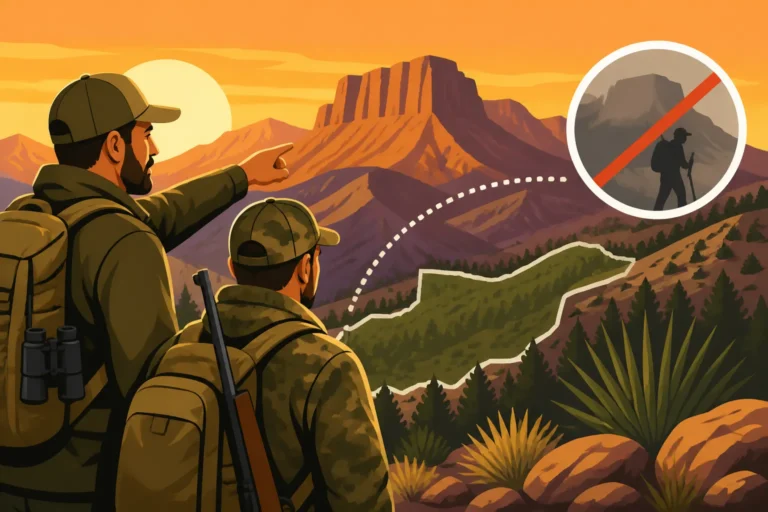
The very first step in planning any DIY public land hunt in New Mexico is understanding the mosaic of land ownership. This state has a diverse mix of federal lands—like National Forests and Bureau of Land Management (BLM) acreage—and state lands, alongside vast tracts of private property and tribal lands. Navigating this without proper tools is like trying to find a needle in a haystack blindfolded. You might think you’re on public ground, only to find yourself facing a "No Trespassing" sign, or worse, a grumpy landowner.
Tools like GPS apps with land ownership layers are non-negotiable for a DIY hunter here. These apps, which you can run right on your phone, illuminate the different colors of land ownership, showing you exactly where you can and cannot be. Blue might be BLM, green for National Forest, yellow for State Trust Land, and white for private. It’s a game-changer, allowing you to identify access points, legal routes across public parcels, and those all-too-common landlocked pieces of public ground. Always double-check your boundaries and err on the side of caution. A slight deviation can mean the difference between a successful hunt and a costly trespass citation. Don't forget that How Much Public Land New Mexico Holds is significant, but it's often broken up.
Rules for State Trust Land Access
New Mexico State Trust Land is a huge component of the public access puzzle, often containing excellent habitat that connects larger blocks of National Forest or BLM. However, accessing it comes with a few specific rules that many out-of-state hunters, or even new resident hunters, might not be aware of. Unlike federal lands where a hunting license usually grants general access, State Trust Land in New Mexico requires a specific easement. The good news is, your valid New Mexico hunting license is that easement. You don't need to purchase an additional permit just for hunting on Trust Land.
The key thing to remember is that this easement is only for activities directly related to hunting, fishing, or trapping. That means you can't just set up camp there for a week before your hunt starts, nor can you use it for casual recreational activities not tied to your pursuit of game. There are also specific rules about scouting. While you can typically scout public land as much as you like, State Trust Land has a more restricted window. You are generally allowed to scout it up to You May Scout New Mexico Trust Land 14 Days Before a Hunt before your actual hunting season opens. This limits extensive pre-season reconnaissance, so make sure your e-scouting is top-notch.
Navigating Wilderness and Backcountry Areas
New Mexico boasts some truly wild and rugged country, particularly within its designated wilderness areas like the Gila and Aldo Leopold Wilderness. These areas offer an unparalleled backcountry hunting experience—the kind of remote, challenging hunt that many DIYers crave. However, with that raw wilderness comes a different set of rules and logistical considerations. Motorized vehicles, including ATVs and even mountain bikes, are strictly prohibited within wilderness boundaries. If you plan to hunt deep in these areas, you’re looking at a true foot-powered, pack-in, pack-out experience.
This means being physically prepared for long treks with heavy packs, potentially packing out an entire animal on your back, or with horses or mules if you hire a packer or bring your own stock. Planning your water sources, food, and emergency communications becomes even more critical in these remote locales. While it demands a lot more effort, the reward of hunting untouched country, far from roads and crowds, can be immense. Understanding the specific regulations for the wilderness area you're targeting is crucial, as some might have additional restrictions on camping, fires, or even group size. Remember to carefully read Reading a New Mexico Unit Boundary Before You Apply for any special conditions in wilderness zones.
Essential Pre-Season Planning and E-Scouting
Preparation is arguably the most critical component of a successful DIY public land hunt. You can't just show up and expect to figure it out on the fly, especially in a place as complex and vast as New Mexico. It takes diligent research, careful digital scouting, and a serious commitment to physical readiness.
Researching Units and Draw Odds
Before you even think about buying a tag, you need to research the units. New Mexico uses a draw system for most big game species, and some units are notoriously harder to draw than others. Your goal isn't just to pick a unit with big animals, but one you actually have a realistic chance of drawing and one that aligns with your DIY capabilities. Resources like GoHunt, for example, provide invaluable data on draw odds, harvest success rates, public land percentages, and terrain characteristics for each unit. This kind of information helps you make informed decisions, rather than just guessing.
Don't just look at the overall success rate; dig into the details. Is the success rate high because of easy access, or because it’s a wilderness unit where only the most prepared hunters venture? Are there large swaths of private land within the unit, making public access difficult? Understanding How New Mexico Numbers Its Game Management Units and then diving into the data for specific hunts (e.g., archery, muzzleloader, rifle) is crucial. A unit might have great rifle odds but terrible archery odds, or vice versa. This research phase will guide your application strategy and help you set realistic expectations. Also, be aware that New Mexico Draw Odds Do Not Improve With Time in the same way they do in preference point states, so every applicant truly has a chance each year.
Utilizing Digital Scouting Tools
In today's hunting world, e-scouting is no longer a luxury; it’s a necessity, especially for DIY public land hunters. With satellite imagery, topo maps, and land ownership overlays, you can literally "walk" a unit from your couch. This is where tools like onX Hunt, BaseMap, or the detailed data found on GoHunt really shine. Start by identifying large blocks of public land, paying close attention to where they border private property. Look for natural funnels, pinch points, bedding areas on north-facing slopes, south-facing slopes for wintering areas or early season feed, and most importantly, water sources.
Water is a lifeblood in New Mexico's often arid landscape. Mark every single stock tank, spring, or ephemeral creek bed you can find. These are natural magnets for game. Identify potential access roads, parking areas, and possible campsites. Look for subtle changes in vegetation that might indicate different feed sources or bedding cover. Pay attention to elevation contours to predict animal movement patterns and identify potential stalking routes. The more thoroughly you e-scout, the less time you'll spend blindly hiking once you’re on the ground, allowing you to be more efficient and focused when your boots finally hit the dirt. E-Scouting a New Mexico Unit Before the Season is a skill worth honing.
Physical Conditioning and Gear Prep
New Mexico hunting, especially in the backcountry or high-elevation units, is not for the faint of heart. The terrain can be brutal—steep, rocky, brushy, and often at elevations that will leave you breathless if you’re not prepared. From the desert units of the south to the 10,000-foot peaks of the Gila or Sangre de Cristos, physical demands vary but are always significant. Don't underestimate it. Start a rigorous workout routine months before your hunt. Focus on cardiovascular endurance, strength training, and hiking with a weighted pack. Preparing Physically for a High Elevation Hunt is paramount.
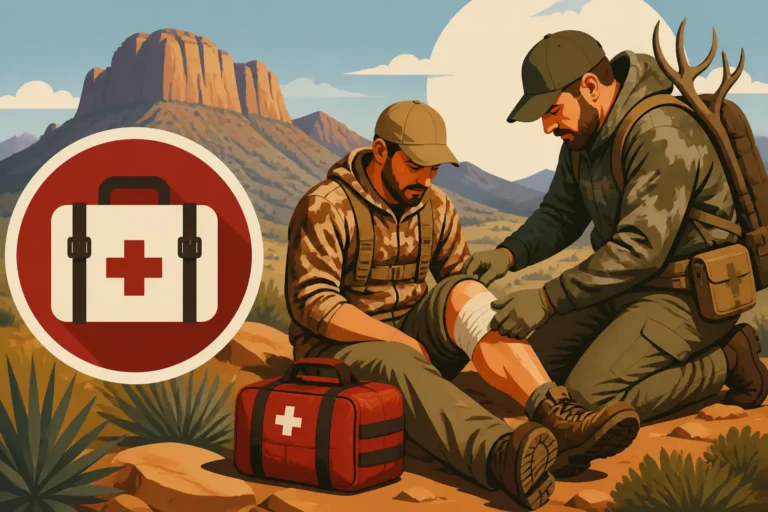
Beyond your body, your gear needs to be dialed in. This includes everything from your weapon and optics to your clothing and camp setup. Research weather patterns for your chosen unit and season. Early archery elk hunts in September can see temperatures swing from 80 degrees during the day to freezing at night. Pack appropriate layers. Ensure your boots are broken in and suitable for rocky, uneven ground. Test all your camping equipment, water filters, and navigation tools. Carry a robust first-aid kit and know how to use it. A satellite communication device is also a smart investment for remote areas where cell service is non-existent.
On-the-Ground Tactics for DIY Success
Once you've drawn your tag, prepared your body, and e-scouted until your eyes hurt, it's time to execute. Being on the ground presents a whole new set of challenges and opportunities for the DIY hunter.
Water Sources and Game Movement
As mentioned, water is king in New Mexico. In many units, especially the more arid ones, game animals are entirely dependent on available water. During early season hunts, especially for species like elk and mule deer, animals will often bed relatively close to water sources, moving to them during low-light hours. Identifying these key water holes—be they natural springs, man-made stock tanks, or even ephemeral puddles after a rain—can be the difference between seeing game and seeing nothing. Water You Must Carry on a Desert Day Hunt isn't just for you, but it's a good reminder of how precious water is.
When you’re in the field, pay close attention to fresh tracks, droppings, and rubs around water sources. Set up discreetly for an ambush if the regulations allow and the situation dictates, or use these spots as a starting point to locate fresh sign and follow tracks. Even in higher, timbered country, elk will often use wallows, especially during the rut. Don't just look for water; look for activity around water. Game will often follow established trails to and from water, making these natural travel corridors.
Minimizing Pressure and Adapting to Conditions
One of the biggest frustrations for DIY public land hunters is encountering other hunters. While New Mexico offers vast tracts of public land, certain areas, especially those with good road access, can see significant pressure. As a DIY hunter, your advantage often lies in your willingness to go where others won't. This means hiking further, climbing higher, and pushing deeper into rugged country.
When you do encounter pressure, don't get discouraged; adapt. If everyone is hunting the ridge tops, consider dropping into the canyons. If the main trails are busy, look for game trails that parallel them, or even forge your own path through the brush. Pay attention to wind direction, especially in deep canyons where thermals shift dramatically with the sun. Early season hunts in the desert can be brutal with heat; focus your efforts during dawn and dusk, and use midday for glassing from shaded vantage points. Heat Management on an Early Season Hunt is critical for both you and how game moves. Be ready to change your strategy based on weather, animal behavior, and the presence of other hunters. Flexibility is key.
Field Care and Extraction Logistics
Bringing down an animal is just the beginning of the work, especially on a DIY hunt far from roads. You are your own outfitter and packer. Proper field care is paramount, particularly in warmer temperatures. Knowing how to efficiently quarter an animal and get the meat cooling quickly will prevent spoilage. Field Dressing in Desert Heat requires speed and precision. Carrying game bags is essential to protect the meat from dirt and flies.
Before you even leave for your hunt, have a solid plan for extraction. If you’re deep in the backcountry, how will you get the meat out? Will you make multiple trips with a pack frame? Did you arrange for a horse packer beforehand (even if you’re DIY hunting, some hunters will contract a packer for a specific date and location if they get an animal down)? Consider where you can leave a cooler full of ice in your truck at a trailhead. Think about every step of the process, from the shot to getting the meat into a freezer, because without a solid plan, a successful hunt can quickly turn into a logistical nightmare.
Common Pitfalls and How to Avoid Them
Even the most experienced hunters can stumble in new territory or under challenging conditions. Being aware of common mistakes can help you sidestep them.
Underestimating Terrain and Elevation
I’ve seen it time and again: hunters arrive in New Mexico, fresh from flatter states, and are absolutely floored by the steepness, the rocks, the canyons, and the sheer scale of the landscape. What looks like a short walk on a map can be an hours-long struggle up a vertical mile of scree and thick oak brush. The elevation alone, especially in northern units, can cause headaches, fatigue, and even more serious altitude sickness if you’re not acclimated. Hunting New Mexico From 4,000 Feet to 10,000 is a challenge.
The best way to avoid this pitfall is twofold: first, rigorous physical training as discussed earlier. Second, thorough e-scouting that accounts for elevation changes, not just horizontal distance. Use the topographic layers on your mapping app to calculate vertical gain and loss for your planned routes. Be realistic about what you can cover in a day, especially with a pack. Build in buffer time for unexpected terrain challenges. And when you’re on the ground, listen to your body; there’s no shame in taking a break or altering your route for safety.
Overlooking Regulations and Permit Requirements
New Mexico hunting regulations are complex and change periodically. It’s easy to miss a crucial detail that could cost you a fine or worse. From specific hunt codes and season dates to blaze orange requirements, legal shooting hours, and rules about baiting or trail cameras, there’s a lot to keep track of. For example, Legal Shooting Hours and Blaze Orange in New Mexico vary depending on the season and weapon.
Always, always read the current New Mexico Rules and Information booklet cover to cover for the year you plan to hunt. Don't rely on information from previous years or what you "heard" online. Pay close attention to unit-specific rules, as some units may have unique restrictions. Be clear on the tagging requirements and mandatory harvest reporting. For example, Mandatory Reporting After a New Mexico Harvest is not something you want to forget. This detailed understanding protects you and ensures you’re hunting ethically and legally.
The Importance of a Backup Plan
A DIY public land hunt is an adventure, and like any adventure, things can and will go wrong. Your truck might break down on a remote forest road, an unexpected wildfire might close your chosen unit, or you might simply struggle to find game in your primary spot. These aren't just possibilities; they're realities in the wild West. For example, What Happens If Military Operations Shorten Your Hunt is a real concern if you draw an Oryx tag on White Sands.
That’s why a backup plan, or even multiple backup plans, is vital. This could mean researching a secondary unit that has leftover tags or easier draw odds, having a list of alternative access points if your primary road is closed, or even having the contact information for a local outfitter or guide as a last resort if your DIY efforts aren't panning out (though, admittedly, that's moving away from DIY!). While this article focuses on DIY, if you find yourself truly overwhelmed or consistently striking out, services like BookYourHunt exist to connect hunters with experienced guides. Having a Plan B, C, and D for various scenarios—from vehicle trouble to a complete lack of game sign—will save you a lot of stress and greatly increase your chances of having a positive experience, even if it doesn't end with a filled tag.
| DIY Hunt Planning Checklist | Key Actions | Tools/Resources |
|---|---|---|
| Land Ownership | Identify public land, private land, State Trust, and wilderness boundaries. | GPS apps (onX, BaseMap), New Mexico Game & Fish maps. |
| Unit Research | Analyze draw odds, harvest success, public land percentage, terrain, and access. | GoHunt, NMDGF website, forums. |
| E-Scouting | Pin water sources, bedding areas, travel corridors, access points, and campsites. | Satellite imagery, topo maps, 3D terrain views. |
| Physical Prep | Engage in cardio, strength training, and weighted pack hikes. | Gym membership, hiking trails, personal commitment. |
| Gear Check | Test all equipment: weapon, optics, camp, clothing, navigation, first-aid. | Gear lists, backyard test runs. |
| Regulations Review | Read current year’s NMDGF rules booklet thoroughly; note unit-specific details. | Official NMDGF website, printed rulebook. |
| Contingency Planning | Have backup units, access points, emergency contacts, and extraction strategies. | Mental walkthroughs, written notes, satellite communication device. |
Disclaimer
This article is for general informational purposes only and does not constitute professional advice. Laws, prices and regulations vary by location and change over time. Consult a qualified professional for guidance on your specific situation.