Guided New Mexico Hunt Price Ranges by Species
One of the biggest questions that swirls around anyone considering a guided hunting trip in New Mexico is, "How much is this actually going to cost me?" It's a valid concern, because a guided hunt is a significant investment, and the price tag can vary wildly depending on the species, the outfitter, and the level of service. This guide will help you understand the typical price ranges for guided hunts across New Mexico's diverse big game species, breaking down what influences these figures so you can budget realistically and plan your adventure.
Understanding the Factors That Influence Guided Hunt Costs
Before we dive into specific species, it’s crucial to understand that a guided hunt's price isn't just pulled out of thin air. There are numerous operational costs, expertise levels, and logistical challenges that an outfitter must account for, all of which directly impact what you, the hunter, will pay. Trying to compare prices without understanding these underlying factors is like comparing apples to very expensive, backcountry-packed oranges.
Outfitter Logistics and Overhead
Think about everything an outfitter needs to run a successful operation. They have to scout the units, often for months, to locate animals and understand their movements. They need reliable vehicles, sometimes horses or mules, to access remote areas. There's gear—tents, cooking equipment, optics, communication devices—that needs to be maintained or replaced. Then there are the people: guides, cooks, wranglers, and camp staff, all of whom expect fair wages. Insurance, permits, and business licenses add another layer of expense. Gila Outfitters Sell Access to Country You Cannot Reach Alone is a perfect example of why some hunts cost more due to specialized access. All these behind-the-scenes necessities contribute to the overall price.
Fuel costs alone can be staggering when you're covering vast tracts of the Gila National Forest or making countless trips into the desert. Food for camp, particularly for longer trips, isn't cheap, nor is the time spent preparing delicious, hearty meals in often rudimentary conditions. A professional outfitter invests heavily in their infrastructure to ensure a safe, comfortable, and productive experience for their clients, and this investment is reflected in the price. They're not just charging for their time in the field with you; they're charging for the entire support system that makes that time possible.
Guide Experience and Success Rates
Just like any other profession, experience commands a premium in the guiding world. A veteran outfitter with decades of successful hunts under their belt, a deep understanding of New Mexico's diverse terrain, and a reputation for consistently putting clients on game will naturally charge more than a newer, less established operation. Their success isn't just luck; it's the culmination of years of hard work, learning animal behavior, and mastering the intricate details of a unit. When an outfitter can point to a high success rate on challenging species, that track record becomes a valuable commodity.
Moreover, "success" isn't always just about harvesting an animal, though that's often the primary goal. It also encompasses the quality of the overall experience: the professionalism of the staff, the quality of the camp, the safety protocols, and the effort put into making the hunt memorable, regardless of the outcome. Many hunters are willing to pay more for an outfitter who can provide a truly exceptional experience, even if it means stretching their budget. Websites like BookYourHunt can be a great resource for comparing different outfitters and their stated success rates, helping you gauge value.
Hunt Type: Fully Guided vs. Drop Camp vs. Semi-Guided
The level of service you choose dramatically impacts the price. A fully guided hunt is the most expensive, and for good reason. It means your guide is with you from before dawn until after dark, actively hunting alongside you, often providing transportation, calling, tracking, field dressing, and sometimes even packing out the animal. You're typically provided with all meals and lodging, whether that's a comfortable lodge or a backcountry tent camp. It's a comprehensive, all-inclusive experience where your primary focus is hunting.
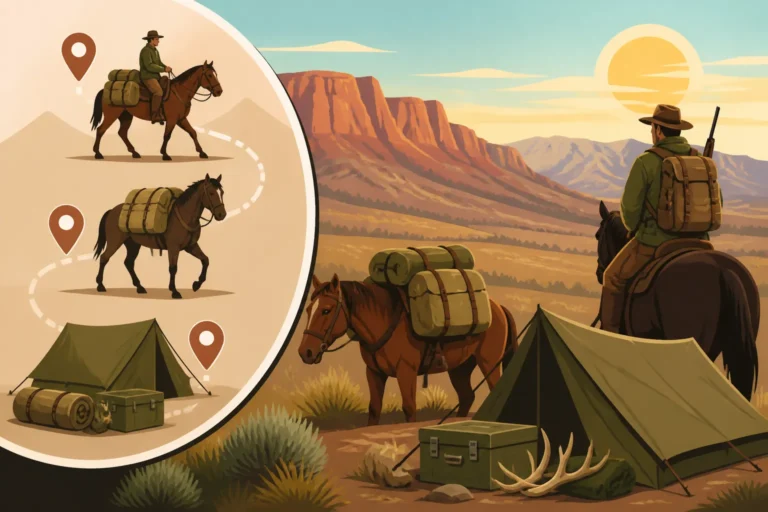
Drop camps are a step down in service and cost. Here, the outfitter uses horses, mules, or off-road vehicles to pack you and your gear into a remote location, sets up a basic camp, and then leaves you to hunt on your own. They typically return on a predetermined date to pack you and any harvested game out. This option requires more self-sufficiency but offers a truly immersive wilderness experience. Drop Camps Deep in the New Mexico Gila are popular for those seeking solitude. Semi-guided hunts fall somewhere in between, offering some level of outfitter support, such as camp logistics or advice on areas, but leaving the day-to-day hunting decisions and effort largely up to you. Each option caters to different budgets and preferences, so consider your own hunting style and experience when making a choice.
Elk Hunting: The Price of a Dream
New Mexico elk hunting, especially in units renowned for trophy bulls like the Gila, is often what draws hunters from across the country. The demand is high, the logistics can be challenging, and the potential for a world-class animal is very real. Consequently, elk hunts represent some of the most significant investments you'll make in the New Mexico guided hunt market.
Standard Guided Elk Hunt (Rifle/Archery)
For a standard, fully guided 5-7 day elk hunt in New Mexico, whether rifle or archery, you should prepare for a substantial financial commitment. These hunts typically include a dedicated guide, lodging (which could be a comfortable wall tent camp or a rustic cabin), all meals, and game retrieval/field dressing. You'll often be hunting on public land, and the outfitter will have secured the necessary permits and knowledge of the unit. You're paying for their expertise in finding elk, navigating the challenging terrain, and providing a safe, effective hunting experience.
The specific unit can also play a huge role. Units with notoriously difficult draws or those known for producing larger bulls tend to fetch higher prices simply due to demand and the outfitter's specialized knowledge required to consistently hunt them. An outfitter who focuses on Bugling Bulls Through New Mexico's Mid-September Rut will likely price their archery hunts differently than a late-season rifle hunt, reflecting the intensity and specialized calling skills required. Expect these hunts to start in the mid-to-high four figures and easily climb into the five-figure range.
Trophy Elk Hunts
If your goal is to specifically target a Boone and Crockett caliber bull, the price jumps considerably. Trophy elk hunts are designed with one objective: to put you on the largest elk possible. This often means longer hunts (7-10+ days), more intense scouting by the outfitter, hunting in very specific, often remote, areas, and potentially a higher guide-to-hunter ratio to maximize opportunities. Outfitters dedicate immense resources to these hunts, sometimes passing on other clients to focus solely on the potential of a truly giant bull.
These hunts are for the dedicated few who are chasing a lifetime animal and are willing to pay the premium for that opportunity. They often involve more rigorous physical demands, as guides will push into the toughest country where old bulls hide. The outfitter’s reputation for producing big bulls is paramount, and you can expect prices for these highly specialized hunts to be well into the upper five figures, making them a significant luxury in the hunting world.
Cow Elk Hunts
While not as glamorous as chasing a trophy bull, guided cow elk hunts offer a much more accessible entry point into New Mexico elk hunting. These hunts are primarily focused on meat harvesting and wildlife management, and the success rates are often very high. Outfitters typically offer shorter durations (3-5 days) and the guiding might be less intensive, focusing more on getting you to areas with abundant cow herds rather than intricate stalking of a specific animal.
Cow elk hunts are an excellent option for first-time elk hunters, youth hunters, or anyone looking to fill their freezer without the hefty price tag associated with bull tags. They provide a fantastic opportunity to experience the thrill of elk hunting in New Mexico with the support of a guide. Prices for guided cow elk hunts are generally much lower, often found in the lower four-figure range, offering great value for the experience and the meat yield.
Mule Deer & Coues Deer: Western Icons, Different Costs
New Mexico is home to both Rocky Mountain mule deer in the north and desert mule deer and Coues deer in the south. While both are iconic western deer species, their habitats, hunting styles, and thus the prices of guided hunts, can differ quite a bit.
Northern New Mexico Mule Deer
Hunting mule deer in northern New Mexico often means high-country adventures in units like those found in the Carson National Forest or Santa Fe National Forest. These hunts can involve steep terrain, timbered areas, and glassing vast open basins. Outfitters providing these experiences often use 4×4 vehicles for access, but a good portion of the hunt will be on foot. The guides are experts in spotting deer in challenging landscapes and executing stalks in varied conditions. Mule Deer Across Northern New Mexico discusses some of these areas.
A guided 5-7 day mule deer hunt in these regions will typically fall into the mid-to-high four-figure range. The price reflects the effort involved in scouting large, rugged units, the physical demands on both guide and hunter, and the outfitter’s ability to locate mature bucks in complex habitat. It’s a classic western hunt experience, perfect for those who enjoy challenging terrain and extensive glassing.
Southern Desert Mule Deer & Coues Deer
When you head south in New Mexico, the landscape changes, and so do the deer. Desert mule deer are found in the more arid, lower-elevation units, often relying on scrub brush, arroyos, and small mountain ranges for cover. Coues deer, affectionately known as the "grey ghost," are even smaller and inhabit the isolated mountain ranges of the state's bootheel region, presenting an incredible challenge for even seasoned hunters. Coues Deer in New Mexico's Bootheel are a specialized pursuit.
Guided hunts for these southern deer species generally range from the mid-to-high four figures, similar to their northern counterparts, but for different reasons. Desert mule deer often require extensive glassing of vast open country, demanding patience and keen optics. Coues deer hunts are notoriously difficult, requiring exceptional spotting skills and the ability to execute long, precise stalks. The success rates can be lower on Coues, which can sometimes influence pricing—some outfitters might charge a trophy fee on success, while others bake the difficulty into the upfront price. These hunts often appeal to hunters looking for a unique, challenging experience.
Desert & Mountain Species: Oryx, Barbary, Ibex, and Bighorn
New Mexico is unique in its exotic big game offerings, with species like oryx, Barbary sheep, and Persian ibex providing once-in-a-lifetime hunting opportunities. These hunts are highly sought after, incredibly challenging, and consequently, come with a premium price tag due to their rarity and the specialized logistics involved.
Oryx: The African Antelope
Oryx, or gemsbok, were introduced to New Mexico from Africa and thrive in the desert environment, particularly on White Sands Missile Range. A guided oryx hunt is truly a bucket-list experience, offering a chance to hunt a magnificent, tough animal. These hunts are often shorter, typically 3 days, but intense. Outfitters specialize in navigating the vast, open range, locating these wary animals, and setting up precise stalks in often flat, unforgiving terrain. Hunting Oryx on an Active Missile Range highlights the unique challenges.
Due to the specialized nature of these hunts, the limited number of tags, and the unique access requirements for White Sands, guided oryx hunts command a significant price. You can expect to see prices firmly in the mid-to-high four figures. The price reflects not just the guide’s expertise but also the unique experience of hunting an African species in a North American desert. Many hunters view this as a trophy hunt, making the investment well worth it for the unforgettable adventure.
Barbary Sheep (Aoudad)
Barbary sheep, or aoudad, are another introduced species that have found a home in the rugged canyon country of New Mexico. These hunts are physically demanding, often involving steep climbs, challenging descents, and keen glassing across vast, broken terrain. Outfitters specializing in Barbary sheep hunts are experts in navigating this vertical world, using optics to locate the rams, and orchestrating difficult stalks in the rimrock and canyons. Barbary Sheep in New Mexico Canyon Country offers more insight into these hunts.
Guided Barbary sheep hunts typically fall into the mid-to-high four-figure range, reflecting the intense physical nature of the hunt, the difficulty of locating the animals, and the specialized skills required to hunt them effectively. These hunts appeal to adventurous hunters who are in excellent physical condition and relish the challenge of mountain hunting without the extreme cost of true bighorn sheep.
Persian Ibex & Bighorn Sheep (Rarity and Cost)
If you're looking for the pinnacle of mountain hunting in New Mexico, then Persian ibex in the Florida Mountains or Rocky Mountain/Desert bighorn sheep are your targets. These are exceptionally rare tags, often considered once-in-a-lifetime opportunities, and the guided hunts reflect that exclusivity and extreme challenge. Persian Ibex in New Mexico's Floridas are a highly specialized pursuit, and bighorn tags are perhaps the most coveted in North America.
Guided ibex and bighorn hunts are in a league of their own when it comes to pricing. For ibex, given the difficulty and the specific terrain, prices can easily be in the high four figures to five figures. For bighorn sheep, which are often drawn with astronomically low odds, the cost of a guided hunt can be astronomical, extending well into the five-figure range. These prices are a testament to the extreme rarity of the tags, the specialized knowledge and equipment required to hunt these elusive animals in their rugged habitats, and the unparalleled trophy value they represent. An outfitter for these species is not just a guide; they are a true specialist.
Pronghorn and Bear/Lion: Other Opportunities
Beyond the marquee big game, New Mexico offers guided hunts for pronghorn antelope on its eastern plains and challenging pursuits for black bear and mountain lion. These hunts present different experiences and, generally, different price structures.
Pronghorn Antelope
Pronghorn antelope hunts in New Mexico are typically shorter, often 2-3 days, and take place on the expansive eastern plains. These hunts usually involve extensive glassing from vehicles or vantage points, followed by long stalks across open terrain. While not as physically demanding as an elk or sheep hunt, they require patience, precision shooting, and a good understanding of pronghorn behavior in wide-open spaces. Pronghorn on the Eastern Plains explains the habitat.
Guided pronghorn hunts are usually one of the more affordable big game options, often found in the low to mid-four-figure range. They offer a fantastic opportunity to hunt a unique North American speedster with a high success rate, making them popular for hunters looking for a fast-paced, action-packed hunt without breaking the bank. The price generally includes the guide, transportation around the unit, and field care of your animal.
Bear and Mountain Lion
Guided hunts for black bear and mountain lion in New Mexico are often conducted using hounds, adding a completely different dimension to the hunting experience. These hunts are intensely physical, requiring guides and hunters to follow dogs over rugged terrain, sometimes for miles. Success hinges on the skill of the hound handlers, the stamina of the dogs, and the hunter's ability to keep up. Hunting New Mexico Cougars Behind Hounds outlines this style of hunting.
The pricing for guided bear and mountain lion hunts varies significantly depending on whether it's a dedicated hunt or an add-on to another species. Standalone hunts for bear or lion with hounds can range from the mid-four figures into the five-figure territory. These prices account for the specialized training and care of the hounds, the long hours spent tracking, and the unpredictable nature of the chase. These are not easy hunts, and the cost reflects the high level of effort and specialized equipment involved.
What Your Outfitter Price Tag Doesn't Always Include
It's a common misconception that the price quoted by an outfitter covers every single expense associated with your hunt. While many guided hunts are advertised as "all-inclusive," it's crucial to understand that there are almost always additional costs you'll incur. Being aware of these helps you budget accurately and avoids unpleasant surprises.
Licenses, Tags, and Application Fees
Almost without exception, the outfitter's fee does not include the cost of your hunting license, species-specific tag, or any application fees. In New Mexico, you'll need a non-resident game hunting license, plus the specific tag for the species you intend to hunt (elk, deer, oryx, etc.). There are also habitat stamps and potentially Habitat Management & Access Validation (HMAV) fees. Senate Bill 5 Raised New Mexico Fees for the First Time in 20 Years impacted these costs. These can add a substantial amount to your overall expenditure, especially for non-residents.
Many hunters choose to apply for the New Mexico draw with an outfitter, benefiting from the New Mexico Outfitter Draw and Its Two-Day Rule, which means they apply in a different pool with potentially better odds. Even if you draw a tag through the outfitter pool, you are still responsible for paying the full tag fee to New Mexico Game & Fish. Always check with your outfitter what fees are not included in their quoted price, and then verify the current New Mexico Game & Fish prices on their website or regulations booklet. GoHunt's Insider platform, for example, often provides excellent breakdowns of these additional costs by state and species.
Travel, Meat Processing, and Taxidermy
Consider your travel expenses to and from New Mexico, and then to the outfitter's rendezvous point. This includes flights, rental cars, and potentially lodging before or after your hunt. Once you've harvested an animal, the work isn't over. Your outfitter will typically field dress and pack out the animal to a certain point, but the costs associated with further meat processing (turning a carcass into packaged cuts) are usually your responsibility. This can be a few hundred dollars, depending on the animal and the processor.
If you plan to have a trophy mounted, taxidermy fees are a completely separate and often significant expense. Furthermore, shipping meat, capes, and antlers back to your home state can add hundreds, if not thousands, of dollars to your total bill, especially for larger animals like elk. Factor these important logistical and post-harvest costs into your total budget from the very beginning.
Gratuities and Hidden Fees
It is customary to tip your guide, and often the camp staff, for their hard work and dedication. This is a significant part of their income and a way to show your appreciation for their efforts. Standard tipping rates can range from 10-20% of the hunt cost, but always consider the level of service and your satisfaction. Make sure to budget for this, as it's a common oversight for first-time guided hunters.
Beyond tips, always scrutinize your outfitter contract for any other potential "hidden" fees. These could include extra charges for things like retrieving an animal from an exceptionally difficult location, excessive mileage fees, or even charges for lost or damaged camp gear. While reputable outfitters are transparent, it's always wise to ask direct questions about all potential costs upfront. Clarity on these points ensures a smooth and enjoyable experience without any financial surprises.
New Mexico Guided Hunt Price Ranges by Species (Estimated)
Please remember that these are general ranges and actual prices vary significantly based on the outfitter, hunt duration, inclusions, and specific unit. Always contact outfitters directly for current pricing.
| Species | Hunt Type | Typical Duration | Estimated Price Range (USD) | Key Factors Influencing Price |
|---|---|---|---|---|
| Elk | Bull (Standard) | 5-7 Days | Mid-High $4,000s – High $5,000s | Unit quality, guide experience, public/private access |
| Bull (Trophy) | 7-10+ Days | High $5,000s – Mid $10,000s+ | Size potential, outfitter reputation, exclusivity, scouting | |
| Cow | 3-5 Days | Low-Mid $3,000s | Focus on meat, typically higher success rates | |
| Mule Deer | Northern | 5-7 Days | Mid-High $4,000s – Low $5,000s | Rugged terrain, extensive glassing, public land |
| Southern/Coues | 5-7 Days | Mid-High $4,000s – Low $5,000s | Desert logistics, difficulty of spotting/stalking, smaller species | |
| Oryx | White Sands | 3 Days | Mid-High $4,000s – Mid $5,000s | Unique experience, military range access, specialized guides |
| Off-Range | 3 Days | Mid-High $4,000s | Less logistical complexity than White Sands | |
| Barbary Sheep | Mountain | 5-7 Days | Mid-High $4,000s – Low $5,000s | Extreme physical demand, rugged terrain, specialized spotting |
| Pronghorn | Plains | 2-3 Days | Low-Mid $3,000s | Shorter duration, open country, high success rates |
| Black Bear | Hounds | 5-7 Days | Mid $4,000s – Low $5,000s | Specialized hounds, physical demands of tracking |
| Mountain Lion | Hounds | 5-10 Days | High $4,000s – Mid $7,000s+ | Intense tracking, unpredictable, specialized hounds, success-based |
| Persian Ibex | Florida Mts. | 5-7 Days | High $4,000s – Mid $6,000s+ | Extreme difficulty, specialized terrain, rare tag |
| Bighorn Sheep | Mountain | 7-10+ Days | High $10,000s – Upper $20,000s+ | Rarity of tag, extreme logistics, highly specialized, once-in-a-lifetime |
Please note: These are estimated ranges. Prices can fluctuate year to year and vary greatly between different outfitters based on their reputation, level of service, and inclusion details. Always verify current prices directly with the outfitter.
Disclaimer
This article is for general informational purposes only and does not constitute professional advice. Laws, prices and regulations vary by location and change over time. Consult a qualified professional for guidance on your specific situation.