Blaze Orange Requirements Through the Season
Stepping into the New Mexico high country or expansive southern desert with a drawn tag in your pocket is an incredible feeling, but navigating the state’s blaze orange requirements across different weapon seasons can quickly lead to headache and confusion. A single oversight on mandatory high-visibility gear can result in a ruined trip and hefty fines from conservation officers. This comprehensive guide breaks down New Mexico’s seasonal blaze orange rules, legal exceptions, and practical gear choices to keep you legal, visible, and focused on your hunt.
New Mexico Blaze Orange Laws Across Rifle, Muzzleloader, and Archery Seasons
Understanding state regulations begins with knowing that New Mexico does not enforce a universal, year-round hunter orange requirement for every single hunt, but its specific mandatory windows are strictly enforced. When firearm or muzzleloader hunters enter the field, visibility laws trigger instantly. Failing to comply not only puts your safety at risk when hunting crowded public lands, but it also opens you up to citations during field checks.
Any Legal Weapon and Muzzleloader Hunts: The Mandatory Minimums
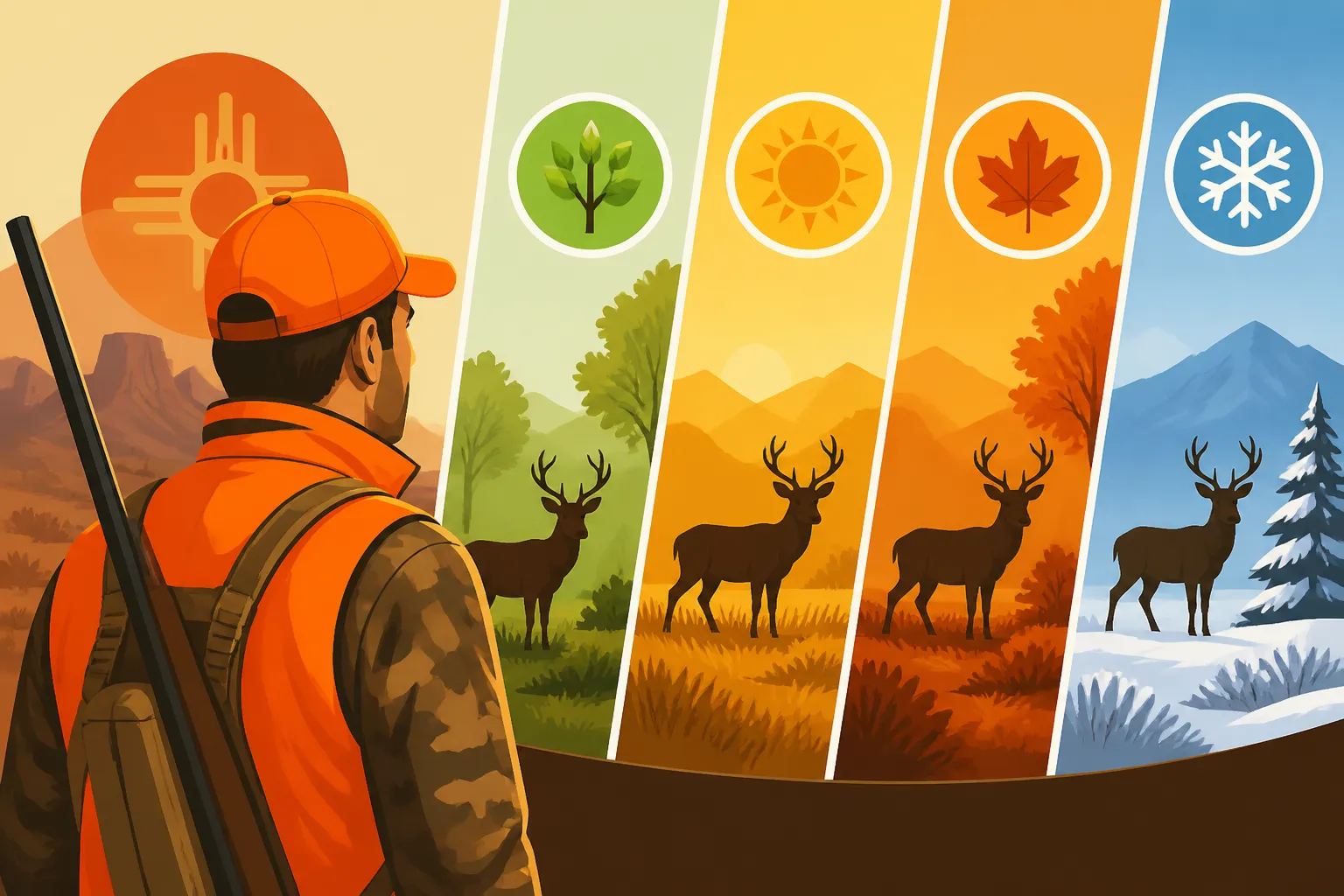
When you are participating in Hunting the Any Legal Weapon Deer Windows or pursuing elk during a firearm season, New Mexico law mandates that all hunters wear a minimum amount of fluorescent orange. Specifically, hunters must wear at least 244 square inches of daylight fluorescent orange material on their outer garments. This requirement is typically satisfied by wearing a standard hunter orange safety vest along with a solid fluorescent orange hat or cap.
The same strict standards apply when stepping out during Muzzleloader Deer Windows Across New Mexico Units. Even if you are hunting remote wilderness canyons where you do not expect to see another soul, the 244-square-inch rule remains mandatory. Conservation officers frequently patrol access points, forest service roads, and ridge lines during these centerfire and muzzleloader seasons. When planning your hunts using mapping platforms like GoHunt to scout access roads, always account for high-visibility requirements right from the trailhead.
Note: Ensure your 244 square inches of blaze orange is visible from 360 degrees. Covering your orange vest with a backpack means you need an orange pack cover or additional orange on your pack.
Archery Hunters and High-Visibility Rules: Mandatory vs. Recommended
One of the most frequent questions from bowhunters centers on Is Blaze Orange Required for Archery Hunting? In New Mexico, archery hunters participating in dedicated bow-only seasons are generally exempt from the mandatory fluorescent orange requirement. This exemption allows bowhunters to utilize full camouflage patterns to close the distance on sharp-eyed big game like bull elk or desert mule deer.
However, hunting during overlapping or transitional periods requires extra caution. If an archery hunt takes place in a unit or area where a firearm or muzzleloader hunt is occurring simultaneously, wearing a fluorescent orange cap or vest while moving through heavy cover is strongly encouraged by game wardens. Many experienced backcountry hunters keep a lightweight, packable orange cap in their kit to slip on while hauling meat or walking main trails during low-light hours.
Federal Land Exceptions: Military Ranges and Wildlife Refuges
While general state land and National Forest acreage follow the baseline 244-square-inch rule for firearm hunters, military reservations and specific federal refuges enforce their own mandatory safety protocols. If you are fortunate enough to draw an exotic tag or big game hunt on military property, you must pay strict attention to local base installation rules.
For example, hunters Getting Onto White Sands Missile Range must follow military base safety briefings, which frequently require mandatory blaze orange regardless of the weapon type or specific draw dates. On these installations, range safety officers and military police enforce high-visibility rules strictly. Check your specific hunt unit guidelines on GoHunt before heading to the check station to ensure your outer garments meet both state and base commander mandates.
| Season / Hunt Type | Required Outer Garment | Minimum Area Requirement | Mandatory Exceptions & Notes |
|---|---|---|---|
| Any Legal Weapon (Rifle) | Blaze Orange Vest & Hat | 244 square inches | Required on all public and private lands |
| Muzzleloader Seasons | Blaze Orange Vest & Hat | 244 square inches | Mandatory across all NM Game Management Units |
| Dedicated Archery Seasons | None (Camouflage permitted) | 0 square inches | Strongly recommended when packing out game |
| Military Ranges (e.g., WSMR) | Orange Vest & Hat | Base-Specific (Typically 100%) | Mandatory regardless of weapon in many cases |
| Youth / Mentored Hunts | Orange Vest & Hat (Firearm) | 244 square inches | Mentors must also comply with hunter orange rules |
Choosing the Right High-Visibility Gear for Mountain and Desert Terrain
Navigating New Mexico’s drastic elevation shifts—from 4,000-foot desert scrub to 10,000-foot alpine peaks—demands gear that handles both climate shifts and legal safety requirements. Wearing a cheap, non-breathable orange vest over technical insulation layers can lead to overheating during steep climbs, while inadequate orange caps can be obscured by heavy gear packs.
Vests, Hats, and Outerwear Options for Temperature Swings
Early autumn in the Southwest brings massive temperature fluctuations. You might start a morning glassing session in freezing temperatures and find yourself shedding layers under blistering afternoon sun by midday. Proper Layering for Gila Temperature Swings requires high-visibility gear that integrates seamlessly with your technical clothing stack.
Instead of heavy, insulated orange jackets that force you to overheat during strenuous hikes, opt for lightweight, breathable mesh blaze orange vests. A quiet, ventilated mesh vest can easily be pulled over an ultralight windshirt, a heavy fleece, or a puffy insulation jacket without constricting movement or trapping sweat. Ensure your safety hat features a structured brim and bright, unfaded fluorescent fabric that remains visible from a distance even in direct desert glare.
Camo-Patterned Orange and State Compliance
Modern hunting apparel offers various camouflage patterns mixed with fluorescent orange hues. While these visual breaks help obscure human outlines to big game animals, hunters must exercise caution regarding state legality. In New Mexico, garments that blend blaze orange with camouflage patterns are permitted only if the total area of continuous fluorescent orange meets or exceeds the required 244 square inches.
If a camo-orange vest uses dark timber or brush patterns that cover half the surface area, the remaining orange material might fall below the legal minimum. To avoid a citation during a field inspection, many hunters choose a solid, unpatterned fluorescent orange vest worn over their favorite camo layers. This guarantees 100 percent compliance while keeping your core temperature regulated.
Packing High-Vis Gear for E-Scouting and Backcountry Trips
When preparing for remote trips, planning your gear ahead of time is just as vital as mapping your water sources and access routes. When spent E-Scouting a New Mexico Unit Before the Season, you should identify glassing knobs, dense dark timber benches, and high-traffic road crossings where extra visibility keeps you safe from other hunting parties.
Backcountry hunters who pack into wilderness basins must ensure their orange gear remains visible when carrying a heavy load. A large internal-frame pack can completely cover the back of a safety vest. To remain fully visible to other glassing hunters across a canyon, attach an orange rain cover or weave a bright fluorescent panel across the back of your pack frame.
Gear Tip: Always pack a spare, ultralight blaze orange beanie in your lid pocket. If wind knocks your primary cap off down a brushy canyon, you still have a legal backup ready to wear.
Practical Safety and Visibility Rules for Different Big Game Species
Safety requirements are directly tied to species, terrain density, and hunter concentration. Staying safe in thick timber requires a different approach than staying visible across wide-open sagebrush flats.
Elk and Deer Seasons in Heavy Timber
Hunting bull elk or mule deer in dense ponderosa forests or oak brush canyons presents unique visibility challenges. In dense canopy, dark clothing blends into shadows, making human movement hard to distinguish for other hunters scanning the timber. Wearing an uncompromised blaze orange cap ensures your head is clearly identifiable when peering over deadfalls or moving through brush.
Reviewing state regulations and understanding Legal Shooting Hours and Blaze Orange in New Mexico is crucial when hunting thick timber during dawn and dusk transitions. During low-light hours, fluorescent orange captures ambient light much better than standard fabric, allowing other hunters to identify your presence long before making a shot decision.
White Sands, Military Grounds, and Special Draw Hunts
Special draw hunts across southern New Mexico often bring unique safety rules due to overlapping land use and military installations. On these hunts, high-visibility requirements are non-negotiable for both hunters and non-hunting companions.
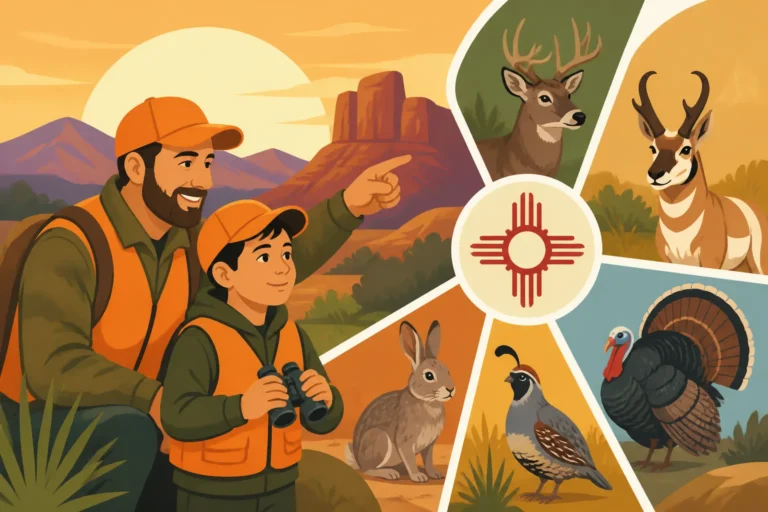
When embarking on specialized hunts, mentor compliance is equally important. Under rules where New Mexico Mentored Youth Can Hunt Two Years Before Certifying, adult mentors accompanying young hunters during firearm or muzzleloader seasons must adhere to the exact same blaze orange mandates as the youth hunter. Ensuring both you and your youth partner wear bright, compliant outer garments builds proper habits and keeps everyone safe during chaotic moments in the field.
To keep your hunt running smoothly, verify your unit details and access requirements on GoHunt, pack high-quality mesh orange outer layers, and always double-check gear compliance before stepping away from camp. By combining smart visibility strategies with thorough field preparation, you can enjoy New Mexico’s world-class big game hunting with complete peace of mind.
Disclaimer
This article is for general informational purposes only and does not constitute professional advice. Laws, prices and regulations vary by location and change over time. Consult a qualified professional for guidance on your specific situation.