How Chronic Wasting Disease Testing Works
One of the most concerning and, frankly, unnerving issues for New Mexico hunters today is Chronic Wasting Disease, or CWD. It’s a silent threat that can impact our deer and elk herds, and for those of us who spend countless hours in the field, the thought of harvesting an animal with CWD is a real worry. This guide is here to demystify CWD testing in New Mexico, walking you through what it is, why it matters, and how you can participate in safeguarding our precious wildlife.
Understanding Chronic Wasting Disease (CWD) in New Mexico
Let’s be honest, hearing about a neurological disease affecting wildlife can sound pretty scary. It’s natural to feel a bit overwhelmed or even frustrated by another thing to worry about when you’re already focused on drawing a tag, scouting, and executing a hunt. But understanding CWD is the first step in being a responsible hunter and helping protect our game populations.
What is CWD and Why is it a Concern for Hunters?
Chronic Wasting Disease is a fatal, neurological disease that affects cervids – that’s deer, elk, and moose. It’s caused by abnormal proteins called prions that slowly accumulate in the brain and other tissues of infected animals. Think of it as a very slow, degenerative process that ultimately leads to death. What makes it particularly insidious is that an animal can be infected for a long time, sometimes years, before showing any noticeable symptoms. This means an animal might look perfectly healthy to the naked eye but still be carrying the disease.
For hunters, this is a huge concern for several reasons. First, there’s the ethical consideration. No one wants to harvest a sick animal, especially if it's suffering. Second, CWD can significantly impact herd health and population numbers over time. If the disease becomes widespread in a unit, it could lead to fewer tags, reduced hunting opportunities, and a decline in the quality of the hunting experience we all cherish. Third, and perhaps most importantly for many, is the question of human health. While there's currently no scientific evidence that CWD can be transmitted to humans, health organizations still advise against consuming meat from CWD-positive animals, making testing a critical step for peace of mind and safety.
How CWD Spreads Among Wildlife
CWD isn't like a typical virus or bacteria; it spreads through those persistent prions. Infected animals shed these prions through their bodily fluids – saliva, urine, and feces. These prions are incredibly hardy and can persist in the environment, like in soil or on plants, for years. This means an uninfected animal can pick up the disease from the environment where an infected animal once lived or frequented. It's a bit like a persistent ghost, always lingering.
The disease also spreads through direct contact between animals, especially in areas where cervids congregate, such as at mineral licks, water sources, or feeding sites (though baiting for big game is illegal in New Mexico, which helps in this regard). Carcass disposal practices can also play a role; if an infected carcass is left in the field, scavengers can move infected material, and the prions can leach into the soil. This is why proper carcass handling, which we'll discuss later, is so vital for preventing further spread and protecting the very land we love to hunt. Understanding these transmission routes helps us, as hunters, appreciate the importance of monitoring and mitigation efforts.
The Process of CWD Testing in New Mexico
Okay, so you understand what CWD is and why it's a big deal. Now, let's talk about the practical side: how CWD testing actually works here in New Mexico. The New Mexico Department of Game and Fish (NMDGF) has a clear process, and as hunters, our participation is key to their surveillance efforts.
When and Why Animals Are Tested
CWD testing isn't just a random act; it’s a strategic effort by the NMDGF to monitor the disease across the state. Animals are tested for a few main reasons. First, there's the surveillance aspect. NMDGF wants to know where CWD exists, its prevalence, and if it's spreading to new areas. This often involves targeted testing in certain game management units, especially those where CWD has been detected before or units bordering states with known CWD presence.
Second, testing is performed on animals exhibiting clinical signs of CWD. These might be animals found dead or observed by the public or department personnel acting strangely—emaciation, drooling, unusual behavior, or lack of fear of humans. If you ever come across an animal showing these symptoms, it's crucial to report it to the NMDGF immediately.
Third, and where hunters come in most directly, is voluntary testing of harvested animals. Many hunters choose to have their deer or elk tested for peace of mind, especially if they plan to consume the meat or if they're hunting in an area with a known CWD history. While it might feel like an extra step after a successful hunt, it's a small price to pay for certainty and contributes valuable data to the state's management efforts.
Collecting Samples for CWD Testing
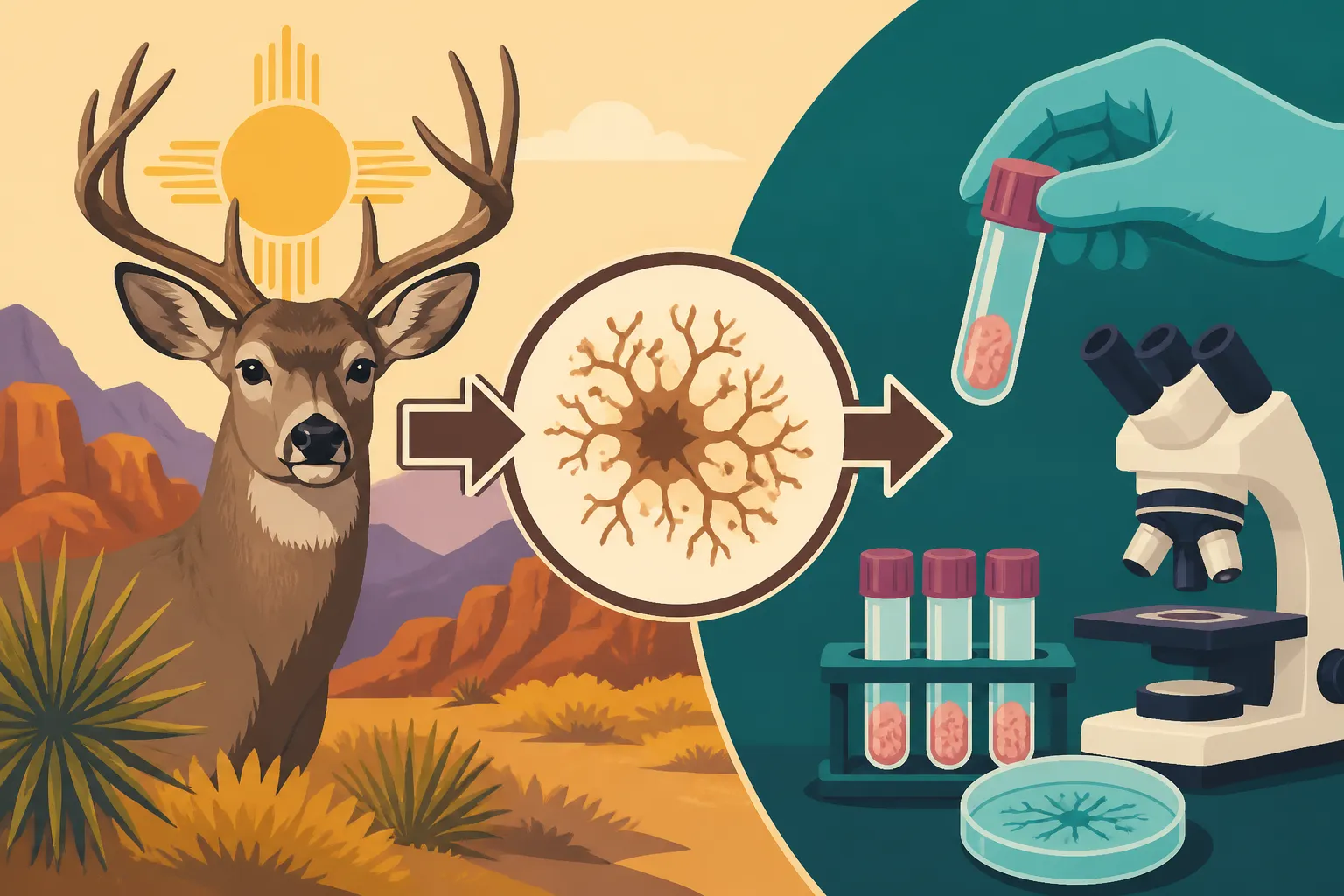
This is often the part that gives hunters a bit of pause, but it's not as daunting as it might seem. The NMDGF needs specific tissue samples to test for CWD. The primary samples are the obex (part of the brainstem) and retropharyngeal lymph nodes. These are the tissues where CWD prions are most reliably detected.
For hunters who want to submit a sample, you have a couple of options. You can learn to collect the samples yourself in the field, or you can take your harvested animal to an NMDGF designated sampling station or a participating meat processor. If you're going the DIY route, you'll want to review the NMDGF's instructions, which typically include diagrams and step-by-step guidance. It's vital to be as clean as possible during collection, using separate knives and gloves for the head and spinal column areas to avoid cross-contamination. Many experienced hunters find that by having a clean, sharp knife and knowing exactly where to make the cuts, they can quickly and efficiently collect the necessary samples. Remember to keep the samples cool, ideally on ice, until they can be submitted. This helps preserve the tissue integrity for accurate testing.
Submitting Samples to the New Mexico Department of Game and Fish (NMDGF)
Once you have your samples, the next step is submission. The NMDGF makes this as straightforward as possible, recognizing that hunters are busy and often coming in from remote areas. You'll typically need to fill out a submission form that includes your contact information, the hunt date and unit, and details about the animal (species, sex).
There are designated Where New Mexico CWD Sampling Stations Are across the state. These might be NMDGF offices, specific drop-off locations, or even certain meat processors that partner with the department. It's a good idea to check the NMDGF website or Reading the New Mexico Rules and Info Booklet for the most current list of locations and their operating hours, especially closer to your hunt date. Some locations might only be open during specific hours or days, so planning ahead can save you a frustrating trip. While the NMDGF works to offer these services, there can sometimes be a nominal fee associated with CWD testing, particularly if it's a voluntary submission. This fee helps cover the laboratory costs. Make sure your samples are clearly labeled with the required information to ensure proper tracking and accurate results.
Interpreting CWD Test Results and Their Implications
After the initial steps of harvesting, sampling, and submitting, the waiting game begins. It can feel like an eternity, especially when you're wondering about the safety of your hard-earned venison or elk meat. Understanding what happens next and the implications of the results is crucial for every responsible hunter.
What Happens After Sample Submission
Once your samples are submitted to the NMDGF, they are carefully logged and then sent to a certified laboratory for analysis. The labs use specialized tests, typically immunohistochemistry (IHC), to detect the presence of those pesky CWD prions. This isn't an instant process; these tests require precision and time.
The turnaround time for results can vary significantly depending on the volume of samples the lab is processing, which often peaks after major hunting seasons. You might hear back in a few weeks, or it could take longer during busy periods. The NMDGF will usually notify you of the results by mail, email, or sometimes via an online portal where you can check the status of your submission using a unique tracking number. It's always a good idea to make sure the contact information you provide on your submission form is accurate and legible. While you're waiting, you can always refer to resources like Where New Mexico Publishes Harvest Data for broader trends, but your specific results will come directly to you.
Dealing with a Positive CWD Result
Receiving a positive CWD test result for your harvested animal can be incredibly disheartening. All that effort, the excitement of the hunt, and then this news. It’s important to remember that this isn't a reflection of your hunting skill or judgment; CWD is a complex disease.
If your animal tests positive, the NMDGF will provide specific guidance. Generally, the strong recommendation is not to consume the meat. While, as mentioned, there’s no scientific evidence of CWD transmission to humans, the Centers for Disease Control and Prevention (CDC) and other public health agencies advise caution. The NMDGF will also likely recommend specific disposal methods for the carcass to prevent further environmental contamination. This might involve double-bagging and sending it to a landfill, or specific burial instructions. It's a tough pill to swallow, especially given The Meat Salvage Requirements for Big Game we usually adhere to, but it's a critical step in containing the disease. If you've already processed some of the meat, it's generally advised to dispose of it appropriately. Some hunters might consider options like Donating Game Meat After a Hunt in other circumstances, but for CWD-positive animals, consumption is strongly discouraged.
How New Mexico Uses CWD Surveillance Data
The data collected from CWD testing, both voluntary and surveillance-based, is incredibly valuable to the NMDGF. It's not just about individual animals; it's about understanding the big picture of CWD across New Mexico. This information helps biologists and wildlife managers make informed decisions on how to manage our deer and elk populations.
For instance, if CWD prevalence rises in a specific unit, the department might consider implementing special New Mexico Population Management Hunts to reduce population density and slow the spread. They might also adjust tag allocations or focus additional testing efforts in adjacent units. The data helps them identify hot spots, track the movement of the disease, and develop long-term strategies to minimize its impact. This collective effort, powered by hunter participation, is how we continue to conserve our wildlife and hunting heritage for future generations. Resources like GoHunt often compile and analyze this publicly available data, giving hunters valuable insights when planning their next application strategy.
Best Practices for Hunters to Mitigate CWD Risk
As hunters, we're not just consumers of wildlife resources; we're stewards. Taking proactive steps to mitigate the risk of CWD spread is a vital part of responsible hunting in New Mexico. It's about protecting the herds we love to pursue and ensuring the longevity of our hunting traditions.
Field Dressing and Carcass Transport Rules
Proper field dressing and carcass transport are critical steps in reducing the potential spread of CWD. When you're out in the field, fresh off a successful harvest, it’s easy to get caught up in the excitement. But taking a few extra precautions during field dressing can make a big difference.
First, wear gloves when handling any internal organs, especially brain and spinal tissues. If you're planning to submit samples for CWD testing, ensure those tools are clean and used only for that purpose. Second, consider where you field dress your animal. Try to do it away from trails, water sources, or areas where other deer and elk frequently gather. Leaving high-risk materials (brain, spinal cord, spleen, lymph nodes) in the field where the animal was harvested is generally preferred, as it limits the spread of prions to new areas.
When transporting your carcass, be mindful of New Mexico's specific Carcass Transport Rules After a CWD Detection. These rules are in place to prevent the movement of high-risk parts across unit boundaries, especially from CWD-positive areas. Generally, the brain and spinal column are considered high-risk, and many regulations restrict moving these parts long distances. Often, you'll be required to bone out the meat and leave the skull and spinal column in the unit of harvest, or take it directly to a certified processor. Always check the current regulations before your hunt to ensure you're compliant, especially if you're hunting in a known CWD area. Don't forget, you also need to adhere to Evidence of Sex Requirements on a Carcass, so be sure to leave natural evidence attached as required.
Safe Handling of Harvested Animals
Beyond field dressing, general safe handling practices are crucial. If you're processing the meat yourself, always use separate knives and cutting surfaces for game meat than you would for domestic meats. This prevents cross-contamination and maintains good hygiene. After processing, thoroughly clean and sanitize all tools and surfaces.
If you suspect an animal might be CWD-positive (perhaps you noted unusual behavior before the shot, or you're simply being cautious), treat it with extra care. Avoid contact with the brain, spinal cord, and lymph nodes as much as possible, even when boning out the meat. While the science still suggests a low risk of human transmission, taking these common-sense precautions is just smart. Remember, even if you feel confident in your field dressing skills, taking your animal to a reputable meat processor can also ensure professional handling and reduce your personal risk. They are often well-versed in CWD sampling requirements and practices.
Supporting CWD Management Efforts
The fight against CWD isn't solely on the shoulders of the NMDGF; it's a team effort, and hunters are invaluable members of that team. Your participation in testing, even if voluntary, provides critical data that informs management decisions. Every sample submitted, positive or negative, helps create a clearer picture of the disease landscape in our state.
Beyond testing, staying informed is key. Regularly review the Where the Current New Mexico Regulations Are Posted to keep up with any changes in CWD management, specific unit advisories, or testing requirements. Tools like GoHunt can also be fantastic resources for news and data. If you harvest an animal, fulfill your Mandatory Reporting After a New Mexico Harvest requirements, and consider submitting a CWD sample. If you see an animal exhibiting signs of CWD in the field, report it to the NMDGF. These actions, combined with ethical hunting practices, are how we ensure the health of our herds and the future of hunting in New Mexico. Understanding How Biologists Count a Desert Big Game Herd and how Why Fawn Ratios Predict Next Season relates to overall herd health also gives context to why CWD monitoring is so important for the long-term vitality of these animals.
CWD Testing Steps for Hunters
| Step | Description | Key Considerations |
|---|---|---|
| 1. Harvest & Initial Assessment | Securely harvest your deer or elk. Observe the animal for any signs of illness or unusual behavior. | If animal appears sick, report to NMDGF. Decide if you will voluntarily test. |
| 2. Field Dressing | Dress the animal, being mindful of high-risk tissues (brain, spinal cord, lymph nodes). Wear gloves. | Consider leaving high-risk parts at the harvest site. Avoid spreading fluids. |
| 3. Sample Collection | Carefully remove retropharyngeal lymph nodes and/or obex (brainstem) according to NMDGF instructions. | Use clean tools. Keep samples cool (on ice) until submission. Refer to NMDGF guides. |
| 4. Carcass Transport | Adhere to NMDGF Carcass Transport Rules After a CWD Detection, especially in CWD-positive units. | Bone out meat if required. Keep skull plate with antlers for evidence of sex. |
| 5. Sample Submission | Complete the NMDGF CWD submission form. Take samples to a designated NMDGF sampling station or processor. | Check current station locations and hours. Expect a nominal fee for voluntary testing. |
| 6. Awaiting Results | Wait for notification from NMDGF, which can take several weeks. | Plan for potential delays, especially after peak hunting seasons. |
| 7. Result Interpretation | Understand the implications of a positive or negative result. | If positive, do not consume meat; follow NMDGF disposal guidelines. |
Disclaimer
This article is for general informational purposes only and does not constitute professional advice. Laws, prices and regulations vary by location and change over time. Consult a qualified professional for guidance on your specific situation.