Where New Mexico CWD Sampling Stations Are
Finding where to take your harvested big game for Chronic Wasting Disease (CWD) sampling can feel like a last-minute scramble after a successful hunt, especially when you're tired and eager to get home. It’s a vital part of responsible hunting and game management, but locating those elusive sampling stations isn't always straightforward. This guide will walk you through the various types of CWD sampling stations available in New Mexico, explain how to find them, and help you understand your role in keeping our herds healthy.
Understanding CWD and Why Sampling Matters for New Mexico's Herds
Let's face it, nobody wants to think about disease when they're celebrating a successful hunt, but Chronic Wasting Disease (CWD) is a very real concern for New Mexico's deer, elk, and moose populations. It's a progressive, fatal neurological disease affecting cervids, and while it's still relatively rare in many areas, the long-term health of our wildlife depends on vigilant monitoring. As hunters, we're on the front lines, and our participation in sampling is absolutely crucial for tracking the spread and prevalence of this disease.
What is Chronic Wasting Disease?
CWD is caused by abnormal proteins called prions, which slowly accumulate in the brain and other tissues of infected animals. These prions cause spongy degeneration of the brain, leading to characteristic symptoms like drastic weight loss, stumbling, listlessness, and behavioral changes. The disease is always fatal, and there is currently no vaccine or cure. It's not a bacterial or viral infection, meaning it doesn't respond to antibiotics or antiviral drugs, making management particularly challenging. How Chronic Wasting Disease Testing Works details the science behind detecting it.
The unique nature of prions means they can persist in the environment for extended periods, making contaminated soil or vegetation a potential source of infection for healthy animals. This is why managing CWD is so complex and requires a multi-faceted approach, with hunters playing a crucial role through sampling.
The Hunter's Role in Monitoring CWD
You might wonder why you need to participate in CWD sampling. Simply put, hunters are often the first to harvest animals that might be carrying the disease, especially in areas where symptoms aren't yet obvious. Every sample submitted provides valuable data points that help the New Mexico Department of Game and Fish (NMDGF) map the disease's distribution, understand its prevalence, and inform management strategies. Without your help, biologists would have a much harder time gathering the necessary information to protect our deer and elk.
Think of it as contributing to the larger health of the ecosystem you cherish. By taking a few extra minutes to submit a sample, you're directly investing in the future of New Mexico hunting. This vigilance is especially important given the potential for CWD to impact population management and even future hunting opportunities. It’s a collective effort, and every hunter's contribution truly makes a difference.
Navigating Primary CWD Sampling Stations in New Mexico
When it comes to getting your CWD sample submitted, the most common and often easiest route is through the primary sampling stations. These are typically staffed by NMDGF personnel or authorized volunteers and are set up to handle multiple samples efficiently. Knowing where these are and how they operate can save you a lot of hassle after a long day afield.
Regional NMDGF Offices and Check Stations
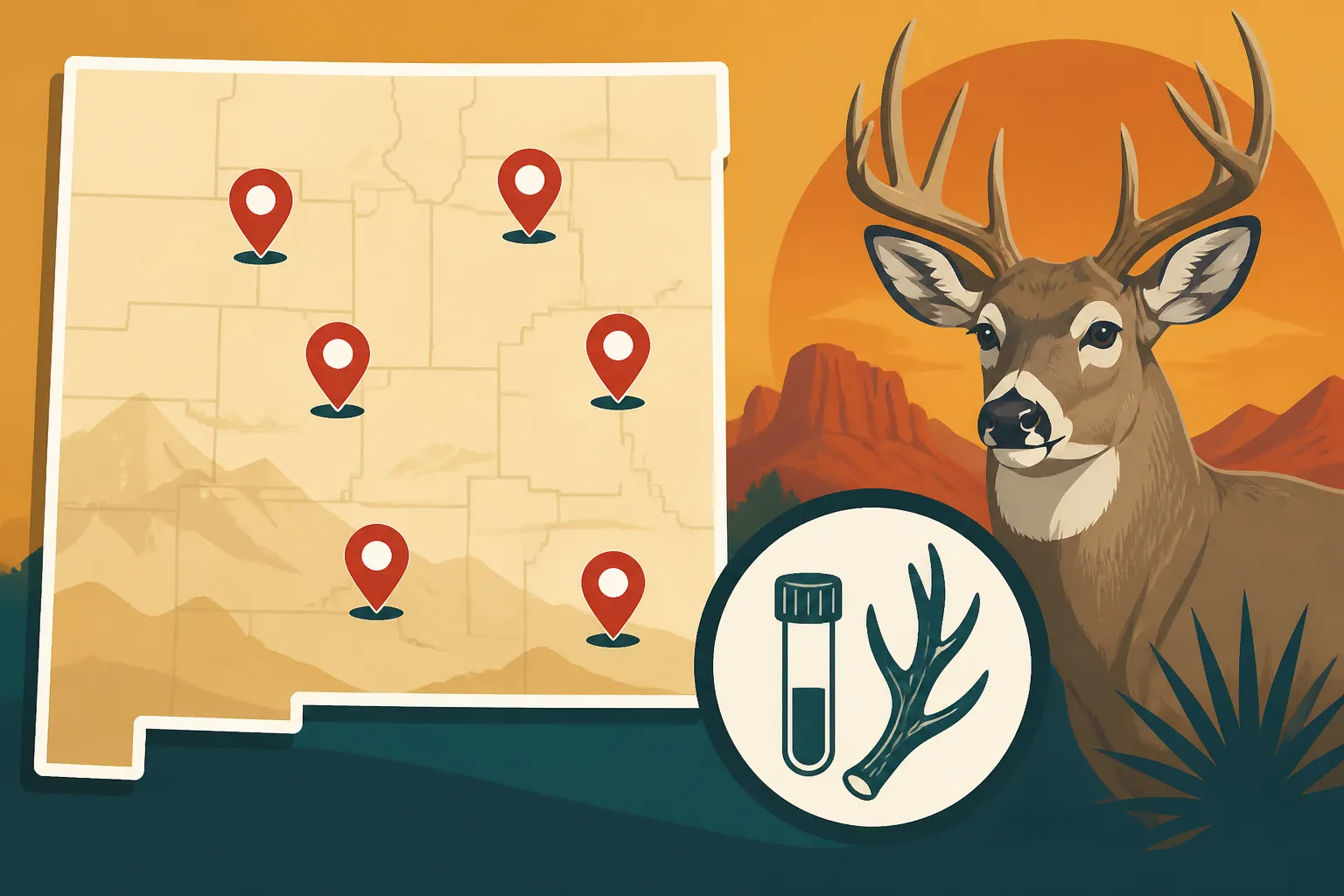
The New Mexico Department of Game and Fish maintains regional offices across the state, and many of these offices serve as year-round or regular CWD sampling stations. These are your most reliable options, especially outside of peak hunting seasons. You'll usually find staff there who can assist with collecting the necessary lymph node tissue or simply receive your pre-collected sample. It's always a good idea to call ahead to your nearest regional office to confirm their CWD sampling hours and requirements before you make the drive. Offices in cities like Albuquerque, Santa Fe, Las Cruces, Roswell, Raton, and Silver City often have these capabilities.
During major hunting seasons, particularly for elk and deer, the NMDGF might also set up temporary check stations in high-harvest areas or along main travel routes. These are invaluable for hunters who might not be passing directly by a regional office. Keep an eye out for signs or official announcements from NMDGF regarding these temporary stations. They're designed for convenience, allowing you to stop, get your animal sampled, and be on your way without a significant detour. These stations are particularly important for ensuring proper Carcass Transport Rules After a CWD Detection are followed, as they help identify infected areas.
What to Expect at a Sampling Station
When you arrive at a sampling station, whether it's a regional office or a temporary check station, be prepared with your harvested animal (or the head and upper neck portion), your valid hunting license, and the tag properly affixed. Staff will typically ask you for your hunt code and unit information, so have that handy. They'll then explain the process, which usually involves taking a lymph node sample from the animal's neck. This is a quick procedure performed by trained staff, and they'll ensure the sample is correctly labeled and prepared for submission to the lab.
It’s a straightforward process, and the staff are there to help make it as easy as possible for you. Don't hesitate to ask questions if you have them. Remember, they're grateful for your cooperation in this critical wildlife health initiative. Taking a few minutes at a station is a small price to pay for the future of our game.
Finding Temporary and Seasonal Sampling Opportunities
While regional offices offer consistent access, many hunters find themselves miles from these hubs, especially when hunting in more remote units. That's where temporary and seasonal sampling opportunities become invaluable. These pop up to meet demand during peak seasons and are often located strategically to serve hunters coming out of popular areas.
Pop-Up Stations During Peak Hunting Seasons
The NMDGF understands that convenience is key to maximizing hunter participation. Consequently, they often establish temporary CWD sampling stations during the busiest parts of elk and deer seasons. These can be found at popular trailheads, forest service work centers, small-town general stores, or even designated pull-offs along major highways leading out of prime hunting country. They are specifically placed to intercept hunters who might otherwise struggle to find a permanent facility.
These pop-up stations are usually manned by NMDGF staff or trained volunteers who can quickly take the necessary sample and gather your hunt data. The timing and location of these stations are typically announced closer to or during the hunting season itself, so staying informed is crucial. Think of them as roadside assistance for CWD sampling – there when you need them most, often on your way out of the backcountry. They truly simplify the process, especially when you're already focused on Getting Meat Cooled on an Early Season Hunt and dealing with other post-harvest logistics.
Utilizing Online Resources and Hunter Communities
So, how do you find these sometimes-fleeting temporary stations? The best first step is always the official New Mexico Department of Game and Fish website. They will publish a list of known sampling stations, including temporary ones, as seasons approach. This information is often updated regularly, so check back frequently.
Beyond the official channels, online hunting forums and social media groups dedicated to New Mexico hunting can be excellent resources. Local hunters are often quick to share information about where they've seen pop-up stations or heard about upcoming sampling events. Keep an eye on these community discussions, especially in the weeks leading up to and during your hunt.
Another powerful tool for planning your hunt and locating potential resources, including sampling stations, is using advanced mapping and scouting platforms. Services like GoHunt provide detailed mapping layers that can sometimes highlight known check station locations or areas where temporary stations frequently appear. While not always real-time for pop-ups, these platforms can help you visualize your route and identify logical places where the NMDGF might set up a station. Before you even head out, spending some time on GoHunt to scout your unit and mark potential sampling points can save you a ton of stress later. E-Scouting a New Mexico Unit Before the Season can include identifying these critical points.
Self-Sampling and Remote Submission Options
Sometimes, despite your best efforts, a staffed CWD sampling station just isn't an option. Maybe you're hunting a very remote unit, or you're on a tight schedule. In these situations, knowing how to self-sample and submit your harvest for CWD testing becomes incredibly important. The NMDGF does provide guidelines for hunters to collect their own samples, ensuring that even remote harvests can contribute to the state’s CWD monitoring efforts.
How to Self-Sample a Harvested Animal
Self-sampling involves carefully removing the lymph nodes from the jaw area of your harvested animal. This might sound intimidating, but with a bit of instruction, it's a manageable process. The NMDGF typically provides detailed instructions, often with diagrams or videos, on their website explaining exactly where to locate the retropharyngeal lymph nodes and how to safely extract them. It’s crucial to use clean tools and follow the instructions precisely to avoid contaminating the sample or getting an insufficient amount of tissue.
The key is to collect the right tissue—the lymph nodes—and not just muscle or fat. These nodes are where the CWD prions are most reliably detected in an infected animal. If you're unsure, it's best to watch a tutorial or practice on a non-game animal if possible, though always prioritize getting to a staffed station if you can. Being prepared with the knowledge and perhaps a small kit for self-sampling can make all the difference when you're far from town, especially if you're exploring Hunting New Mexico From 4,000 Feet to 10,000 feet and miles from a paved road.
Submitting Self-Collected Samples
Once you’ve collected your sample, the next step is submission. The NMDGF will provide specific instructions for packaging and labeling your self-collected samples. This often involves placing the sample in a sealed plastic bag, clearly labeling it with your name, contact information, species, hunt code, harvest date, and specific GPS coordinates (if possible) or a very accurate description of the harvest location. You'll then typically need to drop the sample off at a designated NMDGF regional office or mail it to a specific address for laboratory testing.
It’s critical to follow all packaging and mailing instructions to ensure the sample arrives intact and can be properly processed. Failure to do so could result in the sample being unusable, and all your effort going to waste. While a bit more involved than stopping at a staffed station, self-sampling and submission provide a vital pathway for hunters to contribute to disease management from any corner of the state.
Important Considerations for All Samples
No matter how or where you submit your sample, a few general rules always apply. First, always make sure your animal is legally harvested and properly tagged before any sampling occurs. This is paramount. Second, whether you're at a station or self-sampling, hygiene is important. While CWD isn't known to be transferable to humans through meat consumption, general good practice with field dressing and handling any animal remains crucial. Field Dressing in Desert Heat requires careful consideration of hygiene to prevent spoilage, and the same care applies to sample collection.
For specific unit information and rules, it’s always a good idea to check the official NMDGF rules and information booklet, which you can usually find digitally or at license vendors. This booklet is your ultimate guide to Where the Current New Mexico Regulations Are Posted. Tools like GoHunt can help you cross-reference unit boundaries with known CWD zones, aiding in your pre-hunt planning and ensuring you're aware of any specific requirements for your chosen hunting area.
| Sampling Method | Convenience | Location | Key Action for Hunter |
|---|---|---|---|
| Regional NMDGF Offices | High, but requires travel to office | Major cities/towns | Call ahead for hours; bring head/neck |
| Temporary Check Stations | High, strategically placed | Along main routes, exit points during season | Look for official announcements; bring head/neck |
| Self-Sampling | Flexible, for remote areas | Anywhere you harvest | Follow NMDGF instructions precisely; mail/drop off |
Remember, every sample counts. Your participation helps biologists track the disease and ultimately protects New Mexico's cherished wildlife for future generations of hunters.
Disclaimer
This article is for general informational purposes only and does not constitute professional advice. Laws, prices and regulations vary by location and change over time. Consult a qualified professional for guidance on your specific situation.