Donating Game Meat After a Hunt
The moment you get an animal down, especially if it's a big one like an elk or a couple of deer, the immediate thought is often about the sheer amount of meat you're suddenly responsible for. It's a fantastic problem to have, truly, but it can also feel a little overwhelming when you consider freezer space, processing time, and feeding your family. This guide is all about navigating the process of donating some of that hard-earned game meat in New Mexico, ensuring it goes to good use and helps feed those in need, all while staying within the legal and ethical boundaries.
Why Game Meat Donation is a Win-Win for Hunters and Community
Let's be honest, sometimes you have an incredibly successful season, or maybe you're just not a huge venison fan yourself, or perhaps your freezer is already bursting at the seams. Whatever the reason, the idea of having extra game meat can lead to some head-scratching. But here's the beautiful truth: donating game meat is a powerful way to give back, a truly impactful gesture that aligns perfectly with the hunter's ethic of conservation and responsible use of resources. It addresses a real need in our communities while honoring the animal you harvested.
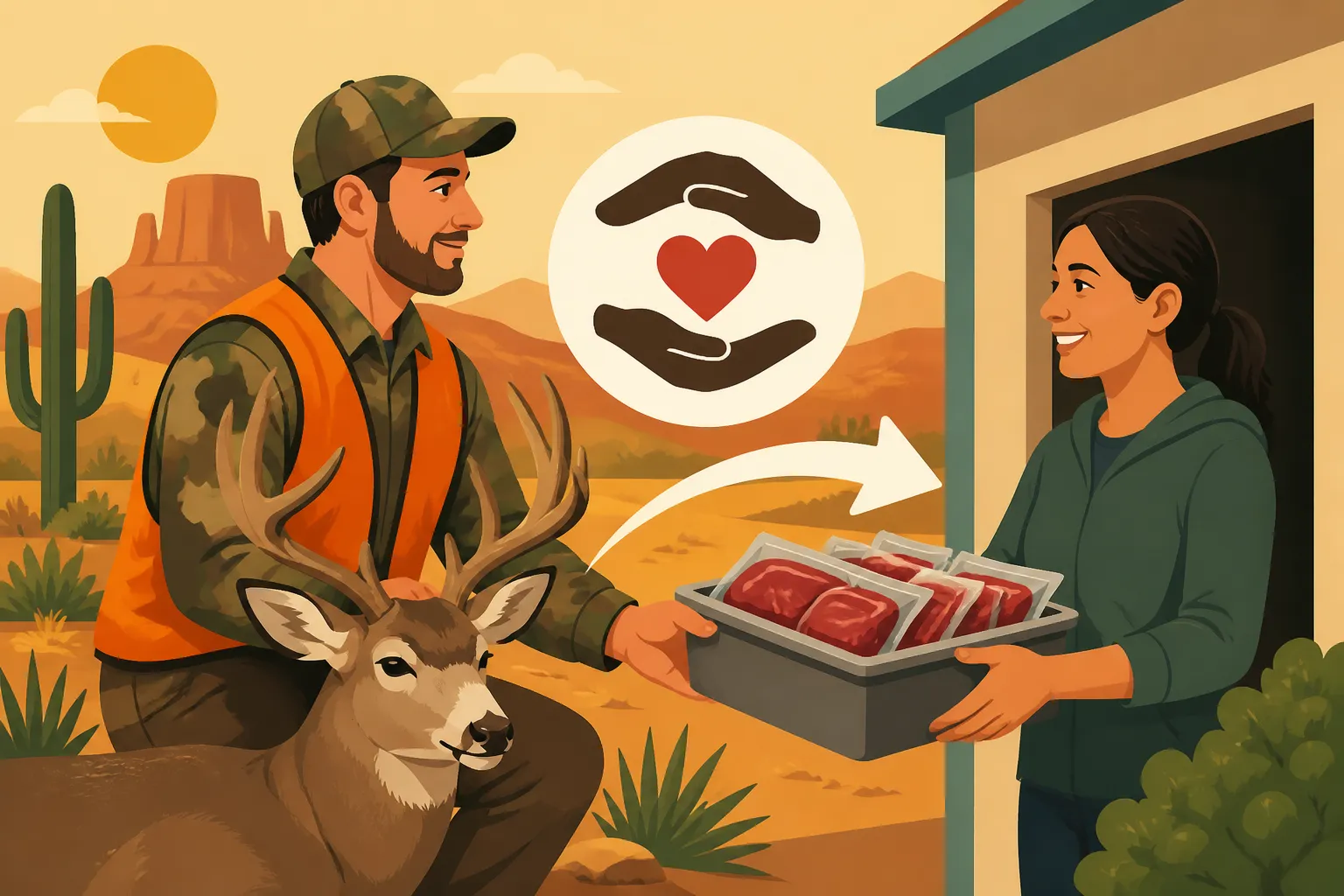
Think about it this way: there are countless families across New Mexico who struggle with food insecurity. High-quality protein, like venison or elk, is often a luxury they simply can't afford. When you donate game meat, you're not just clearing out your freezer; you're providing nutritious, lean, and often organic food that might otherwise be out of reach. It's a direct way to support your neighbors and strengthen the bond between hunters and the broader public. We often talk about how hunting funds conservation, but this is a tangible, direct way that hunters contribute to human well-being. It helps to tell a positive story about hunters as providers, not just consumers, of wildlife. It's a way to demonstrate the generosity inherent in our tradition, and really, it feels good knowing that your harvest is making a difference far beyond your dinner table.
Understanding New Mexico's Game Meat Donation Programs
New Mexico has established programs and guidelines to facilitate game meat donations, ensuring everything is handled safely and legally. The New Mexico Department of Game and Fish (NMDGF) works with organizations that connect hunters with those in need. It’s not just about dropping off a package of burger; there’s a system in place to make sure the meat is processed correctly and distributed through proper channels.
One of the primary ways this works is through registered meat processors who partner with charitable organizations. These processors understand the specific requirements for handling wild game and can ensure the meat is inspected and packaged to meet food safety standards before it reaches food banks or other hunger-relief programs. You can't just hand over a deer quarter to your local church kitchen; it needs to go through the proper channels.
It's crucial to be aware of the "The Meat Salvage Requirements for Big Game" in New Mexico. This regulation emphasizes that all edible portions of game animals must be retrieved and taken for human consumption, preventing waste. Donation is a fantastic way to fulfill this ethical and legal obligation, especially with larger animals like elk or oryx, where managing all the meat yourself can be a daunting task. When you're scouting with tools like GoHunt to understand unit boundaries and public land access, remember that part of that preparation also includes planning for the harvest, and what to do with the meat afterward.
Key Programs and Partners in New Mexico
While there isn't one single overarching "Game Meat Donation Program" name in New Mexico like some states might have, the framework exists through partnerships. The most common route is through processors who then work with local food banks or chapters of national hunger relief organizations.
- Roadrunner Food Bank: This is New Mexico's largest food bank, serving all 33 counties. While they typically don't accept direct raw game meat donations from individual hunters, they do accept processed, commercially packaged wild game meat from approved processors. This means your first step is often with a processor.
- Local Food Pantries and Shelters: Smaller, community-based food pantries and homeless shelters sometimes have arrangements with local processors. It's always worth checking with your local organizations to see if they participate in such initiatives.
- Hunters for the Hungry (H4H): While New Mexico doesn't currently have an active, state-run Hunters for the Hungry chapter that accepts wild game donations, this is a model that exists in many other states. If you're a passionate advocate, looking into starting or supporting such an initiative in New Mexico could be a great long-term goal for hunters wanting to expand these opportunities.
The key takeaway here is that while the NMDGF facilitates the regulatory environment, the actual infrastructure for processing and distribution often relies on private businesses and non-profit organizations. It's a testament to how different sectors can come together for a common good.
Finding a Certified Processor and Charity for Your Donation
Okay, so you've got an animal down, perhaps a mule deer from the northern mountains or a pronghorn from the eastern plains, and you're thinking about donating. Where do you even start looking for a processor that participates in donation efforts? It can feel like a maze, especially if you're not intimately familiar with local businesses.
Your first point of contact should always be the NMDGF. While they might not provide an exhaustive list of every single participating processor, they can often point you in the right direction or refer you to organizations that coordinate these efforts. A quick call to their main office or regional offices can save you a lot of legwork. Additionally, many NMDGF employees are hunters themselves and are often aware of local initiatives.
When contacting processors, you'll want to ask a few specific questions:
- Do they accept wild game donations? Not all processors do, as it requires specific handling protocols.
- Do they have a partnership with a local food bank or charitable organization? This is crucial, as the meat needs a destination.
- Are there any specific processing fees for donated meat? Sometimes the hunter covers a portion of the processing fee, or the charity might have funds to cover it. Be prepared for this.
- What are their intake procedures and hours? You want to ensure your meat arrives in good condition.
For hunters who frequently consult resources like GoHunt for detailed hunt unit information and draw odds, remember to use similar diligence when researching processors. Look for online reviews, ask for recommendations in local hunting forums, and prioritize processors known for cleanliness and good ethical practices.
Local Examples and What to Expect
Let's imagine you've successfully harvested an elk in the Gila National Forest. You've taken care of the "Field Dressing in Desert Heat" and have the meat cooling, but you know your family can't possibly consume all of it. In a town like Silver City, for instance, you might find a local butcher shop that has a standing arrangement with a community pantry. They would accept your field-dressed elk, process it into ground meat, roasts, and steaks, and then transfer the portion you designate for donation to the charity.
The cost structure for donated meat can vary. Sometimes the processor will deeply discount the service for donated portions, understanding the charitable aspect. Other times, the food bank might have a small fund to cover these costs. In some cases, the hunter is asked to cover the processing fees for the donated portion, which is a small price to pay to ensure the meat goes to those who truly need it. It’s a worthwhile investment in your community and a way to complete the circle of responsible harvest. Make sure to discuss these financial details upfront to avoid any surprises.
Remember, the goal is to make it as easy as possible for the charity to receive high-quality, safe protein. A good processor is key to this chain.
Preparing Your Harvest for Donation: From Field to Freezer
The integrity of donated game meat begins the moment the animal hits the ground. Improper field care can render even the finest animal unusable for donation, which is a tragic waste. This is where your skills as a hunter really come into play, extending beyond the shot.
First and foremost, rapid and thorough field dressing is paramount. Especially in New Mexico's often warm climate, prompt removal of the entrails helps the carcass cool down significantly. This is critical for preventing bacterial growth and ensuring the meat remains fresh and safe. We've talked extensively about "Field Dressing in Desert Heat" and "Getting Meat Cooled on an Early Season Hunt" in other discussions, and those principles apply doubly when you intend to donate. Get the hide off quickly if possible, quarter the animal, and get those quarters into game bags and into a cooler with ice, or hung in a cool, shady, well-ventilated spot.
Once the animal is properly field-dressed and cooling, you'll also need to ensure all legal requirements are met. This includes proper tagging of your animal as soon as it's down. "How Soon You Must Tag a Downed Animal" is a strict regulation in New Mexico, and compliance is non-negotiable. Additionally, be prepared for "Mandatory Reporting After a New Mexico Harvest" for certain species. All of these steps are part of the legal framework that ensures ethical and regulated hunting.
Essential Steps for Optimal Meat Quality
To make your game meat donation a success, follow these steps meticulously:
- Immediate Field Dressing: As soon as the animal is safely retrieved, gut it. Remove all internal organs. If you're hunting larger animals, consider quartering in the field to facilitate cooling and transport.
- Cleanliness is Key: Avoid contaminating the meat with dirt, leaves, or animal waste. Use clean gloves. If you use water to rinse the cavity, make sure it's potable, and thoroughly dry the cavity afterward to prevent bacterial growth.
- Rapid Cooling: This cannot be stressed enough. In warm weather, place quarters in breathable game bags inside coolers packed with ice (not just on top). Drain melted water frequently. In colder temperatures, hang the carcass or quarters in a shady, airy spot.
- Transport Carefully: Ensure the meat remains cool and clean during transport to the processor. Avoid leaving it exposed to sun or heat for extended periods.
- Processor Communication: Call your chosen processor before you arrive to confirm their intake procedures and hours. Let them know you intend to donate a portion of the meat.
Here's a quick reference table for preparing your game meat for donation:
| Step | Description | Why It Matters |
|---|---|---|
| Field Dressing | Remove entrails immediately, clean cavity. | Prevents bacterial growth, initiates cooling. |
| Hide Removal | For large animals, remove hide quickly if possible in warm weather. | Accelerates cooling, crucial for quality. |
| Quartering | Break down carcass into manageable pieces, if needed for transport/cooling. | Easier to handle, fits in coolers, speeds cooling. |
| Game Bags | Use breathable, clean game bags for all meat. | Protects meat from dirt, insects, allows air circulation for cooling. |
| Rapid Cooling | Get meat on ice or in a walk-in cooler ASAP. | Most critical step to prevent spoilage and ensure safety. |
| Proper Tagging | Tag your animal as required by NMDGF regulations. | Legal compliance, necessary for processor acceptance. |
| Timely Delivery | Deliver to processor within a safe timeframe (ideally 24-48 hours after kill). | Ensures optimal freshness and processor acceptance for donation. |
The Broader Impact: Supporting Conservation and Community
Donating game meat isn't just a practical solution for a hunter with a full freezer; it's a powerful statement about our values. It highlights the ethical hunter's commitment to responsible harvest and giving back. When people see that hunters are actively contributing to alleviating hunger, it helps build bridges and foster a more positive public perception of hunting.
This kind of goodwill is invaluable. It helps reinforce the idea that hunters are an integral part of the conservation solution, not just a special interest group. Every time a food bank hands out a package of delicious, lean elk burger that came from a hunter, it demonstrates a tangible benefit that reaches beyond the hunting community. It's a testament to the fact that hunting can directly nourish our communities and strengthens the bond between wildlife management and public service.
If you're passionate about where your hunting dollars go and how wildlife management is funded, you might already be looking at resources like "Where the Current New Mexico Regulations Are Posted" or keeping up with legislative changes. This kind of active participation also includes finding meaningful ways to utilize your harvest. It's a full-circle approach: from responsible hunting to proper processing, to sharing the bounty with those who need it most.
By embracing game meat donation, New Mexico hunters can continue to lead by example, showing that our connection to the land and its resources extends to a deep commitment to our fellow human beings. It transforms a personal success into a communal benefit, truly embodying the spirit of responsible hunting.
Disclaimer
Please note: The information provided in this guide is for general informational purposes only and does not constitute legal advice. Hunting regulations, donation programs, and processor policies can change. Always consult the most current New Mexico Department of Game and Fish regulations and directly contact processors and charities for their specific requirements before making any plans.