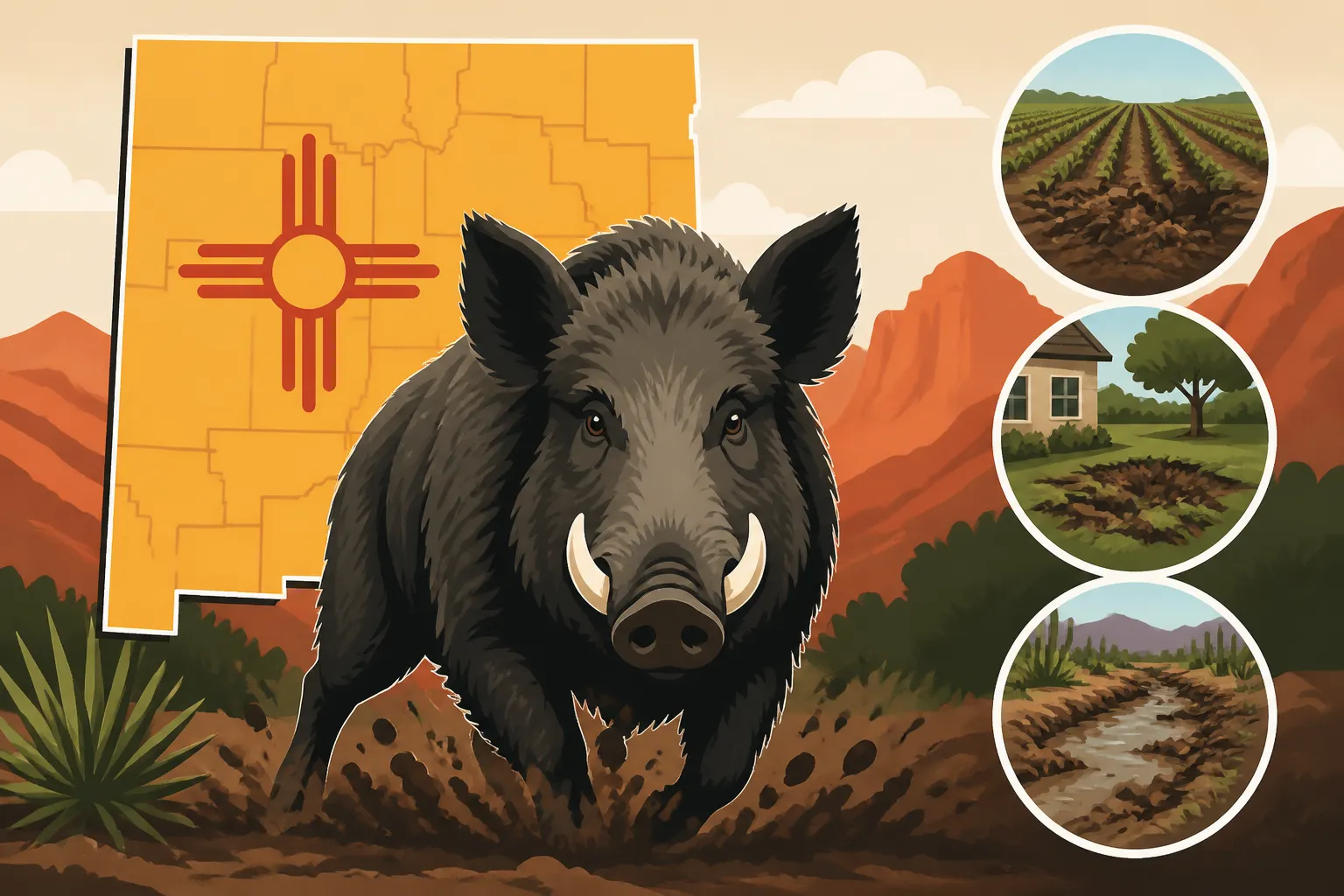
Feral Hogs and Where They Are a Problem
If you've spent any time hunting or even just recreating in certain parts of New Mexico, you've probably heard whispers, or perhaps outright complaints, about an increasingly unwelcome inhabitant: the feral hog. These aren't your friendly barnyard pigs, nor are they the native javelina that have long roamed our southern deserts. These are wild, destructive, and rapidly reproducing animals that are causing real headaches for landowners, farmers, and wildlife managers across the state. This guide is going to pull back the curtain on the feral hog problem, explain why they're such a menace, where you're most likely to encounter them, and what New Mexico is doing—and what you as a hunter can do—to help manage their numbers.
Understanding the Feral Hog Problem in New Mexico
The issue with feral hogs isn't just about another animal on the landscape; it's about an invasive species that disrupts ecosystems, damages property, and can even pose health risks. For hunters, it's also a unique opportunity to contribute to wildlife management efforts while enjoying some year-round action.
What Exactly are Feral Hogs?
First off, let's clear up a common point of confusion: feral hogs are not javelina. While both are pig-like creatures, they are entirely different species. Javelina, or collared peccaries, are native to the American Southwest, typically much smaller, and have a single coat of coarse hair. They're a cherished part of our natural heritage, and Javelina Range Across Southern New Mexico provides a great overview of their presence. Feral hogs, on the other hand, are domestic pigs (Sus scrofa) that have either escaped captivity or were intentionally released, and have since adapted to survive and breed in the wild, often for multiple generations. They are often larger, can have varied coat colors and patterns, and have much bigger litters more frequently.
These hogs are incredibly hardy and adaptable, able to thrive in a wide range of habitats, from dense timber to arid scrubland. Their intelligence and rapid breeding cycles mean that even small populations can explode into a major problem within a few years. They're opportunistic omnivores, meaning they'll eat just about anything—crops, roots, nuts, insects, eggs, fawns, and even small livestock. This indiscriminate diet, combined with their destructive feeding habits, is what makes them such a scourge wherever they establish a foothold.
The Ecological and Economic Impact
The destructive nature of feral hogs is truly staggering. They cause immense ecological damage through their constant "rooting" behavior, where they use their powerful snouts to dig up soil in search of food. This rooting destroys native vegetation, disturbs sensitive soil structures, and can even compromise water quality by eroding stream banks and contributing to siltation. Imagine large tracts of land looking like they've been plowed over, and you get a sense of the scale of their impact. This directly competes with native wildlife like deer, elk, and turkey for forage and disrupts crucial habitats.
Economically, the impact on agriculture in New Mexico is significant. Feral hogs decimate crops suchants, corn, and peanuts, and destroy fences, irrigation systems, and livestock infrastructure. Farmers and ranchers bear the brunt of these costs, often facing thousands of dollars in damages annually. Furthermore, these animals are known carriers of numerous diseases, including pseudorabies, brucellosis, and leptospirosis, which can be transmitted to livestock, pets, and even humans. This disease vector potential adds another layer of concern for both agricultural producers and public health officials, making their presence a costly problem on multiple fronts.
Where Feral Hogs are Concentrated in New Mexico
While feral hogs aren't found in every corner of the state, certain regions provide them with the perfect conditions to thrive and become a significant nuisance. Understanding these hotspots is crucial for both management efforts and for hunters looking to engage with the problem.
Key Regions and Habitats
In New Mexico, feral hogs tend to concentrate in areas that offer a combination of dense cover, reliable water sources, and abundant food, often overlapping with agricultural lands. The riparian corridors along major river systems like the Rio Grande, Pecos, and Canadian Rivers are prime examples. These areas provide dense brush and timber for bedding, consistent access to water for drinking and wallowing, and often border irrigated fields that offer an endless buffet of crops. You'll also find them making inroads into agricultural landscapes in the eastern plains, particularly in counties with significant dryland farming or irrigated crop production.
Beyond the major river valleys, localized populations can pop up wherever there's a good mix of cover and food. This might include areas with extensive juniper and piñon woodlands near agricultural properties, or even certain private ranch lands that have introduced them or seen escapes. The hogs are constantly expanding their range, making it a dynamic problem. Their dependence on water, especially during our hot, dry summers, means that stock tanks, small ponds, and even temporary water sources can become magnets for them. Understanding how Water Sources and Ethics in Desert Hunting applies to other game can also inform how hogs utilize these critical resources.
Identifying Hog Sign and Hotspots
Learning to "read" the landscape for hog sign is essential, whether you're a landowner trying to protect your property or a hunter looking to reduce their numbers. The most obvious sign is rooting: disturbed soil that looks like a tiller has gone through it, often with distinctive snout marks. You'll see this in fields, along trails, or near water sources. Wallows, muddy depressions where hogs cool off and coat themselves in mud, are another clear indicator. These are usually near water and can range from small puddles to large, churned-up areas.
Hogs will also leave rubs on trees, posts, or rocks where they scratch themselves, often leaving mud or hair behind. Their tracks are distinct, looking like deer tracks but typically rounder, with visible dewclaws splayed wide, especially in soft ground. Droppings can also be found, though they are highly variable depending on diet. For hunters, leveraging tools like GoHunt, with its satellite imagery and public/private land mapping, can help you identify potential travel corridors, dense cover, and proximity to water or agricultural fields that might attract hogs. Pairing this with on-the-ground scouting can greatly improve your chances of finding an active hotspot. E-Scouting a New Mexico Unit Before the Season covers general principles that apply here too.
Regulations and Approaches to Managing Feral Hogs
New Mexico takes the feral hog problem seriously, largely due to their destructive nature. This translates into specific regulations that are quite different from those governing our native big game species, offering hunters a significant role in control efforts.
New Mexico's Stance on Feral Hog Hunting
Unlike deer, elk, or oryx, which are managed with strict seasons, bag limits, and draw odds, feral hogs in New Mexico are classified as an unprotected, exotic species. This means they can be hunted year-round, with no bag limits, and without the need for a specific hunting license when hunting on private property with landowner permission. This policy reflects the state's desire to encourage their removal rather than managing them as a game animal. It's an "anything goes" approach, within legal safety parameters, to try and get their numbers under control. For public lands, you would still need your general hunting license, but the season and bag limits remain open.
It’s a stark contrast to the structured draw seasons and specific weapon types required for species like elk or Muzzleloader Deer Season Windows Across New Mexico Units. The freedom to pursue them aggressively, without the usual constraints, is a clear signal of the threat they pose. However, it's crucial to always verify the most current regulations with the New Mexico Department of Game and Fish, as rules can change. Understanding the difference between general hunting regulations and those for unprotected species is vital. You can find detailed information by Reading the New Mexico Rules and Info Booklet.
Hunting Methods and Strategies
Given the open regulations, hunters have a wide array of methods at their disposal for pursuing feral hogs. One of the most effective, particularly for controlling larger numbers, is trapping. Large corral traps can capture multiple hogs at once, and careful baiting strategies can lead to successful removal of entire sounders (a group of hogs). For active hunting, spot-and-stalk can be effective in open agricultural areas or along riparian zones, especially during cooler parts of the day or at night.
Night hunting with thermal optics or night vision is also incredibly effective, as hogs are often most active after dark. The ability to see their heat signatures against the cool night makes them much easier to locate and target. Is Night Hunting Legal for Coyotes Out West? discusses similar principles that often apply to other varmints and nuisance animals like hogs. Electronic calls can also be used to draw hogs in, mimicking distress sounds or feeding noises. However, remember to check specific regulations regarding electronic calls, as they can vary even for unprotected species. Electronic Calls for Predators and Varmint Hunting offers more context. When hunting, especially at night or in groups, safety is paramount. Always know your target and what's beyond it.
The Future of Feral Hog Management in New Mexico
Controlling feral hog populations is an ongoing battle, not a one-time fix. Their adaptability and prolific breeding mean that sustained effort and cooperation are absolutely essential to mitigate their impact in New Mexico.
Cooperative Efforts and Landowner Engagement
The core of effective feral hog management in New Mexico lies in strong partnerships. Landowners, who often bear the direct financial burden of hog damage, are absolutely critical. Their willingness to allow hunting, trapping, and other control methods on their property is paramount. Without landowner engagement, efforts on public lands can only do so much, as hogs will simply retreat to private sanctuaries. State agencies, like the New Mexico Department of Game and Fish and the Department of Agriculture, play a vital role in providing information, technical assistance, and sometimes even equipment like traps to landowners.
Community-wide efforts, where neighboring landowners coordinate their control measures, are far more effective than isolated actions. Hogs don't respect property lines, so a comprehensive approach across a landscape is key. Programs that offer training on trapping techniques or guidance on identifying hog activity can empower individuals to become active participants in the solution. We've seen how dedicated groups can make a difference, especially when armed with knowledge and working together.
Long-Term Outlook and Challenges
Let's be realistic: complete eradication of feral hogs from New Mexico is likely an impossible dream. Their reproductive rate is simply too high, and their ability to hide and adapt makes them incredibly resilient. A sow can have two litters a year, with an average of 4-8 piglets per litter, and those piglets can reach reproductive maturity in just a few months. This biological reality means that any population reduction is quickly countered by new births if pressure isn't maintained.
The long-term outlook, therefore, focuses on sustained population control rather than eradication. This involves continuous monitoring, swift responses to new infestations, and ongoing educational efforts to prevent future releases or escapes. Factors like How Drought Affects Desert Deer Numbers also indirectly impact hogs, as resource scarcity can push them into new areas seeking food and water. As hunters, our role remains crucial – not just in harvesting animals, but in reporting sightings and working with landowners to keep pressure on these destructive creatures. It’s a marathon, not a sprint, and every hog removed is a small victory for New Mexico's native wildlife and agricultural health.
| Feral Hog Characteristic | Description | Impact on New Mexico |
|---|---|---|
| Origin | Domestic pigs turned wild (escaped or released) | Invasive species, not native |
| Reproduction Rate | High; multiple litters per year, early maturity | Rapid population growth, hard to control |
| Diet | Omnivorous; eats crops, roots, small animals, eggs | Destroys agriculture, competes with native wildlife |
| Habitat | Highly adaptable; favors riparian zones, agricultural areas | Widespread damage across various landscapes |
| Ecological Impact | Rooting causes soil erosion, habitat destruction | Degrades ecosystems, impacts water quality |
| Economic Impact | Crop damage, fence destruction, livestock disease | Significant financial burden on landowners |
| Disease Vectors | Carriers of various diseases (e.g., brucellosis) | Health risk to livestock, pets, humans |
| Hunting Status | Unprotected, exotic; year-round, no limit (check rules) | Encouraged removal, hunter participation vital |
Disclaimer
This article is for general informational purposes only and does not constitute professional advice. Laws, prices and regulations vary by location and change over time. Consult a qualified professional for guidance on your specific situation.