Trespass Fee Arrangements on New Mexico Ranches
It can be incredibly frustrating to dream of hunting the vast, wild landscapes of New Mexico, only to be met with the reality of tough draw odds for public land tags or the high cost of a fully guided experience. Many hunters find themselves in a bind, yearning for better access and a chance at quality animals without breaking the bank on a top-tier outfitter. This guide is here to shed light on a often-overlooked middle ground: trespass fee arrangements on New Mexico ranches, explaining exactly what they are and how you can navigate them to unlock more hunting opportunities.
Understanding Trespass Fee Hunts in New Mexico
The world of hunting in New Mexico isn't always black and white, especially when it comes to access. While public lands offer incredible opportunities, they also come with intense competition for tags. On the other end of the spectrum, fully guided hunts on private ranches can deliver fantastic experiences but often carry a price tag that puts them out of reach for many. This is where the concept of a "trespass fee" steps in, offering a unique blend of access and independence that many hunters find appealing.
What Exactly is a Trespass Fee?
At its core, a trespass fee in the context of hunting is an agreement where you, the hunter, pay a private landowner for the privilege of accessing their property to hunt a specific species during a designated timeframe. Think of it less as "trespassing" in the illegal sense, and more like buying a temporary access permit directly from the property owner. You're not hiring a guide, getting meals cooked, or having someone pack out your game. Instead, you're paying for the ground itself – the exclusive right to be there with your weapon, pursuing game.
Landowners offer these arrangements for various reasons. Sometimes they have excellent game populations that exceed their own hunting needs or those of their family and friends. Other times, it's a way to generate additional income from their land, especially if traditional ranching or farming isn't enough to cover costs. For hunters, it's an opportunity to bypass some of the public land draw challenges and potentially hunt on properties with less pressure and healthier game numbers. It's a pragmatic solution born out of the realities of land ownership and hunting demand in a state like New Mexico, and it’s perfectly legitimate when done correctly.
Why Hunters Consider Trespass Fees in New Mexico
The appeal of trespass fee hunts in New Mexico is strong, particularly for those who have experienced the sting of multiple unsuccessful public land draw applications. Drawing a coveted elk or quality mule deer tag in the state can be incredibly difficult, with odds often being quite low, especially for non-residents. Why New Mexico Draw Odds Do Not Improve With Time Hunters often spend years applying, hoping to beat the odds. Trespass fee hunts can provide a more immediate and often more reliable path to a tag and hunting opportunity.
Beyond the draw odds, private land often offers a different hunting experience. Animals on well-managed private ranches may be less pressured, leading to more natural movement patterns and potentially better chances at a mature animal. For species like pronghorn, where a significant portion of their habitat is on private land, a trespass fee hunt might be the most practical, or even the only, way to pursue them in certain areas. New Mexico Pronghorn Season Timing For mule deer, too, especially desert mule deer in the southern parts of the state, accessing private ranches can open up excellent opportunities on animals that might otherwise be hard to reach or find on public parcels. Mule Deer Across New Mexico's High Country and Desert It offers a sense of control and predictability that public land hunting, with its inherent uncertainties, sometimes lacks.
How Trespass Fee Arrangements Typically Work
Once you've decided that a trespass fee hunt might be the right fit for your New Mexico hunting aspirations, the next step is understanding the practicalities of how these arrangements are made and what you can expect from them. It's not always as simple as knocking on a rancher's door, though that can sometimes work! There's a bit of a process to ensure both parties are clear on the terms.
Finding Ranches Offering Access
Finding landowners willing to offer trespass fee access can be a bit of an art. Historically, this was often done through word-of-mouth, local connections, or simply driving rural roads and looking for "Hunting Access" signs. While those methods still exist, the digital age has certainly expanded the options. Online platforms are becoming increasingly popular for connecting hunters with landowners. You might find listings on sites like BookYourHunt or GoHunt, where landowners or their agents advertise available hunting opportunities, including trespass fee arrangements. These platforms can be a great starting point for research, as they often include details about the ranch, available species, and contact information.
Beyond online marketplaces, some hunters work with land brokers or consultants who specialize in connecting hunters with private land opportunities. Sometimes, a general Google search for "New Mexico private land hunting" or "trespass fee hunts [specific unit/region]" can also yield results. When you do find a potential ranch, make sure to thoroughly research the property, the landowner's reputation, and what past hunters have experienced. Don't be afraid to ask for references.
Negotiating the Arrangement and What's Included
Once you've identified a potential ranch, the real work of negotiating the arrangement begins. This typically involves direct communication with the landowner or their representative to discuss the specifics. You'll want to clarify key details such as:
- Price: What is the total fee per hunter for the desired species?
- Duration: How many days are you permitted to hunt on the property?
- Species: Is the fee exclusively for one species (e.g., mule deer), or does it include opportunities for others (e.g., predators, small game) if in season?
- Boundaries: What are the exact boundaries of the huntable area on the ranch? This is crucial to avoid accidental trespassing onto neighboring properties.
- Access: Will you have vehicle access, or is it walk-in only?
- Other Expectations: Are there any specific rules regarding gates, livestock, camping, or game retrieval?
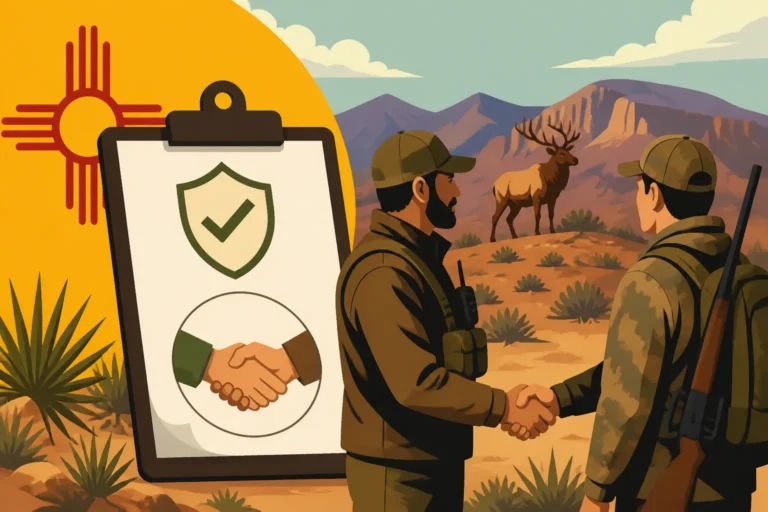
It's critical to understand that a trespass fee hunt is generally un-guided. This means you are responsible for your own scouting, tracking, calling, shooting, field dressing, and game retrieval. Don't expect lodging, meals, transportation on the ranch, or assistance from the landowner unless explicitly stated and agreed upon. This leads to the golden rule of trespass fee arrangements: get everything in writing. A clear, signed agreement protects both you and the landowner, preventing misunderstandings down the road. Getting Written Permission in New Mexico
The Cost Structure and Value Proposition
When considering a trespass fee arrangement in New Mexico, one of the biggest questions on every hunter's mind is, "What's this actually going to cost me, and is it worth it?" It's a fair question, especially given that hunting can be a significant investment. Understanding the factors that influence these fees and weighing them against the potential benefits is key to making an informed decision.
Factors Influencing Trespass Fees
The cost of a trespass fee hunt can vary widely depending on several factors, much like real estate values. Here's what usually comes into play:
- Species: Elk hunts, particularly for trophy bulls, will command a much higher fee than a deer or pronghorn hunt. Species rarity and demand play a huge role.
- Trophy Potential: Ranches known for producing Boone and Crockett-caliber animals will naturally charge more for access, reflecting the perceived quality of their game.
- Location and Size of Ranch: Properties in highly desirable units or those with large, contiguous tracts of prime habitat can demand higher fees.
- Amenities (Rare, But Possible): While most trespass fee hunts are bare-bones access, some landowners might offer basic cabin use or a designated camping spot, which could factor into the price.
- Time of Year/Season: A prime archery elk season might cost more than a late-season rifle deer hunt, simply due to demand and the nature of the season itself. For instance, gaining access during Muzzleloader Deer Windows Across New Mexico Units that are known for good success might fetch a higher price than a less popular rifle season.
- Exclusivity: If you're buying exclusive access to a large portion of the ranch for your group, expect to pay more than if other hunters might also be on the property.
Compared to a fully guided hunt, which can run into the thousands or even tens of thousands of dollars for a premium elk hunt, trespass fees are generally lower. However, they are still a significant investment, often ranging from several hundred to several thousand dollars depending on the factors above. It's essential to get a clear quote and understand exactly what that fee covers.
Balancing Cost Against Opportunity
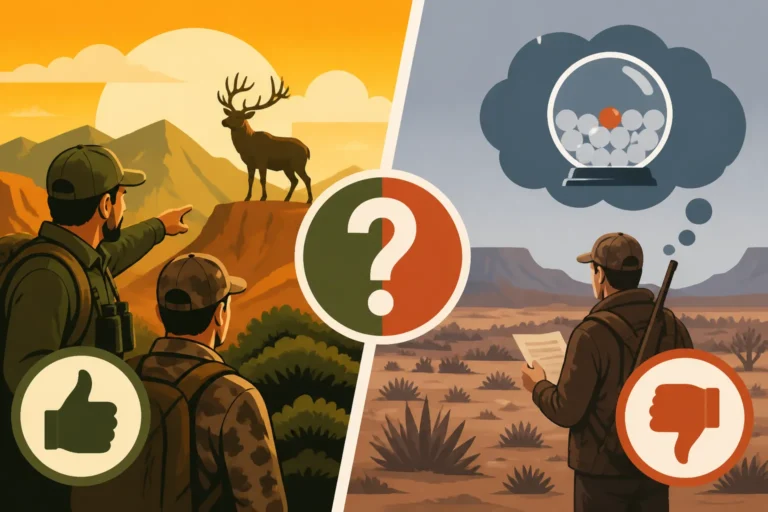
The decision to pay a trespass fee ultimately comes down to a personal balance of cost versus opportunity. On one hand, you're making a direct financial investment, which can feel daunting when public land tags are available (albeit hard to draw) for just the cost of the application and license. On the other hand, the opportunities a trespass fee hunt can unlock are substantial.
For many, the biggest draw is the increased probability of drawing a tag and having a hunting opportunity each year. New Mexico's draw system doesn't favor those who have applied for years; every applicant generally has even odds each year they apply. How New Mexico Draw Odds Work Without Points By securing private land access, you bypass the lottery entirely for that specific hunt. Furthermore, the chance to hunt less-pressured animals on well-managed land can significantly increase your chances of success and the quality of the animal you pursue. This can be especially appealing for hunters traveling long distances, who want to maximize their chances once they arrive.
It's about weighing the certainty of a private land hunt, often with higher success potential, against the uncertainty and lower odds of the public land draw. For some, the peace of mind of having a guaranteed place to hunt, with less competition, is well worth the investment. For others, the thrill of the public land draw and the challenge of DIY hunting on vast tracts of public ground remains the priority. There's no right or wrong answer, only what aligns best with your personal hunting philosophy and budget.
Key Considerations and Potential Pitfalls
While trespass fee arrangements can offer fantastic hunting opportunities, they aren't without their complexities. To ensure a smooth and successful experience, it's vital to go into any agreement with your eyes wide open, understanding both the benefits and the potential challenges. Careful planning and clear communication are your best allies.
The Importance of a Clear Written Agreement
This cannot be stressed enough: always get a written agreement. A handshake deal might feel neighborly, but when thousands of dollars and the potential for an unforgettable hunting trip (or a disastrous one) are on the line, a written contract is your best friend. This agreement should clearly outline every aspect of your arrangement with the landowner.
Here's a checklist of what a good written agreement should include:
- Parties Involved: Full names and contact information for both the hunter(s) and the landowner/representative.
- Hunt Dates: Exact start and end dates for your hunting access.
- Species Permitted: Clearly state which animals you are allowed to hunt.
- Designated Hunting Area: A detailed description or map of the specific boundaries you can access. This is paramount, especially if the ranch borders public land or other private properties. Reading a Land Ownership Layer Correctly
- Fee Structure and Payment Terms: The total cost, payment schedule (deposit, final payment), and acceptable payment methods.
- Services Included/Excluded: Explicitly state what the landowner will provide (e.g., access to water, a camping spot) and, crucially, what they will not provide (e.g., guiding, meals, game retrieval).
- Rules and Regulations: Any specific ranch rules regarding gates, livestock, vehicle use (e.g., no off-roading), campfires, non-hunting guests, or ethical considerations.
- Liability: A clause typically releasing the landowner from liability for accidents or injuries during your hunt. Read this carefully.
- Cancellation Policy: What happens if you need to cancel, or if the landowner cancels the agreement (e.g., due to unforeseen circumstances like fire, drought, or military operations if applicable).
- Game Retrieval: Clarify procedures for retrieving a downed animal, especially if it's in a difficult-to-access area or near a property line.
Without a detailed, signed agreement, you leave yourself vulnerable to misunderstandings, changes in terms, or outright disputes. Protect your investment and your hunt by insisting on clarity from the outset.
Respecting Landowner Rules and Boundaries
When you pay a trespass fee, you're not just buying access; you're entering into a relationship of trust with a private landowner. Your behavior on their property directly impacts their willingness to offer access to other hunters in the future, and even your own chances of being invited back. Adhering to their rules and respecting their property is non-negotiable.
This means:
- Stay within boundaries: Ignorance is not an excuse for inadvertently hunting on neighboring properties or straying into off-limits areas of the ranch. Use mapping apps like onX or Basemaps to clearly define your location relative to the agreed-upon boundaries.
- Leave gates as you find them: If a gate is closed, close it after you. If it's open, leave it open. This is critical for livestock management.
- Respect livestock and infrastructure: Don't harass cattle, damage fences, or interfere with ranching operations.
- Pack it in, pack it out: Leave no trash behind. This applies to everything from spent casings to food wrappers.
- Ethical Hunting: Abide by all state hunting regulations, and conduct yourself ethically. This includes proper game care and avoiding unnecessary disturbance to other wildlife.
- Communication: If something goes wrong, or if you need assistance, communicate immediately and respectfully with the landowner.
Violating these unwritten (and sometimes written) rules can lead to your hunt being terminated early without a refund, legal repercussions for trespassing, or simply burning a bridge that could have led to future opportunities. Remember, you are a guest, and good behavior helps keep these private land options open for everyone.
What You Still Need to Bring to the Table
It's easy to think that once you've paid a trespass fee, the hardest part is over. However, a trespass fee hunt is very much a do-it-yourself (DIY) endeavor, with the added benefit of private land access. You are still the hunter, and all the skills and preparedness required for a successful public land hunt apply here.
You will need to be proficient in:
- Scouting: Even if the ranch has plenty of game, you'll need to locate them, understand their patterns, and identify good hunting spots. Pre-season e-scouting using satellite imagery and topography maps is still vital.
- Navigation: You'll need to know how to navigate the property confidently, whether using GPS, maps, or traditional woodsman skills, especially in unfamiliar terrain.
- Tracking and Trailing: If you wound an animal, the responsibility to track and recover it falls solely on you.
- Field Dressing and Game Care: Be prepared to properly field dress your animal and cool the meat quickly, especially if hunting in warmer conditions.
- Equipment: You'll need all your own hunting gear, including appropriate clothing, optics (binoculars, spotting scope if needed), a reliable rifle or bow, ammunition, a first-aid kit, and emergency supplies. For remote ranches, consider Satellite Communication From a Hunting Camp.
- Physical Fitness: Many New Mexico ranches, even if not true wilderness, can involve challenging terrain. Be prepared for walking, climbing, and potentially packing out an animal alone or with your group.
The trespass fee buys you the opportunity, but your skill, preparation, and hard work will determine your success. Don't underestimate the demands of a DIY hunt just because it's on private land.
Comparing Trespass Fees to Other New Mexico Hunting Options
Choosing the right hunting strategy in New Mexico can feel like navigating a maze. With public land draws, fully guided experiences, and now trespass fees, each option presents a unique set of pros and cons. To help clarify which path might be best for you, let's look at how trespass fee arrangements stack up against the alternatives.
Trespass Fees vs. Public Land Hunting
Public land hunting in New Mexico is often seen as the ultimate test of skill and resilience. It's where many hunters cut their teeth and forge unforgettable memories. However, it comes with a distinct set of challenges that trespass fee hunts can address.
Here's a comparison:
| Feature | Public Land Hunting (DIY) | Trespass Fee Hunting (DIY) |
|---|---|---|
| Access | Generally unlimited within legal areas. | Restricted to specific private ranch boundaries. |
| Cost | Lower initial cost (license, application fees). | Higher initial cost (license + trespass fee). |
| Draw Odds | Highly competitive, low odds for desirable tags. | Bypasses the draw; guaranteed access once paid. |
| Hunting Pressure | Can be very high, especially on opener. | Generally lower, less competition from other hunters. |
| Game Quality | Variable; requires extensive scouting. | Often higher potential due to management/less pressure. |
| Services | None; entirely DIY. | None; entirely DIY (unless specified). |
| Flexibility | Freedom to move across vast landscapes. | Restricted to designated private property. |
The biggest frustration for many public land hunters is the draw system itself. New Mexico allocates a significant portion of its tags to residents (often 84%), with a smaller percentage for outfitters (10%) and an even smaller slice for non-residents (6%). New Mexico Splits Every Hunt 84, 10 and 6 Percent This means for a non-resident, your odds are already slim. Trespass fee hunts offer a workaround, providing guaranteed access to a private property once the agreement is made, bypassing the annual stress and disappointment of the draw. You trade the vastness and low cost of public land for the certainty and potentially higher success rates of private property.
Trespass Fees vs. Fully Guided Hunts
On the other end of the spectrum from public land DIY hunts are fully guided experiences, which offer a complete package designed for maximum convenience and expertise. Trespass fee hunts occupy a unique middle ground.
A fully guided hunt typically includes:
- Professional Guide: Someone with intimate knowledge of the area and game.
- Accommodation: Lodging, often comfortable, sometimes luxurious.
- Meals: Prepared food throughout your trip.
- Transportation: On-ranch transport, sometimes including airport pickup.
- Game Retrieval: Assistance with field dressing and packing out your animal.
- Higher Success Rates: Guides work tirelessly to put you on game.
This level of service comes at a significant price, which can easily be several times the cost of a trespass fee. What a Fully Guided New Mexico Elk Hunt Costs With a trespass fee hunt, you are essentially paying for the 'real estate' and the opportunity, but you retain all the responsibilities of a DIY hunter. You're bringing your own skills, gear, food, and lodging (which might be camping on the ranch or staying in a nearby town).
The advantage of a trespass fee hunt over a fully guided one is primarily cost. It allows hunters to access prime private land without the substantial expense of a full-service outfitter. It's perfect for experienced hunters who enjoy the challenge of a DIY hunt but desire better access or higher quality game than public land typically offers. You get the benefit of hunting less-pressured private land without sacrificing your independence or paying for services you might prefer to handle yourself.
Disclaimer
This article is for general informational purposes only and does not constitute professional advice. Laws, prices and regulations vary by location and change over time. Consult a qualified professional for guidance on your specific situation.