Liability Waivers on a Guided Hunt
It’s a scenario many of us face when booking that dream New Mexico hunt: you’ve found the perfect outfitter, the dates are set, and then an email arrives with a thick attachment – the dreaded liability waiver. For many, this document feels like a dense legal obstacle course, riddled with jargon that makes you wonder if you’re signing away your firstborn. Understanding what these waivers mean, why they're necessary, and what to look for can save you a lot of anxiety and ensure you're prepared for your adventure. This guide will walk you through the ins and outs of liability waivers in the context of a guided New Mexico hunt, helping you approach them with confidence and clarity.
What Exactly Is a Liability Waiver in a Hunting Context?
At its core, a liability waiver is a legal agreement where you, as the participant, agree to release the outfitter from responsibility for certain risks and injuries that might occur during the activity. Think of it as a formal acknowledgment that hunting, especially in rugged New Mexico terrain, carries inherent dangers, and you understand and accept those risks. It's not about making hunting inherently unsafe, but rather acknowledging the realities of outdoor pursuits.
The Basic Structure and Purpose
A typical hunting liability waiver usually starts by identifying the parties involved – you, the client, and the outfitter or guide service. It will then outline the nature of the activity, which in our case is a guided hunt for big game like elk or mule deer. Following this, the document will enumerate the risks involved. This isn't meant to scare you, but to ensure you're fully aware. These risks can range from slips, falls, and animal encounters to more specific dangers like equipment malfunction or adverse weather conditions.
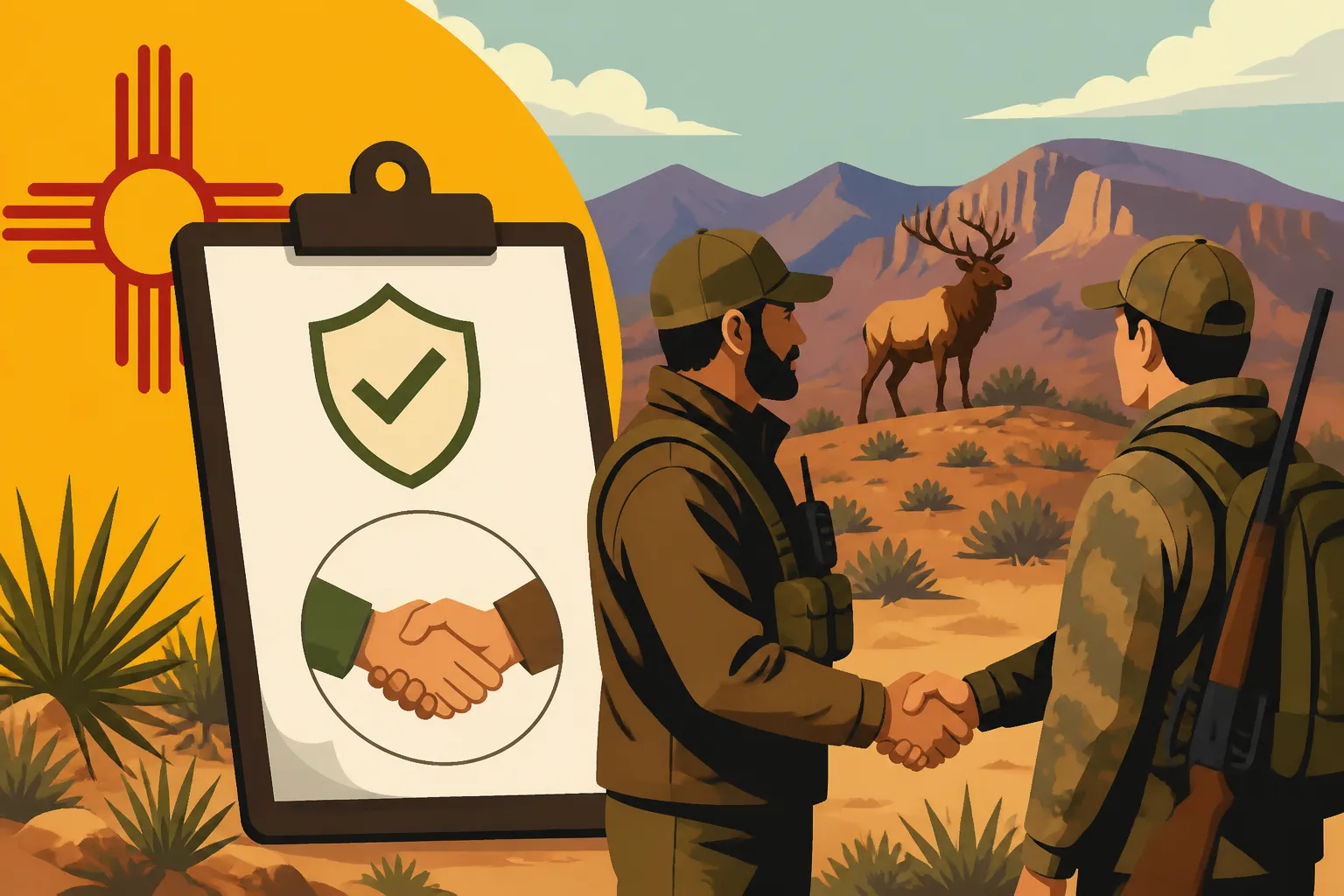
The main purpose of the waiver is to protect the outfitter from potential lawsuits should an accident occur. It shifts some of the responsibility for inherent risks from the outfitter back to the participant. While it might sound intimidating, it's a standard practice across many adventure sports and outdoor activities, from whitewater rafting to horseback riding. It creates a clearer understanding of who is responsible for what, setting expectations before you even set foot in the field.
Common Clauses You’ll Encounter
When you read through a waiver, you'll likely see several recurring clauses. One common one is the "Assumption of Risk" clause, where you explicitly state that you understand the dangers and voluntarily assume them. Another is the "Release of Liability" section, which details the specific claims you are waiving against the outfitter. This might cover negligence on their part, though there are often limits to what can be waived, especially concerning gross negligence or intentional harm.
You might also find an "Indemnification" clause, which means you agree to protect the outfitter if a third party (like a family member) sues them for an incident involving you. Sometimes there's a "Medical Treatment" clause, authorizing the outfitter to seek medical attention for you in an emergency if you're unable to consent. And finally, a "Governing Law" clause will typically state that the agreement is subject to the laws of New Mexico. It's all about making sure everyone is on the same page regarding the potential challenges and who bears what responsibility.
Why Do Outfitters Require Liability Waivers?
Outfitters aren’t just handing out waivers to be bureaucratic; these documents serve a crucial function in their business operations and legal protection. Operating a guided hunting business in a state like New Mexico, where the terrain can be unforgiving and the animals wild, naturally comes with inherent risks. The Average Cost of a Guided New Mexico Elk Hunt is significant, and outfitters need to protect their investment and livelihood.
Acknowledging Inherent Risks of Hunting
Let's be real: hunting isn't a walk in the park. Whether you're navigating steep canyons in the Gila National Forest chasing an elk, or traversing the rugged rimrock looking for barbary sheep, there are undeniable dangers. You could stumble on loose rock, encounter unpredictable wildlife, or face sudden weather shifts. A liability waiver ensures that you, the client, are aware of these realities. It’s not just about what the outfitter does, but the environment itself.
Imagine you're on a remote spike camp, miles from the nearest road. If you slip and twist an ankle on a rocky ascent, the outfitter wants it understood that this is a risk inherent to mountain hunting, not necessarily a failure on their part. The waiver acts as a formal declaration that these risks are part and parcel of the adventure, and you're entering into it with open eyes. This protects the outfitter from frivolous lawsuits that could arise from incidents that are simply part of the backcountry experience.
Legal Protection and Business Necessity
In today's litigious society, any business offering adventure activities faces legal exposure. A properly drafted liability waiver is an essential line of defense for outfitters. It helps to deter lawsuits by making it clear that the participant understood and accepted the risks. Without such a document, an outfitter could be held responsible for accidents that are beyond their control, or that are a foreseeable part of the activity.
Moreover, these waivers are often a requirement for the outfitter's insurance provider. Just like you might have travel insurance for your trip, outfitters carry specialized liability insurance to cover their operations. These insurers often mandate the use of waivers as a condition of coverage, ensuring that the outfitter is taking reasonable steps to inform clients of risks and mitigate their own exposure. It's simply good business practice, safeguarding their ability to continue offering those incredible guided experiences for species like Oryx Is New Mexico's Strangest Big Game Animal. Many reputable outfitters, whose details you might find on platforms like BookYourHunt, will have these standard legal protections in place.
Setting Expectations and Guidelines
Beyond legal protection, a waiver also serves to clearly delineate responsibilities and expectations. It's a mutual understanding. The outfitter agrees to provide a safe, ethical, and professional hunting experience within their control, and you agree to follow their instructions, behave safely, and acknowledge the inherent risks of the wilderness. This can include anything from how to handle firearms safely to respecting Motorized Travel Rules on New Mexico Public Land.
It can also clarify what isn't included in the outfitter's responsibility. For example, if you bring your own gear and it fails, the waiver might state that the outfitter isn't liable for that failure. This clarity helps prevent misunderstandings and ensures that both parties know what to expect from the outset, leading to a smoother and more enjoyable hunt for everyone involved.
What to Look for Before You Sign a Waiver
Signing a legal document without reading it thoroughly is rarely a good idea, and a liability waiver for a guided hunt is no exception. It’s important to give yourself enough time to review the document carefully and understand its implications. Don't feel pressured to sign it immediately upon arrival at camp. A good outfitter, whether found through a service like GoHunt or direct, will send it to you well in advance.
Key Clauses and Language to Understand
As mentioned earlier, pay close attention to the "Assumption of Risk" and "Release of Liability" clauses. Understand exactly what types of negligence or incidents you are waiving your right to sue for. Most waivers will cover ordinary negligence, but it's important to know if they attempt to release the outfitter from gross negligence or willful misconduct, which might not be legally enforceable anyway.
Look for specific wording related to personal injury, property damage, and even wrongful death. Ensure you understand the scope. For instance, does it cover transportation to and from the hunting area, or just the time spent actively hunting? What about potential risks from other hunters in the group? Don't be afraid to circle sections you don't understand and bring them up with the outfitter.
Asking Questions and Seeking Clarification
If any part of the waiver is unclear, don’t hesitate to ask your outfitter for clarification. A reputable outfitter will be happy to explain the document and address your concerns. They want you to feel comfortable and informed, not intimidated. If they seem unwilling to discuss it, or are evasive, that could be a red flag.
Here are some questions you might consider asking:
- "Can you explain what 'ordinary negligence' means in the context of this waiver?"
- "Does this waiver cover accidents that might occur during travel to and from the hunting grounds, or just during the hunt itself?"
- "What kind of emergency medical procedures are in place, and does this waiver authorize you to act on my behalf if I'm incapacitated?"
- "Is there anything in this waiver that goes beyond standard industry practice for guided hunts?"
Asking these questions not only clarifies the document for you but also shows the outfitter that you're a responsible client who takes safety seriously.
The Limits of a Liability Waiver
It's important to remember that liability waivers aren't absolute "get out of jail free" cards. While they offer significant protection, they usually cannot protect an outfitter from claims of gross negligence, reckless conduct, or intentional harm. The exact enforceability can vary depending on state law, and in New Mexico, courts generally uphold waivers for ordinary negligence if they are clearly written, conspicuous, and signed voluntarily.
However, if an outfitter knowingly puts you in a dangerous situation, fails to maintain equipment in a safe manner, or operates outside the bounds of their license and common sense, a waiver might not shield them from legal repercussions. The waiver protects against the inherent risks of hunting, not against an outfitter's egregious failure to uphold a reasonable standard of care. Always remember that your safety is paramount, and while a waiver acknowledges risk, it doesn't excuse reckless behavior on anyone's part.
The Role of Insurance and Good Practices
Beyond the waiver itself, understanding the broader safety net—both the outfitter's and your own—is crucial. A liability waiver is one piece of the puzzle; comprehensive insurance and a commitment to best practices complete the picture. This is especially true when you're preparing for a multi-day backcountry hunt for big game where Packing an Elk Out of the Gila Alone might be a challenge if something goes wrong.
Outfitter’s Insurance Coverage
A professional outfitter in New Mexico will carry commercial general liability insurance. This insurance covers them for a range of potential incidents, including accidents, injuries, and property damage that might occur during their operations. It’s their primary safeguard against the financial impact of a lawsuit. When you sign a waiver, you're essentially agreeing not to pursue certain claims against them, thereby reducing the likelihood of their insurance needing to step in.
It's completely reasonable to ask an outfitter if they are insured. You don't need to see their policy details, but knowing that they carry adequate coverage demonstrates their professionalism and commitment to responsible business practices. This aligns with the due diligence many hunters perform when researching outfitters on platforms like GoHunt or BookYourHunt. An outfitter's insurance is another layer of protection, not just for them, but indirectly for you, as it ensures they can cover legitimate claims if necessary.
Your Personal Insurance Considerations
While the outfitter's waiver and insurance cover their side, it's wise to consider your own personal insurance. Does your health insurance cover injuries sustained during adventurous activities like hunting? If you're traveling from out of state, does it cover you in New Mexico? For truly remote or challenging hunts, some hunters opt for specialized travel insurance that includes emergency medical evacuation. This can be a lifesaver, both literally and financially, if you suffer a serious injury deep in the backcountry.
Furthermore, consider your homeowner's or renter's insurance. Does it cover damage to your personal hunting gear, or theft while you're on a trip? While the outfitter's waiver might protect them from liability for your damaged property, your own insurance could offer a path to recovery. Thinking proactively about your own coverage completes your personal safety net.
Due Diligence and Choosing a Reputable Outfitter
Ultimately, the best defense against issues related to liability waivers and unforeseen incidents is choosing a reputable outfitter. This means doing your homework:
- Check their licensing: Ensure they are properly licensed and permitted to operate in New Mexico. You can often verify this through the New Mexico Department of Game and Fish.
- Read reviews and get references: Talk to past clients. Ask about their experiences, especially regarding safety protocols and how the outfitter handled any unexpected situations.
- Communicate clearly: Discuss your expectations, physical limitations, and any concerns you have before you book the hunt.
- Understand the terrain and species: Research the unit and the type of hunt. Is it physically demanding? Are there specific dangers associated with Hunting New Mexico From 4,000 Feet to 10,000? The more informed you are, the better prepared you'll be.
A good outfitter will prioritize your safety and will be transparent about their practices. They'll also ensure you understand the terms of any waiver you're asked to sign, making the process much less daunting. Questions to Ask a New Mexico Outfitter should always include inquiries about their safety record and procedures.
Summary of Waiver and Safety Best Practices
To help you navigate the process, here's a quick overview of what to keep in mind when dealing with liability waivers and preparing for a guided hunt:
| Aspect | Hunter's Responsibility | Outfitter's Responsibility |
|---|---|---|
| Waiver Review | Read thoroughly, understand all clauses, ask questions. | Provide clear waiver in advance, explain terms, answer questions. |
| Risk Acceptance | Acknowledge and assume inherent risks of hunting. | Clearly communicate inherent risks of the specific hunt. |
| Safety Protocols | Follow all instructions, practice safe behavior. | Establish and enforce strict safety protocols, maintain equipment. |
| Insurance | Ensure personal health/travel/gear insurance is adequate. | Maintain commercial general liability insurance. |
| Communication | Disclose health issues, skill level, and concerns. | Be transparent about services, limitations, and potential hazards. |
| Due Diligence | Research outfitter, check references, verify licensing. | Provide references, maintain current licenses and permits. |
By taking a proactive approach, you transform the liability waiver from a scary legal document into a shared understanding that contributes to a safer, more enjoyable, and ultimately successful hunting experience in the wilds of New Mexico.
Disclaimer
This article is for general informational purposes only and does not constitute professional advice. Laws, prices and regulations vary by location and change over time. Consult a qualified professional for guidance on your specific situation.