Leasing Private Ground in New Mexico
The dream of hunting big game in New Mexico is powerful, but let's be honest, the reality of drawing a coveted public land tag can be incredibly frustrating. Year after year, many of us face the same crushing disappointment when the draw results come out. It leaves you wondering if you'll ever get to experience those legendary Gila elk or a big desert mule deer. That's why, for many hunters seeking more consistent access and higher quality experiences, leasing private ground in New Mexico has become an increasingly attractive option. This comprehensive guide will walk you through everything you need to know about navigating the world of private land leases in the Land of Enchantment.
Why Consider Leasing Private Hunting Ground in New Mexico?
Let's face it, public land hunting in New Mexico, while incredible, often comes with a significant catch: competition. Between the limited draw tags and the sheer number of hunters vying for them, securing consistent access to quality hunting can feel like winning the lottery. Private land leasing offers a compelling alternative, providing solutions to many of these common frustrations.
Escaping the Public Land Pressure Cooker
Have you ever spent days scouting a prime public land spot, only to arrive on opening morning and find four other trucks parked at the trailhead? It’s a gut punch, isn't it? Public land, especially in popular units, can feel like a pressure cooker. You’re constantly worried about other hunters, dealing with crowded roads, and trying to find pockets of unpressured game. This can turn a supposed wilderness experience into a frantic race, and it often means animals are pushed onto private ground anyway, where they can find sanctuary. When you lease private ground, you're buying a piece of that sanctuary. You're stepping away from the endless competition and into an environment where you can truly focus on the hunt, not the crowds. Imagine having a significant block of land to yourself or with a small, trusted group, without having to wonder if someone else is about to walk into your setup.
Access to Undisturbed Game and Higher Success Rates
One of the biggest advantages of hunting on private land is often the quality and quantity of game. Landowners who lease their property for hunting typically have a vested interest in managing their wildlife resources. This can mean better habitat, less hunting pressure throughout the year, and often, more mature animals. Game quickly learns where it's safe and where it's not. On private land, animals are less likely to be educated by constant human presence, leading to more predictable patterns and often, less skittish behavior. This isn't to say it's a guaranteed slam dunk – hunting is still hunting – but the odds certainly swing in your favor. You might find that the elk stay put during the rut, or the deer don't disappear into thickets the moment a truck door slams a mile away. This reduced pressure can translate directly into higher success rates and the opportunity to pursue the kind of mature animals you might only dream of seeing on public land.
The Promise of Consistency and Predictability
Public land hunting, particularly with New Mexico's draw system, is inherently unpredictable. You might draw a tag one year and then go five or more years without another. This makes long-term planning, scouting, and building familiarity with a unit incredibly difficult. Leasing private ground, on the other hand, offers a level of consistency and predictability that is hard to achieve otherwise. Once you establish a relationship with a landowner and secure a lease, you can potentially return to the same property year after year. This allows you to truly learn the land, understand the game patterns, and refine your strategies. You can invest time and effort into preseason scouting, knowing that your efforts will pay dividends when the season opens. This stability not only improves your hunting prospects but also allows for deeper connection to the land and a more relaxed, fulfilling hunting experience. It transforms hunting from a hopeful lottery ticket into a strategic, long-term endeavor.
Understanding the Types of Private Land Leases Available
Just like there are different ways to hunt, there are various approaches to leasing private ground. It's not a one-size-fits-all situation, and understanding the distinctions is key to finding an arrangement that suits your hunting style and budget.
Full Season Leases vs. Short-Term Access
When you're looking at private land, you'll generally find two main categories of access: a full season lease or shorter, more defined access periods. A full season lease means you or your hunting group have exclusive access to the property for the entire duration of the specific hunting season (or sometimes multiple seasons for different species, depending on the agreement). This is ideal for those who want to scout extensively, set up trail cameras, hang stands, and manage the property more actively for their hunt. It offers maximum flexibility and control, allowing you to choose your hunting dates within the season and adapt to changing conditions. The downside, naturally, is that these leases are typically the most expensive and require a significant commitment.
Short-term access, on the other hand, might be for a specific number of days, a particular weekend, or even just for a certain hunt code window. This can be more budget-friendly and might be perfect for a hunter who drew a specific tag in an area and only needs a few days of quality private land access. Often, these are arranged through outfitters who have access to private ground, or directly with landowners who don't want to commit to a full season. For instance, a landowner might offer a three-day mule deer hunt during a specific week in November. While less flexible, it can be a great way to experience private land hunting without the long-term financial commitment. When considering these options, think about how much time you truly plan to spend on the property and how much control you desire over the hunting experience.
Unit-Wide vs. Ranch-Specific Agreements
The scope of your access is another critical differentiator. Some private land leases are "ranch-specific," meaning your hunting access is confined strictly to the boundaries of the particular ranch or property you've leased. This is the most common and often the most straightforward arrangement. You'll have detailed maps outlining the exact acreage you can hunt, and your focus will be entirely on the game utilizing that specific parcel. This type of lease can be fantastic for intensive scouting and learning every nook and cranny of a property.
Less common, but sometimes available, are "unit-wide" or "area-based" agreements, though these are more frequently associated with EPLUS Tags Are the Other Way Into New Mexico Elk authorizations or guided services rather than a pure lease. In some cases, a large landowner or an outfitter might have agreements across several non-contiguous parcels within a game management unit (GMU), allowing a degree of flexibility that feels "unit-wide" even if it's technically a collection of private lands. For a pure lease, however, expect your access to be clearly defined to the specific acreage owned or controlled by the lessor. Always get precise maps and legal descriptions of the hunting boundaries to avoid any confusion or accidental trespass.
Guiding Services Often Bundled with Leases
It's very common to find private land access offered in conjunction with guiding services, especially for sought-after species like elk or oryx. In these scenarios, you're not just leasing the land; you're often paying for a package that includes the guide's expertise, logistics, and sometimes even lodging and meals. This is often how outfitters secure access to prime private ground, then package it for their clients. For example, an outfitter might have an exclusive lease on a large ranch known for producing trophy bulls. They then offer fully guided hunts on that property, effectively bundling the private land access into the overall hunt cost. This can be a great option for hunters who prefer a full-service experience and want to leverage local knowledge without the headache of managing all the logistics themselves.
While this can simplify the process, it's important to understand what you're actually paying for. Is the majority of the cost for the guide's service, or for the exclusive land access? Make sure the contract clearly outlines what is included. Sometimes, outfitters will offer "semi-guided" options where you get access to the land and some initial direction, but you do most of the hunting on your own. This blend can offer a good balance for hunters who want private land benefits but still value some independence. Regardless of the bundle, remember that The Signed Guide-Client Contract New Mexico Requires is paramount.
Navigating the Costs and What to Expect Financially
Let's not beat around the bush: leasing private hunting ground in New Mexico is generally an investment. It's usually more expensive than applying for a public land tag and doing a DIY hunt. But "expensive" is relative, and understanding the financial landscape is crucial for making an informed decision.
The Shape of Lease Costs in New Mexico
The price of a private land lease in New Mexico can vary dramatically, much like the diverse landscapes across the state. There isn't a fixed rate, and many factors influence the final cost. Think of it less as a sticker price and more as a dynamic calculation based on several key elements:
- Acreage: Larger properties generally command higher prices, but the per-acre cost might decrease. A small, prime 500-acre parcel could be more expensive than a less productive 2,000-acre parcel.
- Species & Quality: Leases for elk, especially trophy elk in renowned units, will almost always be at the top end. Mule deer, particularly desert mule deer in areas with a history of big bucks, are also high-value. Pronghorn, oryx, or barbary sheep leases will have their own pricing structures based on demand and perceived quality.
- Location & Unit: Properties in historically successful or highly desirable Game Management Units (GMUs) will naturally be pricier. Think of units known for their trophy potential or those adjacent to vast public lands where game naturally migrates to private sanctuary.
- Duration of Access: A full-season, exclusive lease will cost significantly more than a short-term, week-long agreement.
- Amenities: Does the lease include a cabin, RV hookups, or existing blinds and feeders? These additions will factor into the price.
- Services Included: As mentioned before, if guiding services, game retrieval, or even pre-scouting reports are bundled in, the price reflects that value.
- Demand: Simply put, if a ranch consistently produces big animals and has a waiting list, the price will reflect that high demand.
Rather than thinking about a specific dollar amount, consider the range of possibilities. A short-term, basic mule deer lease on a smaller property might be within reach for many, while a multi-year, exclusive trophy elk lease on thousands of acres could represent a substantial investment. Always budget for the upper end of your expectations and be prepared for fluctuations. Remember, you'll still need to secure your state hunting license – The Nonresident New Mexico License Price is a good starting point for that component.
Beyond the Lease Fee: Hidden Expenses
It's easy to focus solely on the primary lease fee, but experienced hunters know that the cost of a hunt extends far beyond just access. When budgeting for a private land lease in New Mexico, it's crucial to account for all the associated expenses.
- Tag Fees: Even with private land access, you'll still need the appropriate New Mexico Game and Fish tag for your chosen species. Whether you draw it through the public lottery (which can still be done with private land access, albeit with different odds for some arrangements like EPLUS) or purchase it through an outfitter or landowner offering an authorized tag, there's a cost. For example, you'll want to check Nonresident Oryx Tag Pricing in New Mexico if that's your target species.
- Travel Costs: Don't forget the fuel for driving, or plane tickets if you're coming from out of state, plus vehicle wear and tear.
- Lodging & Food: Unless a cabin or camp is included in your lease, you'll need to factor in hotel stays, RV park fees, or camping supplies. Food and beverages for the duration of your hunt can add up quickly.
- Gear & Supplies: From new boots to optics, ammunition, and specialized hunting gear, these are ongoing investments.
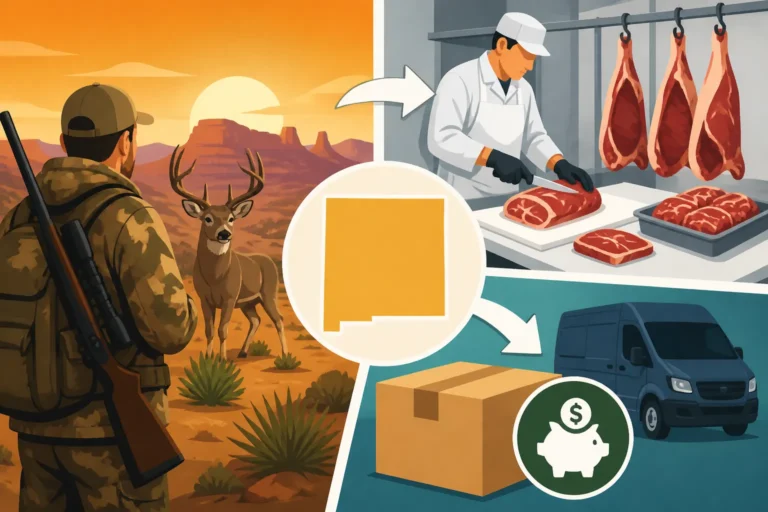
- Meat Processing & Shipping: Once you harvest an animal, you'll need to field dress it and get it to a processor. Then, if you're not local, there's the cost of shipping the meat and/or trophy home. Remember the Field Dressing in Desert Heat considerations if hunting early season.
- Tips: If any guiding services were provided, or if the landowner or their staff went above and beyond, tipping is customary and should be factored into your budget.
Ignoring these "hidden" costs can lead to an unpleasant surprise down the line. A truly realistic budget encompasses everything from the moment you leave your home until the meat is in your freezer and the trophy on your wall.
Understanding Value: Is the Investment Worth It?
This is the million-dollar question for many hunters. Is paying for private land access truly worth the investment? The answer, like most things in hunting, is "it depends." For some, the value comes from the increased chances of success on a quality animal. If your goal is a specific caliber of buck or bull, and you've been striking out in the public land draw for years, private land might be your best, most reliable pathway.
For others, the value lies in the experience itself: the peace and quiet, the ability to bring family or friends without intense competition, the freedom to scout and hunt on your own terms. The consistency and predictability that a private lease offers can eliminate much of the stress and uncertainty associated with public land draws and crowded areas.
It's a trade-off: higher financial cost for potentially higher success rates, better animal quality, more private experiences, and greater predictability. It's about weighing your personal hunting goals, your budget, and what kind of experience you prioritize. If you're tired of long odds and want to maximize your time in the field with a greater chance of success, then a private land lease could be an incredibly worthwhile investment. For a lot of folks, it’s about control and reducing the variables inherent in chasing game across vast, unregulated landscapes.
Finding and Vetting Private Land Lease Opportunities
Once you've decided that private land leasing is the route for you, the next step is actually finding suitable opportunities and, perhaps even more importantly, vetting them thoroughly. This isn't like buying a grocery item; it's a significant commitment.
Traditional and Online Avenues for Discovery
Finding private land to lease can feel like a daunting task, but there are several reliable avenues to explore.
- Word of Mouth & Local Connections: This is often the most valuable, albeit sometimes slowest, method. Talk to people! Connect with hunters who have experience in New Mexico, local landowners, ranching associations, or even small-town businesses in rural areas. Sometimes the best leases are never advertised, passed down through handshake agreements.
- Online Platforms: The digital age has certainly made this easier. Websites like BookYourHunt and GoHunt specialize in connecting hunters with private land opportunities and outfitters. These platforms often list available leases, guided hunts on private ground, and sometimes even trespass fee arrangements. They can be a great starting point for browsing what's out there and comparing options. Just be sure to read reviews and understand the platform's role.
- Land Brokers & Agents: There are professionals who specialize in brokering hunting leases. They often have established relationships with landowners and can help match you with a property that fits your criteria. While this might involve an additional fee, it can save you a tremendous amount of time and ensure a smoother process.
- Ranching & Agricultural Associations: These organizations sometimes have listings or can point you toward landowners interested in leasing hunting rights.
- Direct Contact with Landowners: If you have a specific area in mind and see promising private land parcels on a map, you can sometimes identify landowners through county assessor records and reach out directly. This requires politeness, persistence, and a clear, respectful proposal. Always be prepared for a "no," but a well-written letter or a courteous phone call can sometimes open doors.
Regardless of your initial discovery method, remember that the goal is to gather as much information as possible to make an informed decision.
Crucial Questions to Ask Potential Lessors
Never rush into a lease agreement without asking a lot of questions. This isn't just about protecting your investment; it's about ensuring the hunt meets your expectations and that there are no surprises down the road.
Here’s a checklist of crucial questions:
- Boundaries & Access: What are the exact boundaries of the huntable land? Can you get a detailed map? Are there any excluded areas (e.g., around the main house, livestock pens)? What are the access points, and are there any restrictions on vehicle use? This is critical, especially when you consider Crossing Private Ground to Reach Public Land.
- Game Density & History: What kind of game is typically seen on the property? What are recent harvest histories (antler size, success rates)? Ask for trail camera photos or testimonials from previous hunters.
- Rules & Regulations: Are there any specific rules beyond state regulations (e.g., antler restrictions, shooting hours, no target practice, specific camping spots, guest policies)? What are the rules regarding Baiting and Trail Camera Rules in New Mexico?
- What's Included/Excluded? Does the lease include lodging, blinds, stands, feeders, water sources, game retrieval assistance, or any guiding? What amenities are available?
- Other Users: Will anyone else be on the property during your lease period (other hunters, ranch hands, family members, cattle operations)? Understanding potential conflicts or shared access is vital.
- Water Sources: If it's a desert hunt, knowing about reliable water sources for both game and yourself is important. You'll want to think about Water You Must Carry on a Desert Day Hunt.
- Emergency Plan: What's the protocol in case of an emergency or injury?
- Previous Hunter Experiences: Can the lessor provide references from previous hunters?
A transparent and forthcoming landowner is usually a good sign. If they're vague or unwilling to answer detailed questions, that should raise a red flag.
The Importance of a Solid Lease Agreement
Once you've found a promising opportunity and asked all your questions, the final and arguably most important step is to secure a comprehensive, written lease agreement. Never rely on a handshake deal, no matter how trustworthy the landowner seems. A written contract protects both you and the lessor.
The agreement should clearly outline:
- Parties Involved: Names and contact information for all hunters and the landowner/lessor.
- Property Description: Legal description and clear maps of the huntable acreage.
- Lease Term: Start and end dates of the lease.
- Species & Seasons: Which species can be hunted during which seasons.
- Payment Terms: Total cost, payment schedule, and any deposit requirements.
- Rules & Restrictions: All agreed-upon rules, landowner expectations, and any specific harvest guidelines.
- Liabilities & Insurance: Who is responsible in case of injury or property damage. Often, landowners will require you to carry liability insurance or sign a waiver.
- Cancellation & Refund Policy: What happens if the hunt needs to be canceled by either party, or if weather or other unforeseen circumstances impact the hunt.
Having a clear, detailed contract minimizes misunderstandings and provides a legal framework if disputes arise. Don't be afraid to have a legal professional review the agreement if it's a substantial investment. This might seem like overkill, but it's a safeguard for everyone involved.
Rules, Regulations, and Ethical Considerations for Private Land
Just because you're hunting on private land doesn't mean you're in a regulatory vacuum. Far from it. New Mexico's state hunting laws still apply, and you also inherit a set of responsibilities to the landowner and the land itself.
State Regulations Still Apply: Tags and Hunter Ed
This is a fundamental point that sometimes gets overlooked: leasing private land does not exempt you from New Mexico's statewide hunting regulations. You still need to possess a valid New Mexico hunting license and the specific game tag for the species you are pursuing. This applies whether you drew a public land tag or obtained a private land authorization (like an EPLUS tag).
For instance, if you're hunting elk on a private lease, you must have a valid elk tag for the correct unit and season dates. Your hunter education certification, if required, also remains mandatory. Who New Mexico's Hunter Education Rule Covers is an important read if you're new to hunting in the state or bringing along a mentored youth. All rules regarding legal shooting hours, blaze orange requirements (depending on the weapon type and season), minimum caliber/draw weight, and broadhead requirements still apply. Think of the private land lease as granting you access, not as changing the fundamental laws of hunting in New Mexico. Always consult the current New Mexico Hunting Rules and Information Booklet before your hunt.
Landowner Specific Rules and Respecting the Property
Beyond state laws, every private land lease will come with a unique set of rules and expectations set by the landowner. These are usually designed to protect their property, livestock, and ensure a harmonious relationship. Violating these rules can jeopardize your lease and future hunting opportunities.
Common landowner rules often include:
- Gate Protocol: "Close every gate you open, open every gate you close" is a golden rule, especially on working ranches. Livestock can escape, and fences can be damaged.
- Vehicle Use: Restrictions on where you can drive (e.g., staying on established roads, no off-roading), speed limits, or restrictions on night driving.
- Camping: Designated camping areas, fire restrictions (especially critical in dry New Mexico summers and falls), and strict "leave no trace" policies.
- Guests: Rules regarding who else you can bring onto the property, whether they are hunting or not.
- Livestock: Avoiding disturbing or harassing cattle or other domestic animals. Hunters may be restricted from certain pastures at certain times.
- Harvest Limits Beyond State Regs: A landowner might impose stricter antler point restrictions or female harvest limits than the state allows, as part of their own game management plan. This often means passing on animals you might legally harvest on public land.
- Property Damage: No cutting fences, damaging water lines, or leaving trash.
Treating the land and the landowner with respect is paramount. This isn't just about following rules; it's about being a good steward of the land and a respectful guest. A positive relationship can open doors for future leases and make your current experience much more enjoyable.
Ethical Hunting on Leased Land
The principles of ethical hunting apply equally, if not more so, on private land. Fair chase, shot placement, and game recovery are all paramount. The perceived exclusivity of private land should never lead to complacency or unethical practices.
- Fair Chase: Uphold the spirit of fair chase. Don't take advantage of animals that are confined, or use methods that are deemed unethical by the hunting community.
- Shot Placement: Strive for clean, humane kills. Take responsible shots within your effective range.
- Game Recovery: Make every effort to recover any animal you hit. This means thorough tracking, even if it takes hours or extends into the next day. If an animal crosses a property line, understanding Retrieving Game From Private Land in New Mexico protocols with neighboring landowners (and your lessor) is crucial before it happens.
- Respect for the Animal: Field dress and care for your harvested animal properly. This includes meeting The Meat Salvage Requirements for Big Game in New Mexico.
- Respect for Neighbors: Even if you're on private land, be mindful of neighboring properties. Don't shoot near boundary lines without extreme caution, and avoid disturbing other landowners.
Ethical hunting is a reflection on all hunters. When you're on a private lease, you're not just representing yourself, but also potentially future hunters who might seek access to that property. Upholding high ethical standards ensures the longevity of private land hunting opportunities.
Maximizing Your New Mexico Private Land Lease Experience
You've secured the lease, understood the rules, and now it's time to make the most of your investment. A successful private land hunt isn't just about signing a contract; it's about strategic planning, diligent effort, and building strong relationships.
Pre-Season Scouting and Communication
One of the greatest benefits of a private land lease, especially a full-season one, is the opportunity for extensive pre-season scouting. Don't let this advantage go to waste!
- Learn the Land Intimately: Use maps (both physical and digital, like those offered by GoHunt, with property boundaries clearly marked) to identify key features: bedding areas, feeding grounds, travel corridors, water sources, natural funnels, and potential stand/blind locations. Consider the terrain – Hunting New Mexico From 4,000 Feet to 10,000 illustrates the diverse elevations and habitats you might encounter, all influencing game movement. Walk the property, identify pinch points, and understand how animals will move through it.
- Utilize Technology: Trail cameras are your best friend on private land (where legal and agreed upon by the landowner). Deploy them strategically to pattern game movement, identify specific animals, and determine rutting activity or feeding habits. This kind of intel is invaluable.
- Observe Outside of Hunting: If your lease allows, spend time on the property outside of hunting season. Observe during different times of day, different weather conditions. How do animals react to pressure, to a passing storm, or to the rancher's routine?
- Consistent Communication with the Landowner: Keep the lines of communication open. Share your observations (without being overbearing), ask questions, and report anything unusual you notice (e.g., downed fences, trespassers). The landowner often has decades of knowledge about the property and its wildlife, so tap into that invaluable resource. They might tell you about a secret water source or an unusual buck that's been seen in a specific area.
This pre-season diligence turns a simple piece of paper into a deep understanding of your hunting ground, drastically increasing your chances of success.
Setting Up Camp and Logistics
Logistics on private land can range from completely self-sufficient to fully supported, depending on your lease agreement. Careful planning here ensures a smooth and enjoyable hunt.
- Camp Rules: If camping is allowed, understand all the landowner's rules. Are fires permitted? Is there designated camping? How far from water sources or buildings must you be? Adhere to "leave no trace" principles rigorously.
- Water & Supplies: Especially in arid New Mexico, always plan for your water needs. If there's no potable water on site, you'll need to haul in plenty for drinking, cooking, and hygiene. Plan for food, fuel, and all your creature comforts.
- Egress & Emergency: Know your routes in and out of the property, especially in case of bad weather that might make roads impassable. Have a detailed emergency plan, including contact information for local authorities and the landowner. Cell service can be spotty in rural New Mexico, so consider a satellite communication device.
- Blinds & Stands: If you plan to set up ground blinds or tree stands, ensure you have the landowner's permission and understand any restrictions on permanent versus temporary setups. Remember that Tree Stand Rules That Apply on Public Land might be different than on private, but it's always best to err on the side of caution and explicit permission.
A well-organized camp and clear logistical plan allow you to focus your energy on the hunt itself, rather than wrestling with basic necessities.
Building Long-Term Relationships with Landowners
The most successful private land hunters often view their relationship with the landowner as a partnership, not just a transaction. Cultivating a strong, positive relationship can lead to incredible long-term opportunities.
- Respect & Gratitude: Always show immense respect for the landowner, their family, and their property. A simple "thank you" goes a long way. Consider a small gift at the end of the season, or offer to help with a small chore around the ranch if time permits.
- Follow the Rules: This cannot be stressed enough. Consistently adhering to all agreed-upon rules and treating the property as if it were your own is the bedrock of trust.
- Be a Good Steward: Leave the property better than you found it. Pick up any trash (even if it's not yours), report issues, and minimize your impact.
- Communicate Honestly: If something goes wrong (e.g., a gate is accidentally left open, a shot animal can't be found immediately), communicate openly and honestly with the landowner. They'll appreciate the transparency.
- Share Success (Appropriately): If you harvest an animal, share photos and the story. Landowners often take pride in the wildlife on their property and enjoy hearing about successful hunts. Offer some meat, if appropriate and desired.
Building this kind of rapport can transform a one-time lease into a multi-year agreement, potentially at a more favorable rate, or even open doors to other properties they own or know about. It's about being a trusted guest who contributes positively to the landowner's operations, rather than just a seasonal visitor.
Disclaimer
This article is for general informational purposes only and does not constitute professional advice. Laws, prices and regulations vary by location and change over time. Consult a qualified professional for guidance on your specific situation.