What Makes Unit 16D So Popular
If you've spent any time researching New Mexico hunting, you've undoubtedly heard whispers, or perhaps shouts, about Unit 16D. It's often tossed around as the unit, but for many, the 'why' remains a mystery, making it tough to decide if it's truly worth the effort and precious draw application. This guide pulls back the curtain on Unit 16D, exploring the distinct reasons behind its celebrated status and helping you understand if it's the right choice for your next New Mexico adventure.
The Geographic Allure: Wilderness, Water, and Habitat
Unit 16D is not just another block on the map; it's a significant slice of the Gila National Forest, a place synonymous with wild New Mexico. Its popularity stems directly from its untouched, sprawling geography, which acts as a powerful magnet for wildlife and a challenging draw for serious hunters. This isn't country for the faint of heart, but for those willing to put in the effort, the rewards can be monumental.
Deep Wilderness Access and Diverse Terrain
The very heart of Unit 16D lies nestled within the vast Gila Wilderness, one of the first designated wilderness areas in the United States. This designation means extensive roadless areas, providing truly deep backcountry access that can only be reached on foot or horseback. This lack of motorized access creates an incredible sanctuary for big game, allowing animals to grow old and wise, far from human pressure. The terrain itself is a mosaic of steep, rugged mountains, deep canyons carved by ancient rivers, and expansive timbered mesas. You’ll find yourself navigating through dense Ponderosa pine and Douglas fir forests at higher elevations, dropping into juniper and oak brush in the mid-slopes, and encountering riparian corridors along perennial streams. This diverse elevation band and vegetation provide everything an elk or mule deer could ever need, from security cover to abundant forage. This unit presents a true test of physical endurance and navigation skills, pushing hunters to their limits but offering unparalleled solitude and a genuine wilderness experience that many covet. If you're wondering how hunters manage to travel across such vast and varied landscapes, you might find some useful insights in our guide to Hunting New Mexico From 4,000 Feet to 10,000.
Water Sources and Their Impact on Wildlife
In an arid state like New Mexico, water is life, and Unit 16D is blessed with an abundance of it, especially compared to some of its drier counterparts. The unit boasts numerous perennial streams, such as the Gila River and its tributaries, which snake through deep canyons, creating lush riparian zones. Beyond these major waterways, countless springs, seeps, and even man-made stock tanks are scattered throughout the landscape. These vital water sources are absolute magnets for wildlife, especially during the hotter early archery seasons.
For elk and deer, these dependable water points are not just places to drink; they become social hubs, feeding areas, and critical components of their daily patterns. Animals will often bed in secure timbered areas high above a canyon, then move down to water in the evenings or early mornings. Understanding the location of these water sources is paramount for successful scouting and hunting in 16D. Hunters often spend significant time on reconnaissance, not just looking for game sign but for those critical seeps and tanks that will concentrate animals, particularly as the season progresses and other, less reliable water sources dry up. Identifying these areas is a cornerstone of strategy, and knowing how to approach them quietly and effectively is crucial.
Reputation for Trophy Elk and Deer
The Gila National Forest, and Unit 16D in particular, has long held a legendary reputation for producing exceptional big game animals. This isn't just hearsay; it's a legacy built on a combination of excellent genetics, abundant forage, and protective habitat that allows animals to mature. It's one of the primary reasons so many hunters endure the tough draw odds and physical demands to secure a tag here.
Consistent Production of Mature Bulls
When hunters talk about trophy elk in New Mexico, Unit 16D is almost always at the top of the list. The unit consistently produces mature bulls, often boasting impressive antler growth, which is a direct result of several key factors. First, the extensive wilderness and remote nature of the unit allow bulls to reach older age classes. Fewer roads mean less pressure and more security cover, enabling them to survive multiple hunting seasons. Secondly, the Gila’s diverse and rich habitat provides superior nutrition. From lush canyon bottoms to high-country meadows, the varying plant life ensures a year-round food supply that supports robust body condition and, consequently, significant antler development.
It's this combination of age and nutrition that culminates in the potential for truly magnificent animals. While no hunt is ever guaranteed, the potential for a Boone and Crockett bull here is real, making it a dream destination for many. Hunters often spend years applying, driven by the tales and harvest photos of 350-inch-plus bulls that frequently come out of this area. The challenge of a Gila hunt, combined with the prospect of harvesting such a majestic animal, is a powerful draw. You might be interested in delving deeper into Why New Mexico's Gila Grows Big Bulls for more context on the entire region's exceptionalism.
Healthy Mule Deer Populations
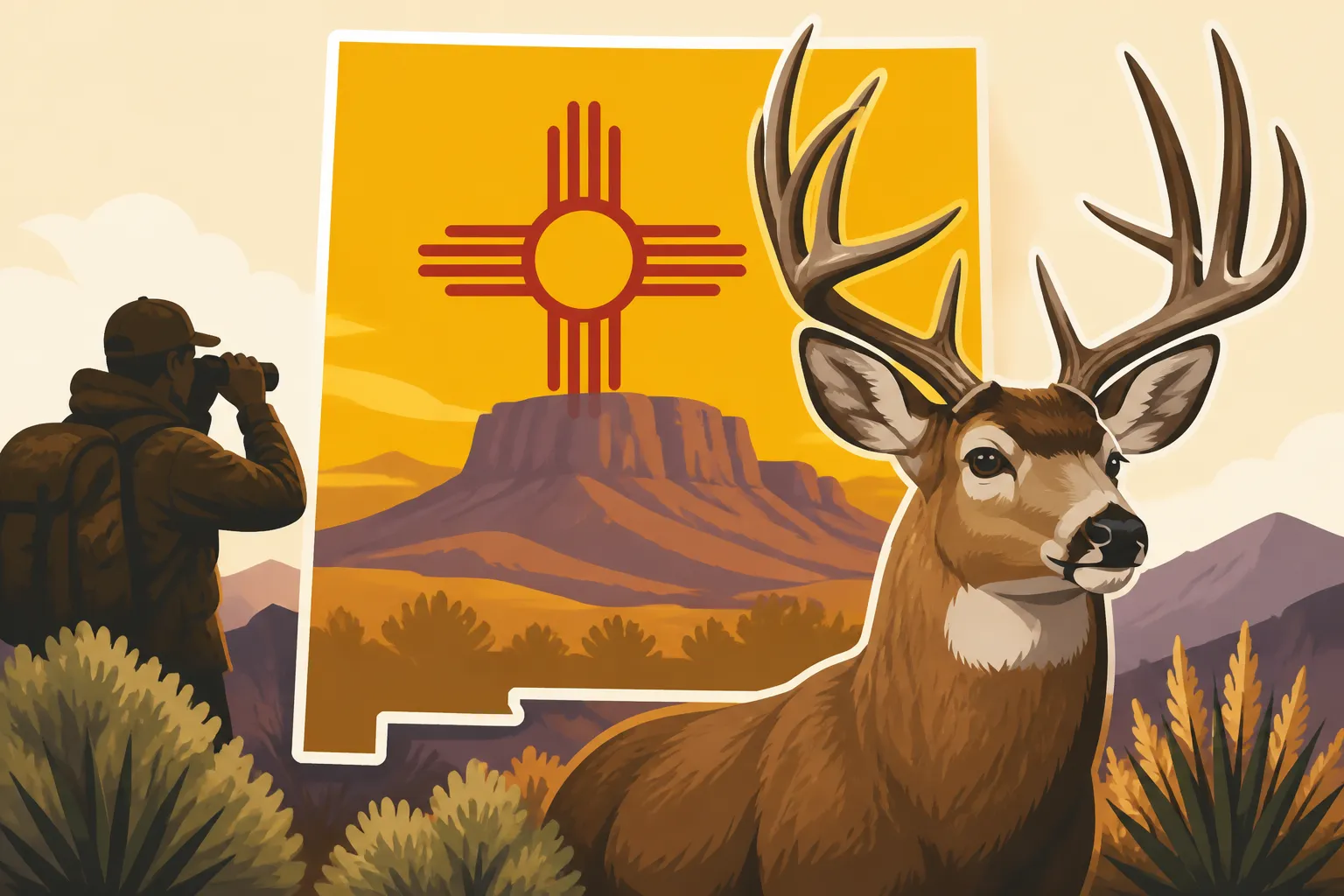
While elk often steal the spotlight in Unit 16D, the unit also supports healthy and robust mule deer populations. These deer thrive in the diverse habitats, from the timbered slopes to the more open, oak-brush-dotted hillsides. The same factors that contribute to healthy elk — security cover, diverse forage, and dependable water — also benefit mule deer, allowing bucks to reach maturity and express their full antler potential.
Hunters often find mule deer in the transitional zones, where the dense timber meets more open country, or along the rimrock edges of the canyons. While perhaps not as widely known for world-class mule deer as some other New Mexico units, 16D offers excellent opportunities for quality bucks, often as a bonus to an elk hunt, or as a dedicated pursuit. The sheer vastness of the unit means that deer, like elk, can disappear into pockets of untouched habitat, providing an exciting challenge for those who enjoy spot and stalk hunting in rugged terrain.
Hunter Experience and Opportunity
Unit 16D isn't just about the animals; it's about the entire hunting experience. For many, its popularity lies not only in the trophy potential but in the profound sense of adventure, challenge, and solitude it offers. It's a place where you truly earn your harvest, and the memories forged often last a lifetime.
Challenging Yet Rewarding Backcountry Hunting
Make no mistake: hunting Unit 16D is physically demanding. The rugged, roadless terrain means you'll be covering miles on foot, often with significant elevation changes, and packing out an animal can be an epic undertaking. However, this very challenge is a core part of its appeal. It filters out those unwilling to put in the work, leading to less hunting pressure in the deeper reaches of the unit. This often translates into a more pristine, wilder experience where you're more likely to encounter undisturbed game.
The reward for this effort goes beyond a filled tag. It's the profound sense of accomplishment, the breathtaking views from a remote ridge, the quiet moments of spotting an unpressured herd, and the deep satisfaction of earning an animal from true wilderness. Many hunters seek this kind of immersive, unplugged adventure, and 16D delivers it in spades. It’s an ideal setting for those looking to master Packing an Elk Out of the Gila Alone, a task that truly embodies the spirit of self-reliance this unit demands.
Diverse Season Opportunities
Unit 16D offers a variety of hunting opportunities across different seasons, catering to various hunting styles and preferences. This diversity contributes significantly to its popularity, as it provides multiple chances for hunters to draw a tag and experience the Gila.
- Archery Season: The early archery seasons are incredibly popular, offering hunters the chance to pursue elk during the bugle, creating an intense, adrenaline-fueled experience. The challenge of getting close to a rutting bull with a bow in this rugged country is a pinnacle for many bowhunters. You'll find separate timeframes for New Mexico's First and Second Archery Deer Seasons, each presenting unique conditions.
- Muzzleloader Season: Muzzleloader hunts in 16D are highly coveted. They often fall during prime times, offering a blend of traditional hunting methods with the chance to hunt animals that might be less pressured than during the rifle season. The added challenge of a muzzleloader in such vast terrain appeals to a specific group of dedicated hunters. For those interested in this method, exploring New Mexico Muzzleloader Deer Season Windows can provide useful scheduling information.
- Rifle Season: The rifle seasons in 16D, while perhaps drawing the most applicants, still offer exceptional opportunities. The ability to cover more ground and take longer shots can be advantageous in the open country and deep canyons. However, the unit's topography still demands a high level of skill, patience, and often, a well-chosen rifle like those discussed in Choosing a Rifle for Gila Timber and Canyons.
This range of seasons means that no matter your preferred weapon, Unit 16D likely has a hunt for you, increasing its overall appeal and cementing its status as a premier destination.
Strategic Insights for Drawing a 16D Tag
Given Unit 16D's popularity and reputation, drawing a tag is notoriously difficult. However, understanding the draw system and preparing effectively can significantly improve your chances and ensure you're ready if you do beat the odds.
| Feature | Unit 16D Characteristics | Hunter Impact |
|---|---|---|
| Primary Game | Trophy Elk, Mule Deer | High potential for exceptional animals, but demanding hunt. |
| Terrain | Rugged mountains, deep canyons, dense timber, riparian areas | Physically challenging; requires excellent navigation, fitness, and resilience. |
| Public Land % | Very High (predominantly Gila Wilderness) | Excellent access to vast, unpressured areas; mandates deep backcountry skills. |
| Access | Limited motorized access; extensive trail network; often requires pack-in | Solitude and wild experience; necessitates thorough planning, gear, and possibly horses. |
| Water Sources | Numerous perennial streams, springs, stock tanks | Critical game concentration points; requires careful scouting and strategic hunting. |
| Hunting Pressure | Low in deep backcountry, higher near accessible trailheads | Reward for effort is solitude and less-pressured animals. |
| Draw Difficulty | Extremely High | Requires a consistent application strategy and realistic expectations. |
Understanding Draw Odds and Application Strategy
New Mexico’s draw system is famously fair, operating as a true lottery without a preference point system. This means that every applicant, whether it's their first time applying or their tenth, has the same statistical chance of drawing a tag in any given year. This unique aspect is a major part of 16D's popularity because it means anyone could get lucky and draw that coveted tag.
However, "even odds" doesn't mean "easy odds." For a prime unit like 16D, draw odds can be abysmal, often in the low single digits for non-residents, and only slightly better for residents. This is where strategic application comes into play. Many savvy hunters turn to resources like GoHunt to dissect historical draw data and gain a competitive edge. They analyze success rates for different hunt codes, species, and resident/non-resident pools to make informed choices. While you can't accumulate points, you can optimize your choices on your application, perhaps listing a high-demand hunt as your first choice and a more attainable hunt as a second or third option. It's crucial to be realistic about your chances but never to give up, as that one lucky draw could be just around the corner. Learning how to navigate Reading New Mexico Hunt Draw Statistics is an essential skill for any applicant.
Preparing for a Successful 16D Hunt
Drawing a Unit 16D tag is only the first hurdle; preparing for the hunt itself is an entirely different beast. This isn't a hunt you can walk into unprepared. Physical fitness is paramount; the terrain is relentless, and the difference between success and failure often comes down to your ability to cover ground and handle the rigors of the backcountry. Long training hikes with a loaded pack, focused on inclines, are a must.
E-scouting is another critical component. With the unit's vastness and limited on-the-ground scouting opportunities for many, utilizing mapping platforms like GoHunt and satellite imagery to identify potential game funnels, water sources, bedding areas, and access points is invaluable. It helps you prioritize areas to investigate once you arrive. Remember, much of 16D is wilderness, meaning no drones are allowed for scouting. You'll need to rely on topographic maps, aerial photos, and your own two feet. Finally, consider whether a guided or DIY hunt is right for you. Given the remoteness and challenge, some hunters opt for a professional outfitter who knows the area intimately, especially if it's their first time. Regardless, don't underestimate the mental and physical preparation required for a successful 16D hunt. For those coming from lower elevations, a good resource on Altitude Preparation for a Gila Elk Hunt can be a game-changer.
Disclaimer
This article is for general informational purposes only and does not constitute professional advice. Laws, prices and regulations vary by location and change over time. Consult a qualified professional for guidance on your specific situation.