How Oryx Were Introduced to New Mexico
Have you ever been driving across the vast, open landscapes of New Mexico, maybe near the White Sands, and done a double-take at a magnificent animal that looks like it walked straight out of an African safari documentary? That's an oryx, and if you're like most folks, your next thought is probably, "How in the world did that get here?" It's a question I hear all the time, and it speaks to one of the most fascinating and successful wildlife introductions in the state's history. This guide will walk you through the remarkable journey of how oryx came to call New Mexico home, transforming our hunting landscape forever.
A Desert Odyssey: The Vision for New Mexico Oryx
The idea of introducing a non-native species into an ecosystem is never taken lightly, and in the mid-20th century, the minds behind New Mexico's wildlife management programs were looking for something truly special. They weren't just thinking about a new animal; they were envisioning a new opportunity for big game hunting, one that would thrive in the state's unique arid and semi-arid environments where other species might struggle.
Why Introduce a Non-Native Species?
Back in the late 1950s, the New Mexico Department of Game and Fish had a clear goal: to diversify the state's big game hunting opportunities. They were looking for a large, robust game animal that could not only survive but truly thrive in the seemingly harsh, dry landscapes of southern New Mexico. The native species, while cherished, often face challenges with drought and limited forage in these areas. The thought was, if a species from a similar environment could adapt, it would provide a new, challenging hunt and a resilient population for the future.
The selection process was meticulous. Biologists studied various exotic species, considering factors like their dietary habits, water requirements, reproductive rates, and their potential impact on existing ecosystems and agricultural interests. They sought an animal that was hardy, adaptable, and offered a significant challenge to hunters. They needed a creature that wasn't going to compete directly with mule deer or pronghorn, but rather utilize resources that were often under-tapped. This careful consideration laid the groundwork for one of the most ambitious wildlife projects the state had ever undertaken.
The African Connection: Where They Came From
After extensive research, the choice fell upon the Gemsbok, a specific subspecies of oryx native to the Kalahari Desert in Southern Africa. The Gemsbok (scientific name: Oryx gazella) stood out for several compelling reasons. Its natural habitat in Africa mirrored parts of New Mexico: vast, open plains, sparse vegetation, extreme temperatures, and limited water sources. They are incredibly efficient at extracting moisture from the plants they eat, can go for extended periods without drinking free water, and possess a remarkable ability to regulate their body temperature in intense heat.
These animals are also striking in appearance, with long, spear-like horns carried by both males and females, and a distinctive black and white facial pattern. Their impressive size and formidable horns made them a highly sought-after trophy animal in their native lands, which dovetailed perfectly with the department's goal of introducing a premier big game species. The initial individuals were acquired through a cooperative agreement with the private game ranches and zoos, meticulously selected for health and genetic diversity before making the long journey across the Atlantic to their new desert home.
The Early Years: Acclimation and Initial Release
Bringing an animal from one continent to another is a monumental task, and the initial phase of the oryx introduction was handled with extreme care and scientific rigor. It wasn't just about dropping them off and hoping for the best; it was a carefully orchestrated process designed to give these magnificent creatures the best possible chance at survival and establishment.
The Initial Stocking Program
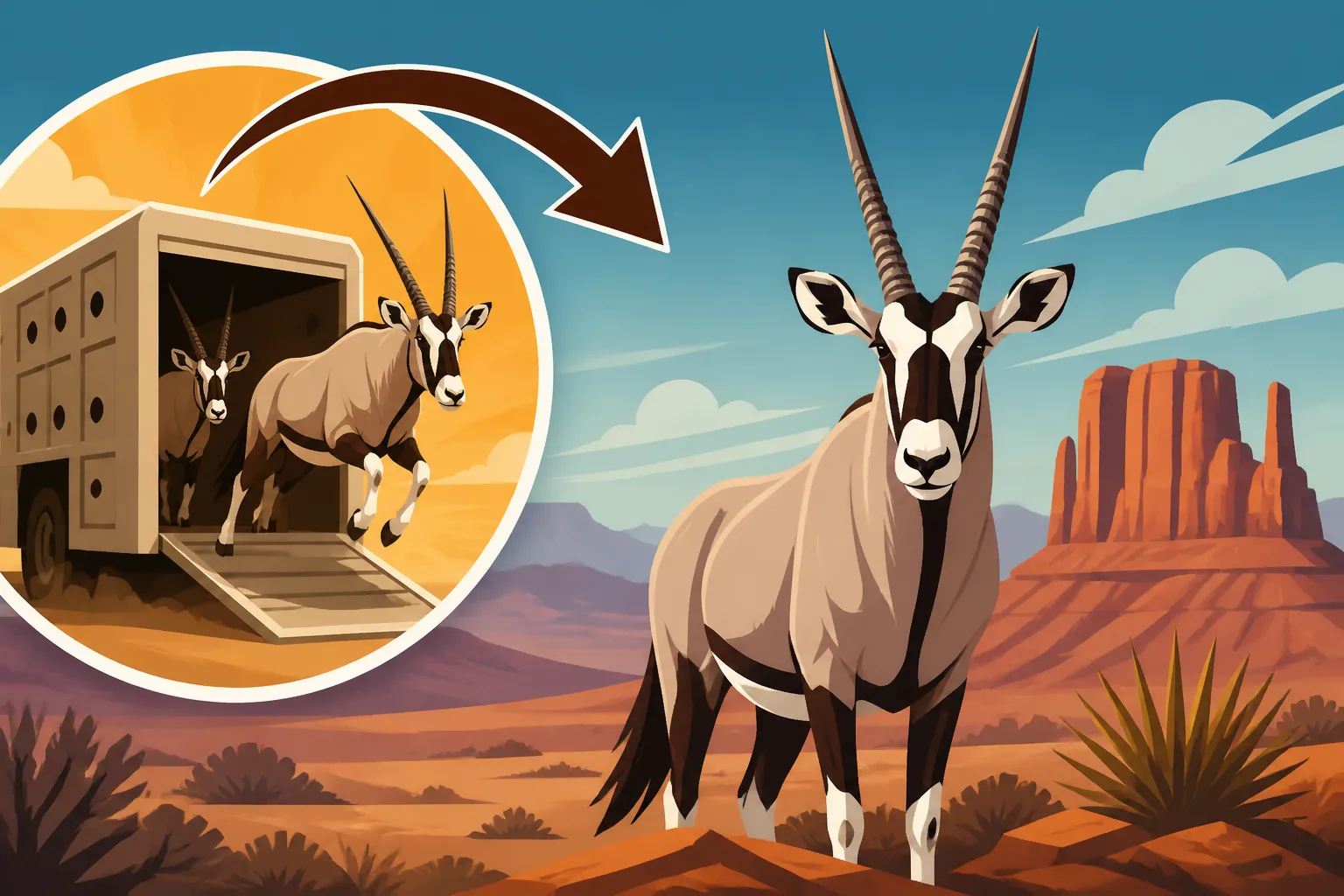
The first groups of oryx arrived in New Mexico in the late 1960s, specifically between 1969 and 1973. A relatively small number, totaling 93 animals, were released directly onto the vast expanse of the White Sands Missile Range (WSMR) near Alamogordo. This location was chosen for several critical reasons. First, its immense size and controlled access provided a sanctuary free from immediate human disturbance, allowing the oryx to acclimate and reproduce without undue pressure. Second, the habitat within WSMR was deemed highly suitable, offering open grasslands, mesquite, and other desert shrubs that mirrored their native African diet and conditions.
These initial releases were not random. Biologists monitored the animals closely, observing their behavior, diet, and interactions with the new environment. The goal was to establish a breeding population, so the focus was on ensuring their survival and reproductive success in these critical early years. It was a pioneering effort, truly a leap of faith backed by sound ecological principles, hoping that these desert specialists would take to the New Mexico landscape.
Adapting to the Land of Enchantment
To everyone's delight, the Gemsbok adapted with remarkable success. They quickly demonstrated their inherent hardiness and ability to thrive in the Chihuahuan Desert ecosystem. Their primary diet consisted of grasses, forbs, and shrubs, many of which were readily available on the missile range. Their exceptional water conservation abilities meant they weren't reliant on perennial water sources, allowing them to utilize vast areas of the desert that other large ungulates might avoid.
Predation from native coyotes and mountain lions proved to be less of a limiting factor than initially feared, largely due to the oryx's formidable horns and herd defense strategies. Within a few years, the population began to grow, spreading slowly but surely across the expansive military reservation. The scientific monitoring continued, providing invaluable data on their movements, population dynamics, and overall health. This period of rapid adaptation proved that the initial vision was not just a pipe dream; the oryx were truly becoming a part of New Mexico. The success of these early years laid the foundation for the thriving population we see today.
From Conservation to Controlled Harvest: Managing a Thriving Herd
The success of the oryx introduction was, in many ways, almost too successful. Their adaptability and high reproductive rates meant that their numbers quickly surpassed initial expectations, leading to new management challenges and, ultimately, the establishment of one of the state's most coveted hunting opportunities.
Population Growth and Expansion
Once established, the oryx population exploded. Free from significant predators and competition, and with ample habitat and forage on the White Sands Missile Range, their numbers grew exponentially. This rapid growth led to their expansion beyond the boundaries of the WSMR. Soon, herds were being spotted in adjacent public and private lands, forming what are now known as "off-range" populations. This expansion was a testament to their resilience but also presented new considerations for wildlife managers.
While exciting, unchecked population growth can lead to overgrazing, habitat degradation, and potential conflicts with agriculture. The New Mexico Department of Game and Fish realized that a proactive management strategy was essential to maintain a healthy, sustainable population while minimizing potential negative impacts. This is where hunting, as a management tool, entered the picture. Regular monitoring, often using aerial surveys, helps track these growing numbers. Resources like GoHunt are fantastic for hunters to delve into data and understand these population trends when planning for hunts.
The Role of Hunting in Management
With the burgeoning oryx population, hunting became a critical component of the species' management plan. Instituting controlled hunts allowed the department to regulate herd numbers, ensuring they remained within the ecological carrying capacity of the land. This prevents overgrazing and maintains a balance with native species. Furthermore, the revenue generated from oryx hunting licenses and application fees directly supports conservation efforts, not just for oryx, but for all wildlife throughout New Mexico.
The first public oryx hunt took place in 1974, just a few years after the initial releases. These hunts are highly controlled and typically require successful draw results, making an oryx tag one of the hardest to come by in the state. Hunters eager to learn more about the specifics of these unique opportunities often look into how an oryx hunt actually runs, discovering the intricacies of hunting this formidable animal in the desert environment. The managed harvest ensures that the population remains robust, healthy, and provides a sustainable hunting experience for years to come.
Today's Oryx: A Unique New Mexico Experience
The story of the oryx in New Mexico is a testament to thoughtful wildlife management and the incredible adaptability of a species. From a handful of animals released decades ago, they have become an iconic part of the state's natural and hunting heritage, offering an experience unlike any other in North America.
White Sands Missile Range: The Core Population
Today, the White Sands Missile Range remains the heart of New Mexico's oryx population. This vast military installation, while restricted in access, provides an ideal habitat for these animals. Its sheer size, diverse desert flora, and limited human disturbance create a sanctuary where oryx thrive. Hunters who are lucky enough to draw a coveted White Sands tag will find themselves navigating a truly unique landscape, often under the strict guidance of military personnel due to the nature of the active missile range.
Hunting Oryx on an Active Missile Range is a privilege that comes with specific regulations and procedures, emphasizing safety and adherence to military protocols. The experience itself is legendary, with the dramatic white gypsum dunes providing a breathtaking backdrop to the pursuit of these majestic animals. The controlled environment of WSMR has allowed the oryx to flourish, making it the premier location for hunting them in New Mexico. You can find detailed information on what to expect if your draw leads you to this special area.
Off-Range Herds and Future Management
While the White Sands Missile Range holds the densest population, oryx have successfully established themselves in various "off-range" units throughout south-central New Mexico. These populations are typically smaller and more dispersed, presenting a different kind of hunting challenge for those who draw these tags. These off-range hunts often occur on Bureau of Land Management (BLM) and State Trust Lands, requiring hunters to possess strong glassing skills and a deep understanding of desert terrain.
The management of these off-range herds is crucial. Biologists continuously monitor their expansion and impact, and hunting quotas are carefully adjusted to maintain ecological balance. For hunters eyeing these opportunities, studying the New Mexico Oryx Draw Odds is an essential first step. Many hunters consult platforms like GoHunt for their comprehensive draw odds data, unit breakdowns, and harvest statistics, which are invaluable for strategic application planning, especially for such a sought-after species. These off-range hunts are becoming increasingly popular, offering a more traditional public land hunting experience, albeit for a truly exotic species.
Benefits and Challenges of a Non-Native Species
The introduction of oryx to New Mexico is widely considered a conservation success story, particularly from a hunting and economic perspective. They've provided an unparalleled big game hunting opportunity, drawing hunters from across the country and generating substantial revenue for wildlife management. Furthermore, they've proven to be remarkably resilient in harsh desert environments, filling an ecological niche without significant adverse impacts on native species or habitats that were initially feared by some.
However, it's also important to acknowledge the ongoing discussions and considerations surrounding any non-native introduction. While the oryx have largely integrated well, monitoring continues to ensure no unforeseen long-term ecological consequences arise. For example, understanding their specific foraging habits and movement patterns remains crucial for effective management. Ultimately, the oryx stands as a powerful example of how strategic, scientifically-backed wildlife management, coupled with controlled hunting, can create unique and valuable natural resources, enriching both the landscape and the hunting heritage of New Mexico.
| Year Range | Event | Significance | Location |
|---|---|---|---|
| Late 1950s | Initial Research & Planning | Identification of Gemsbok as suitable species for introduction. | New Mexico Dept. of Game and Fish |
| 1969-1973 | Initial Stocking Program | 93 Oryx released onto White Sands Missile Range (WSMR). | White Sands Missile Range |
| 1974 | First Public Hunt | Introduction of controlled hunting to manage growing population. | New Mexico |
| Post-1974 | Population Expansion | Oryx spread beyond WSMR, establishing "off-range" herds. | South-Central New Mexico |
| Present | Ongoing Management | Active hunting seasons, biological monitoring, and habitat assessment. | New Mexico |
Disclaimer
This article is for general informational purposes only and does not constitute professional advice. Laws, prices and regulations vary by location and change over time. Consult a qualified professional for guidance on your specific situation.