The Outfitter Share of New Mexico Tags
It can feel incredibly frustrating to navigate the complex world of big game tags, especially when you're looking at states like New Mexico with a unique allocation system. For many hunters, the "outfitter share" is a mysterious piece of the puzzle, making draw odds seem even more opaque. This guide is here to pull back the curtain, explaining exactly what the outfitter share of New Mexico tags is, how it works, and what it means for every hunter hoping to draw a coveted tag in the Land of Enchantment.
Understanding New Mexico's Tag Allocation System
Before we dive specifically into the outfitter share, it’s crucial to grasp the foundational structure of how New Mexico distributes its big game tags. Unlike some other states that use preference points or bonus points, New Mexico operates on a pure lottery system, meaning every applicant in a given pool has an equal chance, regardless of how many times they've applied before. This system is designed to provide opportunities across the board, but it's broken down into very distinct categories.
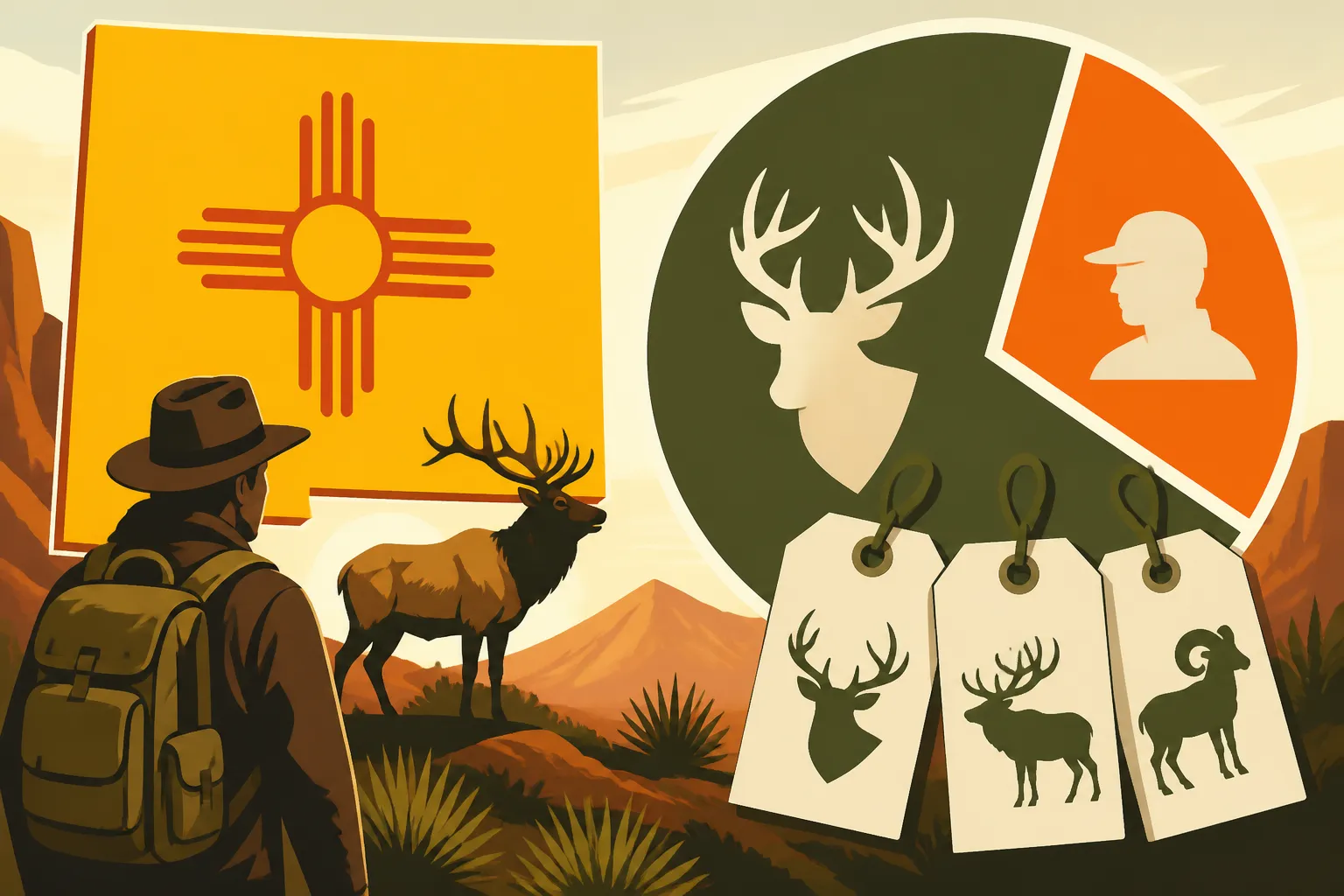
The New Mexico Department of Game and Fish (NMDGF) divides its draw tags into three primary pools: residents, nonresidents applying with a licensed New Mexico outfitter, and nonresidents applying unguided. The percentages are set by law and are a cornerstone of the state's hunting regulations. Many hunters are aware that New Mexico Splits Every Hunt 84, 10 and 6 Percent but the nuances within those splits often get lost in translation. The largest share, a generous 84%, is reserved for New Mexico residents. This makes perfect sense; the state aims to prioritize its own citizens. Then, for nonresidents, the remaining 16% is further divided. Ten percent goes to those applying with an outfitter, and a mere 6% is left for nonresidents who choose to go it alone, without the assistance of a licensed guide. Understanding these percentages is the first step to making sense of your draw odds.
The Outfitter Share Explained
So, what exactly is this 10% outfitter share? Simply put, it's a specific allocation of draw tags set aside for nonresident hunters who have secured a signed contract with a New Mexico-licensed outfitter before applying for the draw. This isn't a separate draw altogether, but rather a distinct pool within the overall lottery. When you apply for a tag with an outfitter's license number linked to your application, you're competing only against other nonresident outfitter clients for that specific 10% of tags.
The rationale behind this allocation is multifaceted. Primarily, it's a way for the state to support its local hunting economy by incentivizing the use of licensed New Mexico outfitters. These businesses contribute to the state's tourism, employ locals, and often maintain equipment and infrastructure that supports hunting access and conservation efforts. It also, in theory, encourages responsible hunting practices by placing hunters with experienced professionals who are deeply familiar with the terrain, regulations, and ethical standards. Many newcomers to New Mexico hunting find the idea of The New Mexico Outfitter Draw and Its Two-Day Rule to be a significant barrier, but it’s an essential part of the outfitter pool.
It’s important to clarify that this 10% is not additional tags created out of thin air. It’s a segment carved out of the total tags available for nonresidents. So, if a unit has 100 elk tags, 84 go to residents. Of the remaining 16, 10 tags are for outfitter clients, and 6 are for unguided nonresidents. This distinction is critical because it means that if you're a nonresident applying without an outfitter, you're competing for a much smaller slice of the pie.
How the Outfitter Pool Impacts Your Draw Odds
This is where the rubber meets the road for many aspiring New Mexico hunters. The outfitter pool significantly shapes draw odds, particularly for nonresidents. Let's break down the impact.
For New Mexico residents, the outfitter pool doesn't directly affect their 84% allocation. They are in their own competition, vying for the vast majority of tags. However, the presence of nonresident hunters, regardless of their application pool, does add overall pressure to the resource and the draw system.
For nonresidents applying unguided, the impact is quite stark. You are competing for that slim 6% of tags. This smaller pool, combined with the often high demand for New Mexico's quality hunts, can lead to very challenging odds. Many hunters use platforms like GoHunt to meticulously analyze past draw statistics, and what they often see is significantly lower success rates for unguided nonresidents compared to those in the outfitter pool for many popular units and species. It can certainly feel like an uphill battle, knowing that a large chunk of nonresident tags is simply out of reach without a guide.
Now, for nonresidents who do choose to apply with an outfitter, they enter the 10% pool. Does applying in this pool actually Does a New Mexico Outfitter Application Improve Odds? It's a question many ask, and the answer is nuanced. In many highly sought-after units, the sheer volume of applicants in the unguided 6% pool can make the outfitter 10% pool statistically easier to draw from, simply because there are fewer applicants vying for those tags. This doesn't mean it's a guaranteed tag – far from it – but it can sometimes offer a slightly better mathematical chance, especially for premium units or species like elk or oryx.
However, this potential improvement in odds comes with a significant caveat: the cost. Guided hunts represent a substantial financial investment that goes far beyond the tag fee itself. Hunters often leverage resources like GoHunt's draw odds analysis, which frequently details outfitter pool statistics, to weigh the potential improvement in draw odds against the considerable financial commitment required for a guided experience. It’s a decision that requires careful consideration of both your budget and your desire for a New Mexico hunting adventure.
Applying Through the Outfitter Pool: What You Need to Know
Deciding to apply through the outfitter pool is a serious commitment that requires careful planning. It’s not as simple as checking a box on your application.
First, you need to select and secure a reputable New Mexico-licensed outfitter. This process should ideally begin well in advance of the March application deadline. Vetting a New Mexico Outfitter Before You Send a Deposit is absolutely essential. Look for outfitters with a proven track record, good references, and a clear understanding of the units and species you're interested in. You’ll want to discuss their availability, what’s included in their packages, and their pricing structure.
Once you’ve chosen an outfitter, you’ll enter into a formal agreement. New Mexico requires The New Mexico Guide-Client Contract Requirement, a signed document between you and the outfitter. This contract is a legal agreement that specifies the species, unit, season, and services the outfitter will provide. Critically, it will also include the outfitter's license number, which you will need for your application. This contract ensures accountability and clarity for both parties.
When it comes time to submit your application, you will Applying Under a New Mexico Outfitter Number by entering their valid license number in the designated field. This action flags your application as part of the 10% outfitter pool. Without this, your application will default to the unguided nonresident 6% pool, regardless of any informal arrangements you might have made.
Another key piece of the puzzle is the "two-day accompaniment rule." New Mexico law stipulates that for you to be eligible for a tag drawn from the outfitter pool, your contracted outfitter or one of their registered guides must physically accompany you in the field for a minimum of two calendar days during your hunt. This isn't just a formality; it's a legal requirement designed to ensure that the spirit of the outfitter program—providing guidance and support—is upheld. Understanding New Mexico's Two-Day Accompaniment Rule Explained is crucial, as any failure to comply could jeopardize your hunt.
The financial aspect cannot be overstated. When considering applying with an outfitter, you need to budget for the full cost of a guided hunt, which includes the outfitter's fee, the state license fee, and the tag fee, if successful. For example, What a Guided New Mexico Elk Hunt Costs can range significantly, often running into many thousands of dollars, depending on the outfitter, the unit, and the duration and amenities of the hunt. This makes the decision about entering the outfitter pool not just about improving draw odds, but about a substantial financial investment in your hunting experience.
To give you a clearer picture of how these pools can differ, here’s a simplified illustration of potential draw odds for a hypothetical, highly sought-after elk hunt in a specific unit. Please remember these are illustrative and not real-time odds.
| Applicant Type | Allocation Pool | Tags Available (Illustrative) | Average Applicants (Illustrative) | Hypothetical Odds |
|---|---|---|---|---|
| New Mexico Resident | 84% | 84 | 1500 | 1 in 18 |
| Nonresident (Outfitter Client) | 10% | 10 | 150 | 1 in 15 |
| Nonresident (Unguided) | 6% | 6 | 250 | 1 in 42 |
As you can see, even with slightly fewer tags, the outfitter pool (10%) could potentially offer better odds than the unguided nonresident pool (6%) due to a lower number of total applicants competing for those tags. This table highlights why some nonresidents opt for the outfitter route, despite the added cost.
Considerations Beyond the Draw Odds
While draw odds are a significant factor, choosing to apply through the outfitter pool involves far more than just a numbers game. You're investing in an entire experience.
The most obvious consideration is the significant financial investment. Guided hunts provide a comprehensive service package that typically includes camp setup, meals, transportation in the field, expert guidance on game location and stalking, field dressing, and often assistance with game retrieval. For hunters unfamiliar with New Mexico's vast and challenging terrain, particularly wilderness areas like the Gila National Forest, an outfitter's local knowledge is invaluable. They know the water sources, the bedding areas, and the travel corridors, often better than any e-scouting app could reveal.
Beyond the practical services, an outfitter provides a level of mentorship and safety. Navigating remote backcountry, especially at higher elevations or in rugged desert environments, carries inherent risks. A professional outfitter comes equipped with wilderness first aid knowledge, emergency communication devices, and extensive experience mitigating hazards. This can turn a potentially daunting DIY trip into a much safer and more enjoyable adventure, allowing you to focus on the hunt itself.
Outfitters often have access to areas that are difficult for the average hunter to reach. This could include exclusive private land leases or simply the logistical capability to run pack strings deep into wilderness areas, offering a true backcountry experience. If you’re considering a pack-in hunt, resources such as Booking Around New Mexico's March Deadline can often connect you with outfitters who specialize in these types of remote expeditions.
However, it's vital to do your due diligence. Not all outfitters are created equal. It's important to ask for references, check reviews, and verify their licensing status with the NMDGF. You can often find a list of reputable, Where New Mexico Lists Registered Outfitters, which is a good starting point. Be clear about your expectations and ensure they align with what the outfitter offers.
Common Misconceptions About the Outfitter Pool
Despite its clear definition, the New Mexico outfitter pool still generates a fair amount of misunderstanding. Let's clear up some common myths:
"It's a guaranteed tag." This is perhaps the biggest misconception. Applying with an outfitter does not guarantee you a tag. You are still entering a lottery, albeit one with potentially different (and sometimes better) odds than the unguided nonresident pool. There's no way to bypass the draw system entirely for state-issued tags through an outfitter. You still need luck on your side, and there are many instances where even outfitter clients fail to draw a tag.
"Residents can use the outfitter pool." This is incorrect. The 10% outfitter allocation is specifically for nonresidents. Residents have their own 84% pool and are not eligible to apply through the outfitter pool. The rules on Can Residents Use the New Mexico Outfitter Pool? are very clear on this.
"It's a way to 'buy' a tag." While a significant financial investment is required for a guided hunt, you are not directly "buying" a tag. You are contracting for services, and as part of that contract, you become eligible to apply in a specific draw pool. The tag itself is still awarded through the lottery process, and the fee for the tag still goes to the state. The money you pay the outfitter covers their expertise, logistical support, and time, not the right to a tag itself.
Understanding these distinctions is crucial for managing expectations and making informed decisions about your New Mexico hunting strategy.
Disclaimer
Please remember that hunting regulations, fees, and season dates are subject to change. Always consult the most current New Mexico Department of Game and Fish hunting proclamation before planning and applying for any hunt. The information provided here is for general guidance and informational purposes only.