Ranch Access on Eastern Plains Units
Finding a prime hunting spot in New Mexico can often feel like an uphill battle, especially when you're looking at the vast, seemingly open spaces of the Eastern Plains. The frustrating reality for many hunters is that while these units are teeming with deer and pronghorn, a huge percentage of that ground is privately owned ranchland, making access a real head-scratcher. This guide is here to walk you through the ins and outs of securing ranch access on New Mexico's Eastern Plains units, helping you unlock those coveted hunting opportunities that many hunters overlook because they simply don't know where to start.
Understanding the Landscape of Eastern Plains Ranches
The Eastern Plains of New Mexico present a unique set of challenges and opportunities for hunters. Unlike the sprawling national forests and BLM lands in the western part of the state, this region is predominantly a patchwork of private ranches, often passed down through generations. While this can seem daunting at first, it's crucial to understand this landscape to effectively plan your hunt.
The Challenge of Private Dominance
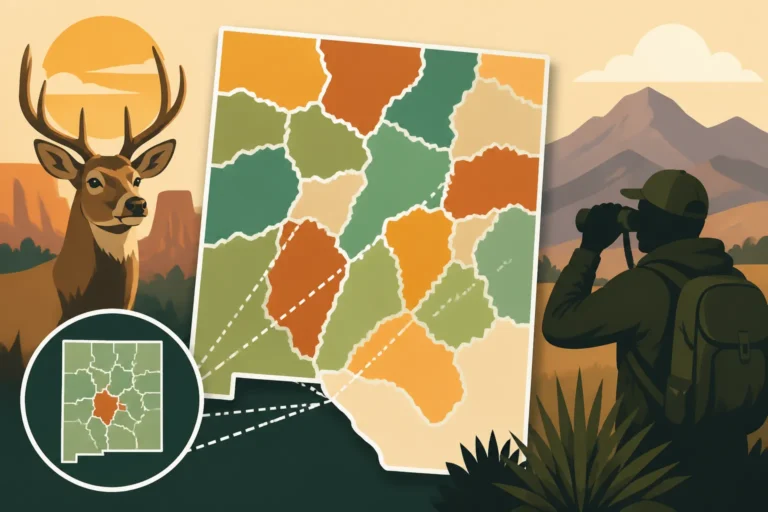
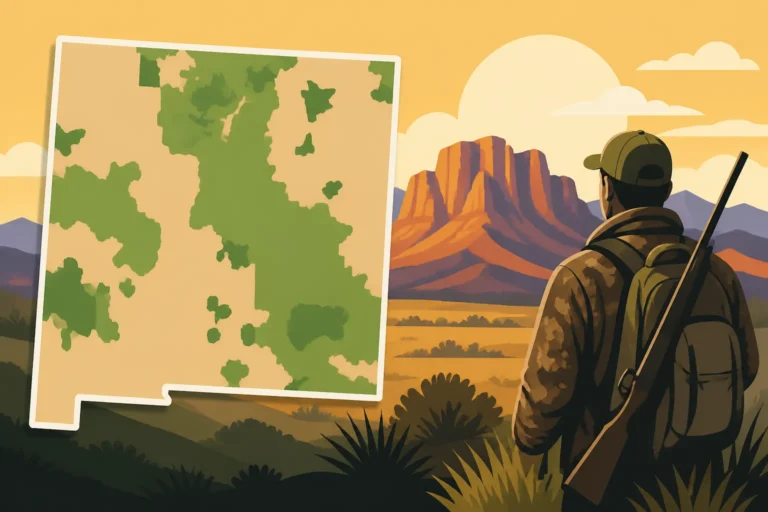
When you look at a land ownership map of New Mexico's eastern units, particularly those known for their excellent pronghorn and mule deer populations, you'll quickly notice just how much of the land is privately owned. We're talking about vast expanses where public land might be limited to small, scattered sections of State Trust Land or Bureau of Land Management (BLM) parcels, often landlocked by private property. This dominance of private ground means that simply showing up with a public land tag and hoping to find a spot to hunt isn't a viable strategy for success.
The challenge isn't just about finding any private land; it's about identifying land that actually offers hunting access. Many ranchers run cattle operations or cultivate crops, and while they might have abundant game, hunting isn't always their primary concern, or they might already have existing agreements. This is where the detective work begins, requiring patience, respect, and a proactive approach. Without understanding this fundamental aspect of the Eastern Plains, you'll likely spend more time driving past "No Trespassing" signs than actually hunting. It really emphasizes the importance of knowing Where Private Ground Dominates in New Mexico before you even apply for a tag.
Types of Ranches You'll Encounter
The ranches on New Mexico's Eastern Plains aren't all cut from the same cloth. You'll find a variety of operations, and understanding these differences can help tailor your approach when seeking access.
Some ranches are primarily cattle operations, focused on grazing. These often have large tracts of open grasslands, which are ideal habitat for species like pronghorn. The landowners might be more open to hunting if it doesn't interfere with their livestock or if they're experiencing wildlife-related issues, such as too many deer grazing their fields. Other ranches might be more geared towards agriculture, with extensive crop fields that attract deer and sometimes even a few migrating waterfowl. Hunting access here might be more restricted, perhaps limited to specific times of the year after harvests, or focused on managing specific problematic animals.
Then there are ranches that have already established hunting operations, either through commercial leases or by directly guiding hunts. These are typically more organized, but also come with a higher price tag. They often have specific seasons, limits, and rules in place, reflecting their experience in managing hunts. Recognizing what kind of operation a ranch is running can help you frame your request for access in a way that aligns with their interests, or at least helps you understand if they're even in the business of offering hunting opportunities.
Game Species on Eastern Plains Ranches
While New Mexico is famous for its Gila elk, the Eastern Plains units truly shine for other species. The most sought-after animals you'll typically find on these ranches are pronghorn and mule deer, with excellent opportunities for both.
The open grasslands and rolling hills provide ideal habitat for pronghorn, and these private ranches often hold impressive herds. Access to these properties can mean the difference between a frustrating public land chase in fragmented areas and a quality hunt on ground where the animals are less pressured. Many hunters specifically target these units for their pronghorn potential. For a deeper dive into hunting these amazing animals, you might want to check out Pronghorn on New Mexico's Eastern Plains or New Mexico Pronghorn Season Timing.
Mule deer also thrive in the draws, arroyos, and pockets of brush found on many Eastern Plains ranches. While not as heavily timbered as some of the high-country mule deer units, these plains deer can grow to impressive sizes, finding refuge and forage within the private land boundaries. Securing access to a ranch with good mule deer habitat can be incredibly rewarding. Beyond big game, these ranches also offer fantastic opportunities for small game and bird hunting, particularly for bobwhite and scaled quail, pheasants, and various dove species. Bobwhite on the Eastern Grassland and Quail, Dove and New Mexico's Small Game can give you an idea of what to expect in terms of upland bird potential.
Methods for Gaining Access
Since public land is often limited on the Eastern Plains, gaining access to private ranchland becomes paramount for a successful hunt. This isn't always easy, but with persistence, a polite demeanor, and sometimes a willingness to open your wallet, it's definitely achievable.
Direct Landowner Contact: The Cold Call
One of the most traditional, and often most effective, methods of gaining access is simply to knock on doors or make phone calls. This "cold call" approach requires a thick skin and a friendly attitude. Start by using mapping tools like onX Hunt to identify property boundaries and landowner names. With a name in hand, you might be able to find contact information online or through local county records.
When you make contact, whether in person or over the phone, be respectful, concise, and clear about your intentions. Introduce yourself, explain that you're interested in hunting, and ask if they ever allow access. Be prepared for a "no," but also be ready to discuss what you might offer in return. Maybe you can help with a chore, assist with predator control, or simply offer a modest trespass fee. Emphasize that you'll be responsible, respect their property, close all gates, and leave no trace. Building a relationship is key, and sometimes it takes multiple attempts over several years before a landowner trusts you enough to grant access. Persistence here can really pay off in the long run.
Formal Lease Agreements and Trespass Fees
For more structured access, especially on ranches that are already accustomed to hunters, you'll likely encounter formal lease agreements or per-day/per-animal trespass fees. These arrangements provide a clear understanding of expectations for both parties.
A lease agreement might grant you exclusive hunting rights for a specific period (e.g., an entire season or year) on a designated portion of their ranch. This is often the most secure form of access but also the most expensive. It usually involves a written contract outlining responsibilities, liability, species allowed, and harvest limits. Trespass fees are more common for short-term access, like a weekend deer hunt or a few days for pronghorn. The landowner charges a fee for the privilege of hunting on their property, often per hunter, per day, or sometimes a flat fee per animal harvested. These fees can vary widely depending on the quality of the hunting, the species, and the demand. Understanding What Ranch Access Typically Costs and Trespass Fee Arrangements on New Mexico Ranches can help you budget and negotiate. Always ensure that any agreement, whether a full lease or a trespass fee, is clearly documented, even if it's just a simple signed letter, to avoid misunderstandings later.
Utilizing Outfitters for Private Land Hunts
If the thought of cold-calling ranchers or negotiating leases feels overwhelming, or if you're specifically targeting a trophy animal, hiring an outfitter who has established private land access is an excellent option. Many New Mexico outfitters specialize in hunting the Eastern Plains and have long-standing relationships with ranch owners.
Outfitters often secure exclusive hunting rights on prime private properties, offering guided or semi-guided hunts to their clients. This takes all the guesswork out of finding access and often puts you on ground that is managed for quality animals. While this is generally the most expensive route, it significantly increases your chances of a successful hunt and often provides a more comfortable, organized experience. They handle all the access arrangements, provide scouting, and offer expertise in the field. This can be especially appealing for non-resident hunters or those with limited time. If you're considering this option, research reputable outfitters who operate in the Eastern Plains units. The New Mexico Outfitter Draw and Its Two-Day Rule is a good resource to understand how outfitters factor into the New Mexico hunting system, even if you're not using the draw pool. You can also explore What a New Mexico EPLUS Guided Hunt Costs if you're looking for elk opportunities on private land, although EPLUS is more focused on elk, the concept of paying for private land access through an outfitter holds true for other species as well.
Navigating Legalities and Ethics
Hunting on private land comes with a critical responsibility to understand and adhere to both the law and ethical considerations. Neglecting these aspects can lead to severe consequences for you and can jeopardize future access for all hunters.
The Absolute Necessity of Written Permission
In New Mexico, verbal permission to hunt on private land is legally insufficient. You must obtain written permission from the landowner. This isn't just a suggestion; it's the law. This permission should clearly state who is allowed to hunt, the dates, the specific property boundaries, and what species are permitted. A simple letter signed by the landowner, or a formal lease agreement, will suffice. Without it, you are technically trespassing, even if the landowner verbally told you it was okay.
Always carry this written permission with you while hunting. Should a game warden or law enforcement officer encounter you on private property, this document is your proof of legal access. This legal requirement is in place to protect both hunters and landowners, ensuring clarity and accountability. Don't risk a citation or worse; always get it in writing. This is so vital that we have a whole guide dedicated to Getting Written Permission in New Mexico.
Respecting Boundaries and Property Lines
Even with written permission, it is your responsibility as a hunter to know exactly where the property lines are. Mapping applications like onX Hunt are invaluable for this. You can download satellite imagery and property ownership layers to your phone, allowing you to see your exact location relative to fences, roads, and boundary markers, even without cell service. Before you even set foot on the property, study these maps intently.
It's common for private ranches on the Eastern Plains to be bordered by other private properties, and sometimes by small slivers of public land. Accidentally crossing onto adjacent private property without permission is trespassing, even if you didn't mean to. Always err on the side of caution. If there's a fence, assume it's a boundary. If you're not absolutely sure, don't cross it. Over time, you'll learn to read the subtle cues of the landscape that indicate property lines, but technology provides an indispensable layer of certainty.
Game Retrieval Across Fences
The moment of truth arrives: you've made a great shot, and your animal drops… right across the fence on neighboring private property where you don't have permission. This is a tough situation that many hunters face. In New Mexico, you generally cannot trespass onto private property to retrieve downed game without the landowner's permission.
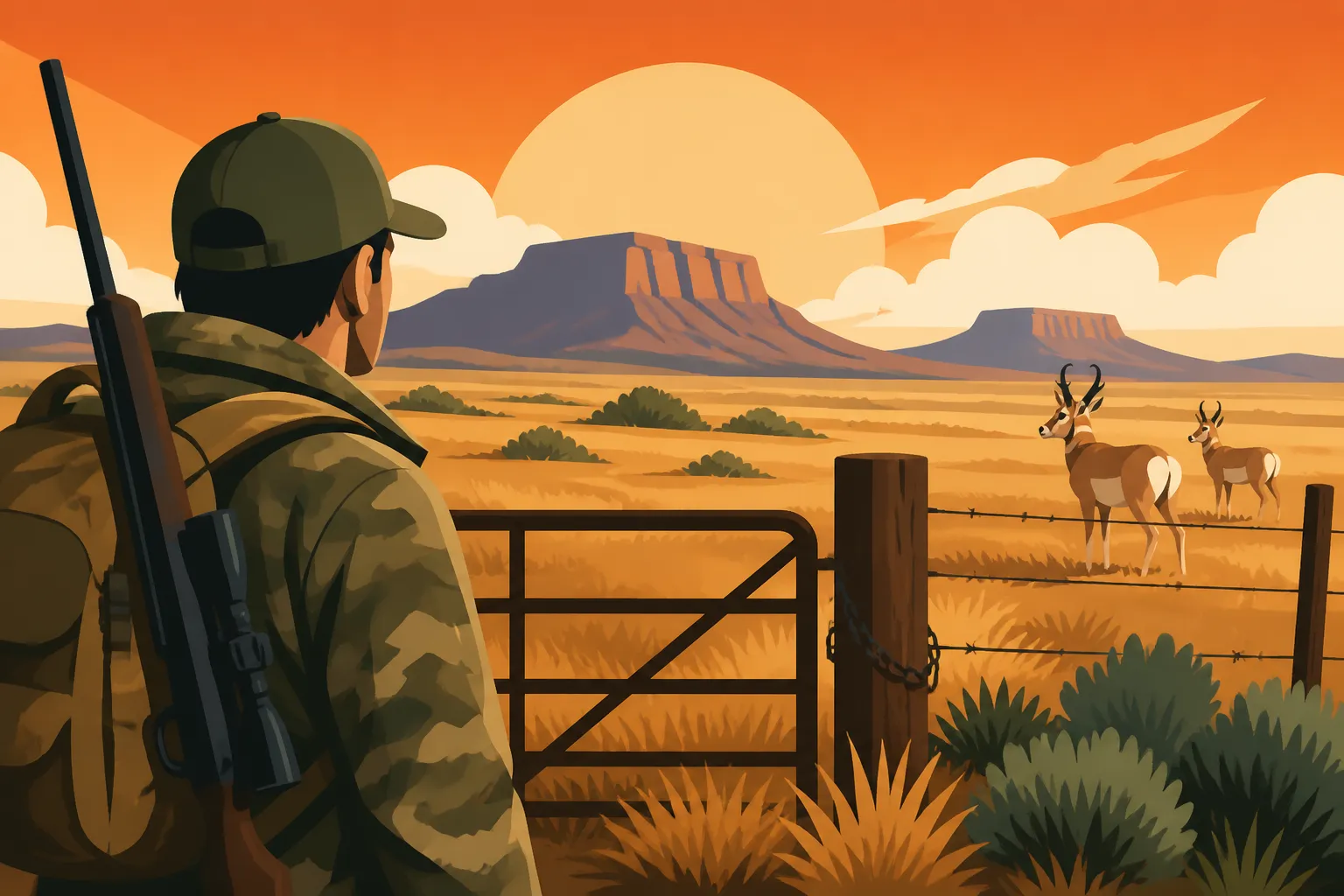
The ethical and legal course of action is to immediately contact the landowner of the property where the animal lies. Explain the situation calmly and respectfully, and ask for permission to retrieve your game. Be prepared to wait, and be willing to let them retrieve it for you if they prefer. Under no circumstances should you cross the fence without explicit permission. Attempting to retrieve game without permission is still trespassing and can lead to serious legal trouble. A little forethought can help prevent this: when possible, try to position yourself to take a shot that keeps the animal on the property where you have legal access. However, accidents happen, and knowing the proper procedure is crucial. The Trespass Law on Posted Property outlines the legal ramifications of violating these rules.
Leveraging Technology for Access
In today's hunting world, technology isn't just a convenience; it's an absolute game-changer, especially when it comes to navigating private lands and finding access. Modern tools can save you countless hours of scouting and help you avoid costly mistakes.
Mapping Apps: Your Digital Scout
Without a doubt, mapping applications like onX Hunt are indispensable for anyone trying to gain ranch access on New Mexico's Eastern Plains. These apps allow you to see detailed aerial imagery overlaid with property boundaries, landowner names, and land status (public, private, State Trust Land, etc.). This means you can identify exactly whose land you're looking at from your couch, long before you ever drive out there.
Using onX Hunt, you can zoom in and pinpoint potential access points, identify areas of public land that might be accessible via easements, and even mark gates or fences that serve as key boundary markers. This digital scouting capability empowers you to research specific ranches that might offer good hunting opportunities. You can then use this information to target your direct landowner contact efforts, making informed requests rather than blind inquiries. Learning to interpret these layers correctly is an art form that pays dividends. For more on this, check out Using onX Layers for New Mexico Public Land.
Researching Landowners
Beyond simply showing property lines, technology can assist in researching the landowners themselves. Once you have a name from a mapping app, you can often delve deeper. Online county assessor's websites sometimes provide contact information, or at least a mailing address. Local phone books or online search engines can also be helpful.
Another valuable resource is hunter-focused platforms like GoHunt. While primarily known for draw odds and unit breakdowns, they often have tools or community forums where hunters share information about unit characteristics, including the challenges and successes of gaining private land access. Some premium services might even offer landowner contact databases or tips for specific regions. Remember, thorough research helps you approach landowners more professionally and increases your chances of success. It also gives you insights into whether a property owner might be receptive to hunters, based on previous arrangements or community reputation. This detailed e-scouting can make a huge difference in your planning process, as highlighted in E-Scouting a New Mexico Unit Before the Season.
Comparison of Private Land Access Methods
Here's a quick look at the different ways you might gain access to those Eastern Plains ranches:
| Access Method | Pros | Cons | Cost Implications | Effort Level |
|---|---|---|---|---|
| Direct Contact | Potentially free or low-cost; builds relationships; most personal. | High chance of rejection; time-consuming; requires persistence. | Low to moderate (trespass fee) | High |
| Trespass Fees | Clear, short-term agreement; less commitment; often for specific dates. | Can add up quickly; less control over property; may be competitive. | Moderate (per day/animal) | Medium |
| Formal Lease | Exclusive access for duration; secured hunting rights; specific terms. | Most expensive; long-term commitment; legal documentation needed. | High (annual fee) | High |
| Outfitter Service | Hassle-free; expert guidance; often prime, managed land; high success. | Highest cost; less personal freedom; fixed dates/species. | Very High (all-inclusive) | Low |
This table is a good starting point, but remember, every ranch and every landowner is unique. The best approach is often a blend of these methods, tailored to your specific hunt and budget.
Disclaimer
This article is for general informational purposes only and does not constitute professional advice. Laws, prices and regulations vary by location and change over time. Consult a qualified professional for guidance on your specific situation.