What a New Mexico EPLUS Guided Hunt Costs
Embarking on a guided EPLUS hunt in New Mexico is an exciting prospect, promising access to some incredible game animals without navigating the public draw system. However, for many hunters, especially those new to the state or the EPLUS system, the cost structure can feel like a tangled thicket. This guide aims to demystify what goes into the price tag of a New Mexico EPLUS guided hunt, helping you understand each component so you can budget wisely and plan for an unforgettable adventure.
Understanding New Mexico's EPLUS Program First
Before we dive into the dollars and cents, it's crucial to grasp what an EPLUS authorization actually is and how it functions within New Mexico's hunting landscape. This isn't just a fancy name; it's a fundamentally different way to secure a tag.
What EPLUS Authorizations Are and Are Not
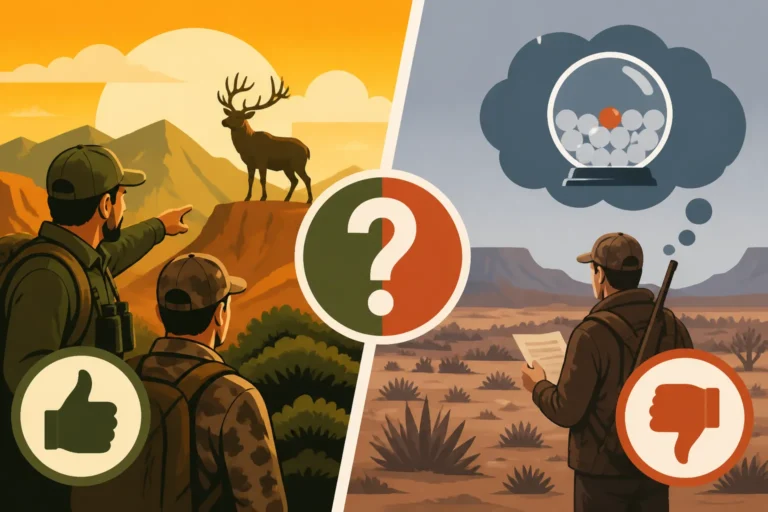
EPLUS stands for "Elk Private Land Use System," though the authorizations can cover other species like deer or pronghorn on private land. The key takeaway here is "private land." Unlike the traditional public land draw that allocates tags through a lottery system run by the New Mexico Department of Game and Fish, EPLUS authorizations are allocated directly to landowners. These landowners, in turn, can use them for their own hunting, sell them directly to hunters, or most commonly, allocate them to an outfitter who then bundles them with guiding services.
What EPLUS authorizations are not is a shortcut to drawing a public land tag. They operate completely outside of the general draw. If you're hoping for a public land Gila elk hunt through the state lottery, EPLUS isn't involved. Think of it as an alternative pathway, primarily for private land hunting opportunities, though some unit-wide EPLUS tags can grant access to adjacent public land within a specific unit, provided you have legal access across the private property. This distinction is vital because it directly impacts the cost structure, as you're essentially paying for an authorization that didn't come through the highly competitive public draw. You might find it helpful to read about How New Mexico EPLUS Authorizations Are Issued for a deeper dive into the system itself.
How Outfitters Access and Sell EPLUS Tags
Outfitters play a significant role in the EPLUS system. Many outfitters in New Mexico have established relationships with landowners, securing a block of EPLUS authorizations each year. This is a mutually beneficial arrangement: landowners get a return on their wildlife resource, and outfitters gain access to huntable ground and guaranteed tags for their clients, bypassing the uncertainty of the public draw.
When you book a guided EPLUS hunt through an outfitter, you're usually buying a package deal. This package includes the EPLUS authorization itself – essentially your hunting permit – plus the outfitter's services. It's rare for an outfitter to sell just the EPLUS authorization without their guiding services attached, though it can happen in specific scenarios. This bundling means the price reflects not only the value of the tag but also all the logistics, expertise, and support that a professional outfitter provides. Understanding that these two distinct components (the tag and the service) are often combined is the first step in decoding the overall cost.
The Components of a Guided EPLUS Hunt Cost
Let's break down the primary elements that contribute to the overall price you'll pay for a New Mexico EPLUS guided hunt. It's never just one flat fee; it's a sum of several distinct parts.
The EPLUS Authorization Itself
The EPLUS authorization, or what many hunters simply call the "tag," is often the single largest component of the overall hunt cost. This isn't merely an administrative fee; it represents the value of the hunting opportunity on specific private land or, in the case of unit-wide EPLUS tags, the ability to hunt within an entire game unit. The cost of these authorizations can fluctuate wildly based on several factors:
- Species: Elk EPLUS authorizations typically command a higher price than those for mule deer or pronghorn, simply due to the demand and perceived trophy potential of elk.
- Unit Reputation: Authorizations for units renowned for producing large bulls or bucks, like some of the premier Gila units, will inherently be more expensive. A unit with a history of high success rates and quality animals adds significant value to the EPLUS tag. Why New Mexico's Gila Grows Big Bulls
- Unit-Wide vs. Ranch-Only: Unit-wide EPLUS tags, which allow hunting within the entire game unit (including public land, provided you can legally access it), are generally more costly than ranch-only tags, which restrict you to a specific private property. The broader hunting opportunity of a unit-wide tag justifies the higher price.
- Season Dates: Premium dates, especially those coinciding with the elk rut in September or prime deer rut periods, will push the cost up. The demand for these specific windows is always higher.
It's important to recognize that this EPLUS authorization cost is distinct from any guiding fees. You are, in essence, purchasing access to a hunting opportunity that bypassed the public draw. This separation allows outfitters to be transparent about what you're paying for the tag versus what you're paying for their services.
Outfitter Service Fees and What They Cover
Beyond the EPLUS tag, the bulk of your expenditure will be for the outfitter's services. This is where the term "guided hunt" truly comes into play, and it can encompass a wide spectrum of offerings, each with its own price point. Outfitters tailor their services to different hunter needs and budgets.
- Full-Service Guided Hunts: This is the most comprehensive and, consequently, the most expensive option. A full-service hunt typically includes a dedicated guide (often 1-on-1 or 2-on-1 hunter-to-guide ratio), all meals, comfortable lodging (which could range from a lodge to a wall tent camp), transportation within the hunting area, field dressing of game, and sometimes even packing out your animal. The outfitter handles virtually every aspect of the hunt, allowing you to focus solely on the experience. The level of comfort and amenities can greatly influence the price; a luxurious lodge experience will naturally cost more than a rustic spike camp. What a Fully Guided New Mexico Elk Hunt Includes provides a good overview of what to expect from these high-end options.
- Semi-Guided Hunts: This option offers a middle ground. Outfitters might provide basic camp setup, a map of productive areas, and perhaps some initial scouting assistance, but you and your hunting partners do most of the actual hunting, calling, and stalking yourselves. Meals and lodging might be included, but the daily, close-quarters guiding presence is reduced or absent. This can be a more budget-friendly choice for experienced hunters who want the benefit of local knowledge and logistical support without the full hands-on guidance.
- Drop Camps: A drop camp is the most basic guided service. The outfitter packs you and your gear into a remote location, sets up a camp (often a wall tent with basic amenities), and then leaves you to hunt independently. They'll return at a pre-arranged time to pack out you, your gear, and any game harvested. This is ideal for self-sufficient hunters who want to access deep wilderness areas without owning pack animals or the expertise to navigate them. It’s significantly less expensive than a fully guided hunt because the outfitter’s active time with you in the field is minimal.
The outfitter's fees also reflect their overhead: insurance, equipment maintenance (trucks, horses, tents, cooking gear), staff wages, advertising, and the years of experience and local knowledge they bring to the table. Reputable outfitters with a long track record of success in specific units will often command higher prices, and rightly so, for the value they provide.
Beyond the Base Price: Hidden and Variable Costs
When planning your EPLUS guided hunt, it’s critical to look beyond the initial quote from the outfitter. Several other expenses can add up quickly, and budgeting for them from the start prevents unwelcome surprises down the line.
Additional Expenses to Budget For
These are the costs that aren't typically bundled into the outfitter's base price but are absolutely necessary for your hunt.
- State Hunting License and Stamps: Regardless of whether you draw a public tag or buy an EPLUS authorization, you'll need a New Mexico Game Hunting License. For non-residents, this is a significant expense itself. Additionally, you'll need a Habitat Management & Access Validation (HMAV) and a Habitat Stamp if you plan to hunt on federal lands. These fees are mandatory and are paid directly to the state, not the outfitter. You can learn more about The Nonresident New Mexico Game Hunting License and what it covers.
- Travel Costs: Factor in flights to New Mexico (often to Albuquerque, El Paso, or smaller regional airports), rental car expenses, fuel for driving to the hunting area, and potentially pre- or post-hunt hotel stays. If you're driving your own vehicle, consider the wear and tear and gas mileage over long distances.
- Meat Processing and Shipping: After a successful hunt, you'll need to process your animal. This can range from doing it yourself in camp (if facilities allow) to hiring a professional butcher in a nearby town. If you want to take the meat home, especially if flying, prepare for shipping costs, which can be substantial for large game like elk. These costs are almost never included in the outfitter's fee. For more details on this, look into Meat Processing and Shipping Costs.
- Taxidermy: If you harvest a trophy animal, you'll likely want to preserve it. Taxidermy fees are a separate, often considerable, expense, and you'll also need to arrange for shipping the cape and antlers.
- Tips for Guides and Camp Staff: Tipping is customary in the guiding industry and is a significant part of a guide's income. A general guideline is to tip 10-20% of the hunt's base cost, distributed among your guide and any camp cooks or support staff. This should be a planned expense, not an afterthought. Consider reading about How Much to Tip a Hunting Guide for more context.
- Personal Gear: While not strictly a "hunt cost," ensuring you have the right clothing, optics, boots, rifle/bow, and ammunition is essential. Don't skimp here; quality gear can make or break your experience, especially in New Mexico's diverse and often challenging terrain.
- Contingency Fund: Always budget extra for unforeseen circumstances – a flat tire, an extra night in a hotel due to bad weather, or an unexpected equipment repair.
Factors That Drive Price Fluctuations
The cost of a New Mexico EPLUS guided hunt isn't static; it's a dynamic figure influenced by numerous market and logistical factors.
- Demand and Scarcity: EPLUS authorizations for prime units and species are finite. When demand is high, prices naturally increase. If a particular unit has a reputation for exceptional animals or high success rates, outfitters can charge more for the limited EPLUS tags they control.
- Specific Unit and Terrain: Hunting in easily accessible areas might be less expensive than a hunt deep in the Gila Wilderness, which requires extensive logistics, pack animals, and a higher guide-to-hunter ratio. More rugged terrain means more effort and specialized equipment from the outfitter, translating to higher costs.
- Trophy Quality Focus: Some outfitters specialize in trophy hunts, focusing on specific age-class animals, which inherently comes with a higher price tag due to the increased effort, time, and specific knowledge required to locate and harvest such animals.
- Included Amenities and Luxury Level: As mentioned, the difference between a spike camp and a full lodge with gourmet meals is substantial. The more amenities and comfort provided, the higher the price. Some outfitters even offer private chefs or unique experiences that push costs up.
- Timing of the Hunt: Rut hunts are almost always more expensive due to higher demand. Early archery seasons for elk, for example, often fall during the peak rut, making those EPLUS hunts highly sought after and thus pricier.
- Reputation and Success Rates of the Outfitter: Outfitters with a proven track record of client success and high satisfaction often charge more, reflecting their experience and consistency. You can use resources like GoHunt for researching unit quality and historic success, and BookYourHunt to find outfitters and sometimes even see their stated success rates. These platforms can be invaluable for cross-referencing information and ensuring you're getting a clear picture of what an outfitter offers.
Making Sense of Quotes and Booking Smart
Navigating the world of guided hunts, especially with the complexities of the EPLUS system, requires diligence. It's not just about finding a price but understanding what that price truly entails.
Vetting Outfitters and Understanding Contracts
Once you start receiving quotes, don't just look at the bottom line. Dig into the details. A thorough contract is your best friend when booking a guided hunt. Ensure it clearly outlines what's included and what's not, minimizing misunderstandings later. Reading about The New Mexico Guide-Client Contract You Must Sign can help you understand the legal expectations.
Ask specific questions:
- What is the exact duration of the hunt? How many full hunting days?
- What is the hunter-to-guide ratio?
- What kind of lodging and meals are provided?
- Is transportation from the nearest airport or meeting point included?
- Are there any additional fees for field dressing, caping, or packing out game?
- What are the cancellation and refund policies? What happens if you have to cancel, or if the outfitter has to? This is especially critical. You'll want to review Reading the Cancellation and Refund Terms carefully.
- Can they provide references from past clients for EPLUS hunts? This is invaluable for gauging an outfitter's reliability and the quality of their service.
- Are there any trophy fees if you harvest a larger-than-average animal? While less common with EPLUS tags, it's worth clarifying.
How to Find and Compare EPLUS Guided Hunts
Finding the right EPLUS guided hunt is a process of research, communication, and comparison.
- Start Your Research Early: High-demand EPLUS hunts, especially for trophy elk, often book out a year or more in advance. Start looking at least 12-18 months before your desired hunt date. This also applies to securing an outfitter spot, even if you are waiting on the draw. For some tips on this, read Booking Before New Mexico Draw Results Land.
- Utilize Online Platforms: Websites like BookYourHunt can be excellent starting points. They aggregate listings from various outfitters, allowing you to filter by species, location, and even price range. While they won't list exact EPLUS costs, they provide a good overview of outfitter packages and what's generally included. You can also explore GoHunt for in-depth unit data, success rates, and potential outfitter contacts, helping you match your hunting goals with specific unit opportunities.
- Direct Communication is Key: Once you've identified a few potential outfitters, call them. Email is fine for initial contact, but a phone conversation allows you to ask detailed questions, get a feel for their professionalism, and clarify any ambiguities in their offerings. Don't be afraid to ask about specific EPLUS authorization costs versus guiding fees.
- Compare Apples to Apples: When comparing quotes, ensure you're looking at similar services. A cheaper hunt might be semi-guided with rustic lodging, while a more expensive one is fully guided with luxurious amenities. Understand what each outfitter is offering to make an informed decision. Don't forget that How New Mexico EPLUS Authorizations Reach Hunters is an important part of understanding where these tags originate.
By diligently researching, asking the right questions, and understanding all the components of a New Mexico EPLUS guided hunt, you can make a confident decision and look forward to an incredible adventure in the Land of Enchantment.
| Cost Component | Typically Included in Outfitter Price (Full-Service) | Typically NOT Included (Hunter's Responsibility) |
|---|---|---|
| EPLUS Authorization (Tag) | Usually bundled into the total hunt package | N/A (this is the core offering) |
| Outfitter Guiding Service | Yes | N/A |
| Meals | Yes | Snacks, specialty drinks, alcohol |
| Lodging | Yes (lodge, camp, wall tent, hotel) | Pre/post-hunt hotel stays outside of contracted days |
| Field Dressing/Packing Game | Yes (to camp or trailhead) | Meat processing (butcher), shipping meat |
| In-hunt Transportation | Yes (ATV, truck, horses) | Travel to/from New Mexico, rental car, fuel |
| Hunter Game License | No | New Mexico Game Hunting License, HMAV, Habitat Stamp |
| Taxidermy | No | All taxidermy fees, shipping |
| Gratuities | No | Tips for guides and camp staff |
| Personal Hunting Gear | No | Clothing, boots, rifle/bow, ammo, optics |
| Contingency | No | Unexpected expenses, delays |
Disclaimer
This article is for general informational purposes only and does not constitute professional advice. Laws, prices and regulations vary by location and change over time. Consult a qualified professional for guidance on your specific situation.