Where Private Ground Dominates in New Mexico
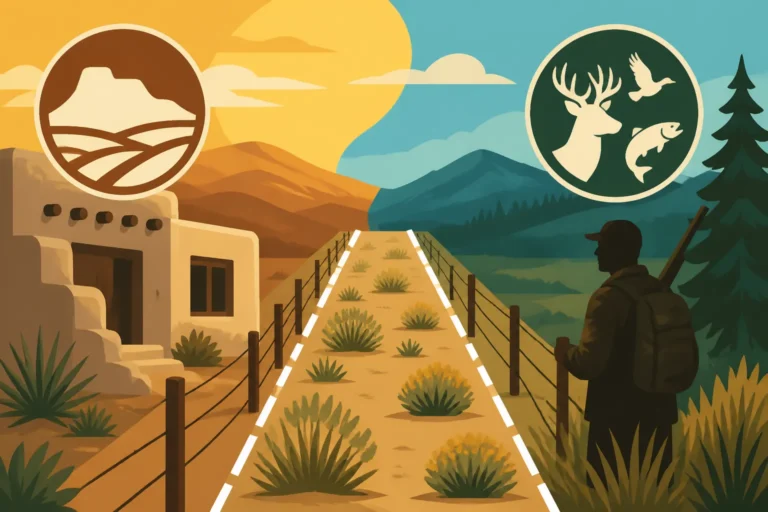
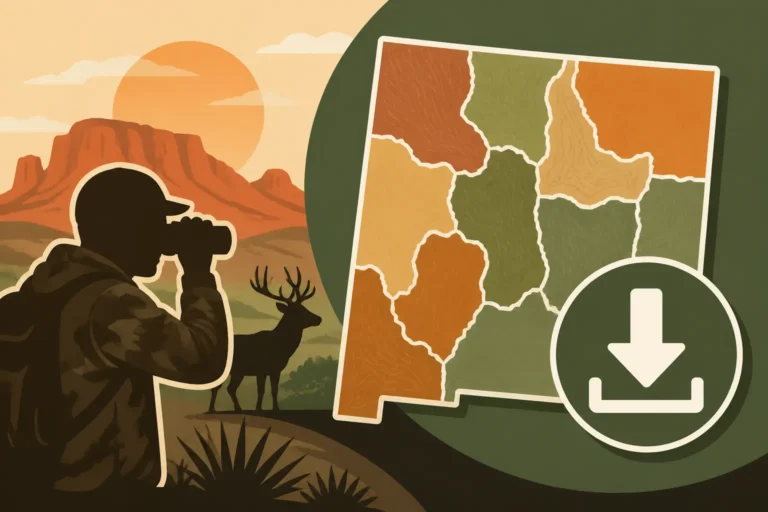
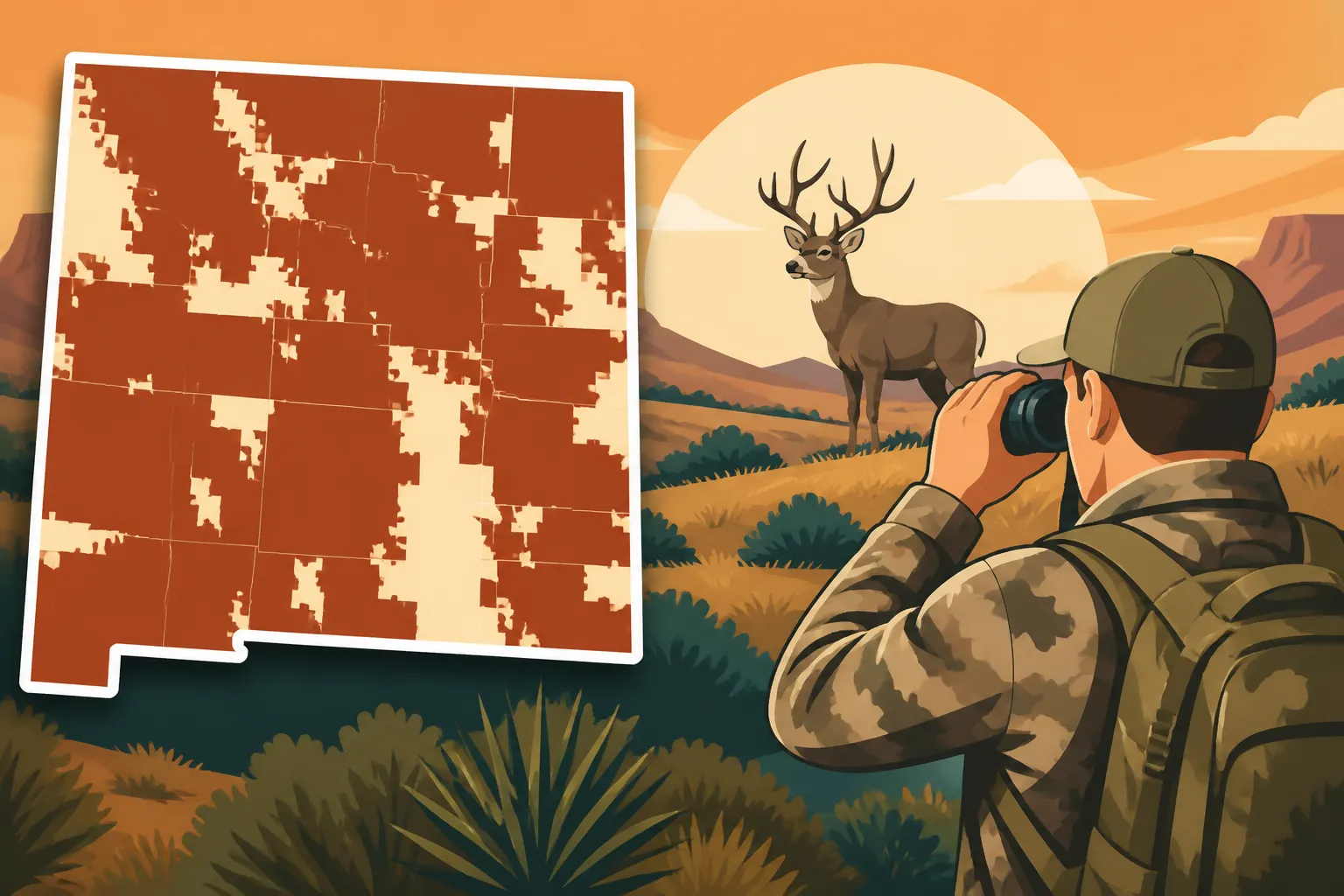
Anyone who's spent time staring at a New Mexico unit map, especially one that delineates public and private land, knows the sinking feeling: huge swathes of what look like prime hunting ground are often colored white, indicating private ownership. It's a common frustration, especially for those of us hoping to maximize our public land opportunities. This guide is here to shed some light on where private ground truly dominates in New Mexico, why it matters for hunters, and what strategies you can employ to still find success in a state where a significant portion of the landscape is not open to all.
The Checkerboard Reality of New Mexico Land Ownership
New Mexico is a vast and wild state, but not all of that wildness is equally accessible. While it boasts over 30 million acres of public hunting land, the distribution of that land is far from even. You'll find expansive blocks of National Forest and BLM ground in some regions, but in others, the landscape is a complex checkerboard or, more often, vast unbroken tracts of private ranchland. This reality means that while the dream of an endless public land adventure is alive in some areas, in others, you're constantly negotiating boundaries, right-of-ways, and the ever-present "No Trespassing" signs. Understanding this mosaic is the first step in planning a successful hunt here.
Public vs. Private: A Quick Overview
Before diving into the specifics of where private ground dominates, let's quickly clarify the different land types you'll encounter. Public land includes federal lands like National Forests and Bureau of Land Management (BLM) acreage, as well as New Mexico State Trust Land. Each comes with its own set of access rules, but generally, a valid hunting license grants you access. Private land, on the other hand, is just that: privately owned. Hunting or even crossing private land without explicit, written permission from the landowner is illegal and can lead to serious consequences. This distinction is crucial, as many hunters mistakenly assume that if it's not fenced, it must be public – a dangerous assumption in New Mexico. You can learn more about How Much Public Land New Mexico Holds in another one of our articles.
Why Land Ownership Matters for Hunters
The ratio of public to private land in a given area directly impacts your hunting experience. In units dominated by private land, several challenges arise:
- Access Limitations: You might see animals on private land that you can't pursue. Even worse, public land parcels can be landlocked, completely surrounded by private ground with no legal access.
- Reduced Hunting Pressure (sometimes): Private land often means less public hunting pressure. This can be a double-edged sword: while animals might be less wary, you still can't hunt them without permission.
- Habitat Management: Private landowners might manage their habitat differently, for better or worse, than public land agencies. This can influence game populations and their movements.
- Draw Odds: In some cases, units with a high percentage of private land might have different draw odds, or even exclusive private land tags (like EPLUS), which we'll touch on later. Knowing How Public Land Percentage Shapes Draw Odds can be a game-changer for your application strategy.
Regions Where Private Land Truly Dominates
While New Mexico has a respectable amount of public land, there are definite regions where private ownership, often in the form of massive cattle ranches, agricultural operations, or even timber holdings, accounts for the vast majority of the landscape. These areas present unique challenges and require a different approach for hunters.
The Eastern Plains: Ranch Country as Far as the Eye Can See
If you've ever driven across eastern New Mexico, you've seen it: endless miles of short-grass prairie, dotted with cattle, windmills, and the occasional ranch house. This region, encompassing units along the Texas border and stretching westward, is overwhelmingly private. We're talking about units that can be 90% or even 95% private land.
- Game Species: This is prime habitat for pronghorn, mule deer, and a variety of small game like quail and dove. The challenge isn't finding game, it's finding legal access to it.
- Hunter Experience: For the DIY hunter, these units can feel impossible. Public access points might be few and far between, often limited to small sections of State Trust Land or isolated BLM parcels. Without extensive boots-on-the-ground scouting or pre-arranged access, you'll be driving past a lot of fences. Ranch Access on Eastern Plains Units is a whole different ballgame compared to mountain units.
Southwestern Deserts and Low-Elevation Foothills: Sparse Public Pockets
Moving south and west, away from the core mountain ranges like the Gila or Sacramentos, many of New Mexico's desert and lower-elevation foothill units also feature significant private land holdings. These areas are often characterized by vast cattle ranches, some dating back generations, mixed with smaller agricultural plots near rivers.
- Game Species: This terrain holds desert mule deer, oryx (especially if you're near White Sands or surrounding areas), pronghorn, and a good population of Barbary sheep in the more rugged, canyon-filled areas.
- Hunter Experience: While some units in the southwest have decent chunks of BLM, it's often fragmented, or nestled against large private ranches. Scouting with tools like onX Hunt is absolutely essential here to identify those public islands. Hunters frequently find themselves glassing what appears to be amazing habitat, only to confirm it's private.
River Corridors and Agricultural Valleys: A Narrow Strip of Opportunity
Anywhere there's a major river in New Mexico – think the Rio Grande, Pecos, or San Juan – you'll find intensive agriculture and human settlement, which means a very high percentage of private land. The river bottoms themselves are often privately owned or managed for conservation, with public access severely restricted or non-existent for hunting.
- Game Species: These areas can hold surprisingly good numbers of deer, especially whitetails (Coues and various hybrids), and often provide excellent bird hunting opportunities. However, accessing them legally is the primary hurdle.
- Hunter Experience: Hunting in these areas often requires knocking on doors, securing permission, or utilizing specialized draw permits on limited public parcels (like some State Game Commission lands or Open Gate properties). It's rarely a DIY public land walk-in hunt.
Strategies for Hunting in Private Land-Dominant Areas
So, you've drawn a tag in a unit that you now realize is mostly private. Don't despair! While challenging, it's not impossible to find success. It just means your approach needs to shift significantly from a purely public land mindset.
E-Scouting and Topographical Maps: Your Digital Reconnaissance
Before you ever set foot in the field, use digital mapping tools like onX Hunt or GoHunt. These platforms are invaluable for identifying property boundaries.
- Identify Public Islands: Look for small, isolated parcels of BLM or State Trust Land that might be surrounded by private ground. Sometimes, these small pieces of public land can hold unpressured game because they're difficult to access.
- Analyze Access Corridors: Scrutinize aerial imagery for public roads, two-tracks, or even dry washes that might offer legal access to public land that otherwise appears landlocked. Remember, just because it looks like a road doesn't mean it's public.
- Topo Maps for Terrain Traps: Use topographical maps to find terrain features that might concentrate game, regardless of ownership. Animals often utilize draws, ridges, or water sources that cross property lines. Understanding Reading a Land Ownership Layer Correctly is critical to avoid accidental trespass.
Securing Permission: The Art of Knocking on Doors
This is often the most direct route to hunting success in private land-dominant units. It requires time, respect, and a good attitude.
- Start Early: Don't wait until the week before your hunt. Landowners are busy, and they appreciate hunters who plan ahead.
- Be Prepared: Have your license, tags, and a written permission request ready. Explain what you want to hunt, when, and for how long. Be specific.
- Offer Something in Return: While not always expected, offering to help with fencing, checking water tanks, or even a small monetary access fee can open doors. Some landowners are simply looking for help with depredation.
- Respect Their Answer: If a landowner says no, thank them for their time and move on. Don't argue or try to guilt-trip them. A negative interaction can sour opportunities for all hunters.
New Mexico's Open Gate Program: A Public-Private Partnership
New Mexico's Department of Game and Fish runs an "Open Gate" program where they lease hunting access from private landowners. These properties are then open to the public for hunting certain species during specific seasons.
- Check the NMDGF Website: The NMDGF website has a regularly updated list of Open Gate properties, including maps and rules for each. This is an excellent resource for hunters in private-heavy areas.
- Follow the Rules: Each Open Gate property has specific rules regarding species, dates, parking, and weapon types. Adhere to these strictly to ensure the program continues.
- Limited Opportunities: While invaluable, Open Gate properties are finite and can be popular. They're often smaller parcels but offer crucial access in otherwise locked-up areas. For more, look for information on Open Gate Properties Across New Mexico.
Hiring an Outfitter or Guide: Leveraging Local Expertise
In units where private land is king, and DIY access is nearly impossible, an outfitter or guide who has established relationships with landowners might be your best bet.
- Access to Private Ranches: Outfitters often have exclusive hunting rights on large private ranches, guaranteeing you access to prime habitat.
- EPLUS Tags: New Mexico's EPLUS (Elk Private Land Use System) program allows landowners to receive elk authorizations, many of which are sold to outfitters who then bundle them with guided hunts. This can be a way to hunt elk in units with very low public land draw odds.
- Cost vs. Opportunity: This option is typically more expensive, but it can dramatically increase your chances of success, especially for species like elk or Oryx in private-dominant areas. Consider researching Leasing Hunting Ground in New Mexico if this is an option for you.
Navigating Access and Regulations in the Field
Even with permission or public land maps, hunting in private land-dominant areas requires constant vigilance and adherence to regulations.
The Importance of Written Permission
New Mexico law is very clear: you must have written permission to hunt or even cross private land. Verbal permission, while sometimes granted, is not sufficient and can lead to misunderstandings or legal issues.
- Keep It Handy: Always carry your written permission with you. A physical copy and a digital photo on your phone are good ideas.
- Specify Details: Ensure the written permission includes dates, the specific property, what you're hunting, and the landowner's contact information. This is directly related to Written Permission Requirements in New Mexico.
- Corner Crossing: This highly debated topic involves stepping from one public land corner to another where private land meets at the corner point. While legally complex and often challenged, it's generally advised to avoid it unless you are absolutely certain of local regulations and have secured legal advice. It's often safer and less stressful to secure permission or find alternative routes.
Avoiding Accidental Trespass
Accidental trespass is a real concern and can happen easily, especially with fragmented public parcels.
- GPS is Non-Negotiable: A reliable GPS device or a smartphone app like onX Hunt with updated land ownership layers is indispensable. Set boundary alerts so you know when you're approaching a private line.
- Respect Fences and Gates: Even if a fence appears broken or a gate open, assume it marks a boundary. If you're on private land without permission, you're trespassing.
- Know Your Unit Boundaries: Make sure you clearly understand Reading a New Mexico Unit Boundary Before You Apply. This includes not just public/private lines but also the overall unit perimeter, as game regulations can change from one unit to the next.
Dealing with Neighbors and Law Enforcement
It's possible you'll encounter landowners or even law enforcement if you're hunting near private boundaries.
- Be Polite and Cooperative: If questioned, remain calm, polite, and cooperative. Present your licenses, tags, and permission slips as requested.
- Know Your Rights: Understand what constitutes legal public access and what doesn't. This comes from thoroughly reviewing NMDGF regulations and your mapping tools.
- Report Issues: If you witness illegal activity, or if a landowner is harassing you on legal public ground, document everything and report it to the New Mexico Department of Game and Fish.
Table: New Mexico Land Types & Hunter Access Considerations
| Land Type | General Access Rule | Hunter Considerations |
|---|---|---|
| National Forest | Generally open with hunting license | Large blocks, often mountainous. Check for wilderness rules. |
| BLM Land | Generally open with hunting license | Varied terrain, often checkerboarded with private. E-scouting critical. |
| State Trust Land | Open with valid hunting license during season | Access limited to 14 days before season & during. Avoid designated areas. |
| Private Land | Requires written permission from landowner | Dominant in many units. Permission is key. No trespassing. |
| State Parks/Refuges | Highly restricted or no hunting | Always check specific regulations for each area. |
| Tribal Lands | Requires tribal permit (separate from state license) | Complex rules, usually guided hunts. Research specific tribes. |
In summary, hunting New Mexico in areas where private ground is dominant requires a blend of advanced planning, meticulous e-scouting, good old-fashioned communication, and a deep respect for land ownership. While it can be more challenging than hunting vast unbroken tracts of public wilderness, with the right approach, you can still unlock incredible experiences in these often overlooked, private land-heavy landscapes. Always remember, the biggest key to success is securing legal access and respecting the land, whether it's public or private.
Disclaimer
This article is for general informational purposes only and does not constitute professional advice. Laws, prices and regulations vary by location and change over time. Consult a qualified professional for guidance on your specific situation.