How Many Acres of Public Land New Mexico Holds
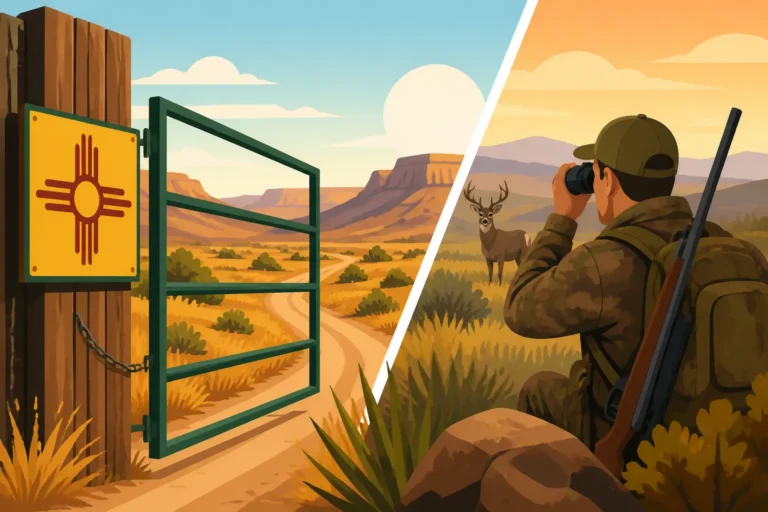
One of the biggest questions I hear from folks new to hunting in New Mexico, or even seasoned hunters coming from states with limited public access, is simply, "How much land can I actually hunt?" It's a completely valid concern. Many of us are used to looking at private land parcels and wondering how we'll ever get to that big buck or bull. But here in New Mexico, the sheer volume of public land is often a delightful surprise, and this guide will walk you through just how much ground is truly available to you.
The Grand Total: Unpacking New Mexico's Public Hunting Lands
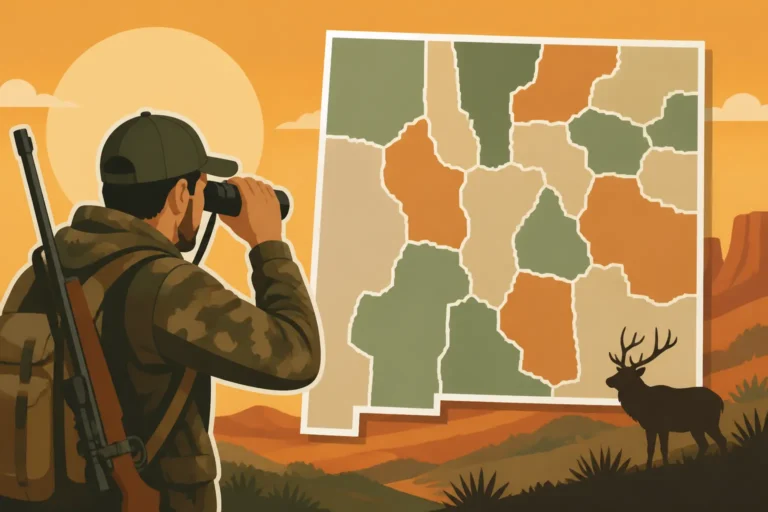
New Mexico is a vast state, and thankfully for hunters, a significant portion of that expanse is accessible public land. When you consider all the different designations, from federal forests to state trust lands, the numbers really start to add up. It’s easy to feel overwhelmed when looking at a map, seeing all the different colors, but the good news is that most of those colors represent a place you can put boots on the ground.
Breaking Down the Major Players: Federal vs. State
When we talk about public land, we're primarily looking at two major categories: federal and state. The federal lands are managed by agencies like the Bureau of Land Management (BLM) and the U.S. Forest Service. These are the big chunks you'll often see on a map, forming the backbone of our hunting opportunities. Then there are the state lands, primarily New Mexico State Trust Land, which operate under a slightly different set of rules but are equally crucial for hunter access. Understanding who manages what helps a great deal in knowing what rules to expect and how to properly plan your hunt. Each type of land offers a different experience and often holds different game species, depending on the elevation and habitat.
The Sheer Scale of Opportunity
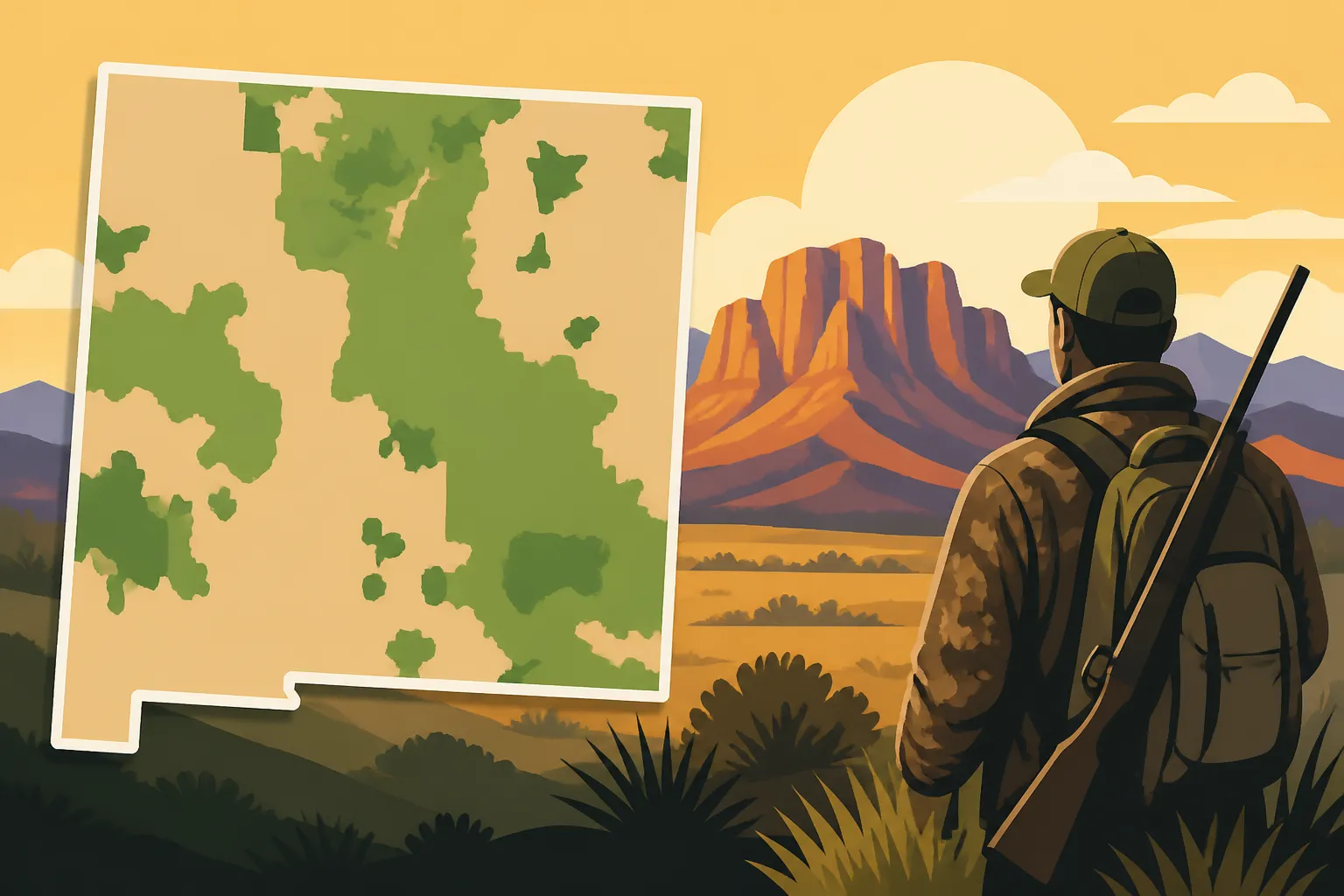
So, how much are we talking about? New Mexico boasts well over 30 million acres of public land. That's a staggering figure, especially when you consider that the entire state encompasses about 77.8 million acres. This means roughly 40% of the state is open to the public, offering an incredible amount of country to explore. This figure includes vast stretches of Bureau of Land Management ground, which is often found in the desert and plains, as well as the towering mountains and deep canyons of our National Forests. When you’re trying to plan a hunt, knowing that nearly half the state is potentially open for you to roam is a powerful motivator, and it truly sets New Mexico apart from many other western states that have seen more privatization of their wild spaces.
Navigating the Landscape: Different Types of Public Land and What They Offer
Not all public land is created equal, and understanding the nuances between different types can make a huge difference in planning your hunt. Each land management agency has its own mission and, consequently, its own set of rules and typical terrain. Knowing these distinctions will help you make informed decisions, whether you're chasing mule deer in the low country or elk in the high mountains.
Bureau of Land Management (BLM): The Accessible Vastness
The Bureau of Land Management, or BLM, oversees a huge portion of New Mexico's public domain. We're talking about millions of acres—How Much BLM Land New Mexico Has is a topic in itself—and this land often represents some of the most accessible hunting ground, particularly in the southern and eastern parts of the state. BLM land tends to be characterized by open vistas, rolling hills, desert scrub, and scattered mesas. This is prime country for species like pronghorn, desert mule deer, and even oryx in certain areas. It’s generally less restrictive in terms of vehicle access than some National Forests, though rules always apply, so always check local regulations. You'll find a lot of solitude on BLM land, especially if you're willing to walk away from roads, and it’s a fantastic place for hunters who appreciate wide-open spaces and the challenge of spotting game at long distances.
National Forests: High Country and Timber
New Mexico is home to several magnificent National Forests, including the Gila, Carson, Santa Fe, and Cibola. These forests collectively offer millions of acres of prime hunting habitat—you can dive deeper into How Much National Forest New Mexico Has to see the numbers. Unlike the often arid BLM lands, National Forests typically mean higher elevations, dense timber, steep canyons, and abundant water sources. This is where you'll find the vast majority of our elk populations, along with mountain mule deer, bear, and sometimes even bighorn sheep. The terrain can be rugged and challenging, demanding a higher level of physical fitness and backcountry preparedness. Access might involve navigating seasonal road closures, especially in the northern parts of the state during late seasons. Planning a hunt in these areas requires a good understanding of elevation, weather patterns, and often, extensive hiking or even pack string operations to get deep into productive areas like the Gila Wilderness.
New Mexico State Trust Land: Your License is Your Key
New Mexico State Trust Land is a unique category of public access that often surprises out-of-state hunters. Unlike other states where "State Trust Land" might mean limited access or specific permits, in New Mexico, your valid hunting license generally grants you access for hunting. So, to answer the question Does a Hunting License Cover Trust Land?, yes, it typically does! These lands are managed to generate revenue for specific state beneficiaries, often through leasing for grazing or mineral extraction. While they might not be as vast as BLM or National Forest lands, they often checkerboard other public and private parcels, providing crucial connectivity and access to otherwise isolated areas. You don't need a separate permit to hunt these lands, but it is absolutely critical to know the boundaries and respect any improvements or ongoing operations, like ranching. Always be aware of the "14-day rule" if you're scouting, as You May Scout New Mexico Trust Land 14 Days Before a Hunt but not any earlier than that specific window.
Making the Most of Public Access: Tools and Strategies
Having millions of acres available is one thing; effectively navigating and hunting them is another. The key to unlocking New Mexico's vast public lands lies in smart planning, utilizing modern tools, and having a deep respect for the land and its boundaries. Don't let the sheer size intimidate you; instead, see it as an invitation to truly explore.
Essential Mapping Tools for Public Land Hunters
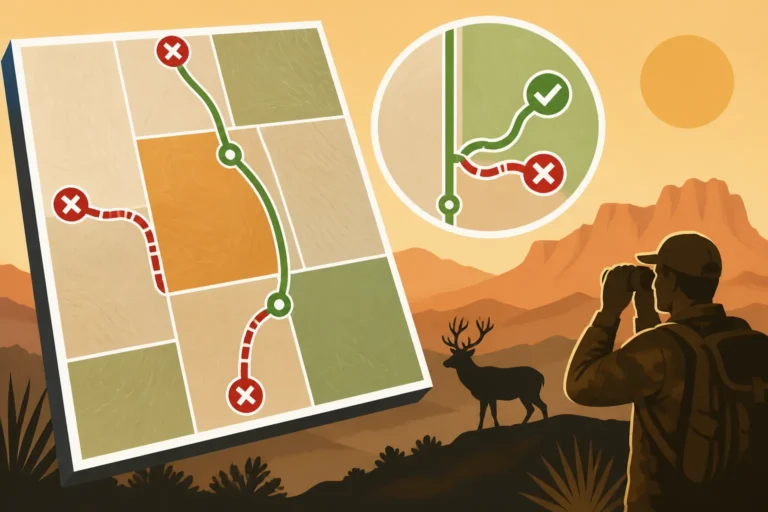
In today's hunting world, digital mapping tools are indispensable, especially when dealing with the complex land ownership patterns found in New Mexico. Platforms like onX Hunt and GoHunt have revolutionized how hunters approach public land. These apps allow you to see clear property boundaries, showing public, private, and state trust lands in different colors right on your phone or GPS device. This is crucial for avoiding unintentional trespass, especially when you're trying to figure out Crossing Private Ground to Reach Public Land or ensuring you're only on ground where your license grants you access. Using onX Layers for New Mexico Public Land can show you everything from wilderness boundaries and roads to water sources and potential bedding areas. Before you even leave home, you can spend hours e-scouting, marking waypoints, and planning your approach, making the most of every minute you have in the field.
Understanding Boundaries and Inholdings
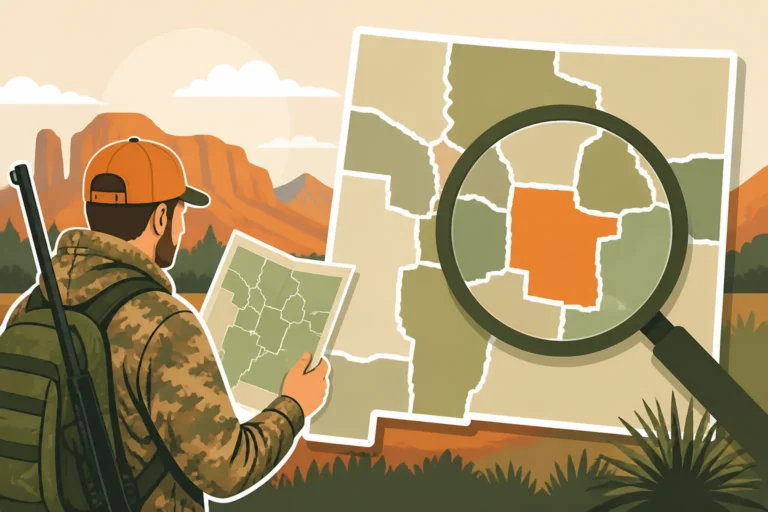
Even with digital maps, understanding boundaries requires diligence. Public land often isn't one contiguous block; it can be a patchwork, especially in areas with historic ranching or mining claims. You'll frequently encounter "inholdings"—private parcels completely surrounded by public land. It’s absolutely vital to know where these lines are. If you’re ever in doubt, err on the side of caution. Reading a Land Ownership Layer Correctly isn't just about identifying public land; it’s also about recognizing private property and respecting no-trespassing signs. Always carry physical maps as a backup to your digital devices, especially in areas with no cell service, which are common in many of New Mexico's remote units. Learning How New Mexico Numbers Its Hunting Units and how these unit boundaries interact with land ownership is foundational for any successful hunt plan.
Scouting and Ethical Practices on Public Land
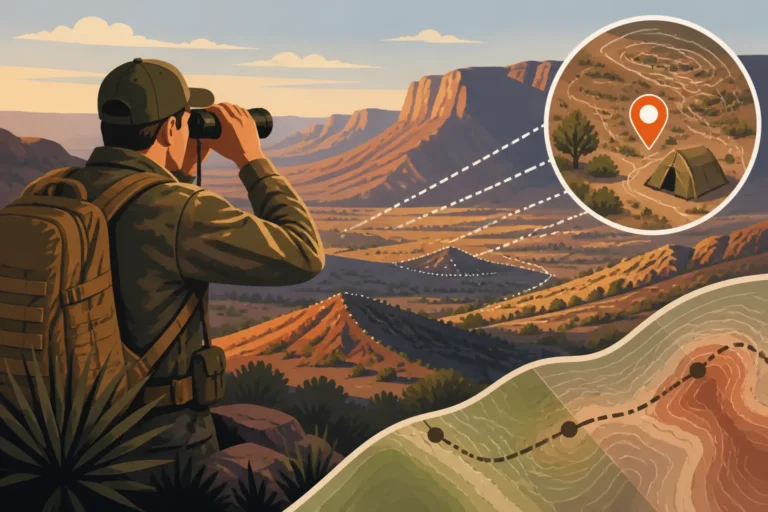
With so much land to explore, good scouting is paramount. Whether you're doing it in person or from your computer, understanding the terrain, game movements, and access points before the season is critical. Scouting a Unit From Satellite Imagery can save you countless hours in the field, helping you identify potential pinch points, water sources, and cover. Always be mindful of ethical hunting practices on public land. This means leaving no trace, packing out all your trash, respecting other users (hikers, campers, other hunters), and adhering strictly to game laws. It also means managing expectations; with so much ground, pressure can be spread out, but popular areas might still see more hunters. Ultimately, the vast public lands of New Mexico offer an unparalleled opportunity for adventure and fair-chase hunting, but they come with the responsibility to protect and preserve them for future generations.
| Public Land Type | Typical Terrain | Common Game Species | Primary Access Considerations | Notes |
|---|---|---|---|---|
| Bureau of Land Management (BLM) | Open desert, grasslands, mesas, low hills | Mule Deer, Pronghorn, Oryx, Barbary Sheep, Quail | Generally good road access, often remote | Vast, accessible, can be very hot and dry. Great for spot & stalk. |
| National Forest (USFS) | Mountains, dense timber, deep canyons, riparian | Elk, Mule Deer, Bear, Turkey, Bighorn Sheep | Varies from paved roads to wilderness trails, seasonal closures | Rugged, high elevation, requires physical fitness. |
| New Mexico State Trust Land | Varied, often contiguous with BLM or private | Mule Deer, Pronghorn, Oryx, Small Game | Hunting license provides access, check for specific restrictions | Can be a patchwork, respect existing leases and improvements. |
Disclaimer
This article is for general informational purposes only and does not constitute professional advice. Laws, prices and regulations vary by location and change over time. Consult a qualified professional for guidance on your specific situation.