New Mexico Shed Antler Gathering Rules
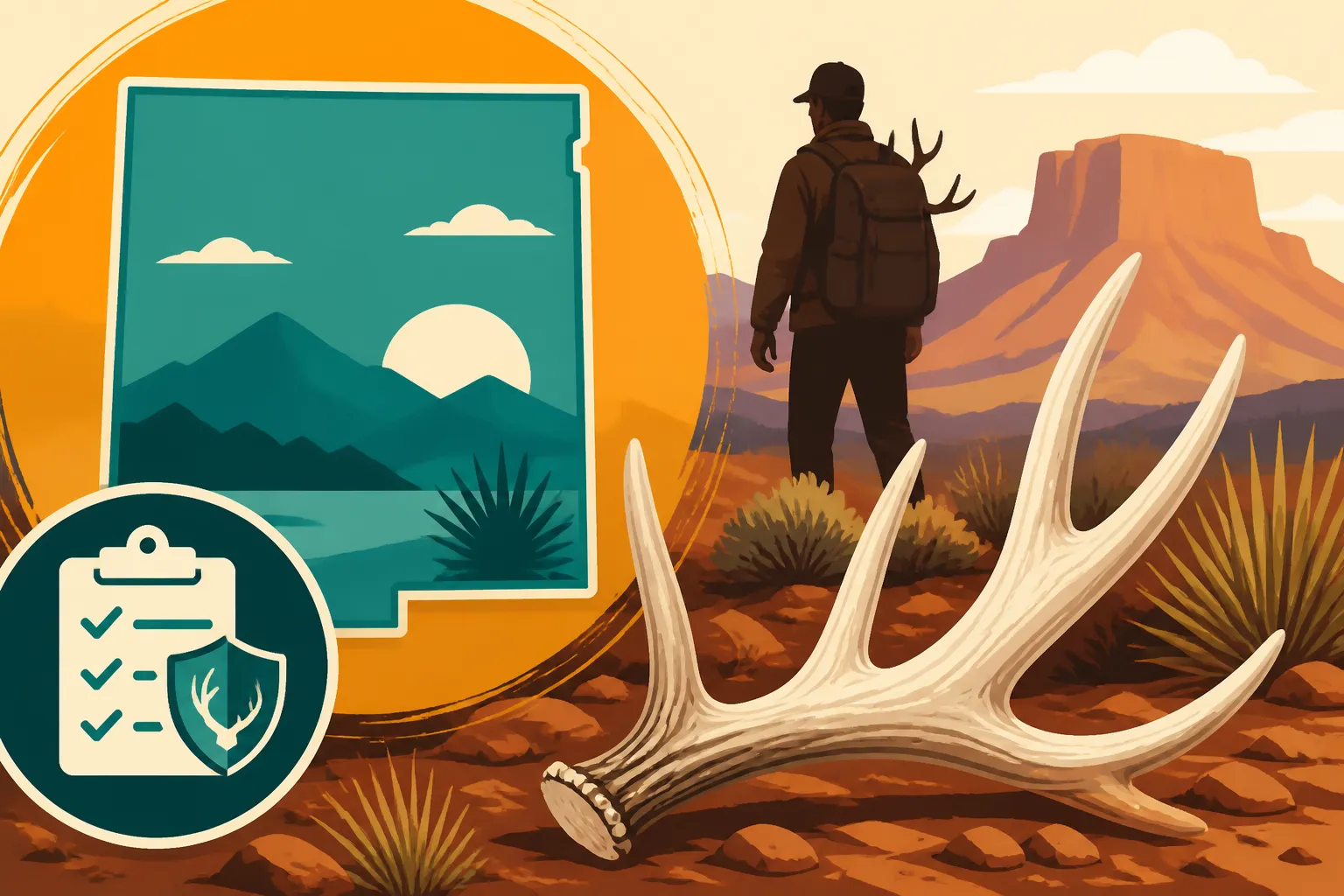
You've heard the whispers, seen the incredible photos of shed antlers gracing social media, and maybe you've even dreamed of stumbling upon a massive elk shed yourself. But before you lace up your boots and head out, thinking it's just a free-for-all treasure hunt, you absolutely need to understand the rules. New Mexico, like many western states, has specific regulations surrounding shed antler gathering, and ignoring them can lead to hefty fines and a lot of heartache. This guide will walk you through everything you need to know to pursue shed antlers legally and ethically in the Land of Enchantment.
Understanding the "Why" Behind Shed Antler Rules in New Mexico
It might seem counterintuitive to regulate something as natural as picking up a dropped antler. After all, the animal isn't using it anymore, right? But the truth is, the timing and method of shed antler gathering can have a significant impact on wildlife, especially during the toughest parts of the year. New Mexico's rules aren't designed to make your life harder; they're in place to protect the very animals we all admire.
Protecting Wintering Wildlife from Stress
Imagine you're an elk, having just endured the rut, using up massive amounts of energy. Now winter has set in, and food is scarce. Every calorie counts. You're trying to conserve every bit of energy, staying in critical winter range where you can find what little forage is available and escape the deepest snow. This is a vulnerable time. Deer and elk, especially, are often concentrated in these areas, trying to survive until spring green-up. When people enter these wintering grounds in large numbers, it can cause undue stress.
Even seemingly innocent activities like walking through an area can force animals to expend precious energy moving away from perceived threats. That energy might be the difference between surviving the winter or not. Repeated disturbances, particularly by those actively searching for sheds, can push these animals into less suitable habitat, increase their metabolic rate, and ultimately lead to weakened states or even mortality. The rules aim to minimize this human-wildlife conflict during their most critical survival period.
Preventing Harassment and Illegal Activity
Unfortunately, not everyone who goes "shed hunting" has pure intentions. Without regulations, there's a higher risk of individuals harassing animals to get them to drop their antlers prematurely. This could involve hazing them with vehicles, dogs, or even on foot, pushing them into stressful situations purely for the sake of obtaining sheds. Such actions are not only unethical but incredibly damaging to wildlife. The regulations help to deter these illegal and unethical practices.
Furthermore, these rules can help curb other illegal activities. Sometimes, individuals might use the guise of shed hunting to illegally scout for hunting seasons, trespass on private property, or even engage in poaching. By having clear seasons and restrictions, law enforcement has a better framework to monitor and enforce wildlife protection. It's about maintaining the integrity of our wildlife populations and ensuring that future generations have the opportunity to appreciate them.
The Specifics of New Mexico's Shed Antler Gathering Regulations
Alright, let's get down to brass tacks. New Mexico has a fairly straightforward approach to shed antler gathering, but it's crucial to know the details. Unlike some other states that might have specific season dates for antler collection, New Mexico primarily focuses on the "taking" of antlers, meaning there isn't a dedicated "shed season" to apply for or a specific start date to memorize each year.
Is There a Closed Season for Shed Hunting?
This is a common question, and the answer in New Mexico is a bit nuanced: generally, no, there isn't a statewide closed season specifically for picking up already shed antlers. However, and this is a critical distinction, it is unlawful to harass or disturb big game animals for the purpose of causing them to cast their antlers. This means you can't actively pursue, chase, or spook deer or elk to get them to drop their sheds. The moment your actions become about influencing the animals to drop their antlers, you're breaking the law.
The New Mexico Department of Game and Fish (NMDGF) regulations are clear: the intent is to protect animals from undue stress. If you're out hiking or E-Scouting a New Mexico Unit Before the Season and you happen to find a shed antler that an animal has naturally dropped, you are generally allowed to pick it up. The emphasis is on incidental discovery and ensuring you are not disturbing wildlife. This distinction means that "shed hunting" as an intensive, active pursuit where you might encounter and potentially disturb wintering animals, needs to be done with extreme caution and an acute awareness of your impact.
Public Land vs. Private Land Rules
The rules for shed gathering don't change whether you're on public or private land, in terms of the animal's protection. However, access is a huge factor. On public land—like National Forests, BLM land, or State Trust Land (if you possess a valid hunting or fishing license, which serves as your easement)—you generally have the right to be there, within the bounds of all other regulations. A New Mexico License Is Your State Trust Land Easement, so if you plan to access State Trust Land, make sure you have that covered. You'll need to know which areas might be critical winter ranges or closed for seasonal wildlife protection, which the NMDGF or specific land management agencies (like the Forest Service) might implement.
On private land, the story is entirely different. You must have explicit permission from the landowner to be there, whether you're hunting, fishing, or simply looking for sheds. Trespassing is illegal, regardless of your intent. Always get permission in writing if you can, to avoid any misunderstandings. This also extends to tribal lands, which have their own sovereign rules and require specific permits. Always respect posted signs and closed gates. When you're looking at maps, whether on paper or using a digital tool like GoHunt, pay close attention to land ownership boundaries. That little change in color on your map could be the difference between a successful, legal outing and a very unwelcome interaction with a landowner or game warden.
Navigating Public and Private Land for Shed Antlers
Finding shed antlers often means getting out into some beautiful, wild country. But before you venture out, it's critical to understand the lay of the land, especially concerning public versus private ownership and the specific rules that govern access. This isn't just about legality; it's about respecting the land and the animals that call it home.
Identifying Potential Shed Antler Hotspots
Shed antlers are typically dropped by male deer and elk after the breeding season, usually from late winter through early spring. This means you'll want to focus your efforts in areas where these animals spend their winters. Think about south-facing slopes that get more sun exposure and melt snow quicker, offering easier foraging. River bottoms, cedar thickets, and draws that provide thermal cover are also prime locations where animals will bed down and often drop their antlers. Where Elk Winter in the High Country and Where Mule Deer Winter are good places to start your research.
Using topographical maps and satellite imagery, perhaps through a platform like GoHunt, can help you identify these key habitat features. Look for distinct elevation changes, dense cover near open feeding areas, and especially access to water sources. While Water Sources That Concentrate Desert Game are crucial during hunting season, they are also congregating points where animals might shed. Remember, the goal is to find antlers that have already been shed naturally, so scouting these areas before prime shedding time should still be done with extreme care to avoid disturbing any wintering animals. Understanding the local terrain and animal movement patterns, often available in Reading a New Mexico Winter Range Report, will give you a significant advantage.
Accessing New Mexico's Diverse Public Lands
New Mexico is blessed with millions of acres of public land, offering vast opportunities for outdoor enthusiasts, including shed hunters. You'll primarily encounter three types:
- National Forests: Areas like the Gila, Cibola, Santa Fe, and Carson National Forests provide extensive, often rugged, terrain. The Gila National Forest as New Mexico Elk Country is a prime example. These lands are generally open to shed gathering, but always check for specific seasonal closures, particularly in designated wildlife winter ranges or wilderness areas. Motorized travel might be restricted to existing roads, so be prepared to do a lot of walking.
- Bureau of Land Management (BLM) Land: BLM Ground Carries Most of New Mexico's Open Access, especially in the more arid southern and eastern parts of the state. These areas are often more open and can be excellent for mule deer sheds. Like National Forests, they are generally open for shed gathering, but always verify local restrictions.
- State Trust Land: As mentioned, your valid hunting or fishing license acts as your easement. You can technically be on State Trust Land for shed gathering, but remember these lands are managed for revenue for state institutions. Always be respectful of any agricultural or ranching operations, and never interfere with them.
When using maps, ensure you have the most up-to-date information on land ownership boundaries. A useful tip from experienced shed hunters is to look for areas where public land abuts private land. Animals often use private land for refuge but will move onto adjacent public ground, especially during migration or when seeking different forage. However, this strategy requires extra vigilance to ensure you never inadvertently step onto private property without permission.
Respecting Private Property and Obtaining Permission
This can't be stressed enough: if it's private land, you need permission. New Mexico's trespass laws are clear, and ignorance is no excuse. A "No Trespassing" sign means exactly that. Even if a gate is open, or there's no fence, if you know or should reasonably know it's private property, stay out unless you have explicit consent.
- How to Ask: Be polite, respectful, and clear about your intentions. Ranchers and landowners are often busy, and many are tired of dealing with trespassers. A good approach is to show up in person, well-dressed and presentable, with a map showing the specific area you're interested in. Offer to share any game camera photos you might capture or even offer a small token of appreciation if permission is granted. Be prepared for a "no," and accept it graciously. Building relationships with landowners can be incredibly rewarding, potentially opening doors for future hunting or shed gathering opportunities.
- Written Permission: It's always best to get permission in writing. This protects both you and the landowner. A simple note stating your name, the date(s) of access, and the landowner's signature is usually sufficient. This documentation can be invaluable if you encounter any issues in the field. Remember, just because you found a shed on private land doesn't mean it's yours if you didn't have permission to be there in the first place.
| Land Type | Access Requirement | Key Considerations |
|---|---|---|
| National Forest | Generally open | Check for seasonal closures (winter range), motorized travel restrictions. |
| BLM Land | Generally open | Check for seasonal closures, wilderness areas, or special management areas. |
| State Trust Land | Valid New Mexico hunting or fishing license required | Respect agricultural operations, check for specific closures. |
| Private Land | Explicit permission from landowner required | Get written permission, respect all boundaries, be polite and clear about intentions. |
| Tribal Lands | Specific tribal permits and rules (varies by tribe), often require guided access | Do not assume state laws apply; research tribal regulations thoroughly. |
Ethical Shed Hunting and Avoiding Common Pitfalls
Shed hunting can be an incredibly rewarding way to connect with the landscape and the wildlife that inhabits it. It’s an opportunity to find unique treasures and learn more about animal movements and behavior. However, it comes with a significant responsibility to act ethically and avoid practices that could harm the animals or violate regulations.
Best Practices for Ethical Shed Gathering
Ethical shed hunting goes beyond just staying within the law; it's about minimizing your impact and showing respect for the animals.
- Timing is Everything: While New Mexico doesn't have a strict statewide closed season for shed gathering, the spirit of the law emphasizes avoiding animal harassment. This means you should hold off on intensely searching prime wintering grounds until later in the spring, typically after animals have begun dispersing from their concentrated winter ranges. The general rule of thumb for many experienced shed hunters is to wait until late March or April, after most of the harshest winter weather has passed and animals have started to move to higher elevations or summer ranges. This greatly reduces the chance of bumping deer or elk when they are at their most vulnerable. You can consult NMDGF resources or use platforms like GoHunt that sometimes offer insights into local animal migration patterns or Reading a New Mexico Winter Range Report.
- Leave No Trace: Practice strict Leave No Trace principles. Pack out everything you pack in, and if you find any trash, pack that out too. Avoid disturbing vegetation, leaving gates as you found them, and staying on established trails or roads where appropriate. The goal is to leave the area looking untouched.
- Know Your Units: Understand the specific units you are entering. New Mexico's hunt units, described in resources like Reading a New Mexico Hunt Code Before You Apply, often correspond to specific geographic and habitat features. Some units might have unique seasonal access restrictions or sensitive wildlife areas. Being informed helps you respect these boundaries.
- Observe from a Distance: If you do encounter deer or elk while shed hunting, observe them from a distance. Do not approach them. If they notice you and start to move away, back off and give them space. Their well-being takes precedence over finding an antler. Remember, the rule is to avoid harassment for the purpose of casting antlers, and "harassment" can be broadly interpreted as any action that stresses the animal.
The Dangers of Disturbing Wildlife
The impact of disturbing wintering wildlife cannot be overstated. When a deer or elk is forced to run, it burns critical fat reserves that are essential for survival during lean times. This is especially true for pregnant cows and does, whose bodies are already under immense strain. A single run from a perceived threat can deplete days' worth of saved energy. Repeated disturbances can lead to:
- Decreased Survival Rates: Animals that are constantly stressed or forced to move may not have enough energy to make it through the winter, especially if conditions are severe.
- Lower Fawn/Calf Survival: Stressed mothers can have weaker offspring, or may even abort their pregnancies, impacting the herd's future.
- Habitat Avoidance: Persistent human presence can cause animals to abandon critical wintering grounds, forcing them into less ideal areas where food might be scarcer or predation risk higher.
- Illegal Activity: As mentioned earlier, actively harassing animals to drop antlers is illegal and carries significant penalties. This includes using dogs to chase them or hazing them with vehicles. The rule regarding Baiting and Trail Camera Rules in New Mexico also covers activities that can disturb wildlife, so always be mindful of broader regulations.
Potential Consequences and Penalties
Violating New Mexico's wildlife regulations, particularly those related to harassing game animals or trespassing, can lead to serious consequences. These aren't just minor slaps on the wrist; they can be financially painful and can affect your ability to hunt or gather sheds in the future.
- Fines: Penalties for disturbing or harassing big game animals can be substantial, often ranging from hundreds to thousands of dollars per violation. The exact amount can vary depending on the severity of the offense and whether it's a first-time or repeat offense.
- Loss of Privileges: Beyond fines, you could face the suspension or revocation of your hunting and fishing license, not just in New Mexico but potentially in other states as well through interstate compacts. This means losing the privilege to hunt, fish, or gather sheds for several years.
- Seizure of Property: In some cases, equipment used in the commission of a violation, such as vehicles or ATVs, could be seized by law enforcement.
- Criminal Charges: Depending on the nature of the offense, particularly for egregious acts of harassment or repeated trespassing, you could face criminal misdemeanor charges.
It's paramount to educate yourself on the specific rules and always err on the side of caution when it comes to wildlife interaction. When in doubt, call the NMDGF or consult their official regulations. Being a responsible shed hunter means prioritizing the well-being of the animals above the desire to find a prized antler. Your actions reflect on the entire hunting and outdoor community, so let's make sure that reflection is a positive one.
Disclaimer
This article is for general informational purposes only and does not constitute professional advice. Laws, prices and regulations vary by location and change over time. Consult a qualified professional for guidance on your specific situation.