Choosing a Unit by Terrain Difficulty
It’s a common frustration: you've finally drawn that coveted New Mexico tag, maybe for elk in the Gila or mule deer in the northern mountains, and now the real planning begins. But how do you choose where to hunt within that unit when the terrain can range from rolling plains to towering, lung-busting peaks? This guide is here to walk you through the often-overlooked but absolutely critical process of selecting a hunting unit in New Mexico based on its terrain difficulty, making sure your physical capabilities and hunting style are perfectly matched for success and enjoyment.
Understanding New Mexico's Diverse Terrain and Its Impact on Hunting
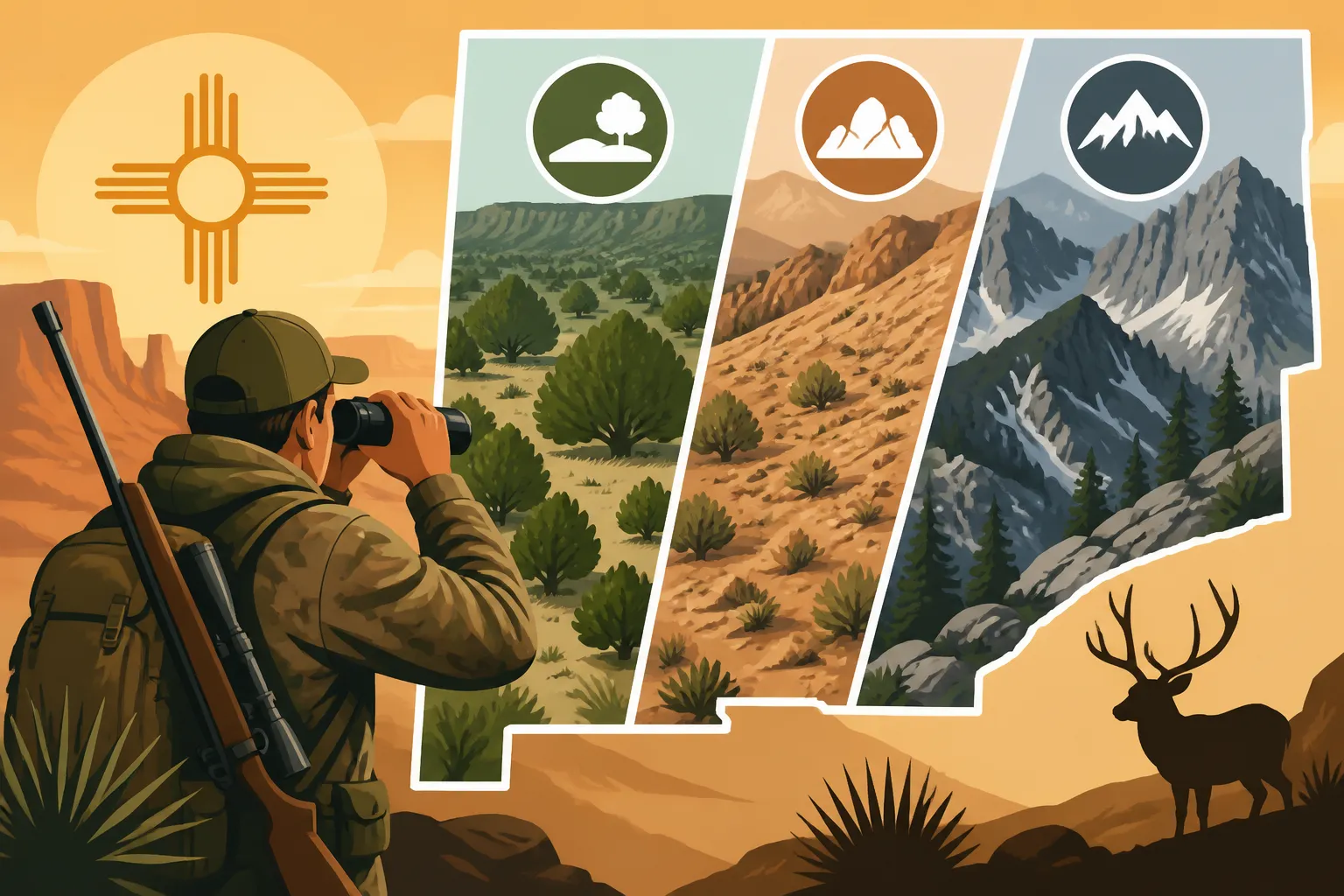
New Mexico is often called the "Land of Enchantment," and a big part of that magic is its incredible diversity of landscapes. From scorching desert floors to alpine tundra, the state offers a mosaic of hunting environments, each with its own unique challenges and rewards. Ignoring these differences in favor of a unit's reputation for big animals can lead to a miserable, even dangerous, hunt.
High-Elevation Mountains: The Sangre de Cristos, Jemez, and Gila
When most folks think of hunting in New Mexico, especially for elk, their minds often go straight to the high country. Areas like the Gila National Forest, with its vast wilderness and rugged canyons, or the northern ranges like the Sangre de Cristos and Jemez Mountains, are prime examples. These units are undeniably beautiful, but they demand a significant physical toll.
Imagine trying to pack out an elk from the bottom of a 1,000-foot canyon, or navigating steep, rocky slopes at 10,000 feet after a surprise snowstorm. The air is thinner, climbs are relentless, and the footing can be treacherous. You’ll encounter dense timber where visibility is limited, forcing you to move slowly and quietly, often through deadfall. Even relatively short distances feel twice as long. For those new to mountain hunting, or anyone with less-than-peak physical conditioning, these areas can quickly turn a dream hunt into a grueling test of endurance. Altitude sickness is a real concern, and a basic understanding of its symptoms and prevention is essential. You'll want to review how to prepare yourself physically for these challenges. Preparing Physically for a High Elevation Hunt will give you some great tips.
Rolling Foothills and Ponderosa Parks: Transition Zones
Moving slightly down in elevation, you’ll find expansive areas of rolling foothills and open ponderosa pine parks. These transition zones often sit between the high mountains and the lower desert or plains. While still requiring good physical fitness, the terrain here is generally more forgiving than the steepest mountain ranges.
In these areas, the walking might be less severe, but you’ll still encounter significant elevation changes, often in the form of long, gradual slopes or undulating hills. The ponderosa forests offer a different kind of challenge, with more open understories that can make stealth difficult, yet provide excellent opportunities for glassing. Game here often utilizes the cover of the timber for bedding and moves into the open parks to feed. This terrain is often a fantastic middle-ground for hunters who want a challenging but not utterly brutal experience. It allows for a blend of still hunting through timber and spot-and-stalk tactics in more open areas.
Arid Deserts and Canyonlands: Southern New Mexico
Head south, and New Mexico transforms into a land of wide-open vistas, jagged rimrock, and intricate canyon systems. Units in the Chihuahuan Desert, for mule deer, or even specific areas of the Gila to the south, present a completely different set of terrain challenges.
Here, the enemy isn't necessarily extreme elevation, though steep, rocky climbs up and down canyon walls are common. Instead, you're battling the elements: intense heat, especially during early seasons, and extreme aridity. Water sources are scarce, making hydration a constant concern. The terrain itself is often a maze of washes, arroyos, and dense scrub like mesquite and catclaw, which can be brutal on clothing and skin. Navigating these areas requires excellent map reading skills and a keen eye for subtle game trails. Stalking in this open country means using every crease and fold in the land, mastering the art of the slow approach. If you're hunting during the early archery season, or any season that can bring high temperatures, Heat Management on an Early Season Hunt is a must-read. And always, always think about Water You Must Carry on a Desert Day Hunt.
Assessing Your Own Physical Readiness and Hunting Style
Before you even start looking at unit maps, take a long, honest look in the mirror. Your physical condition, your preferred way to hunt, and the time you have to dedicate to scouting and hunting are all crucial factors in choosing a terrain type that will lead to a successful and enjoyable experience.
Honestly Evaluating Your Fitness Level
This is perhaps the most critical step. It’s easy to romanticize the idea of conquering a mountain, but the reality of hauling a heavy pack up a steep incline at altitude is a different story. Be brutally honest with yourself:
- Beginner/Limited Fitness: If you primarily hunt from a vehicle, prefer flat ground, or have medical conditions that limit strenuous activity, stick to units with easier access and gentler topography. Look for units described as "rolling hills" or "accessible by vehicle." Your success will come from smart scouting in areas you can comfortably traverse, not from trying to push beyond your limits.
- Intermediate Fitness: You enjoy hiking, can handle a few miles with a pack, and are generally active. You can tackle moderate elevation changes and some rough terrain. Units with a mix of rolling foothills, accessible canyons, and timbered parks are likely a good fit. These areas still offer challenges but won't completely break you.
- Advanced/Peak Fitness: You train regularly, can hike all day with a heavy pack, are comfortable at altitude, and relish physical challenges. You are ready for the most remote and rugged units, where big animals often live precisely because they are hard to reach. These are the hunts that might involve multi-day pack-in trips into wilderness areas.
Remember, a ruined hunt due to exhaustion or injury is no fun for anyone. Prioritizing your physical well-being ensures you can enjoy the entire experience, not just the shot.
Matching Terrain to Your Preferred Hunting Method
Your hunting style plays a huge role in what terrain will suit you best. Are you a patient stand hunter, a methodical still hunter, or an aggressive spot-and-stalker?
- Spot-and-Stalk: This method thrives in open country where you can glass vast areas, locate game, and then plan an approach. Desert mesas, rolling plains, and open ponderosa parks are ideal. Units with good vantage points and broken terrain for concealment are perfect. This style is also effective for species like pronghorn and Oryx. How Far to Stalk a Bedded Mule Deer can help you refine your approach in open country.
- Still Hunting: Moving slowly and deliberately through timber, using cover and wind to your advantage, is effective in dense or moderately open forests. This requires excellent woodsmanship and patience. Mountain units with thick timber, or even the thicker canyons of the desert, can be productive for still hunting.
- Stand Hunting/Ground Blinds: While less common for big game in New Mexico's expansive public lands, if you prefer to sit over water sources or food plots, you'll need terrain that allows for relatively easy access to these spots and concealment for your setup. Desert units with scattered water tanks or agricultural edges might offer these opportunities. Sitting Water for Deer and Antelope provides a good overview for this strategy.
Consider your weapon too. A bowhunter needs to get much closer than a rifle hunter, which might mean needing more broken terrain for concealment, even in relatively open areas. Minimum Bow Draw Weight for Big Game is a critical consideration for bowhunting success. Conversely, a rifle hunter in steep, open canyon country will need to be proficient with long-range shots. Choosing a Rifle for Gila Timber and Canyons discusses this in detail.
Time and Resource Constraints
Beyond fitness and style, how much time and resources you can commit also dictates your ideal unit type.
- Weekend Warrior: If you only have a couple of days, choose units with relatively easy road access and less extensive backcountry. You'll spend less time traveling and more time hunting.
- Multi-Day Backcountry Adventurer: If you have a full week and the gear to pack in for several days, wilderness areas and roadless units become viable options. These often mean deeper incursions away from pressure.
- Equipment: Do you have a reliable 4×4 for rough roads? Are you comfortable with a horseback hunt, or do you have a packing out strategy for remote kills? These logistical questions directly relate to the accessibility and ruggedness of your chosen unit. Remember, some remote areas are only truly accessible via pack string. You might find a Drop Camps Deep in the New Mexico Gila to be a suitable option if you're not planning a full DIY pack-in.
Tools and Strategies for Pre-Hunt Terrain Analysis
Once you have a good handle on your personal capabilities and preferences, it’s time to dive into the data. Thankfully, modern technology and readily available resources make pre-hunt terrain analysis easier than ever.
Leveraging Digital Mapping Tools
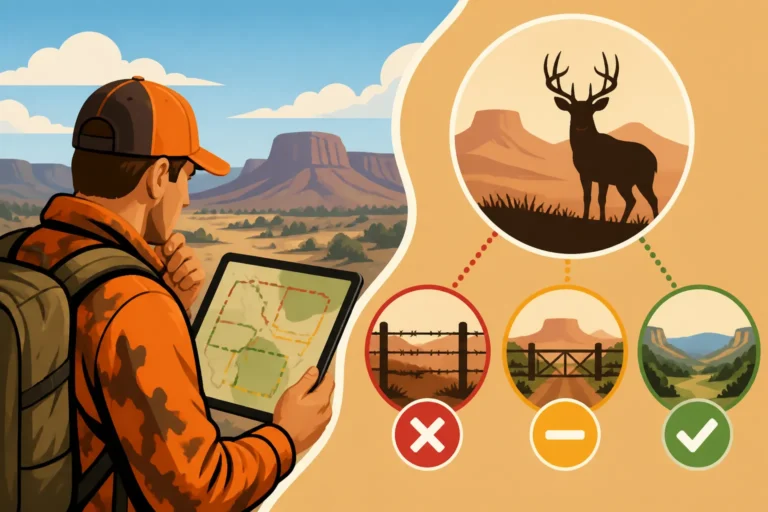
Digital mapping applications like onX Hunt and GoHunt are indispensable for terrain analysis. They allow you to "walk" a unit from your living room, gaining crucial insights before you ever set foot on the ground.
- Topographic Maps: These are your best friend. Look at the contour lines. Tightly packed lines indicate steep terrain, while widely spaced lines mean gentler slopes. Pay attention to the elevation changes within a mile or two radius. How much vertical gain will you encounter?
- Satellite Imagery: Switch to satellite view to get a realistic sense of vegetation density, rock formations, and canyon breaks. Are there thick timber stands, open meadows, or sparse desert scrub? What kind of cover does it offer for game and for your approach?
- Elevation Profiles and Gradient Tools: Many apps offer tools that can draw an elevation profile along a proposed route, showing you the ups and downs. Some even have gradient overlays that color-code slopes by steepness, highlighting areas that will be a scramble versus a stroll.
- Public/Private Land Layers: While not directly related to terrain difficulty, knowing where public land exists and how it's accessed is critical. You might find public land with easier terrain, but it's landlocked by private property. These mapping tools will clarify Reading a Land Ownership Layer Correctly.
- Water Sources: In dry units, identifying potential water sources (tanks, springs, rivers) is vital. These often concentrate game, but also require you to traverse whatever terrain lies between you and them.
By spending hours on these apps, you can identify potential travel corridors, bedding areas, feeding zones, and escape routes, all while understanding the physical effort required to reach them. You can learn more about E-Scouting a New Mexico Unit Before the Season from these tools.
Consulting Hunt Unit Data and Resources
The New Mexico Department of Game and Fish (NMDGF) provides a wealth of information in its annual hunting regulations booklet and on its website.
- Unit Descriptions: The NMDGF often includes brief descriptions of each game management unit (GMU) that will hint at the general terrain. Look for keywords like "rugged," "steep canyons," "mountainous," "rolling hills," or "open plains."
- Harvest Reports and Draw Odds: While these primarily tell you about game populations and success rates, they can indirectly suggest terrain difficulty. Units with extremely low harvest success might indicate very difficult terrain or limited access. Always check Where New Mexico Publishes Harvest Data for clues.
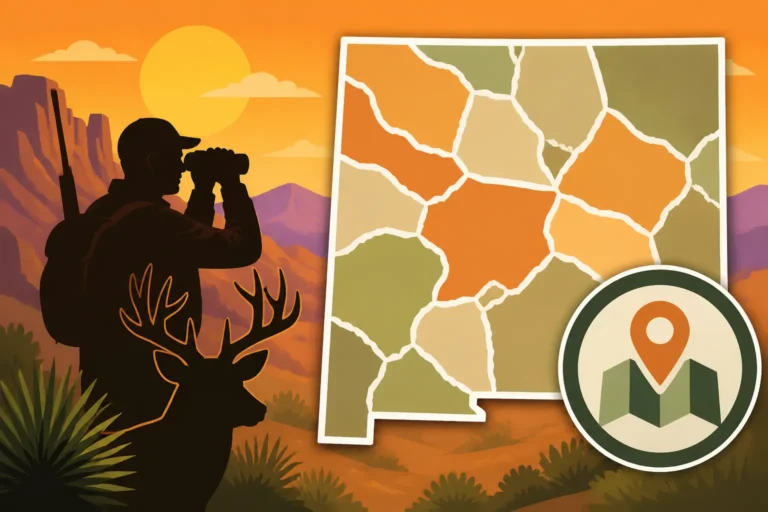
- Maps: NMDGF also provides basic unit maps that can give you a general overview of the topography, showing major mountain ranges, river systems, and wilderness areas. This ties directly into Reading a New Mexico Hunt Code Before You Apply.
Physical Scouting and Local Knowledge
While digital tools are powerful, nothing beats boots-on-the-ground scouting. If possible, a pre-season trip to your chosen unit can provide invaluable firsthand experience with the terrain.
- Walk the Ground: Spend time hiking some of the areas you identified digitally. This will confirm or deny your initial impressions of steepness, cover, and accessibility. You’ll feel the loose rock, push through the thick brush, and truly understand the demands. Scouting New Mexico State Trust Land Fourteen Days Out details how to approach this.
- Talk to Locals: Locals, especially those who spend a lot of time outdoors (ranchers, forest service personnel, other hunters), can offer irreplaceable insights into specific areas, common game movements, and subtle terrain features not visible on a map.
- Game Wardens: A brief, respectful conversation with the local game warden can sometimes yield valuable information about a unit's character and typical hunting pressure.
Making Your Final Unit Selection and Preparation
Bringing all these pieces together is where you make an informed decision that maximizes your chances of a rewarding hunt, regardless of whether you punch a tag.
Balancing Trophy Potential with Access and Difficulty
It’s an age-old dilemma: the biggest animals often live in the hardest-to-reach places. This is largely due to reduced hunting pressure. However, drawing a tag for a unit renowned for monster bulls, only to find you can’t physically get to where they live, is a recipe for disappointment.
- High-Difficulty, High-Reward: If you're physically prepared and craving a true backcountry challenge, target those rugged wilderness units. You might see fewer animals, but the quality of the hunt and the potential for a truly mature animal are higher.
- Moderate-Difficulty, Balanced Reward: For many hunters, units with a mix of accessible and challenging terrain offer the best balance. You can target areas that are within your physical capabilities while still pushing into less-pressured fringes.
- Low-Difficulty, Accessible Reward: Don't shy away from easier units if that matches your fitness and style. While they might see more pressure, smart scouting and hunting during less popular times can still yield success. Plus, enjoying the experience without constantly battling exhaustion is a huge win.
Remember that New Mexico Elk Are Why the Gila Draws Everyone, but also why it demands so much from a hunter. Don't be afraid to consider other units.
Training and Preparation for Your Chosen Terrain
Once you’ve picked a unit, your preparation shifts focus. Tailor your physical training to the demands of the terrain.
- Mountain Units: Incorporate plenty of incline walking, stair climbing, and hiking with a weighted pack. Focus on strengthening your core and legs. Practicing with your hunting boots on challenging terrain will help break them in and identify any potential hot spots before the hunt. Your Altitude Preparation for a Gila Elk Hunt can make or break your hunt in the high country.
- Desert Units: While less emphasis on extreme vertical, focus on long-duration cardio, heat acclimatization, and carrying heavy loads (water). Strengthen your ankles for navigating uneven, rocky ground. Staying hydrated and understanding the signs of heat exhaustion are paramount.
- General: Practice shooting in hunting positions, especially after a strenuous hike, to simulate real-world conditions. Good preparation also means careful attention to Reading Terrain Before You Pick a Camp, ensuring you choose a spot that offers some shelter and relief.
Contingency Planning for Unexpected Challenges
No matter how well you prepare, New Mexico’s wild places can throw curveballs. Planning for contingencies is part of smart hunting, especially in challenging terrain.
- Weather: Mountain weather can change rapidly from sunny and warm to snowing and freezing. Always pack layers and emergency shelters. Desert monsoons can turn dry washes into raging rivers in minutes.
- Injuries: A twisted ankle or a fall can quickly become serious in remote, difficult terrain. Carry a comprehensive first-aid kit, know basic wilderness first aid, and ensure someone knows your detailed itinerary.
- Navigation: Always have multiple navigation methods (GPS, paper map, compass) and know how to use them. Even with modern electronics, battery failure or signal loss can occur.
- Communication: Cell service is often nonexistent in remote New Mexico units. A satellite communication device (like a satellite messenger or phone) is a wise investment for safety.
- Emergency Plan: Discuss an emergency plan with your hunting partners. What happens if someone gets injured? Who carries the satellite device? Who calls for help?
By carefully considering New Mexico's diverse terrains, honestly assessing your own capabilities, and using modern tools and good old-fashioned scouting, you can choose a unit that not only holds the game you seek but also offers a challenging yet enjoyable adventure perfectly tailored to you. You'll be well-prepared to handle everything from Hunting New Mexico From 4,000 Feet to 10,000 feet to the scorching desert floor.
| Terrain Type | Physical Demands | Ideal Hunting Style | Essential Gear Considerations |
|---|---|---|---|
| High Mountains | High cardio, strength, endurance at altitude | Still, Spot-and-Stalk | Layered clothing, sturdy boots, trekking poles, water filter, altitude meds, robust pack, navigation tools, first aid |
| Rolling Foothills | Moderate cardio, good endurance for long walks | Still, Spot-and-Stalk | Comfortable hiking boots, lighter pack, binoculars, less extreme layering, good optics |
| Arid Deserts | Moderate endurance, heat tolerance, ankle strength | Spot-and-Stalk, Sit water | Plenty of water, wide-brimmed hat, breathable clothing, snake gaiters, sturdy boots, sun protection, navigation tools, first aid |
Disclaimer
This article is for general informational purposes only and does not constitute professional advice. Laws, prices and regulations vary by location and change over time. Consult a qualified professional for guidance on your specific situation.