What Happens Without Landowner Permission
It’s a fear every hunter has tucked away in the back of their mind: inadvertently stepping onto private land without permission, or worse, making a shot that carries across a property line. In New Mexico, with its diverse landscape and often intricate mix of public and private ownership, understanding where you can legally hunt is paramount. This guide is here to shed light on what actually happens if you hunt without landowner permission in New Mexico, breaking down the potential repercussions and, more importantly, equipping you with the knowledge to avoid such stressful situations entirely.
Understanding Trespass in New Mexico Hunting
Let's be honest, those property lines on a map can sometimes feel more like suggestions when you're deep in the timber or chasing a buck across open plains. But in New Mexico, those lines are solid, legal boundaries, and crossing them without proper consent constitutes trespass. It's not always malicious; sometimes it's an honest mistake, a map misread, or simply not knowing the rules.
What Constitutes Trespass While Hunting
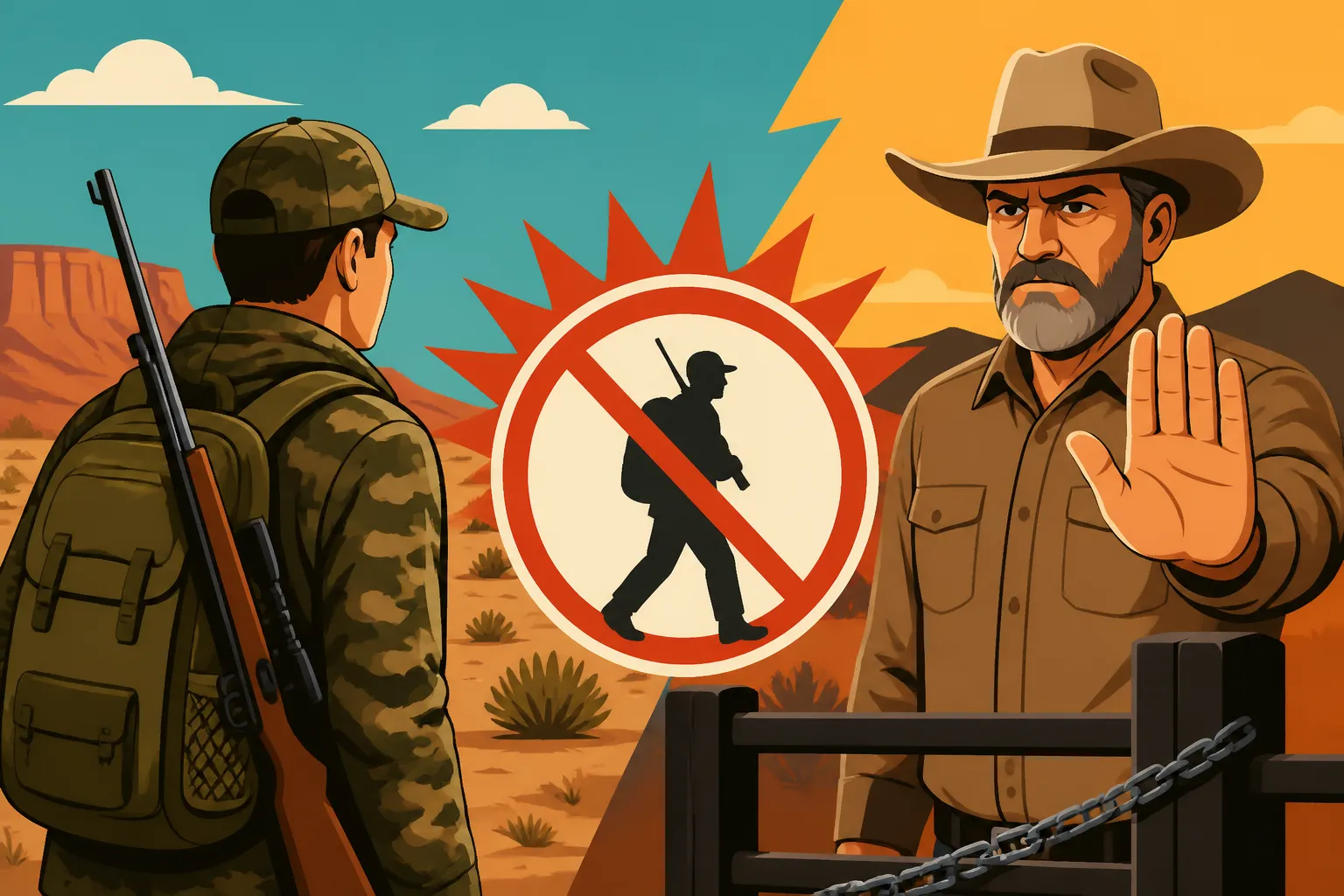
Trespass isn't just about cutting a fence or ignoring a "No Trespassing" sign. In New Mexico, if you enter or remain on private land without the express permission of the landowner or their agent, you are trespassing. This applies whether the land is fenced, unfenced, cultivated, or wild. The key is permission. It's not enough to assume; you need to know. This extends beyond just your physical presence. If you shoot an animal that is on private land, even if you are standing on public ground, that can still lead to legal trouble related to taking game from private property without permission.
Think about those vast stretches of cattle ranch land you might see near a national forest. While it might look like open range, much of it is privately owned. Even retrieving a downed animal from private property requires permission. The intent doesn't always matter as much as the act itself. If you're hunting near a known private boundary, whether it's clearly marked or not, the onus is on you, the hunter, to ensure you are on legal ground. It's why Reading a Land Ownership Layer Correctly is such a critical skill.
The Role of Posted and Unposted Land
While "No Trespassing" signs certainly make it clear, their absence doesn't automatically grant you access. New Mexico law dictates that private lands do not necessarily need to be posted to be considered private. This is where many hunters, especially those from states with different traditions, can get into trouble. You cannot simply walk onto unposted land and assume it's fair game. It's always private unless it's explicitly designated as public or you have verifiable permission.
This is particularly relevant when you're trying to Crossing Private Ground to Reach Public Land. That little sliver of private property between you and thousands of acres of BLM or Forest Service land is still a barrier. You need permission to cross it, even if your ultimate destination is public. This is where tools like onX Hunt become invaluable, showing you those exact property lines in real-time, helping you avoid missteps. Without checking these details beforehand, you could find yourself in a heap of trouble with both the landowner and law enforcement.
Legal Consequences of Trespassing in New Mexico
Okay, so you've made a mistake, or perhaps you intentionally disregarded a boundary. What actually happens next? The consequences for hunting without landowner permission in New Mexico can range from a stern warning to severe fines, loss of hunting privileges, and even criminal charges. It's not something to take lightly.
Fines and Penalties for Trespass
New Mexico treats trespass seriously. The specific penalties can vary depending on the nature of the trespass, whether it's considered simple trespass or criminal trespass, and if hunting was involved. Simple trespass might result in a citation and a fine, similar to a traffic ticket. However, when hunting is involved, and especially if an animal is harvested from private land, the stakes are significantly higher.
Here's a general overview of potential penalties, though specific figures can change and are determined by the courts:
| Type of Trespass | Nature of Offense | Potential Consequences (General) |
|---|---|---|
| Simple Trespass | Entering or remaining on private land without permission. | Fines, potential warnings. |
| Criminal Trespass | Entering or remaining on private land without permission, often involving intent or damages, or a refusal to leave when asked. If armed, this can escalate. | Larger fines, potential jail time, criminal record. |
| Trespass While Hunting | Harvesting game from private land, or hunting on private land, without permission. | Significant fines, loss of hunting license, confiscation of weapon/game, potential criminal charges, restitution to the landowner. |
The fines associated with hunting trespass can be substantial, often in the hundreds or even thousands of dollars. And it’s not just the monetary cost. There's the potential for court appearances, legal fees, and a stain on your hunting record. Losing your hunting license, especially if it's for multiple years, can be a devastating consequence for passionate outdoorsmen.
Confiscation of Game and Equipment
One of the most immediate and impactful consequences for a hunter caught trespassing and having harvested an animal is the confiscation of that animal. That hard-earned deer or elk you just packed out? It can be seized by game and fish officers. All that effort, time, and money spent on the hunt, gone. Beyond the game itself, your hunting weapon (rifle, bow, muzzleloader) can also be confiscated as evidence or as part of the penalty. This can be a huge blow, both financially and emotionally.
Imagine spending years trying to draw a New Mexico Elk Season Dates by Unit tag, finally getting one, and then losing your harvested bull and your rifle because you misread a map. It's a harsh reality, but it's a very real possibility. Law enforcement agencies in New Mexico do not take game violations lightly, and they have the authority to enforce these penalties.
Loss of Hunting Privileges
Perhaps the most feared consequence for any hunter is the loss of hunting privileges. In New Mexico, a conviction for hunting-related trespass can lead to the suspension or revocation of your hunting license. This isn't just a temporary setback; it can be for multiple years, effectively banning you from participating in the sport you love. And here's the kicker: many states participate in interstate wildlife violator compacts. This means that if you lose your hunting privileges in New Mexico, you could potentially lose them in dozens of other states as well.
This consequence underscores the importance of being absolutely certain of your location at all times. The dream of chasing Mule Deer Across New Mexico's High Country and Desert or pursuing Oryx Is New Mexico's Strangest Big Game Animal could be put on hold indefinitely, affecting not just your immediate plans but your entire future as a hunter.
Preventing Accidental Trespass While Hunting
Nobody wants to trespass. Most hunters are ethical and want to follow the rules. The good news is that with a bit of preparation and the right tools, accidental trespass is largely avoidable. It takes diligence, but the peace of mind is worth it.
Utilizing Modern Mapping Tools
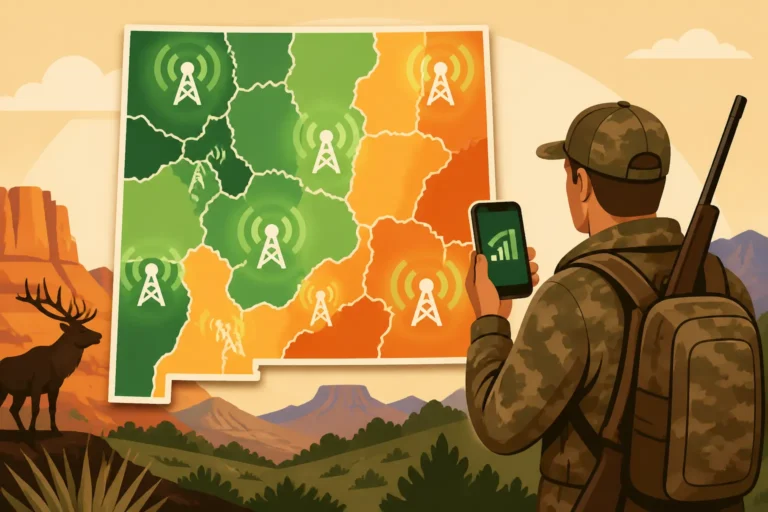
The advent of digital mapping tools has revolutionized how hunters navigate public and private lands. Apps like onX Hunt are indispensable for showing detailed land ownership boundaries directly on your phone or GPS device. This is not just a "nice-to-have"; it's a "must-have" for hunting in New Mexico's diverse terrain. These apps use GPS to pinpoint your exact location relative to property lines, allowing you to walk right up to a boundary without crossing.
Before your hunt, take the time to E-Scouting a New Mexico Unit Before the Season thoroughly. Download the maps for your specific unit offline, so you have access even without cell service. Zoom in on areas where public and private lands intermingle. Pay special attention to corners and narrow strips of public access that might lead into larger blocks of public land. This proactive approach, combined with real-time tracking in the field, is your best defense against trespass. Brands like GoHunt also offer detailed mapping and research tools that can help you understand the lay of the land, including access points and potential private land issues.
Obtaining Written Permission
If you do identify private land that you need to cross to reach public ground, or if you're interested in hunting a specific private parcel, always, always, always obtain written permission. Verbal permission can be difficult to prove if there's a dispute, especially if the landowner's memory or willingness changes. A signed, dated document outlining the terms of your access is your best protection.
When seeking Getting Written Permission in New Mexico, be respectful, clear, and understanding. Landowners are often wary of hunters, especially after bad experiences. Present yourself professionally, explain your intentions, and offer to share your contact information. Some landowners might be open to granting permission for specific purposes, like game retrieval, even if they don't allow general hunting. Always respect their decision if they say no. It's their property, and they have every right to control who accesses it.
Respecting Boundaries and Signage
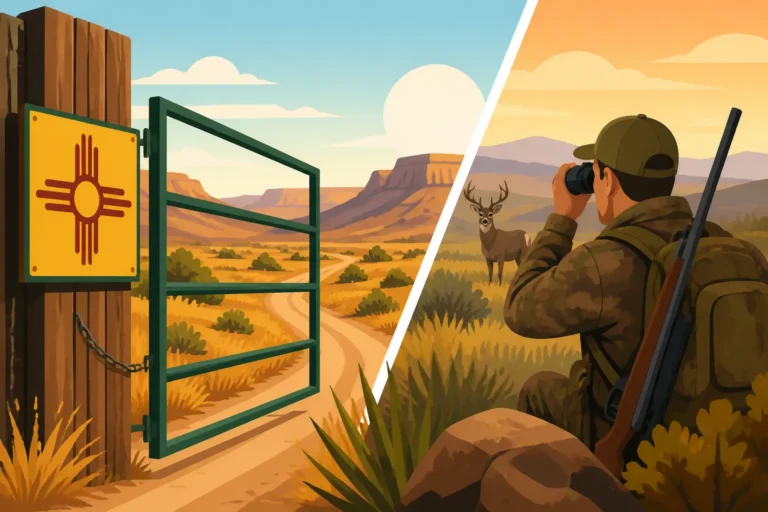
Even with mapping tools, always keep an eye out for physical signs on the ground. Fences, gates, and "No Trespassing" signs are there for a reason. Sometimes, a map layer might be slightly off due to GPS inaccuracies or outdated data. If you see a clear sign or boundary marker that contradicts your map, err on the side of caution. Do not cross it without double-checking your position and, if necessary, retreating.
Remember, the goal is not just to avoid legal trouble, but to maintain a positive relationship between hunters and landowners. Trespass Law on Posted Property is there to protect private property rights, and respecting those rights is fundamental to responsible hunting. A good relationship with landowners can sometimes even open up future opportunities.
What to Do If You Suspect You've Trespassed
Mistakes happen. Even with the best preparation, you might find yourself in a situation where you're unsure if you've crossed a line, or worse, you realize you definitely have. Knowing how to react responsibly can mitigate potential issues.
Immediately Acknowledge and Rectify
If you realize you’ve trespassed, the absolute best thing to do is immediately acknowledge it and rectify the situation. Stop what you are doing, unload your weapon, and calmly make your way back to known public ground or where you had permission. Do not try to hide, run, or sneak away. This will only escalate the situation and make you look guilty of malicious intent.
If you encounter a landowner or game warden while you are on private land, be polite, cooperative, and honest. Explain what happened, apologize for the error, and assure them you are leaving immediately. Trying to argue or being confrontational will only make things worse. Your calm and respectful demeanor can go a long way in de-escalating the situation and potentially avoiding formal charges, especially if it was a genuine, first-time mistake.
Cooperate with Law Enforcement
Should a game warden or other law enforcement officer be involved, cooperate fully. Provide your identification, hunting license, and any other requested documents. Answer their questions truthfully and respectfully. Do not resist, obstruct, or lie. Lying to a law enforcement officer can lead to additional, more serious charges.
They are simply doing their job to uphold the law and protect wildlife resources and private property. By cooperating, you are demonstrating that you are a responsible citizen and hunter, even if you made a mistake. Remember that your hunting license in New Mexico is a privilege, not a right, and a game warden has the authority to investigate and enforce violations. Knowing The New Mexico Rules and Info Booklet inside and out can help you understand your rights and responsibilities in such encounters.
Learn from the Experience
Every incident, whether a near-miss or a formal citation, is a learning opportunity. Afterward, take the time to review what happened. Was your map outdated? Did you misinterpret a boundary? Did you push too close to a known private area? Adjust your scouting methods, double-check your map layers (especially with powerful tools like onX Hunt or GoHunt that frequently update their data), and communicate more clearly with hunting partners about boundary awareness.
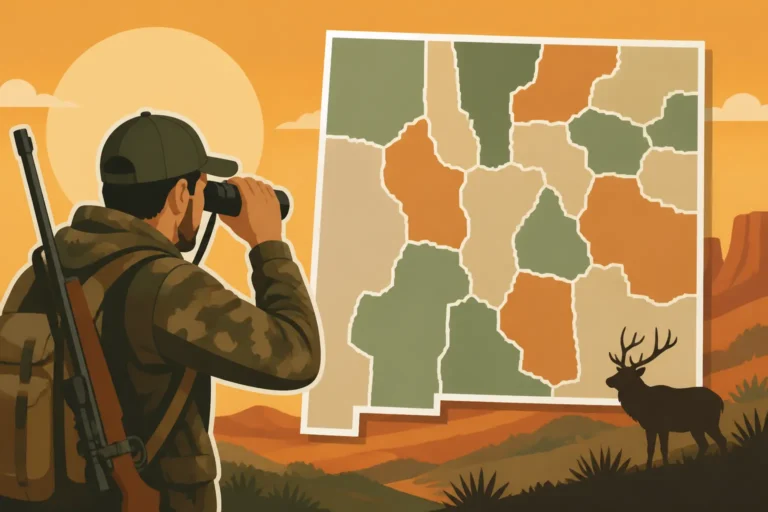
Consider investing in more robust GPS devices or carrying a backup battery for your phone. Education is your best defense. Understand How New Mexico Numbers Its Hunting Units and how those unit boundaries relate to land ownership. The more knowledge you have, the less likely you are to find yourself in a similar predicament in the future. New Mexico offers incredible hunting opportunities across New Mexico Holds Over 30 Million Acres of Public Hunting Land, but it demands respect for all land, public and private alike.
Disclaimer
This article is for general informational purposes only and does not constitute professional advice. Laws, prices and regulations vary by location and change over time. Consult a qualified professional for guidance on your specific situation.