Open Gate Properties and How They Work
It's a familiar feeling, isn't it? You've spent hours poring over maps, dreaming of wide-open spaces, only to have your hopes dashed by a sea of private land, often checkerboarded right up against public ground you can't even touch without a helicopter. Finding reliable, legal access to hunting grounds in New Mexico can be a real headache, especially if you're not looking to hire a guide or lease private acreage. This guide is all about one fantastic program that helps bridge that gap: Open Gate Properties. We'll dive into what they are, how they work, and how you can use them to unlock more hunting opportunities across the state.
What Exactly Are New Mexico's Open Gate Properties?
The New Mexico Department of Game and Fish (NMDGF) understands the challenges hunters face when it comes to finding places to pursue game. They know that land ownership can be a complex puzzle, and that public land isn't always as accessible as it appears on a map. That's where the Open Gate program comes in, aiming to open doors that would otherwise remain closed.
The Core Idea Behind the Program
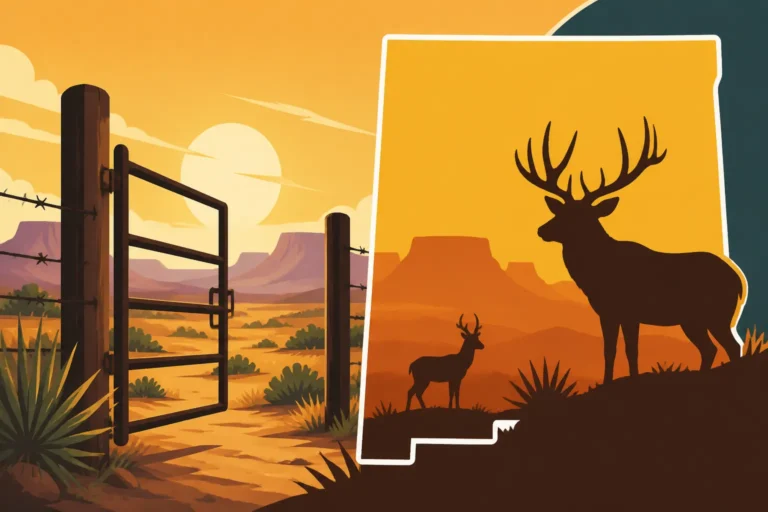
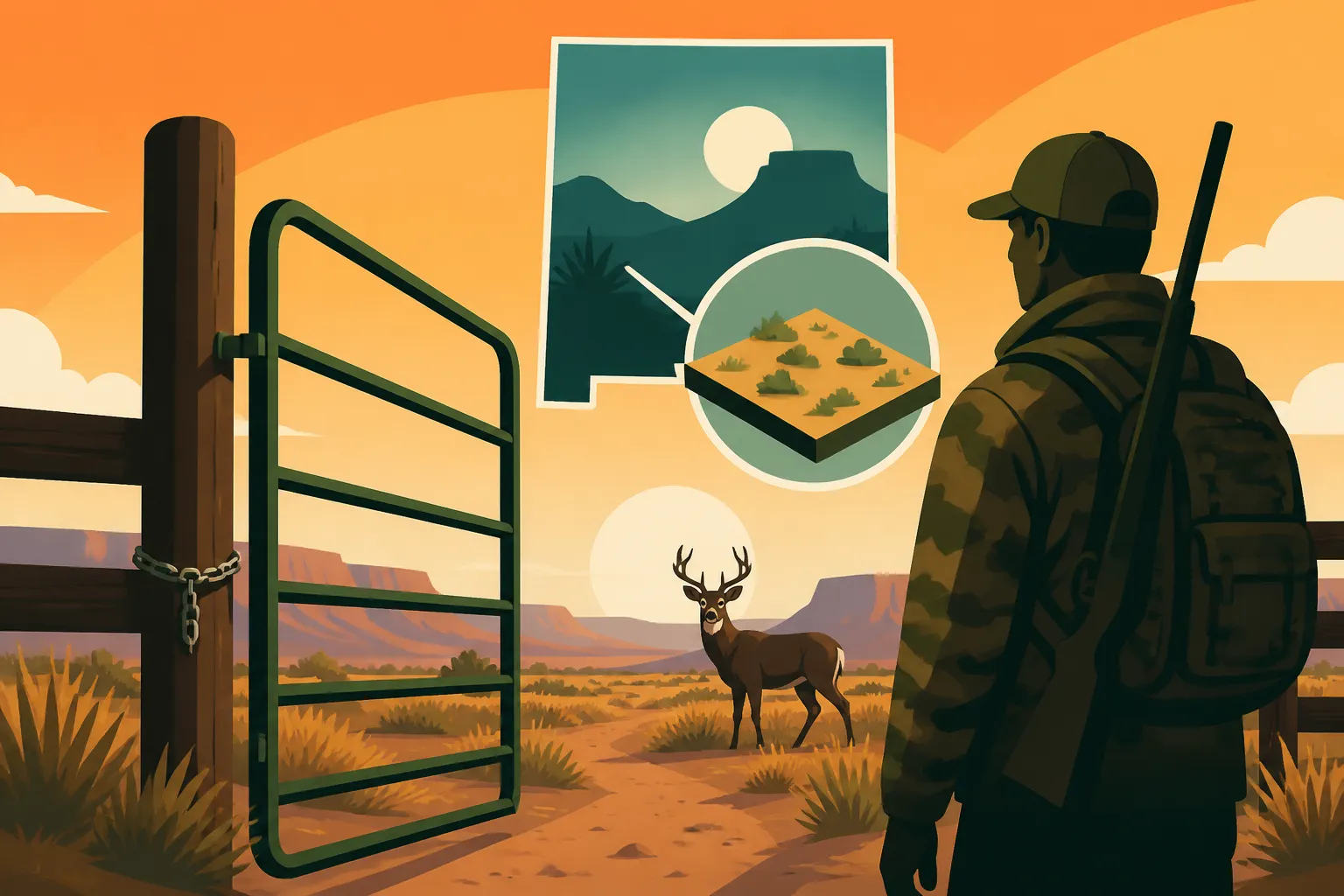
At its heart, the Open Gate program is a brilliant partnership between the NMDGF and private landowners. Instead of simply buying up land, which isn't always feasible, the NMDGF works with private property owners who are willing to allow public access for specific hunting activities. In exchange for granting this access, landowners receive compensation. It's a win-win: landowners get a financial incentive, and hunters get more places to go without the need for individual permission slips or expensive leases. Think of it as a carefully managed expansion of public opportunity onto private ground. The NMDGF acts as the middleman, ensuring rules are followed and that the program benefits both wildlife and the hunting community.
Many hunters are accustomed to the vastness of places like the Gila National Forest or the endless stretches of BLM ground, but New Mexico also has significant private land holdings. This program helps integrate some of that private acreage into the broader hunting landscape, especially in areas where public lands are fragmented or difficult to reach. It’s an innovative approach to increasing New Mexico Holds Over 30 Million Acres of Public Hunting Land and diversifying options beyond just BLM Ground Carries Most of New Mexico's Open Access.
Who Benefits from Open Gate?
The beauty of the Open Gate program is that it creates value for multiple parties, fostering a more robust hunting and conservation environment in New Mexico.
For hunters, the benefits are immediately obvious. It means more boots-on-the-ground opportunities. Instead of just driving past prime-looking private ranches, you might find that a section of it is now part of the Open Gate program, granting you legal access. This is particularly valuable for species that might frequent private agricultural lands or specific habitat types that aren't widely available on public ground. It can significantly cut down on the frustration of trying to secure Getting Written Permission in New Mexico from individual landowners, which can be an exhausting and often fruitless endeavor.
Landowners are compensated for allowing access, which can be a valuable income stream, especially for those managing larger ranches. Beyond the financial aspect, it also provides a structured way for them to manage wildlife on their property. By partnering with NMDGF, they ensure that hunting is conducted legally and ethically, often reducing poaching pressure and supporting overall game management goals. The NMDGF also helps manage hunter numbers and sets specific rules, giving landowners peace of mind.
Finally, the NMDGF benefits by achieving its mission of wildlife conservation and providing recreational opportunities. The program enhances public relations by demonstrating proactive efforts to address access issues and promotes responsible hunting practices. It allows them to leverage private land for broader conservation objectives, potentially expanding critical habitat or migration corridors for various game species.
How to Find and Utilize Open Gate Lands
The Open Gate program isn't a secret, but finding and understanding these properties requires a bit of homework. It's not a "show up and hunt anywhere" kind of deal; each property has its own specific set of parameters that must be adhered to.
Locating Designated Properties
The primary source for information on Open Gate properties is the official New Mexico Department of Game and Fish website. They maintain a list of active properties, often with maps and detailed rules for each. This list is usually updated seasonally, so it’s crucial to check it regularly before heading out. Sometimes, these properties are included in the annual hunt rule and information booklet, but the online resource is generally the most current.
Once you have the NMDGF information, tools like onX Hunt become invaluable. Many Open Gate properties are depicted on onX Hunt as designated access areas, clearly showing the boundaries and often the specific access points. This visual representation can save you a ton of guesswork and help you navigate the landscape confidently. Another excellent resource for planning hunts, including checking for Open Gate opportunities, is GoHunt. They often compile and present this information in a user-friendly format, helping hunters strategize their trips. Don't forget to check Using onX Layers for New Mexico Public Land to really get a handle on property boundaries before you ever leave home.
When you're looking at these maps, pay close attention to the designated access routes and parking areas. Unlike vast public lands where you might just pull off the road, Open Gate properties often have specific entry and exit points. Trespassing, even accidentally, onto an undesignated portion of an Open Gate property or adjacent private land can jeopardize the entire program and earn you a hefty fine.
Understanding Specific Property Rules
Here's where the "read the fine print" advice really comes into play. Every Open Gate property is unique, and its rules are tailored to the landowner's needs and the specific wildlife management objectives. You absolutely cannot assume that rules from one Open Gate property apply to another.
Key things to look for in the property's specific rules include:
- Allowed Species: Is it for deer, elk, pronghorn, turkey, New Mexico Quail Season Openers, or small game? Some properties might only allow bird hunting, while others open up big game opportunities.
- Permitted Weapon Types: Is it archery-only, muzzleloader, or any legal weapon? This is a critical detail that will determine if your tag is even valid on that particular property.
- Season Dates: While it generally follows state seasons, some Open Gate properties might have narrower windows or specific dates for access.
- Access Limitations: Are there specific hours for entry and exit? Are motorized vehicles allowed beyond designated parking? Are ATVs or e-bikes permitted?
- Camping and Fires: Generally, camping and fires are prohibited on Open Gate properties unless explicitly stated otherwise.
- Other Restrictions: This could include things like "no dogs," "no target shooting," or "pack out all trash."
Failing to adhere to these rules can not only get you a citation but can also lead to the landowner pulling out of the program, closing access for everyone. It's a shared responsibility to make this program work.
Respecting Boundaries and Landowner Trust
The success and continuation of the Open Gate program depend entirely on hunters acting ethically and respecting the trust placed in them. Think of it as an ongoing interview: every hunter who steps onto an Open Gate property is representing the entire hunting community.
Always be hyper-aware of your surroundings and your position on the map. Use GPS tools diligently to ensure you stay within the Open Gate boundaries. If the property borders private land that isn't part of the program, it's your responsibility to know exactly where that line is.
Leaving gates as you found them (open gates open, closed gates closed) is non-negotiable. Don't litter, pack out everything you pack in, and perhaps even more. Avoid disturbing livestock or ranch operations. If you see something that looks out of place, or if you encounter other hunters who aren't respecting the rules, consider discreetly notifying the NMDGF. Protecting these opportunities means being a good steward of the land and a responsible ambassador for hunting.
Species and Seasons on Open Gate Properties
You might be wondering what kind of game you can realistically expect to pursue on an Open Gate property. The answer is, it varies widely, but it often provides access to species that are challenging to hunt on purely public land.
What You Can Typically Hunt
Open Gate properties can offer opportunities for a wide range of game animals, depending on the habitat and the landowner's agreement with the NMDGF. You might find access for:
- Deer: Both mule deer and sometimes even Coues deer in southern regions. These properties can be crucial for accessing deer that spend their time on private agricultural fields or in specific desert ranges. New Mexico Mule Deer Across Northern New Mexico often utilize a mix of public and private land, so Open Gate can be a game-changer.
- Elk: While not typically found in the Gila's dense timber, some Open Gate properties can be excellent for accessing elk that move between private ranchlands and adjacent public forests, especially in units with significant private holdings.
- Pronghorn: Many pronghorn herds utilize private ranchland, and Open Gate can offer prime opportunities for these elusive plains dwellers.
- Small Game and Upland Birds: Properties focused on agricultural fields or specific brush types can be phenomenal for dove, quail, and rabbit hunting.
- Turkey: Rio Grande turkeys, in particular, often frequent river bottomlands and private pastures, making Open Gate access highly valuable.
It's generally less likely you'll find Open Gate opportunities for highly specialized or backcountry species like bighorn sheep or ibex, as those hunts are typically managed under different, much more restrictive programs. However, for the bread-and-butter species, Open Gate can be a real boon.
Season Dates and Specific Restrictions
The season dates for hunting on Open Gate properties generally align with the statewide or unit-specific seasons for the particular game animal. For example, if you draw a deer tag for Unit X, and there's an Open Gate property in Unit X open for deer hunting, you'll generally follow the dates of your drawn tag.
However, and this is critical, always check the specific Open Gate property information for any unique season date adjustments or access windows. Some properties might have limited hunting days (e.g., weekends only), or shorter overall seasons than the general unit season. This is often done to minimize disturbance to livestock, agricultural operations, or to manage hunter pressure.
For instance, you might find an Open Gate property that's open for New Mexico deer season but only during the first week of the archery season, even if the general unit archery season runs longer. It's imperative to confirm these details on the NMDGF website or Where New Mexico Publishes Unit Access Maps before you plan your trip. Showing up on a day when the property is closed can result in a trespass violation, even if you have a valid tag for the general season.
Advantages and Limitations of Open Gate
Like any program, Open Gate has its strong points and areas where hunters need to set realistic expectations. Understanding both sides can help you make the most of these opportunities.
The Upsides for the Hunter
The advantages of the Open Gate program are quite significant for the average hunter, especially those without deep pockets for private land leases.
First and foremost is increased access. In a state like New Mexico, where vast tracts of private land can effectively block access to public ground or hold high concentrations of game, Open Gate literally opens gates. It democratizes hunting somewhat, allowing more hunters to experience quality private land hunting without prohibitive costs. Imagine being able to hunt a prime alfalfa field for deer or a hidden stock tank for antelope, all legally accessible through the program. This is far better than simply trying to Hunting Over a Stock Tank Legally on public land when the prime spots are often on private.
Secondly, it provides diverse hunting opportunities. Many Open Gate properties offer habitats not commonly found on easily accessible public land, such as irrigated pastures, river bottomlands, or specific types of desert scrub that are managed privately. This can lead to different hunting experiences and potentially higher success rates for certain species.
Lastly, it often means reduced pressure compared to easily accessible public lands. While Open Gate properties do get hunting pressure, the fact that they require some research to find and specific rules to follow can naturally filter out some of the casual traffic you might encounter on easily accessible federal land. Some properties may even limit hunter numbers per day or per season, further enhancing the quality of the experience.
Potential Drawbacks and Considerations
While fantastic, Open Gate isn't a silver bullet for all access issues, and it comes with its own set of considerations.
One major point is that properties can change year to year. A ranch that was part of the program last season might not be this season, or its rules might change. This requires hunters to stay vigilant and check the NMDGF resources annually. You can't just assume your favorite Open Gate spot will always be there or operate under the same conditions.
Another limitation is that these properties may not always be trophy areas. While you might find good animals, landowners are often incentivized by conservation or access payments, not necessarily by managing for Boone and Crockett scores. Don't go in expecting a guaranteed giant. The program is about access, not necessarily trophy quality, though good animals can certainly be harvested.
Finally, the specific and sometimes restrictive rules can be a drawback for some hunters. The need to adhere strictly to designated parking, foot-traffic-only zones, or limited hunting dates means you can't always just roam freely as you might on open BLM or National Forest land. This requires careful planning and discipline, which some hunters might find restrictive. But, let's be honest, that little bit of extra effort is a small price to pay for access that wouldn't otherwise exist.
Here’s a quick summary of what to keep in mind when looking at Open Gate properties:
| Aspect | What to Check | Why It Matters |
|---|---|---|
| Active Status | Is the property still listed for the current season? | Properties change; don't rely on old info. |
| Allowed Species | Which animals can you hunt here? | Don't burn a deer tag on a bird-only property. |
| Weapon Type | Archery, muzzleloader, or any legal weapon? | Crucial for compliance with your tag and equipment. |
| Season Dates/Hours | Specific dates or times for access. | May differ from general unit season; avoid trespass. |
| Access Points | Where can you enter and park? Are vehicles allowed beyond parking? | Protects landowner property and avoids fines. |
| Camping/Fires | Are these activities permitted? (Usually no). | Prevent wildfires and respect private land regulations. |
| Other Restrictions | Any "no dogs," "pack it out," or special behavior rules. | Ensures the program's continuation and good hunter-landowner relations. |
| Boundary Maps | Have a reliable map (e.g., onX Hunt) with property lines. | Absolutely critical to avoid accidental trespass onto adjacent private land. |
Disclaimer
This article is for general informational purposes only and does not constitute professional advice. Laws, prices and regulations vary by location and change over time. Consult a qualified professional for guidance on your specific situation.