Water Hauling for a Desert Camp
There’s a unique kind of anxiety that settles in when you’re headed deep into New Mexico’s desert for a hunt: it’s not about seeing game, or even the shot itself. It’s the gnawing question of water. The desert doesn't forgive, and running dry out there can quickly turn a dream hunt into a survival nightmare. This guide is all about how to master the art of water hauling for a desert camp, ensuring you stay hydrated, healthy, and focused on the hunt, not on thirst.
Why Water Hauling Isn't Just a Suggestion in New Mexico's Desert
Let's be brutally honest: New Mexico’s desert isn't just "dry" in the way some places might be. It's truly arid, often scorching, and utterly unforgiving if you underestimate its thirst. Ignoring proper water planning is, quite frankly, negligent when you're headed into these vast, open, and often remote landscapes. You simply cannot expect to find enough readily available natural water to sustain yourself for a multi-day hunt.
The Harsh Realities of Arid Environments
Picture this: you've finally drawn that coveted desert mule deer tag, maybe in one of the sprawling units in southern New Mexico. You've spent months preparing your gear, dialing in your rifle, and scouting on maps. You arrive, set up camp under a canopy of stars, and wake to a crisp morning, eager to hit the hills. But by 9 AM, the sun is already beating down, the air is bone-dry, and every step kicks up a puff of fine dust. You're already sweating, and your throat feels like sandpaper. This isn't just discomfort; it's a prelude to something far more serious. Dehydration can creep up on you fast in these conditions. It saps your energy, impairs your judgment, and can lead to heat exhaustion or even heatstroke, especially on an early season hunt. Your ability to hike, glass, stalk, and even make crucial decisions is severely compromised without adequate hydration. Relying solely on a small water bottle for a full day of desert hunting is a recipe for disaster.
The terrain itself often demands more physical exertion than you might anticipate. Rolling hills, rocky arroyos, and steep climbs out of canyons, all under the relentless sun, will quickly deplete your reserves. You'll be breathing harder, sweating more, and needing to replace those fluids constantly. Even if the temperatures aren't scorching, the low humidity constantly pulls moisture from your body. You need a proactive approach to hydration, not a reactive one.
Beyond Drinking: Water for Camp Life
It’s easy to focus just on drinking water, but a successful and comfortable desert camp requires water for so much more. Think about preparing meals – even simple dehydrated dinners need water. Coffee in the morning, rehydrating after a long day, or washing up after handling game are all critical aspects of camp life that demand a significant water supply. Imagine gutting a deer and not having enough water to properly clean your hands or knife; it’s not only unpleasant but can also lead to hygiene issues.
Consider showering, even a quick sponge bath, to wash off the dust and sweat of the day. This isn't just about comfort; it helps prevent skin irritation and maintains morale, especially on longer hunts. Without it, you quickly feel grimy, sticky, and less effective. Your cooking pots, utensils, and even the simple act of rinsing out a coffee mug all consume water. If you’re planning a multi-day trip, particularly in hotter months, you'll want to review how much Water You Must Carry on a Desert Day Hunt but also how much to keep at camp. Don't forget that if you manage to harvest an animal, you'll need water for Field Dressing in Desert Heat and keeping your tools clean. It’s a common oversight, but once you’re out there, every drop counts, and you’ll quickly realize how many non-drinking tasks demand water.
Essential Gear and Methods for Hauling Water
Getting water from your home base or a nearby town to your remote desert camp requires specific gear and a solid plan. You can't just toss a few gallon jugs in the back of your truck and call it good; they'll bust, leak, or not be enough. This section breaks down practical solutions for bringing your precious supply to where you need it most.
Vehicle-Based Hauling Systems
For most desert hunts, especially those accessible by vehicle, your truck or SUV will be your primary workhorse for water hauling. Forget flimsy plastic jugs from the grocery store. They rupture easily, leak when tipped, and degrade quickly in the sun. Invest in robust, food-grade containers designed for transport.
- Reliance Water Jugs/Cans: These are a staple for a reason. They come in various sizes, typically 5 to 7 gallons, are made of durable plastic, and have sturdy handles. Some even feature spigots for easy dispensing. Their rectangular shape is often more space-efficient than round containers, allowing you to pack more into your vehicle. You can often find them at sporting goods stores or online.
- Water Brutes/Military-Style Water Cans: These heavy-duty containers are built to withstand abuse. They're often thicker plastic, sometimes even opaque to prevent algae growth, and feature robust caps and handles. They are heavier and more expensive, but their longevity and durability in rough terrain make them a worthwhile investment for frequent desert hunters.
- Water Bladders/Dromedary Bags (Large Capacity): For those with less rigid vehicle space or who want a collapsible option, large-capacity water bladders (10-20 liters or more) can be excellent. Brands like MSR make durable dromedary bags that can be filled, transported, and then rolled up compactly once empty. These are great if you need to optimize space or plan to refill smaller containers at a central cache. Just be sure to place them in a sturdy tote or bin to prevent punctures from other gear.
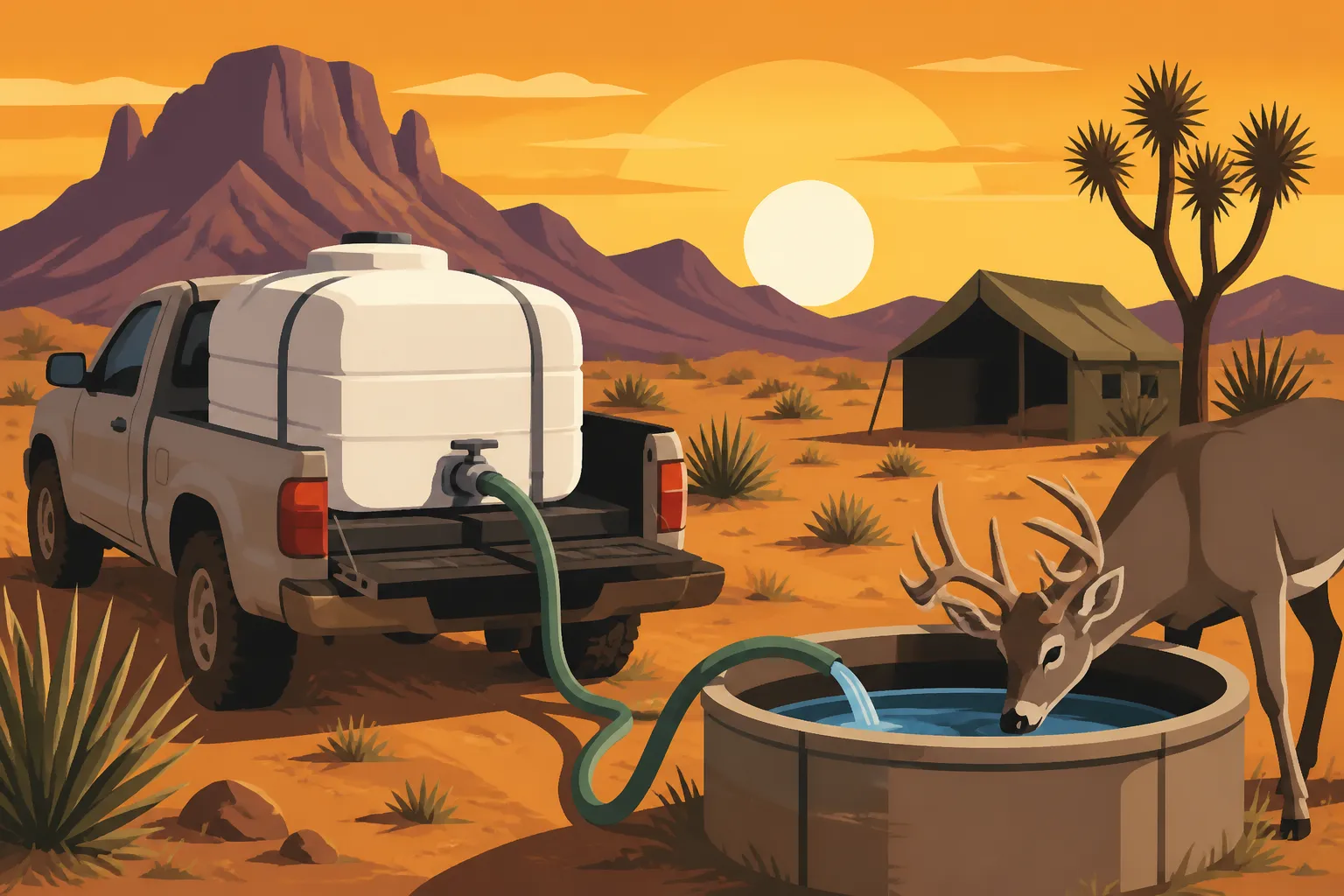
- Auxiliary Water Tanks: For the serious overlander or hunter spending extended periods in the backcountry, a permanently mounted auxiliary water tank on your vehicle or trailer is the ultimate solution. These can range from 20 to 50+ gallons, often with an electric pump and hose system. While a significant investment, they provide unparalleled convenience and capacity, turning your vehicle into a mobile water station.
- Securing Your Load: Regardless of the container type, securing your water is paramount. Full water containers are heavy and can become dangerous projectiles or burst if they shift violently during off-road travel. Use ratchet straps, tie-downs, or secure bins to prevent movement. Think about where you place them too; keeping them out of direct sunlight as much as possible will help prevent plastic degradation and keep the water cooler.
Backpacking and Personal Carry Solutions
Sometimes, your camp is just a bit too far off the beaten path for the truck, or you need to carry a day's supply away from the main cache. This is where personal carry solutions come into play.
- Hydration Bladders: A good 2-3 liter hydration bladder in your daypack is non-negotiable for desert hunting. Brands like CamelBak, Osprey, or Platypus offer reliable options. Ensure it’s clean, free of leaks, and easily accessible while on the move. Pair it with a few extra water bottles in exterior pockets.
- Nalgene Bottles/Hard-Sided Bottles: While hydration bladders are great, a few Nalgene bottles (32 oz or more) are invaluable. They’re durable, easy to clean, and allow you to quickly see your remaining water level. They also serve as an excellent backup if a bladder fails.
- Collapsible Water Bottles/Soft Flasks: When space is tight, or you want to carry extra capacity that can shrink as you drink, collapsible bottles are fantastic. They’re lightweight and can be tucked into almost any pocket once empty.
- Filtering/Purification Systems: While not for primary hauling, having a personal water filter (like Sawyer Squeeze or Katadyn BeFree) or purification tablets is a critical emergency backup. You should never plan to rely on finding natural water sources in the desert, but if you absolutely must, these tools are essential. We'll talk more about Finding Water in New Mexico's Dry Country later, but assume it will be dirty and need treatment.
Storage at Camp: Keeping Your Supply Safe
Once you've hauled your water to camp, proper storage is vital to keep it cool, clean, and accessible.
- Shade and Insulation: Water left in direct desert sun will heat up quickly, becoming unpalatable and losing its refreshing quality. Store all water containers in the shade – under a tarp, inside your tent, or covered by a reflective blanket. Wrapping containers in insulating material or placing them in a cooler can help keep water cooler longer.
- Elevated Dispensing: A simple trick for convenience is to set up a dedicated "water station." Elevate your main water container on a tailgate, a cooler, or a small table. If it has a spigot, gravity will do the work for you, making filling bottles and washing much easier.
- Protection from Pests: Desert critters are resourceful. Ensure your water containers are tightly sealed to prevent insects or animals from contaminating your supply or chewing through containers.
- Designated "Clean" and "Dirty" Water: If you're doing any washing, consider having a separate container for "dirty" water to avoid contaminating your potable drinking supply. This helps you conserve your clean water for essential tasks.
Remember, a little forethought in how you transport and store your water goes a long way in ensuring a comfortable and safe desert hunting experience.
Calculating Your Water Needs and Planning for the Unexpected
Underestimating your water needs in the New Mexico desert is one of the quickest ways to get into serious trouble. It's not just about how much you drink, but how much you need for every aspect of your trip. Plus, the desert is full of surprises, and having contingencies for water is non-negotiable.
The Daily Water Equation: More Than You Think
When you're planning a trip, many people mentally budget a gallon of water per person per day. In the desert, that's often cutting it too close. For active hunting in a hot, arid environment, a good baseline is 1.5 to 2 gallons of water per person, per day, just for drinking and minimal cooking. If temperatures are soaring, or your activity level is particularly high (think strenuous climbs or packing out an animal), that number can easily climb.
Let's break down where that water goes:
- Drinking: Your primary need. You should be constantly sipping water throughout the day, not waiting until you're parched. Your urine color is a good indicator: it should be pale yellow or clear, not dark.
- Cooking: Rehydrating freeze-dried meals, making coffee or tea, or cooking simple camp food all require water. A typical meal might consume 1-2 cups.
- Hygiene: A quick hand wash, brushing teeth, or a minimal wipe-down can still use a fair amount. Even just cleaning a knife after dressing game.
- Contingency: This is critical. What if you get turned around for a few extra hours? What if someone in your group gets sick and needs more fluids? What if you harvest an animal that requires more extensive cleaning or hide preparation than anticipated? Always factor in an extra day's worth of water for your group beyond your planned stay.
Consider a three-day, two-person hunt.
- Minimum drinking/cooking: 2 people x 1.5 gallons/day x 3 days = 9 gallons
- Basic hygiene/camp tasks: Add another 1-2 gallons.
- Emergency buffer: At least another 3 gallons (1.5 gallons per person for an extra day).
- Total Minimum: 13-14 gallons.
This calculation is a minimum. If you plan to wash more thoroughly, or if it's exceptionally hot, bump those numbers up. It's far better to haul a few extra gallons home than to run out when you're miles from the nearest refill. You can also monitor How Drought Affects Desert Deer Numbers to get a sense of how dry things are, which can indirectly influence water needs and natural sources.
Emergency Contingencies and Water Purification
Even with the best planning, things can go wrong. Your vehicle could break down, you could get lost, or a container could rupture. Having an emergency water plan is paramount.
- Redundancy in Hauling: Don't put all your water into one giant container. Distribute it across several smaller, durable jugs. If one leaks or is damaged, you still have other sources.
- Personal Water Filters/Purifiers: Every member of your hunting party should carry a personal water filter (like a Sawyer Squeeze, Katadyn BeFree, or a Lifestraw) and/or purification tablets (like Aquamira). While natural water sources are scarce in the desert, you might stumble upon a stagnant pool in an arroyo, a cattle tank, or a small seep. This water will be unappetizing and unsafe to drink directly, but a filter or tablets can make it potable in an emergency. Remember, filters don't remove viruses, so purification tablets or a chemical treatment are a good backup for questionable sources.
- Satellite Communicator/PLB: This isn't strictly water-related, but if you're truly in an emergency, being able to call for help is crucial. A satellite messenger (like a Garmin inReach or Zoleo) can be a lifeline if you run out of water and are beyond cell service.
Scouting for Natural Water Sources (and why not to rely on them)
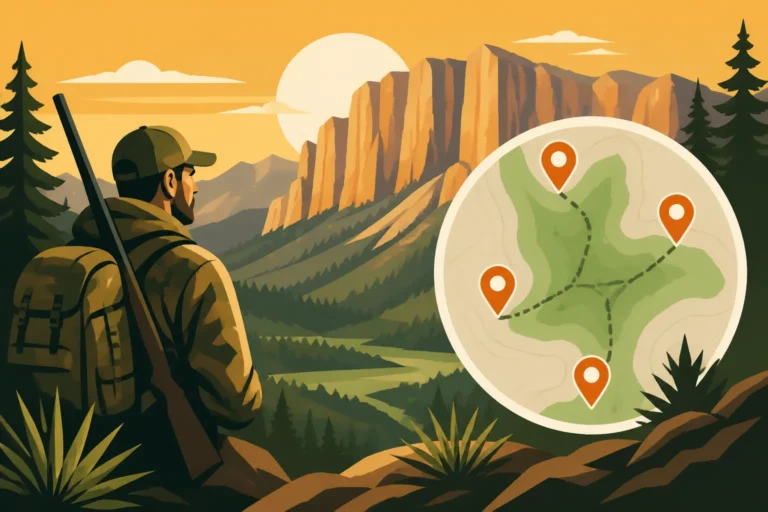
While I've emphasized not relying on natural water, it's still smart to know where potential sources might be for emergency planning. Tools like onX Hunt or GoHunt are invaluable for this.
- Topo Maps and Satellite Imagery: Look for blue lines indicating drainages, springs, or tanks. Pay close attention to contour lines that suggest canyons or depressions where water might collect after rain.
- Land Ownership Layers: Use your onX Hunt app to verify land ownership. A "water source" on private land is useless if you don't have permission to access it. Reading a Land Ownership Layer Correctly is critical here.
- Stock Tanks and Windmills: In many New Mexico desert units, cattle operations mean stock tanks and windmills. These are typically for livestock, but in a dire emergency, they could be a life-saver (with proper filtration/purification, of course). Always verify if these are on public land or private, and understand the ethics and legality of accessing them. Some Water Development Projects Built for Wildlife also exist, designed for game, and might be an option.
- Ephemeral Nature: Understand that "springs" or "tanks" marked on a map, especially in the desert, are often ephemeral. They might be dry for most of the year, particularly during hunting seasons. Just because it's marked doesn't mean it's flowing. Always approach these with skepticism and a purification plan. Finding Water in New Mexico's Dry Country is a skill, but it’s an emergency one, not a primary strategy.
Practical Tips and Strategies for Desert Water Management
Managing your water efficiently in a desert camp is a skill developed over time, but there are some universal practices that can make a huge difference in your comfort, safety, and overall success.
Setting Up a Water Station at Camp
A well-organized water station isn't just about aesthetics; it's about efficiency and hygiene. Designating a specific spot for your water makes it easy for everyone to access and helps prevent waste.
- Central Location, Shaded: Choose a spot that's easily accessible from your cooking area and tents, but most importantly, is shaded all day. If natural shade isn't available, set up a small tarp or awning. This keeps your water cooler, making it more refreshing to drink and reducing the chance of plastic containers degrading.
- Elevated Dispenser: If your primary water container has a spigot, elevate it on a sturdy table, a cooler, or even the tailgate of your truck. This uses gravity for easy dispensing, making it simple to fill water bottles, wash hands, or pour water for cooking without having to lift heavy jugs repeatedly.
- Collection Bucket/Basin: Place a small bucket or basin underneath the spigot to catch any drips or overflow. This water can then be used for non-potable tasks like rinsing dishes or extinguishing a fire, conserving your precious clean drinking water.
- Hand Sanitizer and Soap: Keep a bottle of hand sanitizer and a small, biodegradable soap (like Dr. Bronner's) at your water station. This encourages good hygiene without requiring excessive water for hand washing.
- Organized Storage: Have designated spots for clean water bottles, mugs, and any purification systems you might be carrying. A small mesh bag can be useful for air-drying items. Consider a small "dirty water" bucket if you plan to do any dishwashing, so you're not just dumping greywater haphazardly.
Conserving Every Drop: Smart Habits in the Desert
Once you've hauled the water, the next challenge is making it last. Conservation is key in the desert, and adopting smart habits can significantly extend your supply.
- Pre-hydrate: Start hydrating heavily a day or two before your hunt begins. This ensures your body is starting from a good place and reduces the initial demand for water in the field.
- Drink Proactively: Don't wait until you're thirsty. Sip water regularly throughout the day, especially when you're actively hiking or glassing. By the time you feel parched, you're already starting to dehydrate.
- Minimize Washing: For personal hygiene, use wet wipes or a damp cloth for a "bird bath" instead of full-body washing. For dishes, scrape them clean thoroughly first, then use minimal water for a quick rinse, perhaps collecting the rinse water for later use. Heat Management on an Early Season Hunt also applies here, as less sweating means less water loss.
- Cook Smart: Opt for one-pot meals or dehydrated foods that require minimal water for preparation and cleanup. Avoid cooking methods that generate lots of greasy dishes.
- Control Consumption: Encourage everyone in your party to be mindful of their water use. Avoid leaving spigots dripping, ensure bottle caps are tight, and report any leaks immediately.
- Shade and Clothing: Wear lightweight, breathable, light-colored clothing that covers as much skin as possible. A wide-brimmed hat is also essential. This helps to reduce direct sun exposure, minimize sweating, and therefore conserve body water.
The Value of Scouting Natural Sources with Tools Like onX Hunt
While it's imperative not to rely on natural water sources in the New Mexico desert, understanding where they might exist is a crucial part of responsible hunt planning and emergency preparedness. This is where modern mapping applications become invaluable.
- Digital Reconnaissance with onX Hunt and GoHunt: Before you even leave home, spend significant time on E-Scouting a New Mexico Unit Before the Season using apps like onX Hunt or GoHunt. These platforms allow you to overlay topography, satellite imagery, and even public/private land boundaries. Look for blue lines indicating ephemeral streams, springs marked with "SP," stock tanks, and windmills. On satellite view, zoom in to identify potential water catchments, green vegetation indicating moisture, or even old dirt tanks. While these sources are often unreliable, knowing their potential location could be critical in a true emergency.
- Understanding Topography: Water flows downhill. Focus your search for natural sources in the lowest points of drainages, at the base of cliffs where seeps might occur, or in protected pockets that receive shade and retain moisture longer. Reading a New Mexico Unit Boundary Before You Apply can give you a better feel for the terrain, and Using onX Layers for New Mexico Public Land specifically can highlight key features.
- Ground Truthing (if possible): If you can, scout the area physically before your hunt, especially if there's been recent rain. This allows you to verify if those marked springs are flowing or if stock tanks actually hold water. Without a physical check, assume any natural source is dry or contaminated.
- Ethical Considerations and Regulations: Always be mindful of ethical hunting practices and regulations regarding water sources. Hunting Over a Stock Tank Legally is a common question, and understanding those rules is important. Never contaminate a water source, especially those used by wildlife or livestock. Also, remember that just because water exists on a map doesn't mean you have legal access if it's on private land.
By combining meticulous water hauling, diligent conservation, and intelligent scouting for potential emergency sources, you can significantly enhance your safety and enjoyment of a desert hunt in New Mexico.
Disclaimer
This article is for general informational purposes only and does not constitute professional advice. Laws, prices and regulations vary by location and change over time. Consult a qualified professional for guidance on your specific situation.