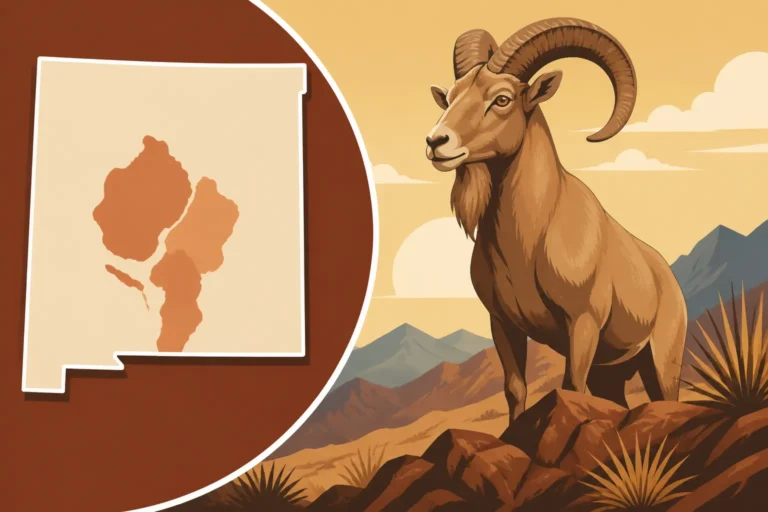
Oryx on White Sands Missile Range
The dream of hunting an oryx in New Mexico, especially on the legendary White Sands Missile Range, is something many hunters covet, but the reality of actually drawing a tag and understanding the unique requirements of hunting on an active military installation can feel like navigating a minefield. It's a completely different ballgame than your typical public land deer hunt, and the regulations, access challenges, and sheer mystique surrounding these hunts can leave even seasoned veterans scratching their heads. This comprehensive guide is here to demystify the White Sands oryx experience, breaking down everything from the draw process to on-range tactics, so you can confidently pursue this incredible animal.
The Allure of New Mexico Oryx Hunts
There's something incredibly captivating about the oryx, or gemsbok as they're also known, roaming the desert landscapes of New Mexico. It’s an exotic species thriving in an environment far from its native Africa, offering a hunting experience unlike any other in North America. For many, drawing an oryx tag is a once-in-a-lifetime opportunity, and the White Sands Missile Range hunts are considered the pinnacle of that experience.
Why Oryx Are So Unique to New Mexico
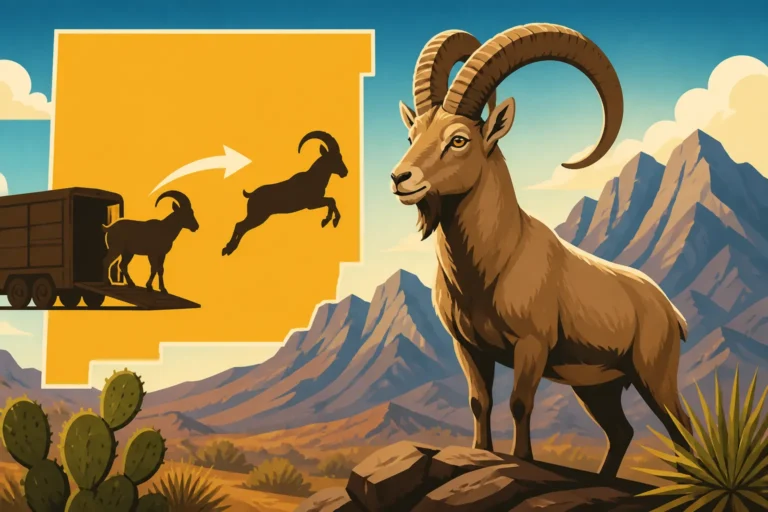
The story of how these magnificent animals came to call New Mexico home is fascinating and crucial to understanding their behavior and the hunts themselves. Originally introduced from Africa in the late 1960s, a small herd of oryx was released onto the White Sands Missile Range as part of an experimental program. The intent was to see if they could thrive in the harsh Chihuahuan Desert, an environment surprisingly similar to parts of their ancestral homelands. And thrive they did, beyond anyone's wildest expectations. Their population exploded, eventually necessitating controlled hunting to manage their numbers and mitigate impacts on the ecosystem.
Unlike native deer or elk, oryx are built for extreme desert survival. Their white and black coats reflect heat, they can go extended periods without drinking water, relying on moisture from vegetation, and their incredible eyesight and keen sense of smell make them formidable adversaries. For a hunter, pursuing an animal with such unique adaptations in an unfamiliar landscape is a profound challenge, making the resulting trophy all the more rewarding. The sheer presence of these large, elegant antelopes with their impressive straight horns adds a truly exotic flavor to the New Mexico hunting scene.
Understanding the Trophy Potential
Oryx are known for their long, spear-like horns, which are carried by both sexes. This can make field judging a bit tricky, but it also means that both bulls and cows can be incredible trophies. A mature oryx can stand nearly five feet tall at the shoulder and weigh upwards of 450 pounds, making them a significant animal to pursue and, ultimately, to pack out. The average horn length for a mature animal typically falls between 30 and 38 inches, but records show some bulls pushing well into the 40-inch range.
What makes an oryx a "trophy" often comes down to horn length, symmetry, and overall mass. Many hunters specifically target older, mature cows, as their horns can sometimes be longer and more slender than a bull's. The challenge lies not just in finding a large animal, but in getting within range in the vast, open, and often flat terrain of White Sands. This requires meticulous glassing, stealthy approaches, and precise shooting, all under the watchful eye of a military escort, adding another layer of complexity to the hunt.
Navigating White Sands Missile Range Hunts
Hunting on an active military installation like White Sands Missile Range is a privilege, but it comes with a strict set of rules and protocols that are non-negotiable. It's not just about game regulations; it's about national security and operational safety. Ignoring these rules can lead to immediate expulsion from the range and potentially more severe consequences, so understanding and adhering to them is paramount.
The Unique Protocols of Hunting on an Active Military Range
The most significant difference when hunting on White Sands is the mandatory military escort. Every hunting party, whether you're a single hunter or a group, is assigned a military escort who accompanies you for the entirety of your hunt. This isn't just a friendly face; this individual is responsible for your safety, ensuring you stay within designated hunting zones, adhere to all range rules, and don't interfere with military operations. Their word is law, and deviating from their instructions is simply not an option. You might find it helpful to read about Hunting Oryx on an Active Missile Range to get a better sense of what this entails.
Hunts on White Sands are highly structured, often beginning with a mandatory briefing where rules, boundaries, and safety protocols are reviewed. Hunters are typically given a specific area or "block" to hunt within, and venturing outside of this block is strictly forbidden. The military's primary mission always takes precedence, which means that even if you have a tag, your hunt could be interrupted or even cut short due to unexpected testing or exercises. This brings a level of uncertainty that most hunters aren't accustomed to, and it's something you simply have to accept as part of the experience. Being flexible and patient is key. If you're wondering What Happens If Military Operations Shorten Your Hunt, the answer is usually that your hunt is over, and there are no guarantees of rescheduling.
Accessing the Range and Designated Hunt Areas
Getting onto White Sands Missile Range requires significant pre-planning and background checks. This isn't a place you just drive up to. Once you draw a tag, you'll receive detailed instructions on security clearances, vehicle requirements, and designated entry points. Typically, you'll need to submit personal information for a background check well in advance of your hunt date. Vehicles often need to be in good working order, and some restrictions apply to vehicle types or modifications, especially if you plan to travel off established roads.
Specific entry gates, like the Rhodes Canyon Gate or Stallion Range Gate, are used, and you'll coordinate with your military escort regarding meeting times and locations. Once on the range, your movements will be highly controlled. Unlike a traditional public land hunt where you might wander for miles, you'll be directed to specific areas. These areas are chosen to minimize conflict with military operations and ensure hunter safety. Hunters are usually required to stay within their vehicles while traveling between hunting spots, only exiting when actively hunting or instructed to do so by their escort. This tightly controlled environment makes for a very unique experience, and understanding Getting Onto White Sands Missile Range is your first step after drawing a tag.
The Application and Draw Process for WSMR Oryx
Securing a New Mexico oryx tag, especially for the coveted White Sands hunts, is notoriously difficult. The odds are long, but the reward is immense. Understanding the draw process and maximizing your application strategy is crucial for anyone hoping to experience this unique hunt.
Understanding the New Mexico Draw System for Oryx
New Mexico operates on a lottery system for its big game draws, including oryx. Unlike some western states that use preference or bonus points, New Mexico's system offers equal odds to every applicant each year, regardless of how many times they've applied in the past. This means a first-time applicant has the same statistical chance of drawing a tag as someone who has been applying for twenty years. While this can be frustrating for those with many unsuccessful years under their belt, it also means that every year is a fresh start with a clean slate.
There are different hunt codes for various oryx opportunities: On-Range (White Sands Missile Range), Off-Range, and Youth hunts. The White Sands hunts are further broken down into specific units and hunt dates, usually spanning a short, intense period. It's essential to meticulously research these hunt codes, as they denote the location, weapon type, and season dates. Resources like GoHunt's insider information or the New Mexico Department of Game and Fish (NMDGF) website are invaluable for poring over past draw odds and understanding which hunts are the most difficult to draw. Many hunters will submit group applications to increase their chances, though if one person draws, the entire group is considered successful for that year.
Maximizing Your Odds and Application Strategy
Given the challenging odds, a strategic approach to your application is vital. First, consider the different hunt types. Off-Range oryx hunts generally have slightly better odds than On-Range hunts, primarily because the On-Range experience is so highly sought after and limited. If your primary goal is simply to hunt an oryx in New Mexico, an Off-Range tag might be a more realistic first step. However, if White Sands is your dream, then focus on those hunt codes.
When filling out your application, you typically get multiple choices for hunt codes. This is where strategy comes into play. It's common for applicants to list their absolute dream hunt (e.g., a prime White Sands hunt) as their first choice, followed by progressively "easier" or less competitive options as second, third, and fourth choices. While it's true that most tags are drawn on the first choice, a small percentage can be drawn on subsequent choices, so it's worth filling out all available options strategically. For non-residents, the Nonresident Oryx Tag Pricing in New Mexico is a significant investment, making a well-thought-out application even more critical. Keep in mind, the application period for oryx tags, like most big game species in New Mexico, typically closes in March, so mark your calendar well in advance to avoid missing the deadline. You can check New Mexico Oryx Draw Odds on the NMDGF website or through reputable third-party services to guide your choices.
Here's a simplified breakdown of application types:
| Hunt Type | Location | Draw Difficulty | Duration | Notes |
|---|---|---|---|---|
| On-Range (WSMR) | White Sands Missile Range (specific units) | Very High | 3 Days | Military escort required, highly controlled access, unique experience. |
| Off-Range | Various units surrounding WSMR | High | 3-5 Days | More traditional hunting experience, less restricted access. |
| Youth-Only | On-Range or Off-Range | Moderate/High | 3 Days | Special draw for hunters under 18, often better odds. |
| Mobility Impaired | On-Range or Off-Range | Moderate/High | 3 Days | Specific draws for qualifying individuals. |
Remember that the Why a New Mexico Oryx Season Runs Three Days is a critical piece of information for planning, as these short, intense windows mean you need to be prepared to hunt hard from dawn till dusk.
Preparing for Your White Sands Oryx Hunt
Drawing an oryx tag for White Sands is just the beginning of your adventure. The vast, open, and often challenging terrain demands specific physical and gear preparation to maximize your chances of success and ensure a safe, enjoyable hunt. This isn't a hunt you want to tackle unprepared.
Physical Conditioning for Desert Hunting
While the terrain on White Sands might appear flat, it's often deceptively rugged. You'll encounter sandy washes, rocky outcrops, and rolling hills that can wear you down quickly, especially under the desert sun. Oryx are incredibly tough and can cover vast distances, meaning you'll likely be doing a fair amount of walking, spotting, and stalking. Therefore, a good level of physical fitness is absolutely essential.
Your conditioning program should focus on endurance and leg strength. Incorporate activities like long hikes, especially with a weighted pack, stair climbing, and varied terrain walking. If possible, practice hiking in the boots you plan to wear, as blisters can quickly ruin a hunt. Being able to hike several miles comfortably with your rifle, optics, and daypack will pay dividends. Additionally, practice shooting from various positions – prone, kneeling, and from shooting sticks – as shot opportunities can present themselves quickly and unexpectedly. Remember, the desert environment can be draining, so good hydration and stamina will be your best friends.
Essential Gear and Optics Considerations
Your gear list for a White Sands oryx hunt will differ from a mountain elk hunt. Focus on lightweight, durable equipment suitable for desert conditions. High-quality optics are paramount. Given the vast, open country, you'll be spending a lot of time behind glass. A good pair of 10x or 12x binoculars on a tripod is non-negotiable for effectively picking apart distant terrain. A spotting scope (20-60x or similar) is also highly recommended for evaluating animals from a distance without disturbing them, helping you judge How Big a New Mexico Oryx Bull Gets.
For clothing, think layers designed for arid environments: breathable, moisture-wicking materials in earth tones to blend with the landscape. Sun protection is critical – a wide-brimmed hat, sunglasses, and sunscreen. Reliable, comfortable hiking boots are a must. Your rifle should be accurate and capable of ethical shots out to 300-400 yards, as long-range opportunities are common. Calibers like .270, .30-06, .300 Win Mag, or 7mm Rem Mag are popular choices, paired with premium bullets designed for large, tough game. Don't forget shooting sticks, a rangefinder, GPS device (with a downloaded map of your hunt unit, if allowed by your escort), and plenty of water and snacks. Consider bringing a robust cooler for meat transport, as the desert heat can quickly spoil your hard-earned harvest.
Hunting Strategies on White Sands
Successfully hunting oryx on White Sands is a masterclass in desert hunting tactics. It requires patience, keen observation, and a willingness to adapt to the unique environment and military protocols. These animals are smart, tough, and live in wide-open spaces, demanding precision in every aspect of the hunt.
Spot and Stalk Tactics in Open Desert
The predominant hunting method for oryx on White Sands is spot and stalk. The open terrain means you'll be doing a lot of glassing, often from elevated positions if available, or even from the top of your vehicle (with your escort's permission, of course). Oryx typically graze in herds, but individual animals can break off. Look for the tell-tale white bodies against the tan and green of the desert, or the distinctive black markings that stand out, especially in morning or evening light. Thermal imaging can be extremely effective for spotting oryx in low light conditions, though specific rules might apply to their use on WSMR, so always check with the NMDGF and your military escort.
Once an animal is spotted, the real challenge begins: closing the distance in a landscape that offers very little cover. This is where patience and meticulous planning come into play. Use every fold in the terrain, every sparse mesquite bush, and every dry wash to your advantage. Move slowly, deliberately, and always pay attention to the wind. Oryx have excellent senses, and they will bust you if you're not careful. This can be an arduous process, sometimes taking hours for a single stalk, only to have the animals move and force you to restart. Persistence is key. For more insight into the hunt's flow, it's worth understanding How an Oryx Hunt Actually Runs.
Shot Placement and Animal Recovery
Oryx are incredibly resilient animals, and proper shot placement is paramount to ensuring a quick, ethical harvest and minimizing tracking. Their bone structure is dense, and they are notoriously tough, often running long distances even with a well-placed shot. Aiming for the shoulder or just behind it, targeting the lung/heart area, is generally recommended. A solid, heavy-for-caliber bullet that retains weight and expands reliably is crucial for penetrating their tough hide and bone.
After the shot, it's vital to give the animal time, especially if it's not immediately apparent that it's down. While your military escort will guide you, responsible tracking is still your duty. In the vastness of White Sands, a wounded animal can quickly disappear, especially if it makes it into dense scrub or a deep wash. Once down, field dressing must happen quickly, as the desert heat can cause meat to spoil rapidly. Have a plan for how you'll quarter and pack out the meat, and ensure you have sufficient water to clean up afterward. The meat of an oryx is highly prized, and many hunters will tell you Is Oryx Meat Worth Eating?, often comparing it to high-quality beef. Don't forget that Do Both Oryx Sexes Carry Horns? – yes, they do, so both bulls and cows can be exceptional trophies.
Respecting the Environment and Regulations
Hunting on White Sands Missile Range isn't just about bagging an animal; it's about respecting a unique environment and a special privilege. Your military escort is there to enforce the rules, but demonstrating personal responsibility and respect for the regulations shows that hunters are worthy of this access. This includes understanding all NMDGF regulations, but also the specific rules of the range. For example, staying on designated roads, respecting closed areas, and managing your waste responsibly are all part of the deal.
Any trash you bring in must be packed out. Be mindful of potential unexploded ordnance (UXO) in certain areas, though your escort will guide you to safe zones. The goal is to leave no trace and ensure that the opportunity to hunt oryx on White Sands remains available for future generations. This blend of civilian hunting and military protocol creates a truly unforgettable experience, but it’s one that requires diligent adherence to all guidelines.
Disclaimer
Please note that hunting regulations, fees, and access protocols are subject to change. Always consult the official New Mexico Department of Game and Fish website and the White Sands Missile Range for the most current and accurate information before planning any hunt.