New Mexico Oryx Draw Odds
Dreaming of hunting an oryx in New Mexico is one thing, but actually drawing that coveted tag? That's where the reality check hits, and understanding the New Mexico oryx draw odds becomes absolutely critical to even have a shot. Many hunters feel like they're tossing their name into a hat, hoping for a miracle, and while there's certainly an element of luck, delving into the draw odds can help you make more informed application choices and manage your expectations for this truly unique hunt.
The Allure of New Mexico Oryx and the Challenge of Drawing
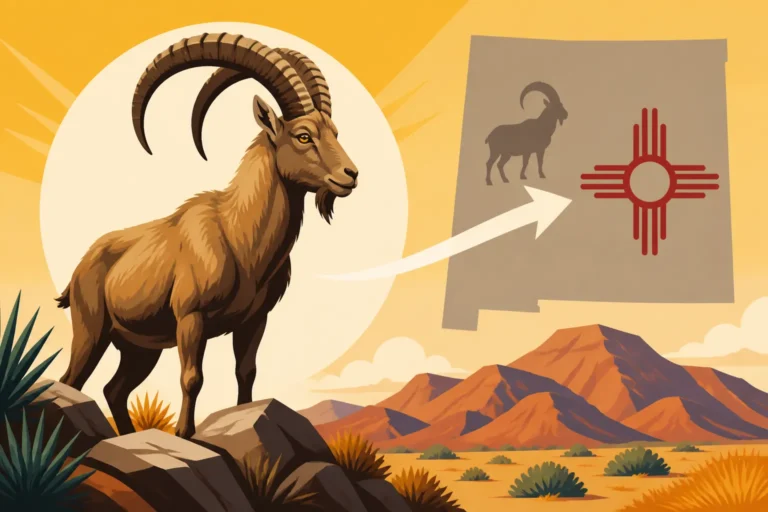
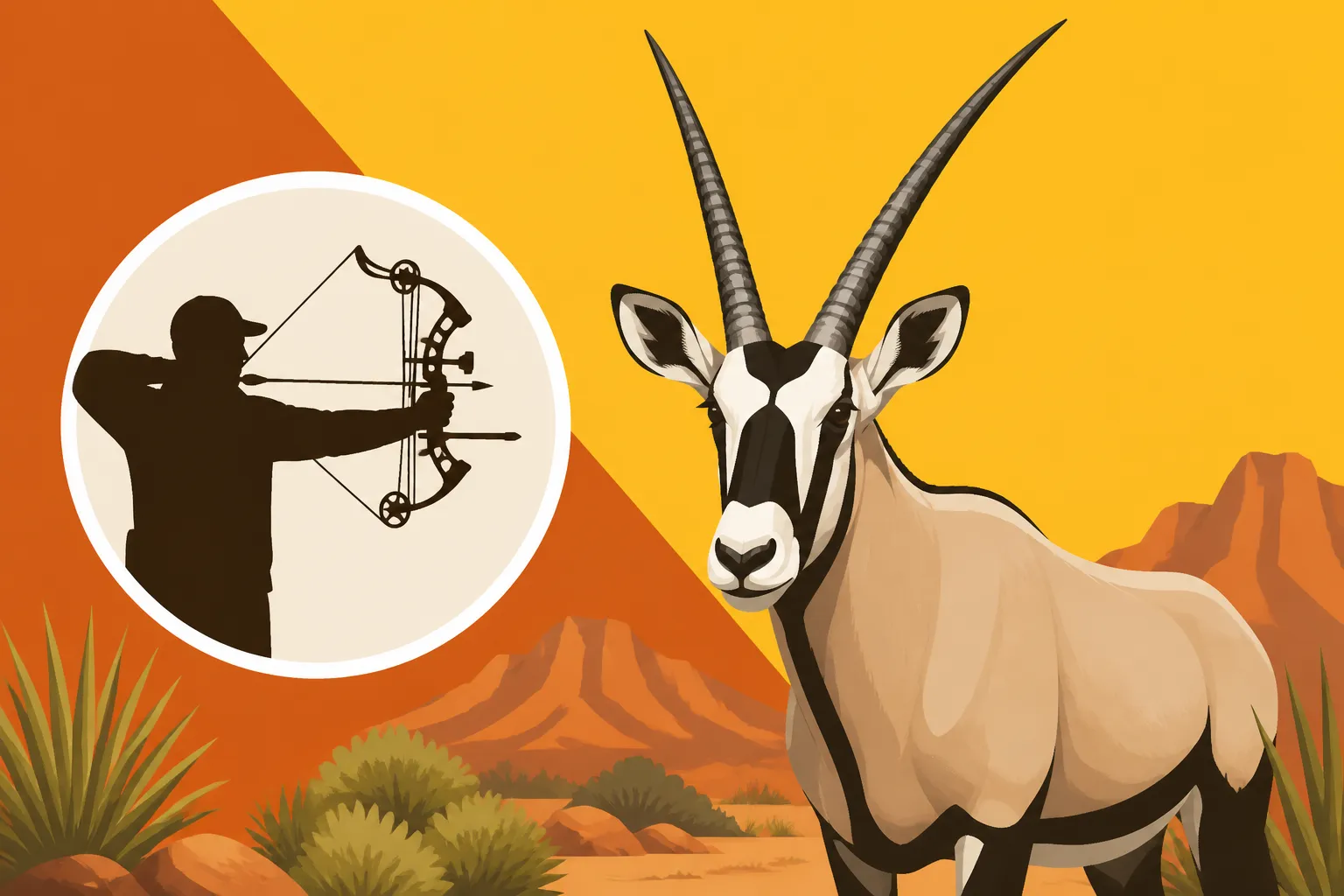
The draw odds for New Mexico oryx tags can feel like a mountain to climb, and it's no wonder why. This isn't just another big game hunt; it's an opportunity to pursue an exotic, majestic animal in a truly unique American landscape. Oryx, or gemsbok, were introduced to New Mexico decades ago and have thrived, creating a hunt unlike almost anything else in the Lower 48. The demand for these tags is incredibly high, fueled by the species' mystique and the success rates often reported by those lucky enough to draw.
When you think about why those odds are so tough, it's a mix of a few key factors. First, the number of tags available is carefully managed to maintain a healthy population and ensure a quality hunting experience. Second, and perhaps most significantly, there are simply a ton of hunters who want one of these tags. The word is out about the incredible experience, the unique challenge, and the delicious meat, leading to an application pool that far outstrips the available licenses. This creates a highly competitive environment where even a "good" draw strategy still comes down to a roll of the dice in the end. It can be disheartening to apply year after year, but the dream of an oryx hunt keeps many of us coming back.
Why Oryx Tags Are So Sought After
The popularity of New Mexico oryx tags isn't just a fleeting trend; it's deeply rooted in the extraordinary nature of the animal and its environment. These are big, tough desert animals with incredibly sharp, long horns that make for an impressive trophy. Their ability to survive and thrive in arid conditions, often on the White Sands Missile Range, adds an almost mythical quality to the pursuit. It's not every day you get to hunt big game on an active military installation, and that novelty factor alone draws a lot of attention.
Beyond the unique setting, the hunting itself is often quite successful. Many of these hunts are structured in a way that gives hunters a decent chance at success, which further drives demand. When hunters hear stories of high harvest rates, even on difficult terrain, it naturally makes them want to throw their hat into the ring. This combination of an exotic species, a fascinating location, and a generally productive hunt creates a perfect storm for extremely high demand and, consequently, very challenging draw odds.
Understanding the Tag Allocation System
New Mexico's tag allocation system plays a huge role in those draw odds, especially for non-residents. The state has a tiered system that divides tags into three main pools: a large percentage for residents, a smaller percentage for non-residents applying with an outfitter, and an even smaller percentage for non-residents applying independently. This means that if you're a non-resident, you're already competing in a much smaller pool of available tags, making the challenge even steeper.
This system is designed to give preference to New Mexico residents, which is common across many western states. However, it also creates an interesting dynamic for non-residents who might consider applying through an outfitter to access the "outfitter pool" of tags, even though that comes with additional costs. Regardless of which pool you're in, understanding The 6 Percent New Mexico Nonresident Allocation or the larger resident pool is foundational to comprehending your actual chances of drawing an oryx tag. Each pool has its own distinct set of odds, and sometimes the strategies that work in one don't quite translate to another.
How New Mexico's Draw System Impacts Oryx Odds
New Mexico operates on a lottery system without any preference points or bonus points, which is a significant factor in how oryx draw odds behave. Unlike states where you accumulate points year after year to eventually guarantee a tag, New Mexico's system means that every applicant, whether it's their first time applying or their twentieth, has an equal chance in the random draw for each specific hunt code. This can be both a blessing and a curse.
On one hand, it means a first-time applicant could theoretically draw a highly coveted oryx tag right out of the gate. There's no waiting period, no building up points over a decade. On the other hand, it also means that consistent applicants don't see their odds improve over time, leading to potential frustration if they've been applying for many years without success. This "no points" system keeps every draw exciting, but also keeps the odds consistently low for high-demand hunts like oryx. For more on how this works across the board, check out How New Mexico Draw Odds Work Without Points.
The No-Points System Explained
The "no points" system in New Mexico is often a point of confusion for hunters coming from states with more traditional preference or bonus point systems. Essentially, when you apply for an oryx tag, your application is treated the same as everyone else's for that specific hunt choice, regardless of how many times you've applied previously. There's no mechanism to improve your chances by continually buying a point or applying for less desirable tags.
What this means for oryx applicants is that the odds you see published are typically the raw percentage chance of pulling a tag if you applied for that specific hunt code in that specific applicant pool (resident, non-resident outfitted, non-resident unguided). It’s a pure lottery. While this can sometimes feel unfair to those who have been trying for ages, it does uphold the principle of equal opportunity, meaning anyone truly could draw this year, which adds a certain thrill to submitting your application each spring.
Resident vs. Non-Resident Odds
The difference between resident and non-resident draw odds for New Mexico oryx is stark, primarily due to the allocation system. Residents are allocated a significantly larger percentage of the total available tags, meaning their pool of competition is smaller relative to the number of tags. This naturally translates to better odds, though "better" is a relative term when talking about highly sought-after hunts like oryx. Even for residents, these tags are not easy to come by.
Non-residents, as mentioned, are split into two much smaller pools: those applying with a registered New Mexico outfitter and those applying without. Both non-resident pools are vying for a much smaller slice of the pie, making their individual odds considerably lower than a resident's. It's a fundamental aspect of applying in New Mexico, and a key consideration if you're traveling from out of state. Many non-residents consider the outfitter pool as a potential avenue to slightly increase their odds, but it's important to weigh that against the added cost of a guided hunt.
The Impact of Hunt Codes and Season Dates
The specific hunt code you apply for also has a direct and sometimes dramatic impact on your draw odds. Oryx hunts are offered on White Sands Missile Range and on various "off-range" public and private lands. Within these categories, there are different season dates—some early, some late, some during the heat of summer, others in cooler weather. Each of these unique hunt codes will have its own set of draw statistics, reflecting demand.
Generally, the White Sands hunts, especially those in the cooler months, tend to be the most popular and thus have the toughest draw odds. These hunts offer a high probability of seeing oryx and often come with more logistical support, making them highly desirable. Off-range hunts can sometimes have slightly better odds, but they also often come with different challenges, like finding animals on vast public lands with less infrastructure. Researching these specific hunt codes and their historical draw data is crucial for any applicant looking to optimize their strategy. Understanding when White Sands Oryx Hunts Are Scheduled can give you a clue about which ones will be most competitive.
Researching and Interpreting Draw Odds
Navigating the sea of draw statistics can feel overwhelming, but it's an essential step in developing a sound application strategy. The New Mexico Department of Game and Fish (NMDGF) provides draw success reports annually, breaking down odds by resident status, weapon type, and specific hunt code. While these reports show historical data, they offer the best insight into future probabilities. It’s not about predicting the future with certainty, but understanding the past trends to make educated guesses.
Many hunters also turn to third-party resources like GoHunt's Insider platform, which compiles and analyzes this data, often presenting it in user-friendly formats that help you quickly compare odds across different units and hunt codes. These tools can be invaluable for dissecting complex data and identifying patterns that might not be immediately obvious in raw reports. They can help you visualize how many applicants were vying for how many tags in previous years, giving you a clearer picture of the competition.
Where to Find Official Draw Data
The official source for New Mexico's draw statistics is the New Mexico Department of Game and Fish website. They typically publish a comprehensive draw report for the previous year's hunts, usually available well before the next application period opens. This report will list every hunt code, breaking down the number of applicants, the number of tags issued, and the resulting draw percentage for residents, non-residents applying with an outfitter, and non-residents applying without an outfitter.
It's vital to remember that this data is historical. It shows what happened last year, not what will happen this year. However, draw odds for highly popular hunts like oryx tend to remain relatively consistent year-to-year, unless there's a significant change in tag allocation or hunter numbers. Paying close attention to these reports will show you which hunts are consistently the toughest draws and which might offer a slightly better, though still challenging, chance.
Using Tools Like GoHunt to Analyze Odds
While the raw data from NMDGF is the foundation, tools like GoHunt take that information and make it far more actionable. GoHunt's Insider membership, for example, often features detailed breakdowns and filtering capabilities that allow you to quickly sort and compare draw odds for specific species like oryx. You can often filter by hunt type (White Sands, off-range), season dates, and applicant category, allowing you to zero in on the exact data relevant to your application choices.
These platforms often provide additional insights, such as historical trends over several years, or even unit descriptions that might hint at why certain hunts are more popular (e.g., higher success rates, easier access, better trophy potential). Utilizing such tools can save you hours of sifting through spreadsheets and help you identify potential "sleeper" units or hunt codes that might be slightly less popular but still offer a fantastic experience. This kind of in-depth analysis is where many experienced applicants find their edge.
Strategies to Navigate Oryx Draw Odds
Given the inherently tough nature of drawing a New Mexico oryx tag, most hunters adopt a strategic approach rather than just blindly applying. While there's no magic bullet in a pure lottery system, informed choices can marginally tip the scales or at least help manage expectations. It often comes down to balancing the desire for a premier hunt with the reality of draw success.
One common strategy involves diversifying your choices. Instead of putting all three of your hunt choices on the most sought-after White Sands tags, you might consider including a less popular off-range hunt as a second or third option. Another approach is to be patient and apply consistently, knowing that eventually, your number could come up. It's about playing the long game and understanding that persistence is key when points don't exist.
Diversifying Your Hunt Choices
New Mexico allows you to list up to three choices on your application for each species. For oryx, leveraging these three choices wisely is a key strategy to improve your overall chances. Instead of listing three extremely popular White Sands hunts, you might consider diversifying your selections. For example, your first choice could be that dream White Sands tag you've always wanted. Your second choice might be a slightly less popular White Sands hunt during a different time of year (perhaps a warmer month), and your third choice could be an off-range hunt in a unit known for good oryx populations but with slightly higher draw odds.
This approach acknowledges the difficulty of drawing the premier tags while still giving you a shot at a quality hunt. Remember, if your first choice draws, the subsequent choices aren't considered. But if your first choice doesn't hit, you still have two more chances to draw an oryx tag, rather than going home empty-handed because all your choices were too competitive. This thoughtful layering of choices is a fundamental aspect of applying in New Mexico's no-points system.
Considering Off-Range Hunts
While White Sands hunts get a lot of attention, off-range oryx hunts offer a fantastic experience and often come with slightly more favorable draw odds. "Off-range" essentially means any public or private land outside of the White Sands Missile Range where oryx have established populations. These hunts typically require more self-sufficiency and scouting, as you won't have the military infrastructure or concentrated animal numbers of White Sands.
However, the rewards are immense. Hunting oryx on vast BLM or State Trust lands provides a true free-range experience, often with less competition from other hunters in the field. If your primary goal is to harvest an oryx and you're willing to put in the legwork, researching these off-range units and their historical draw odds can significantly increase your chances of drawing a tag. GoHunt data can be particularly helpful here, as it often highlights which off-range units have the best balance of decent odds and good harvest potential.
Group Applications and Their Impact
New Mexico does allow group applications, but it's crucial to understand how they work, especially for oryx. When you apply as a group, if one person draws, everyone in the group draws. The catch is that your group's application is treated as a single application, and your odds are tied to the least experienced or lowest success rate member of the group, which means if one person in your group applied as a non-resident in the unguided pool, the whole group is evaluated in that pool. For oryx, which are already tough to draw, applying as a group means all members are either successful or unsuccessful together.
For most high-demand hunts like oryx, applying as a group typically does not improve your individual odds. In fact, if you're a resident applying with a non-resident, your odds will drop to the non-resident pool. It's primarily a mechanism for friends or family who want to hunt together to ensure they can do so if they draw. So, while it's great for hunting camaraderie, don't expect it to magically boost your chances of drawing an oryx tag.
| Hunt Type Category | Typical Demand Level | General Draw Odds | Key Considerations |
|---|---|---|---|
| White Sands – Peak Season (Cooler Months) | Extremely High | Very Low | Excellent infrastructure, high success rates, very competitive. |
| White Sands – Off-Peak Season (Warmer Months) | High | Low | Still good chance for success, but heat can be a factor. Slightly better odds. |
| Off-Range (Public Land) | Moderate to High | Low to Moderate | More DIY, requires scouting, often better odds than White Sands. |
| Off-Range (Private Land) | Varies | Varies | May be tied to EPLUS landowner tags or trespass fees. |
Alternative Paths to an Oryx Tag
For those who have applied diligently for years without success in the draw, or for hunters looking for different avenues, New Mexico offers a couple of alternative paths to pursuing an oryx. These options often come with their own set of considerations, including higher costs, but they provide opportunities for hunters who might otherwise wait indefinitely for a draw tag.
These alternatives highlight the high demand for oryx and the state's willingness to provide different entry points for hunters. While the draw is the most common and cost-effective method, knowing about these other possibilities can empower you to make different choices if drawing seems perpetually out of reach. It's all about deciding what your hunting priorities are and how much you're willing to invest to make that oryx dream a reality. You can also explore How Oryx Were Introduced to New Mexico to understand why these opportunities exist.
Off-Range Landowner Tags and EPLUS
Beyond the public draw, there are "off-range" oryx tags available directly from landowners through the EPLUS system. This system allows private landowners to receive authorizations for certain big game species, including oryx, which they can then sell directly to hunters. These tags bypass the public draw entirely, meaning if you purchase one, you are guaranteed an oryx hunt without having to rely on the lottery.
The main consideration here is cost. EPLUS tags, especially for a desirable species like oryx, can be significantly more expensive than a draw tag. They also often come with specific ranch boundaries or unit limitations, which you'll need to understand thoroughly before purchasing. However, for a hunter determined to hunt oryx without waiting for the draw, these landowner tags offer a direct and certain route to the field. For more details on the system, read up on How New Mexico EPLUS Authorizations Work.
Guided Off-Range Hunts
Another alternative, often tied into landowner tags or access, is booking a guided off-range oryx hunt. Many outfitters operate on private lands or have extensive knowledge and access to specific public land units where oryx roam. These guided hunts often come with a higher price tag due to the professional services, scouting, and potentially the cost of an EPLUS tag that the outfitter may have secured.
However, a guided hunt can dramatically increase your chances of success, especially for an animal like the oryx that can be challenging to locate and stalk in vast desert terrain. Outfitters provide invaluable local knowledge, equipment, and expertise, which can turn a daunting hunt into a highly enjoyable and successful experience. While it doesn't bypass the draw system for a public land tag, it does offer a guaranteed hunt opportunity if you're willing to invest in the service.
White Sands Missile Range Hunts
While these are primarily draw hunts, it's worth reiterating the nature of hunting Oryx on White Sands Missile Range as a unique opportunity that many hunters prioritize. These hunts offer a highly concentrated population of oryx and a relatively high success rate, often due to the somewhat contained nature of the range and management efforts. Hunters typically check in, receive a brief orientation, and are given access to designated hunting areas.
The unique aspect of these hunts, beyond the military setting, is the structure. Many White Sands hunts are 3-day affairs, offering a focused window to pursue your animal. The draw odds for these are notoriously difficult, but the quality of the experience and the consistent success often make them the top choice for many applicants. The opportunity to hunt such an exotic species in this iconic New Mexico landscape is truly one-of-a-kind.
Disclaimer
This article is for general informational purposes only and does not constitute professional advice. Laws, prices and regulations vary by location and change over time. Consult a qualified professional for guidance on your specific situation.